Cat sneezing, congestion, or watery eyes? Learn common feline URI signs, how long they last, safe home care, vet treatments, what not to give, and when to se...
Article
•
Designer Mixes
Cat Cold Symptoms vs Allergies: When to Worry

Shari Shidate
Designer Mixes contributor
If your cat is sneezing, sniffling, or has watery eyes, it is natural to wonder: is this a simple “cat cold,” or could it be allergies? As a veterinary assistant, I see this confusion all the time. The tricky part is that upper respiratory infections and allergies can look very similar at first, but the way they progress and the signs that show up next can tell you a lot.
This article will help you sort out the most common clues, what you can safely do at home, and the red flags that mean it is time to call your veterinarian. Only an exam can confirm the cause, but you can still make good decisions while you monitor.
Quick difference: infection vs allergy
Most “cat colds” are upper respiratory infections caused by viruses (commonly feline herpesvirus and calicivirus). Bacteria can also play a role, especially with eye involvement, including Chlamydia felis, Bordetella, and Mycoplasma.
Allergies are an immune response to triggers like pollen, dust, mold, or fragrances. In cats, allergies often show up on the skin (itching, scabs, over-grooming). When allergies affect the airways, asthma is a major presentation, and it tends to look more like coughing or wheezing than a simple runny nose.
- Infections often make your cat feel crummy, can include fever, and discharge may change over time.
- Allergies tend to be itchy or watery, stay fairly consistent day to day, and do not usually cause fever.
Cat cold symptoms (upper respiratory infection)
A mild upper respiratory infection can look like a human cold, but cats can become dehydrated or stop eating faster than we expect, especially kittens, seniors, and cats with chronic conditions.
Common signs
- Sneezing
- Runny nose that may start clear and may become cloudy or thicker
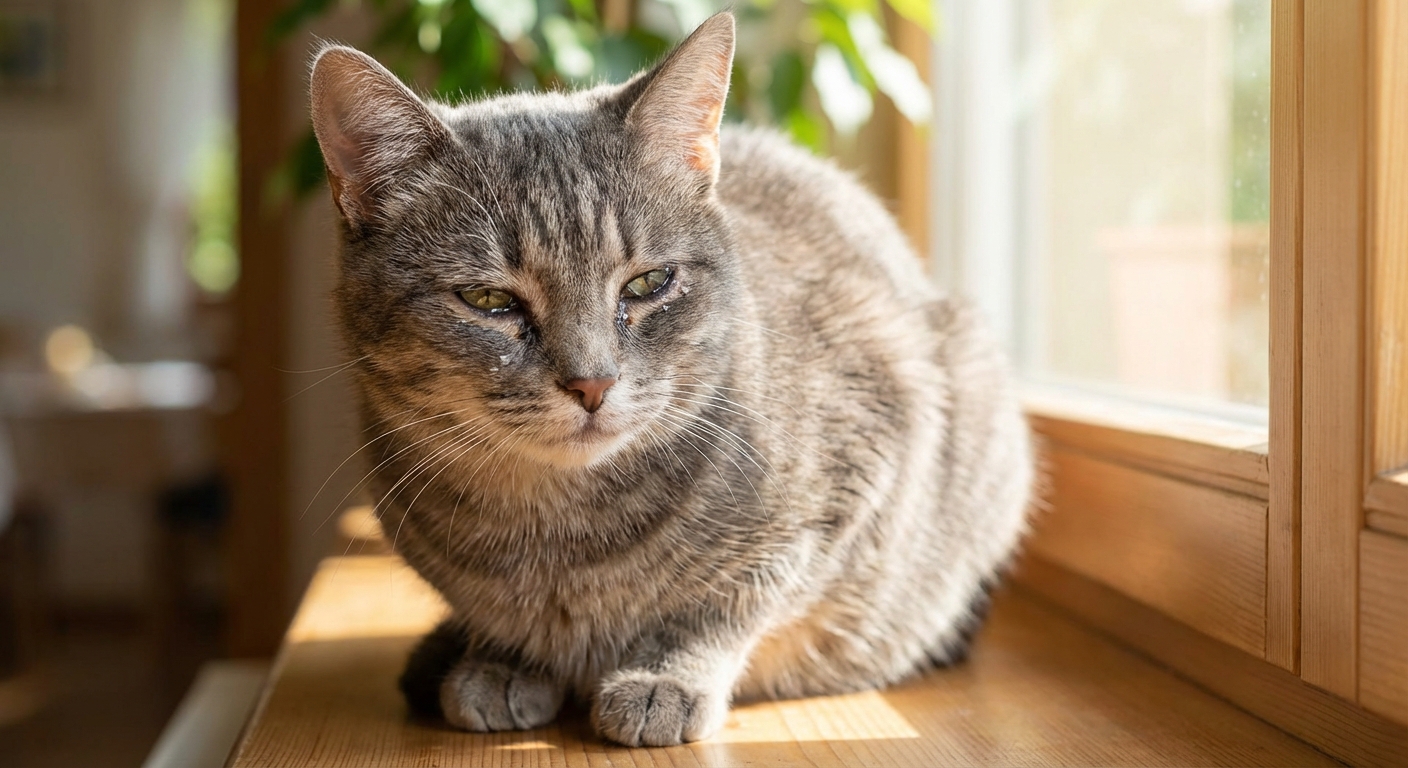
- Watery eyes, squinting, or eye discharge (conjunctivitis is common)
- Congestion, noisy breathing through the nose
- Coughing is less common with a simple URI, but can happen
- Decreased appetite, less interest in treats
- Low energy, hiding more than usual
- Mouth ulcers or drooling can occur with calicivirus
Typical timeline: many uncomplicated cases improve in about 7 to 14 days, but mild signs can linger 2 to 3 weeks. Some cats have flare-ups (especially with feline herpesvirus) during stress.
Cat allergy symptoms
True nose and eye allergies in cats do happen, but many cats show allergies through their skin more than their nose. If your cat has frequent coughing, wheezing, or breathing changes, ask your vet about asthma, which is a common allergic airway issue in cats.
Common signs
- Sneezing with mostly clear discharge
- Watery eyes
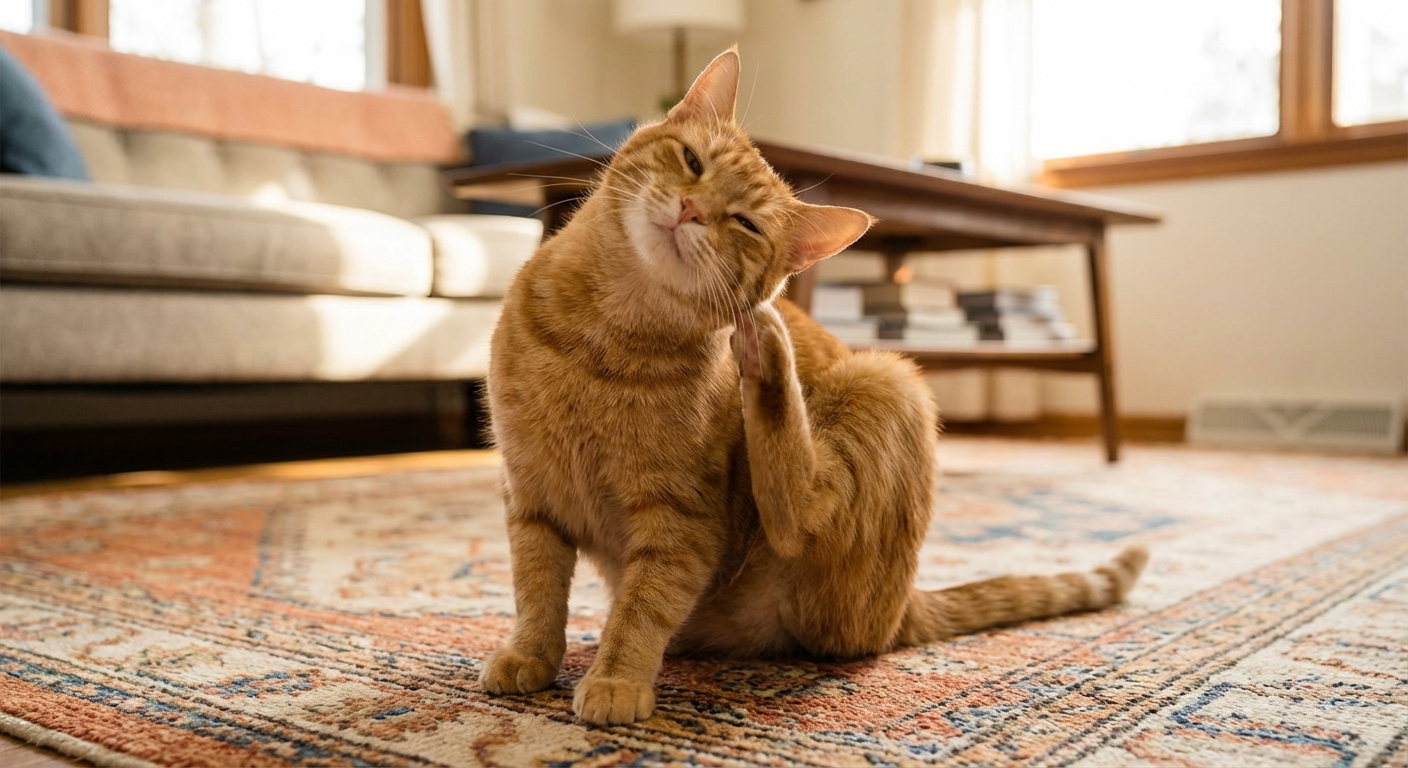
- Itching, over-grooming, or scabs (often around the neck and face)
- Ear irritation or recurring ear debris
- Seasonal pattern (spring and fall are common) or symptoms linked to the home environment (dust, litter, scents)
What allergies usually do not cause: fever, thick worsening discharge, and significant lethargy. If those show up, an infection or another problem rises to the top of the list.
Clues that point more to a cold
- Cloudy or thickening discharge from the nose or eyes, especially if it is worsening. Yellow or green color can be more suggestive of secondary bacterial infection, but it is not proof on its own.
- Squinting, redness, or crusted eye discharge (eye involvement is common with feline herpesvirus and some bacterial infections)
- Appetite drop because your cat cannot smell food well
- Lethargy, hiding, or acting “off”
- Known exposure to another cat with respiratory signs (multi-cat households, shelters, boarding situations)
Clues that point more to allergies
- Itchiness is a big one: over-grooming, chewing paws, face rubbing
- Clear, watery discharge that stays about the same and does not steadily worsen
- Pattern tied to seasons, cleaning products, scented candles, plug-ins, dusty renovations, smoke, or a new litter
- Cat seems to feel fine otherwise: eating, playful, normal energy
One practical tip: if you suspect allergies, think like a detective. What changed in your home in the past two weeks, including detergents, room sprays, litter, HVAC filters, or new plants?
If you are still not sure which bucket your cat fits into, that is normal. The next section focuses on the situations where it is safer to call rather than wait.
When to worry and call your vet
Some cats can be monitored at home for a short time, but there are situations where waiting is risky. Cats can go downhill quickly if they stop eating or have breathing trouble.
Call your veterinarian promptly if you notice:
- Not eating at all for 24 hours, or eating much less than normal for more than 24 hours. Call sooner for kittens and for overweight cats, since they are at higher risk for complications when they do not eat.
- Trouble breathing, open-mouth breathing, or fast breathing at rest
- Severe lethargy, weakness, or collapse
- Eye pain, squinting, swollen eyelids, or a cloudy-looking eye
- Thickening discharge that is worsening, especially if your cat also feels unwell
- Dehydration (dry gums, sticky saliva, very low urine output)
- Possible fever (warm ears can happen for many reasons). Fever is confirmed with a temperature check at the clinic.
- Kittens, seniors, or immunocompromised cats with any respiratory symptoms
- Symptoms lasting more than 10 to 14 days, lasting 2 to 3 weeks without improvement, or improving then relapsing
Emergency note: If your cat is open-mouth breathing, has blue or pale gums, or cannot settle comfortably, treat it as urgent and seek emergency care.
Safe home care for mild symptoms
If your cat is bright, still eating, and breathing comfortably, these gentle steps can help them feel better while you monitor.
Supportive care
- Boost hydration: offer fresh water, water fountains, or wet food.
- Warm (not hot), aromatic food: warming wet food slightly can help a congested cat eat (test temperature with your finger first). You can also offer a little tuna water for aroma, but avoid anything with onions or garlic.
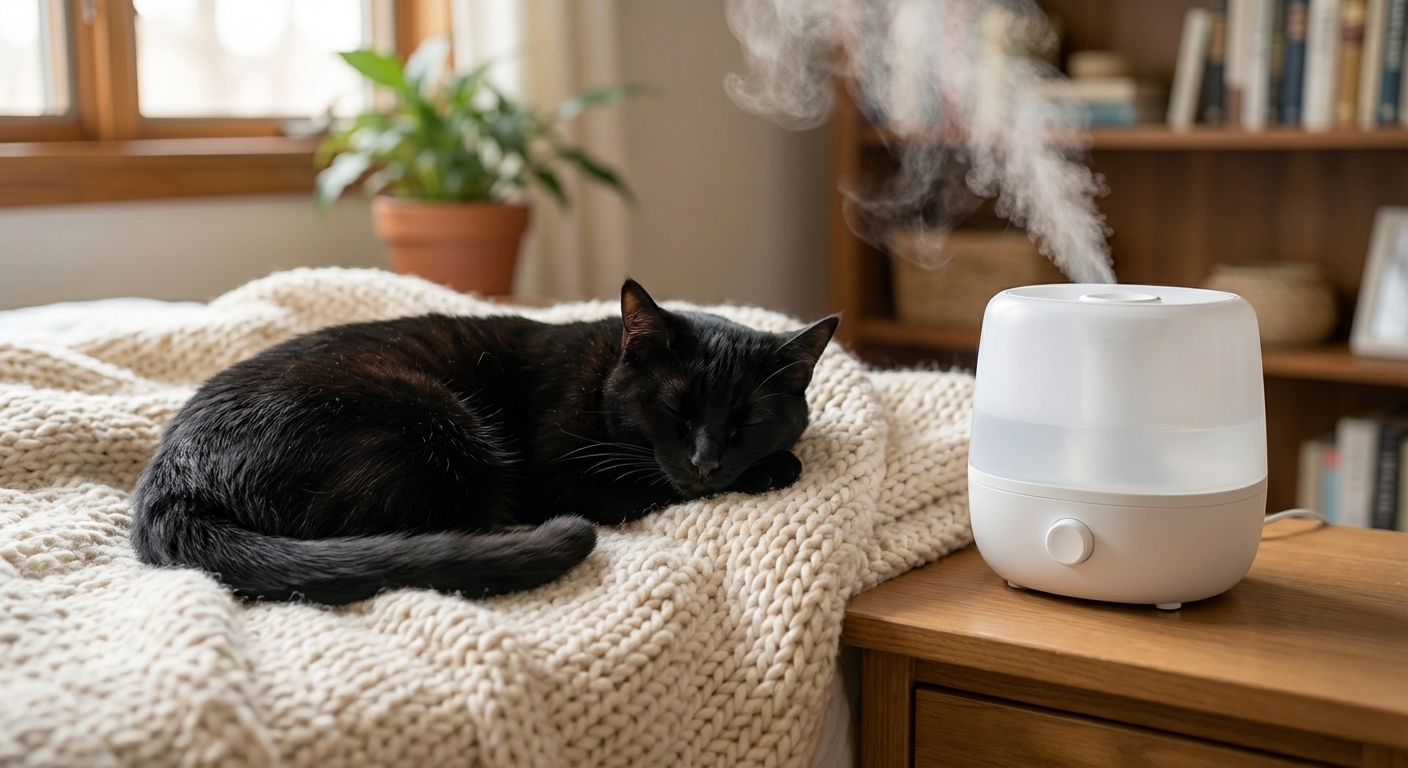
- Humid air: run a humidifier, or sit with your cat in a steamy bathroom for 10 to 15 minutes. Keep your cat safely away from hot water and watch for stress.
- Gentle cleaning: wipe nose and eye discharge with a warm, damp cloth.
- Reduce stress: keep things quiet, provide a cozy hiding spot, and avoid big changes if possible.
What not to do
- Do not give human cold medicines, decongestants, pain relievers, or OTC allergy meds unless your veterinarian tells you to. Many are toxic to cats.
- Do not use essential oils around cats for “congestion.” Cats can be very sensitive to them.
- Avoid forcing food or water if your cat is struggling to breathe or is nauseated. Call your vet instead.
What your vet may recommend
Your veterinarian will focus on breathing, hydration, and whether this looks viral, bacterial, allergic, or something else entirely.
Other possible causes of sneezing and watery eyes can include dental disease, a nasal foreign body, nasal mites (less common), polyps, irritant exposure, asthma, and in older cats, a nasal mass.
- Physical exam including listening to lungs and evaluating eyes and mouth
- Eye medications if there is conjunctivitis or corneal involvement
- Appetite support if your cat is not eating well
- Fluids if dehydrated
- Antibiotics if there are signs that suggest bacterial involvement or secondary infection
- Allergy plan if itching and recurrence are the big pattern (environment changes, targeted meds, and sometimes diet trials)
Prevention tips that help
- Vaccines: keep core vaccines current. They may not prevent every infection, but they can reduce severity.
- Contagiousness: many URIs are contagious. If you have multiple cats, separate the sick cat when possible, do not share bowls, and wash hands between cats.
- Air quality: avoid smoke, aerosols, strong fragrances, and dusty litter. Try unscented litter and cleaners, improve ventilation, and change HVAC filters regularly.
- Hygiene in multi-cat homes: clean shared surfaces, wash bedding, and keep litter boxes fresh.
- Lower stress: stress can trigger herpesvirus flare-ups. Predictable routines and safe spaces matter.
If you are unsure, it is completely okay to call your vet and describe what you are seeing. Catching the “when to worry” signs early is one of the kindest things you can do for your cat.