Learn vet-backed ways to reduce cat hairballs: brushing routines, hydration tips, safe fiber options, omega-3s, and when gels help. Includes warning signs th...
Article
•
Designer Mixes
Cat Behavior Secrets Revealed

Shari Shidate
Designer Mixes contributor
Cats can feel mysterious, but most of what they do makes perfect sense once you see it through a cat’s eyes. As a veterinary assistant here in Frisco, Texas, I’ve learned that “misbehavior” is usually communication: a need, a preference, a fear, or a health issue. Let’s decode the most common cat behaviors in a clear, evidence-based way so you can respond with confidence.
How cats think: the short version
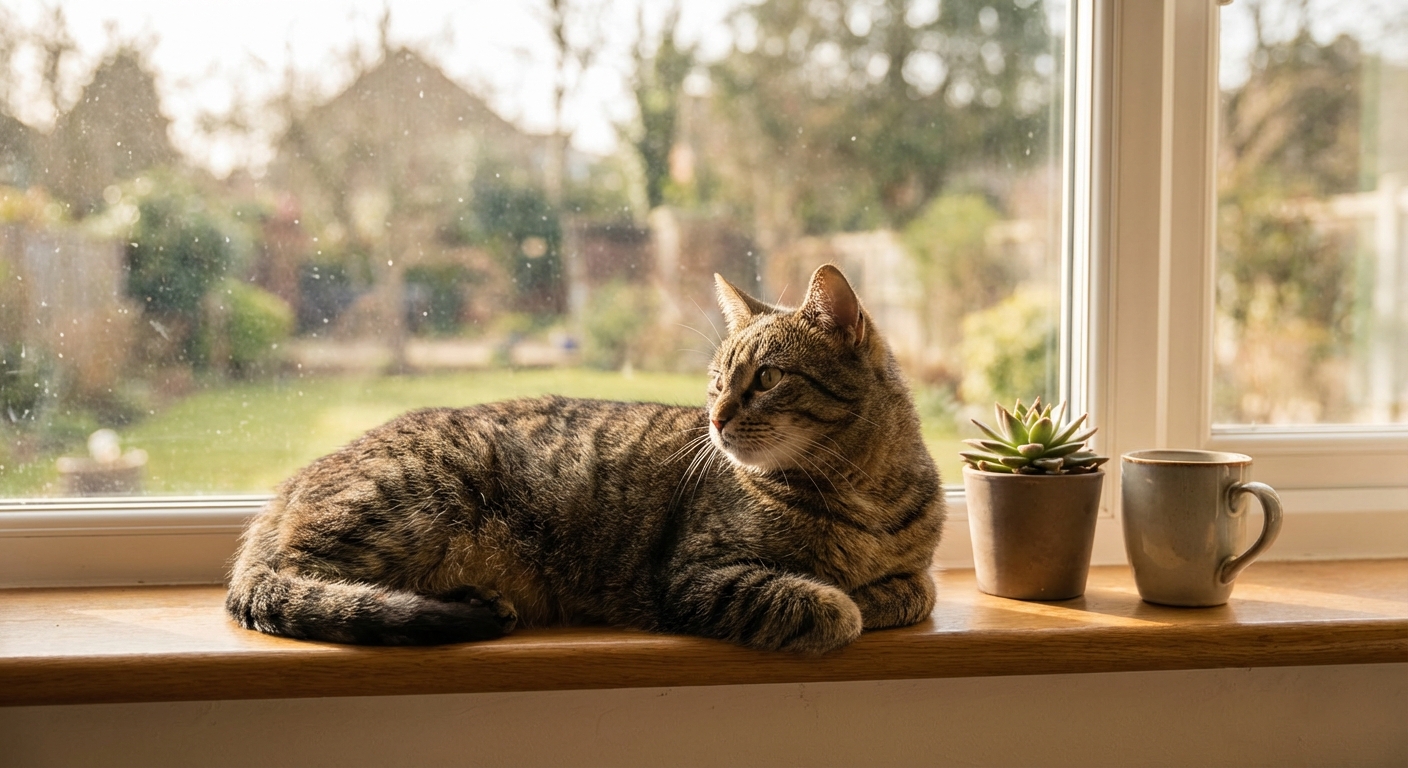
Cats are both predator and prey. That combination shapes nearly everything: they like control over their space, they notice small changes, and they rely heavily on scent and routine. When a cat acts “suddenly different,” it is often because something changed in their environment, their body, or their sense of safety.
- Behavior follows biology: hunting instincts, territoriality, and the need to conserve energy are normal.
- Scent is their social network: rubbing, scratching, and even some forms of “marking” are communication.
- Stress shows up fast: cats often express anxiety through hiding, grooming changes, appetite shifts, and litter box issues.
Body language decoded
Tail positions and what they usually mean
- Tail up like a flag: friendly, confident greeting.
- Tip twitching: focused or slightly irritated. Give space if it escalates.
- Tail thumping: frustration or overstimulation. Pause petting and let your cat reset.
- Puffed tail: fear or high arousal. Remove triggers and offer a safe retreat.
Ears, eyes, and whiskers
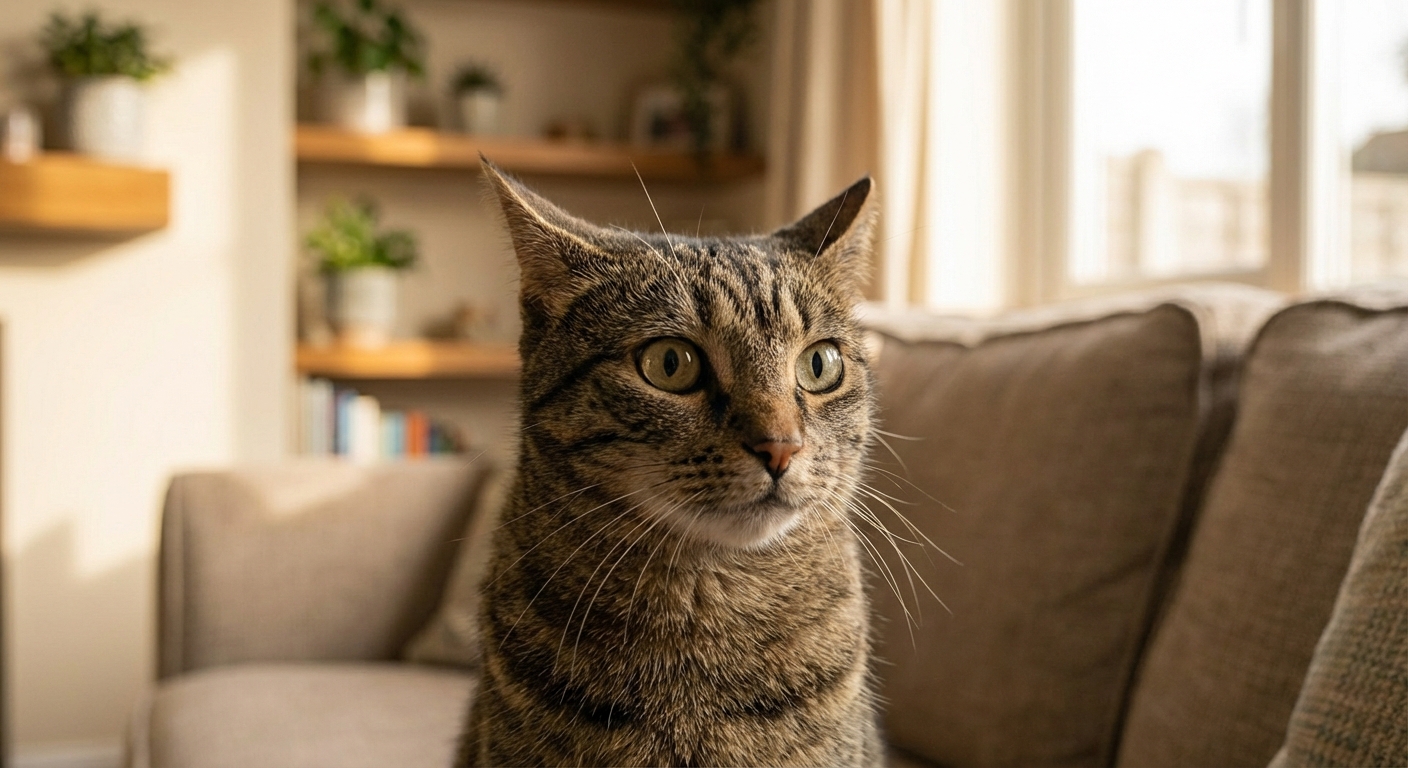
- Ears forward: curious, engaged.
- Ears sideways or flattened: anxious, defensive, or overstimulated.
- Slow blink: relaxed and social. Try slow blinking back.
- Wide pupils: could be excitement, fear, pain, or low light. Look at the whole context.
- Whiskers forward: interested, investigating.
- Whiskers pinned back: stress or discomfort.
Purring, kneading, and “love bites”
Purring is not always happiness
Many cats purr when they are content, but cats can also purr when they are stressed, sick, or in pain. If purring is paired with hiding, reduced appetite, hunched posture, or litter box changes, it is worth calling your veterinarian.
Kneading
Kneading often traces back to kittenhood nursing behavior. It can mean comfort, bonding, and relaxation. Offer a soft blanket and keep nails trimmed to protect your lap.
Gentle mouthing or “love bites”
Some cats use small nips as communication. Common meanings include: “I’m done being petted,” “I’m excited,” or “Play with me.” The key is to avoid punishing and instead redirect.
- Stop petting before your cat escalates to biting.
- Offer a toy on a wand to shift to appropriate play.
- Watch for triggers like belly rubs or long petting sessions.
Why cats scratch (and how to stop furniture damage)
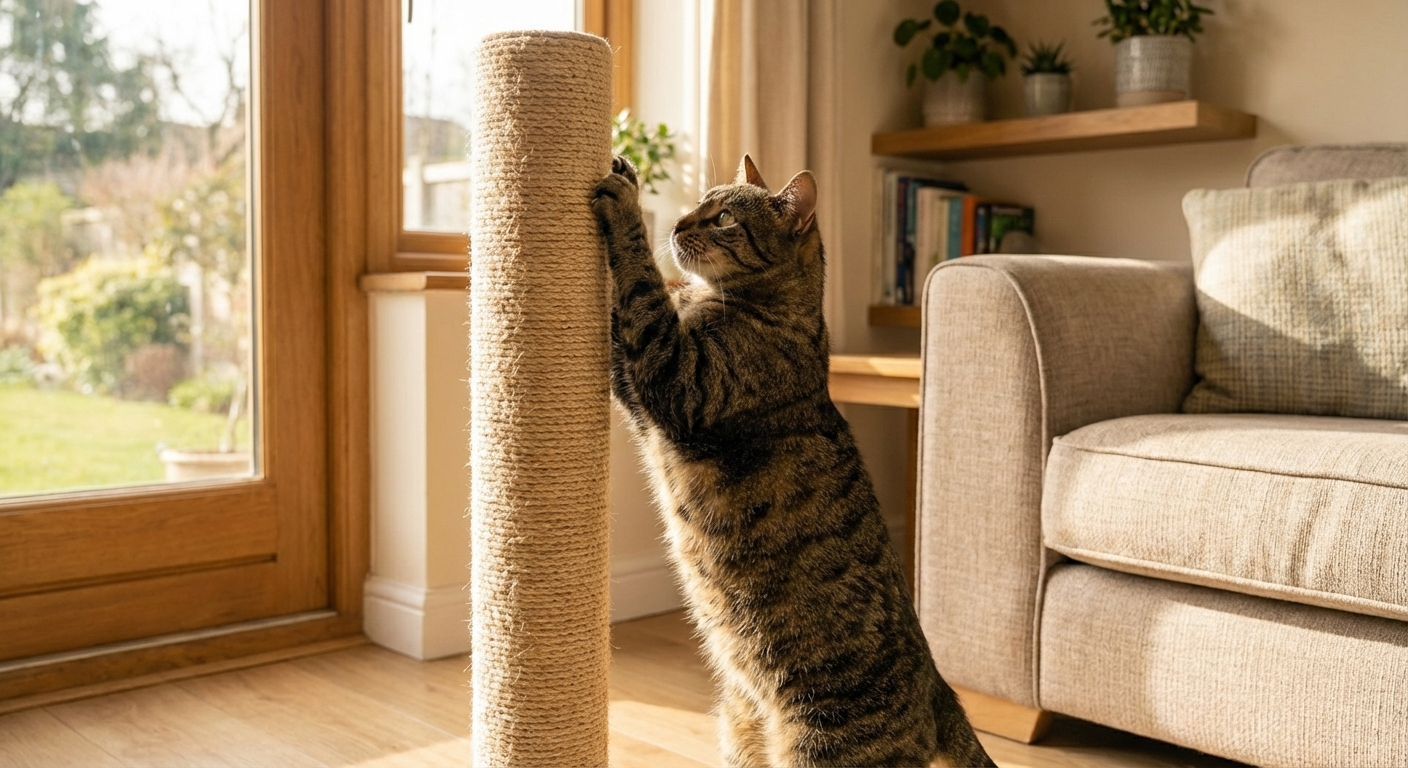
Scratching is normal and healthy. Cats scratch to remove old nail sheaths, stretch their back and shoulders, and leave scent signals from glands in their paws.
Make scratching easy to say yes to
- Give options: at least one tall vertical scratcher and one horizontal scratcher per main area.
- Stability matters: if it wobbles, many cats will not use it.
- Placement matters: put scratchers near sleeping spots and near the furniture they target.
- Reward usage: treats, praise, or play immediately after they use the scratcher.
What not to do
- Avoid yelling or spraying water. It increases stress and can create fear around you.
- Avoid declawing. It is an amputation and is associated with pain and increased behavior problems in many cats.
Litter box behavior: the biggest “secret” is health
If there is one category where I want you to be extra careful, it is litter box changes. Peeing outside the box is not a spite behavior. It is often medical, stress-related, or a box setup problem.
First: rule out medical issues
Contact your vet promptly if you notice any of the following:
- Straining to urinate, crying, frequent trips, or only small drops
- Blood in urine, strong odor changes, or sudden accidents
- Urinating more than usual or drinking more than usual
- Constipation, hard stools, or painful defecation
Urgent: A male cat that cannot pass urine is a life-threatening emergency.
Second: fix the box experience
- Number of boxes: one per cat, plus one extra is a solid rule of thumb.
- Location: quiet, easy access, not next to loud appliances.
- Cleanliness: scoop daily, full wash regularly.
- Litter preference: many cats prefer unscented, fine-grain litter.
- Box size: bigger is usually better. High sides help with kickers, but low entry helps seniors.
Hiding, nighttime zoomies, and sudden aggression
Hiding
Hiding is a normal coping strategy. Provide safe hiding options like covered beds, cat trees, and quiet rooms. If hiding is new and persistent, pair it with a vet check and a stress audit: new pets, guests, construction, schedule changes, or neighborhood cats outside.
Nighttime activity
Cats are naturally crepuscular, meaning most active around dawn and dusk. If your cat is waking you at 3 a.m., try:
- A 10 to 15 minute interactive play session in the evening
- A small meal after play to mimic “hunt then eat”
- Environmental enrichment: window perch, puzzle feeder, rotating toys
Sudden aggression
Common triggers include overstimulation, fear, redirected aggression (for example, seeing another cat through a window), pain, or territorial stress. If aggression appears suddenly, especially in a previously easygoing cat, a medical evaluation is important.
Cat-to-human bonding signals you might miss
- Head bunting and cheek rubs: affectionate scent marking and social bonding.
- Following you room to room: attachment and interest, not always “neediness.”
- Showing their belly: trust, not an invitation to rub. Many cats will bite if you touch the belly.
- Bringing toys: play invitation or “practice hunting” behavior.
- Sleeping near you: safety and social comfort.

The behavior toolkit: what actually works
When you want a behavior to change, think in three steps: meet the need, make the desired behavior easy, and reward the right choices.
- Enrichment daily: short play sessions, climbing options, and foraging toys reduce problem behaviors.
- Consistency: cats thrive on predictable feeding and play routines.
- Positive reinforcement: treats, attention, or play for behaviors you want to see again.
- Reduce stressors: provide multiple resources in multi-cat homes (food, water, boxes, resting spots).
- Scent support: pheromone diffusers may help some cats during transitions and tension.
If your cat’s behavior changes and you cannot link it clearly to an environment change, consider it a health clue first. Cats are masters at hiding pain.
When to call the vet or a behavior pro
Please reach out for help if you see:
- Any litter box change lasting more than 24 to 48 hours
- Not eating for a day, or eating much less than normal
- Sudden aggression, especially if paired with touch sensitivity
- Overgrooming, bald spots, or skin sores
- Ongoing household cat conflict (stalking, blocking access, frequent fights)
A veterinarian can rule out medical causes, and a credentialed behavior professional can build a plan that fits your home and your cat’s personality.