Cats hide illness well. Learn the most reliable signs your cat may be sick—appetite, vomiting, litter box, breathing, pain, and behavior—plus urgent vs e...
Article
•
Designer Mixes
Cat Behavior Explained: Health Guide

Shari Shidate
Designer Mixes contributor
As a veterinary assistant here in Frisco, Texas, I hear a version of the same question almost every week: “Is my cat being difficult… or is something wrong?” Cats are wonderfully subtle. A small change in behavior can be a normal preference, a stress signal, or your earliest clue that a medical issue is brewing.
This guide will help you read common cat behaviors in a practical, health-first way, so you know when to adjust the environment, when to start a simple behavior plan, and when it is time to call your veterinarian.
Start with a health-first mindset
In veterinary medicine, we lean on a simple principle: behavior changes should be treated as potentially medical until proven otherwise. Cats are masters at masking discomfort. What looks like “attitude” may be pain, nausea, itch, anxiety, or confusion.
Quick at-home baseline questions
- Eating and drinking: Any change in appetite, water intake, or food preferences?
- Litter box: Same frequency, same location, same stool quality, same urine volume?
- Energy: Sleeping more, playing less, or hiding?
- Coat and grooming: Overgrooming, dandruff, mats, or a greasy coat?
- Mobility: Hesitating to jump, stiffness, slipping on floors?
If one of these changed recently, keep reading with “health first” in mind.
Common behaviors and what they can mean
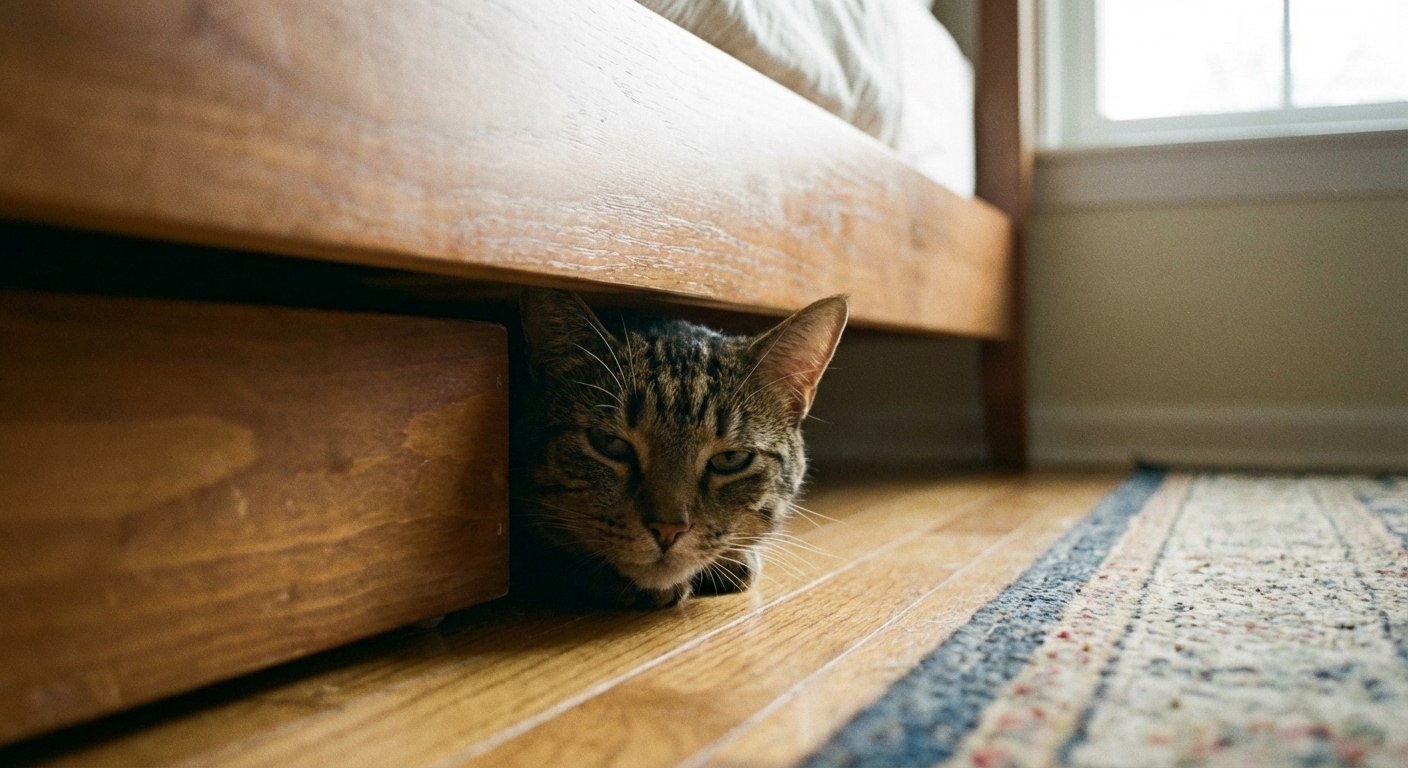
Hiding more than usual
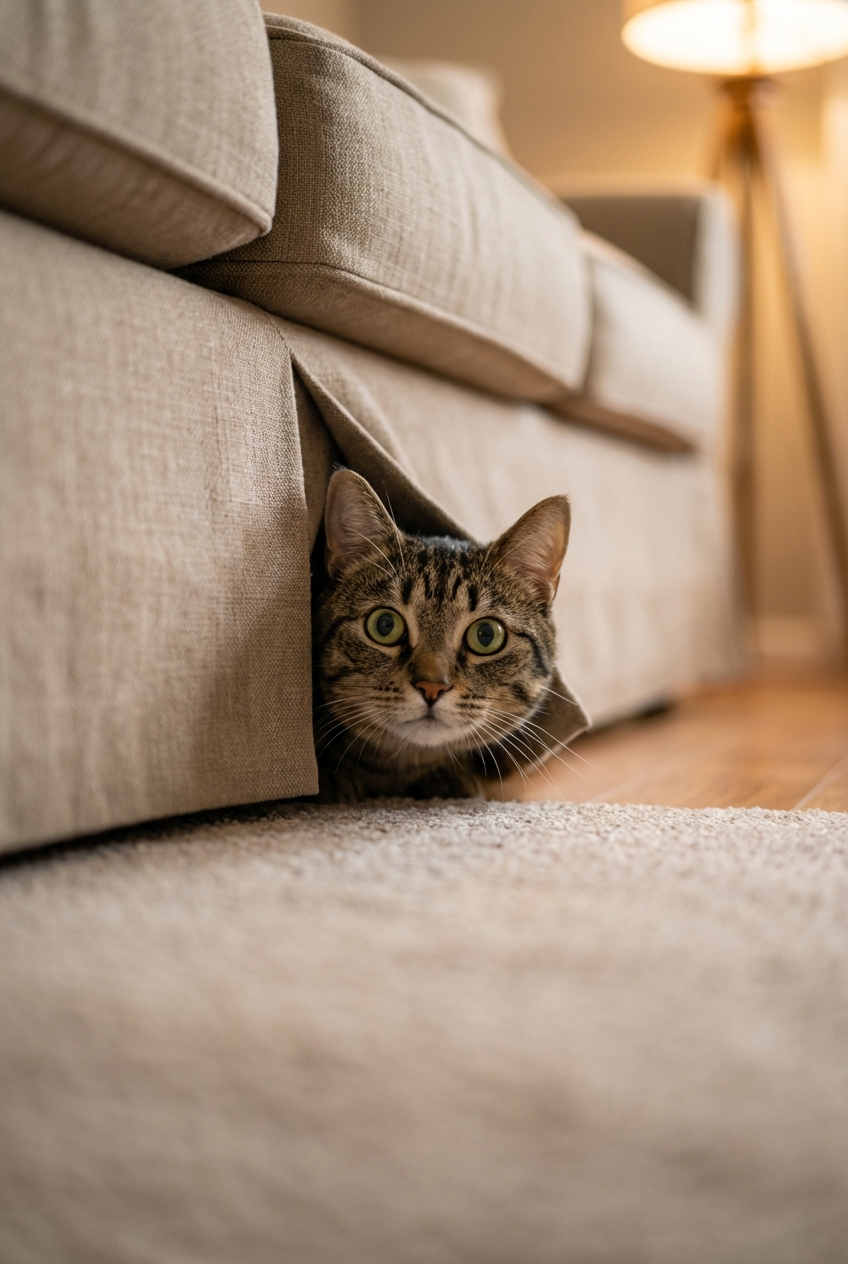
Some cats love a cozy hiding spot. But a sudden increase in hiding is one of the most common signs of illness or pain.
Often linked to: dental pain, arthritis, urinary tract disease, gastrointestinal upset, fever, stress from a new pet or visitor.
Try at home:
- Offer a quiet “safe room” with food, water, litter box, and a comfy bed.
- Track appetite and litter box output daily for 3 to 5 days. Note things like urine clump size and number of clumps, stool frequency, and stool consistency.
Call your vet promptly if: your cat is hiding and not eating, seems painful when touched, or stops using the litter box. If you notice vomiting, lethargy, or rapidly worsening symptoms at any point, skip the home plan and call your veterinarian.
Not using the litter box
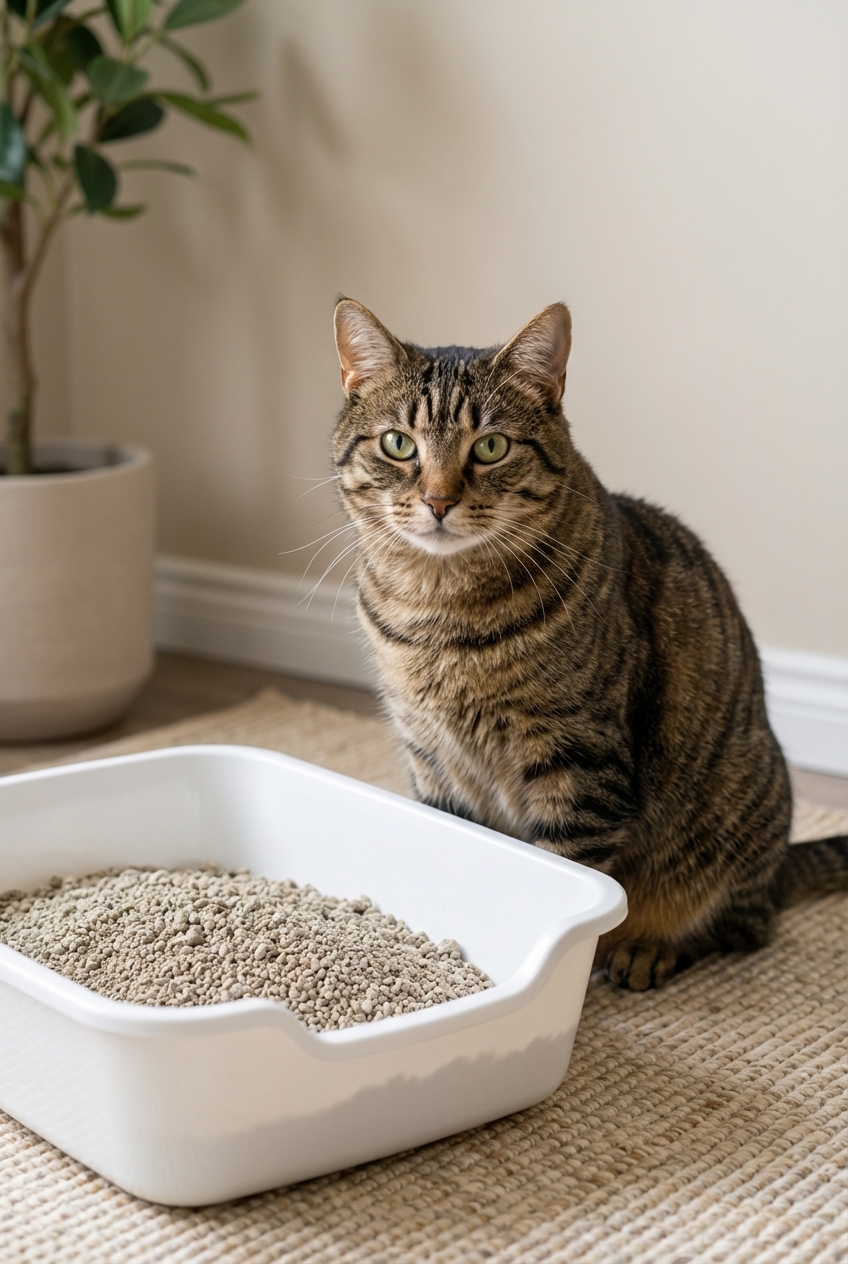
This is one of the biggest “behavior vs health” mix-ups. When litter box habits change, it often signals pain, stress, or an aversion issue, not “spite.”
Often linked to: feline idiopathic cystitis (FIC, a stress-influenced bladder inflammation), bladder stones, constipation, diarrhea, arthritis (hard to climb in), stress, dislike of litter texture, box location, or box cleanliness. True bacterial urinary tract infections can happen, but they are less common in many young and middle-aged cats and are seen more often in older cats or cats with certain medical conditions.
High urgency warning: If your cat is straining to urinate, crying out, going in and out of the box repeatedly, or producing only tiny drops, treat this as an emergency. Male cats can become blocked, and that can be life-threatening quickly.
Try at home (only if your cat is otherwise bright, eating, and urinating normally):
- Use the “1 box per cat + 1 extra” rule and aim for at least one box per floor in multi-level homes.
- Scoop daily. Wash the box as needed with unscented mild soap and hot water, and avoid harsh cleaners (including ammonia or strong-smelling products) that can deter sensitive cats.
- Place boxes in quiet, low-traffic areas, away from loud appliances.
- Try an uncovered box if your cat seems hesitant, especially in multi-cat homes.
- Use a consistent, unscented clumping litter if your cat prefers it, and avoid sudden litter changes when possible.
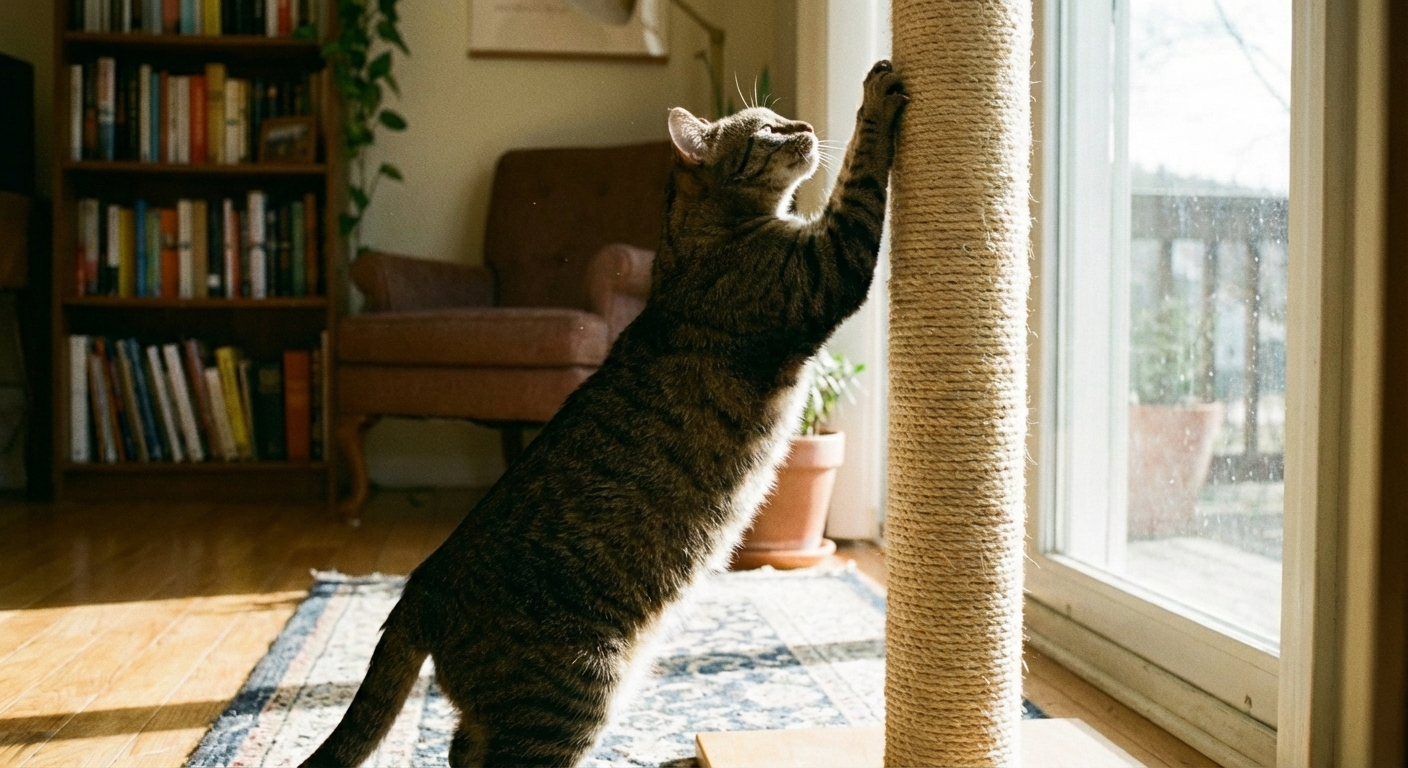
Scratching furniture
Scratching is not misbehavior. It is normal cat maintenance: nail care, stretching, and scent marking.
Often linked to: natural behavior, stress, boredom, lack of appropriate scratch options, nails that are overgrown or uncomfortable.
Try at home:
- Provide both vertical and horizontal scratchers.
- Place a scratcher near the favorite “problem” spot first, then gradually move it.
- Use catnip or silvervine to make scratchers more exciting.
- Trim nails every 2 to 4 weeks, or ask your clinic or groomer for help.
Excessive meowing or yowling
Some cats are chatty. But a change in vocalization deserves attention.
Often linked to: hunger, anxiety, pain, hyperthyroidism (especially in older cats), high blood pressure, cognitive dysfunction in seniors, hearing loss, mating behavior if not spayed or neutered.
Try at home:
- Keep feeding times predictable and avoid rewarding yowling with treats.
- Add 10 to 15 minutes of interactive play daily (wand toys work beautifully).
- For seniors, add night lights and keep furniture layout consistent.
Veterinary tip: In cats over age 7, a wellness exam with lab work can be very helpful if vocalization increased.
Biting or swatting during petting
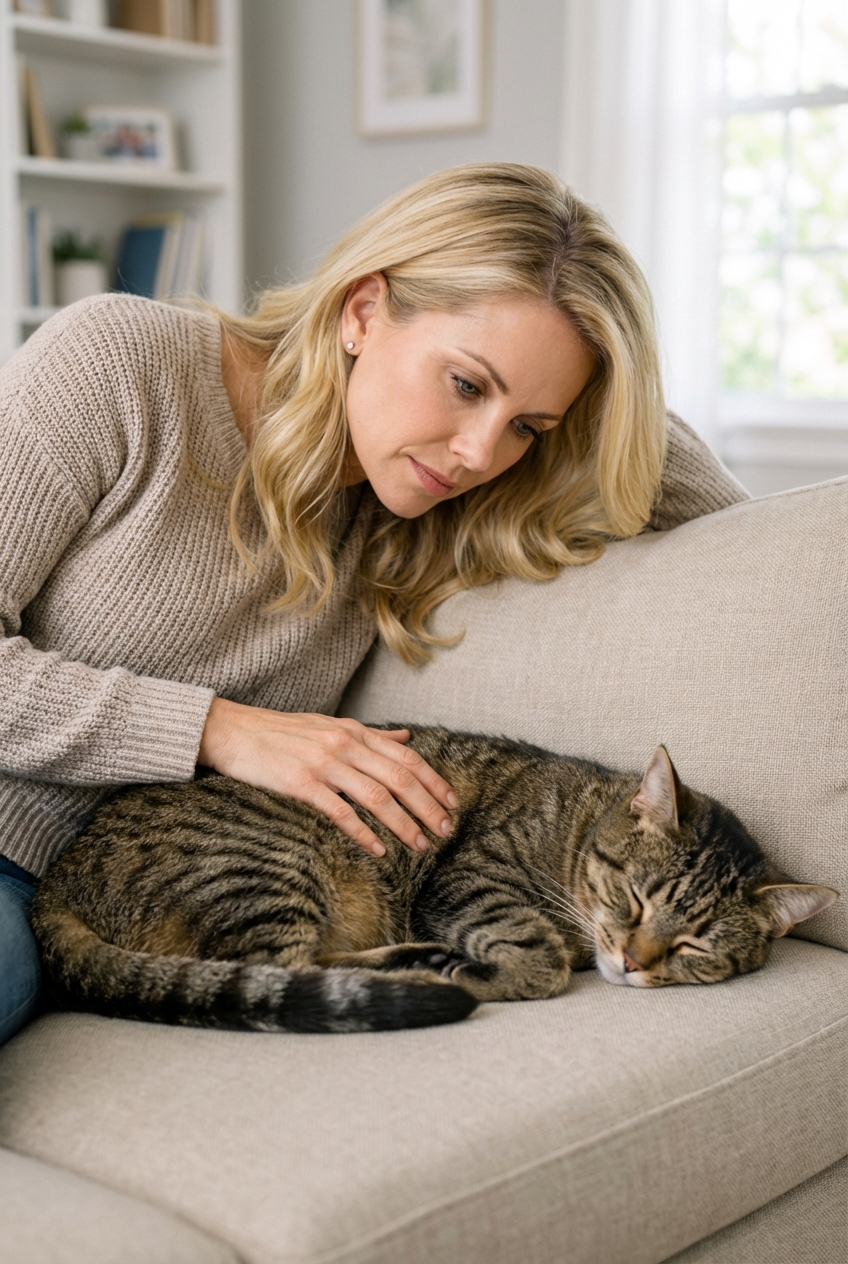
This is often called “petting aggression,” but it is frequently overstimulation or discomfort.
Often linked to: sensitive skin, arthritis, dental pain, fear, past negative experiences, overstimulation.
Try at home:
- Watch for early signals: tail flicking, skin twitching, ears turning sideways, sudden stillness.
- Keep petting sessions short and stop before your cat reaches the tipping point.
- Let your cat initiate contact when possible.
Call your vet if: your cat suddenly becomes touch-avoidant or reacts when you touch a specific area.
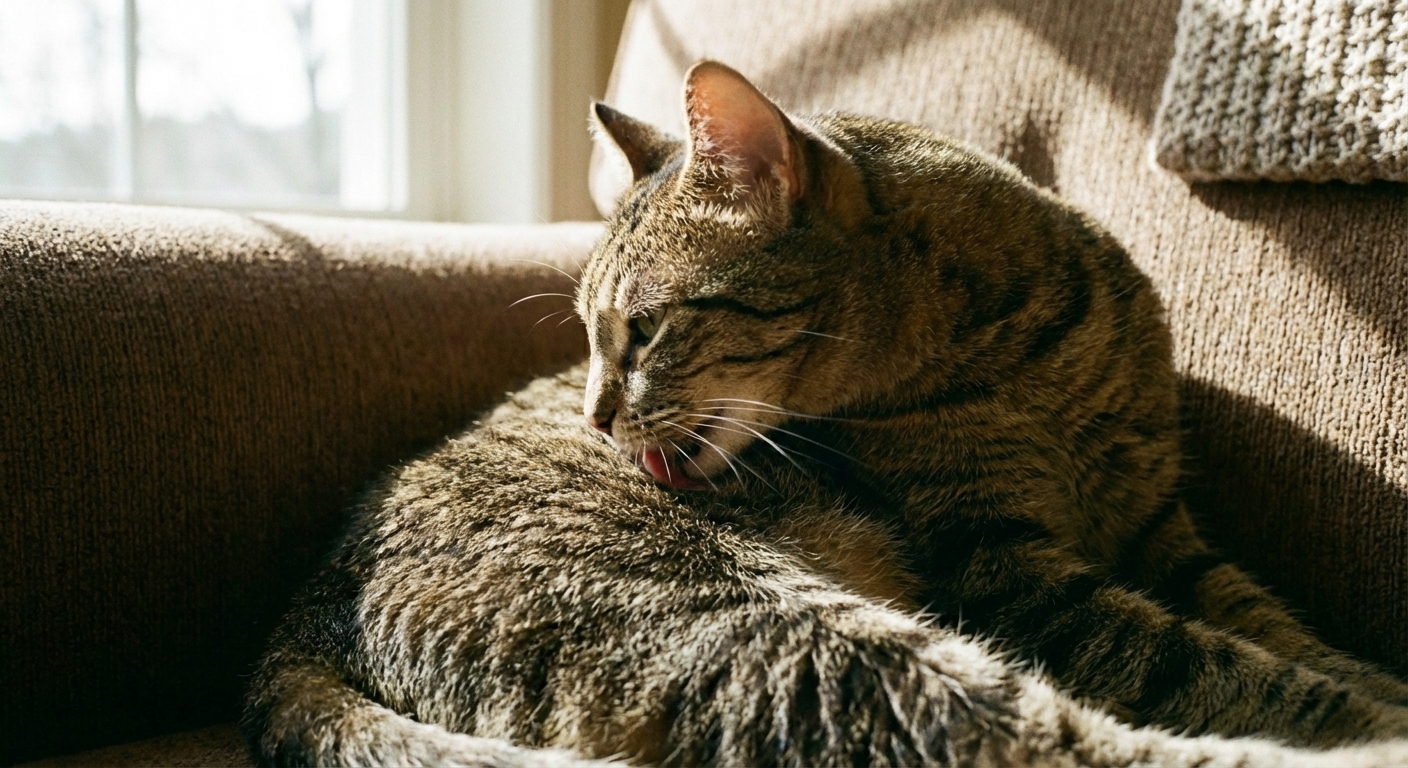
Overgrooming or hair loss
Overgrooming can look like a “neat freak” cat, but it is often itch, pain, or stress.
Often linked to: fleas (even if you do not see them), allergies, skin infection, stress, arthritis (licking joints), urinary discomfort (licking belly).
Try at home:
- Use veterinarian-recommended flea prevention consistently for all pets in the home.
- Add enrichment: window perch, puzzle feeder, daily playtime.
Veterinary tip: Cats can have significant flea allergy dermatitis from a single bite. “No fleas seen” does not always mean “no fleas.”
Stress behaviors: what helps most
Stress is a real health factor for cats, and it can worsen urinary and digestive issues. The good news is that small environmental upgrades can make a big difference.
Calming basics
- Predictable routine: meals, play, and quiet time around the same schedule daily.
- Vertical space: cat trees, shelves, or sturdy window perches help cats feel secure.
- Resource spreading: food, water, and litter boxes in more than one area, especially with multiple cats.
- Enrichment: rotate toys, use puzzle feeders, hide treats for “hunting.”
- Pheromones: plug-in pheromone diffusers can help some cats during transitions, but results vary.
When to see a veterinarian
Please call your veterinarian sooner rather than later if you notice:
- Straining to urinate, frequent trips to the litter box, blood in urine, or crying while urinating
- Not eating for 24 hours (or any time in kittens or medically fragile cats). Cats, especially overweight cats, can be at risk for hepatic lipidosis (fatty liver disease) when they go without food.
- Vomiting repeatedly, diarrhea lasting more than 24 to 48 hours, or black, tarry stool
- Sudden aggression, disorientation, or wobbliness
- Rapid weight loss, increased thirst, or a dramatic change in appetite
- Hiding plus lethargy or pain signals (hunched posture, growling when touched)
If you can, bring helpful notes: when it started, diet changes, photos of the litter box output, and a short video of the behavior. In clinic, that context is gold.
Simple 7-day plan
If your cat seems stable but “off,” this gentle one-week plan helps you gather clues and support your cat without accidentally reinforcing unwanted behaviors. If symptoms escalate (pain, straining, vomiting, lethargy, not eating), stop the plan and call your veterinarian.
Days 1 to 2: Observe
- Write down food intake, water intake, urination, bowel movements, and energy.
- Note triggers: visitors, noise, new litter, construction, new foods.
Days 3 to 5: Improve the environment
- Add one extra litter box or move a box to a quieter location.
- Add a scratching post and a vertical perch.
- Schedule 10 to 15 minutes of play daily.
Days 6 to 7: Reassess
- If the behavior improves, keep the routine.
- If it persists or worsens, schedule a vet visit and bring your notes.
Your cat is not giving you a hard time. Your cat is having a hard time. Looking for the “why” is the kindest, healthiest next step.