Bad cat breath often starts with plaque. Learn the calm, step-by-step method to train and brush your cat’s teeth, what tools to use, how often to brush, an...
Article
•
Designer Mixes
Cat Bad Breath: Causes and When It Signals a Health Problem

Shari Shidate
Designer Mixes contributor
If your cat’s breath suddenly smells “off,” it is easy to assume they ate something gross or need a dental cleaning. Sometimes that is true. But in cats, bad breath can also be an early warning sign of pain, infection, or even internal disease.
As a veterinary assistant, I always tell families this: you do not need to panic, but you do need to pay attention to patterns. A one-time stinky breath after a fishy meal is usually normal. Persistent or suddenly strong odor, especially with behavior changes, deserves a closer look.
Note: This article is educational and not a substitute for veterinary diagnosis or care.
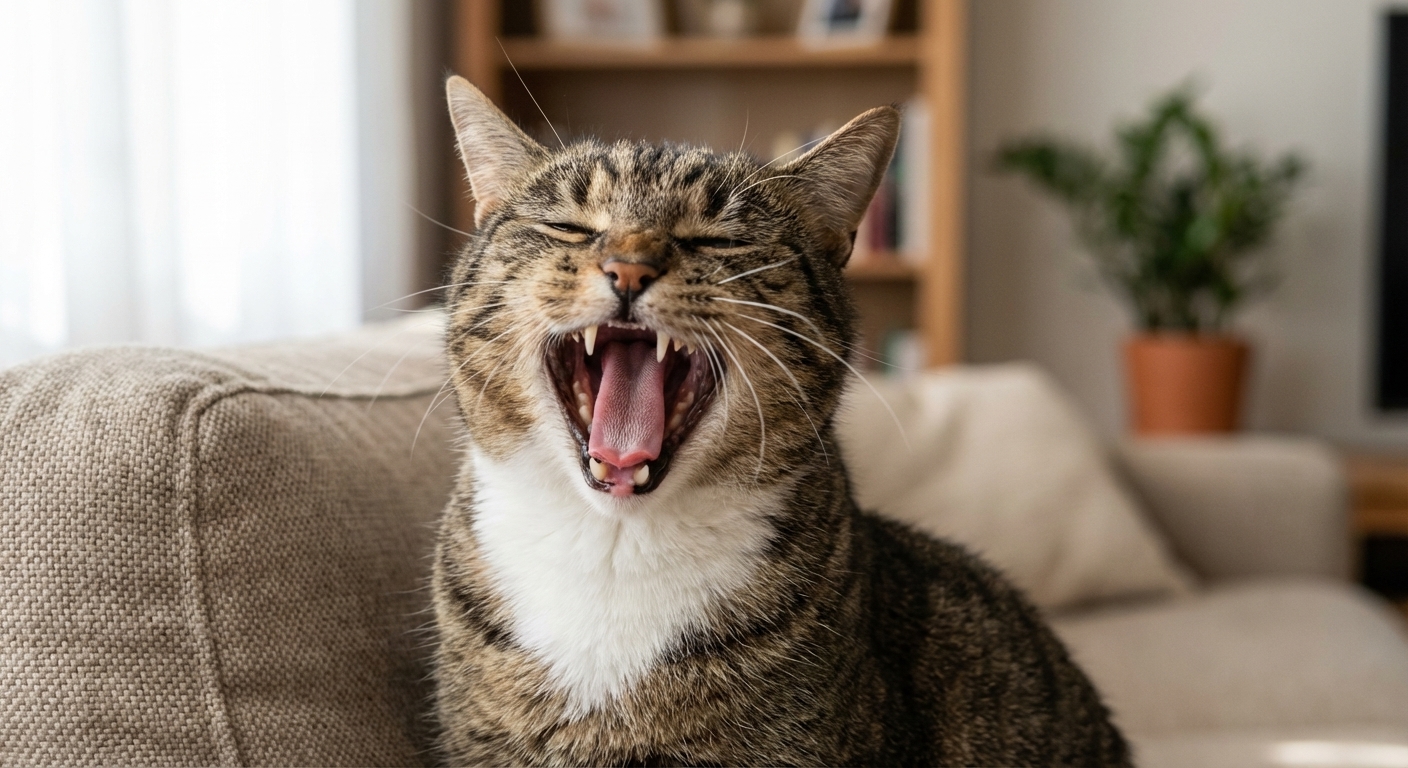
What cat bad breath can smell like (and why it matters)
The type of odor is not a diagnosis, but it can offer helpful clues to discuss with your veterinarian:
- Rotten or “garbage” smell: most often dental disease or oral infection.
- Sweet, fruity, or nail-polish-like: can be seen with diabetes, especially if ketones are present. This is urgent.
- Ammonia-like or urine-like: can occur with kidney disease (uremia).
- Metallic or bloody odor: may suggest gum disease, mouth ulcers, or an oral mass.
- Fishy odor: sometimes diet-related, but it can also happen after grooming the rear end (anal gland area) or with dental disease.
Common causes of cat bad breath
1) Dental disease (the most common cause)
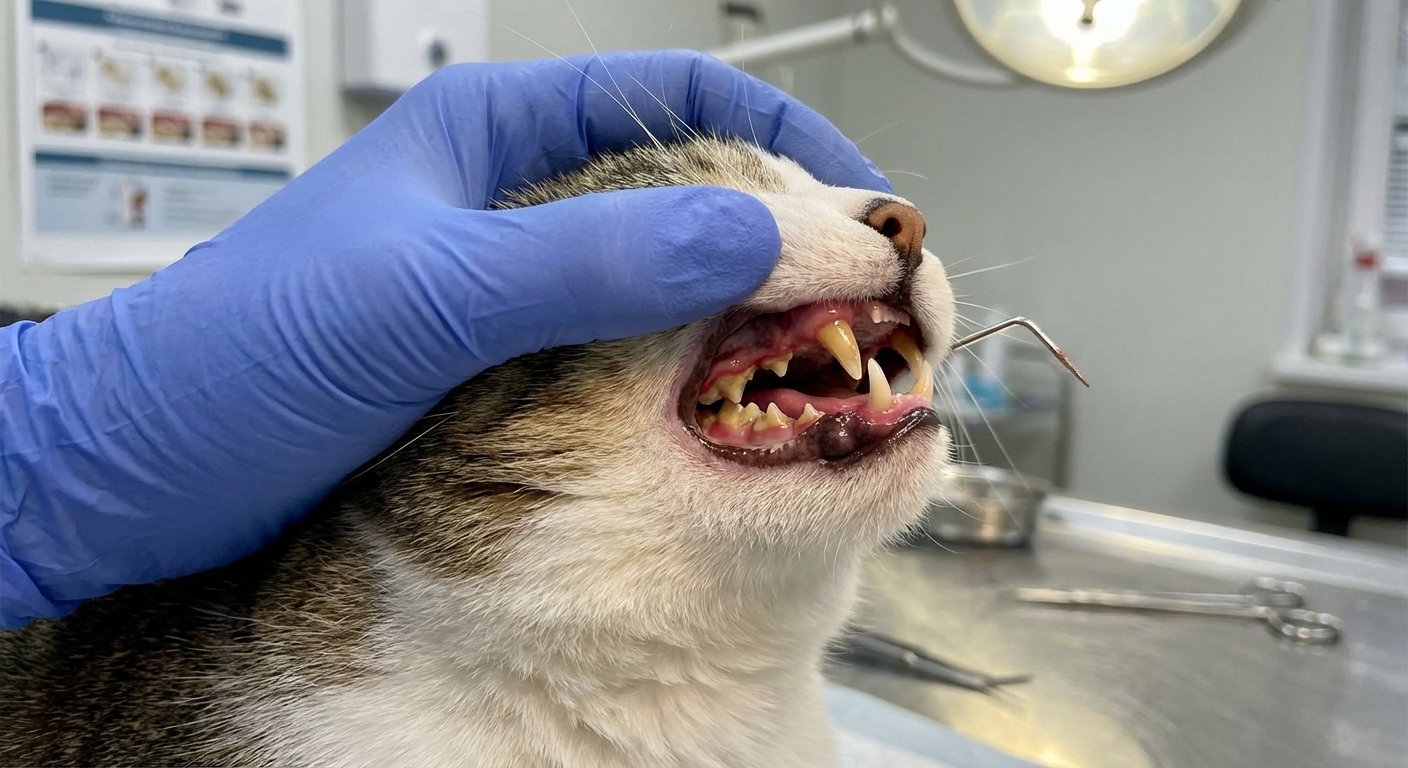
Most persistent halitosis in adult cats comes from dental disease. Plaque hardens into tartar, bacteria inflame the gums (gingivitis), and over time infection can affect the tooth root and jaw (periodontal disease). Cats are incredibly good at hiding oral pain, so bad breath may be the first sign you notice.
Other signs you might see:
- Tartar buildup, especially on the outer upper molars
- Red or bleeding gums
- Dropping food, chewing on one side, or “messy” eating
- Pawing at the mouth
- Less grooming, grumpiness, or hiding more
2) Tooth resorption (FORLs)
Feline odontoclastic resorptive lesions (often called tooth resorption or FORLs) are one of the most common and painful dental problems in cats. In many adult cats, the tooth literally starts to break down from the inside, often near the gumline. These lesions can be hard to see without a full dental exam and dental X-rays, but they can cause severe pain and bad breath.
Clues that can fit tooth resorption:
- Bad breath with otherwise “not too much tartar” visible
- Chattering, flinching, or suddenly acting uncomfortable when the mouth is touched
- Dropping food or walking away from the bowl
- Preferring soft food, chewing strangely, or licking at food instead of biting
If you suspect this, do not wait for it to “settle down.” Cats often keep eating until they simply cannot.
3) Stomatitis (severe mouth inflammation)
Feline chronic gingivostomatitis is a painful inflammatory condition where the immune system overreacts to plaque and bacteria in the mouth. These cats often have very strong breath, bright red tissues, and significant pain.
Red flags that fit stomatitis:
- Bad breath plus loud vocalizing while eating
- Refusing dry food or acting hungry but walking away
- Excess drooling, sometimes with blood
- Weight loss
If you suspect this, do not wait it out. Cats can decline quickly when eating becomes painful.
4) Kidney disease
As kidney function decreases, waste products can build up in the bloodstream. This can create a breath odor some owners describe as ammonia-like or “urine breath.” Chronic kidney disease is common in older cats, and early treatment can meaningfully improve quality of life.
Look for:
- Drinking more water and larger urine clumps in the litter box
- Weight loss and decreased appetite
- Nausea signs such as lip smacking or drooling
- Vomiting
- Dehydration or a dull coat
5) Diabetes (especially if ketones are involved)
Diabetes can cause weight loss despite a good appetite, increased thirst, and increased urination. If the breath smells sweet or fruity, and your cat seems weak, dehydrated, or is vomiting, this can signal diabetic ketoacidosis, which is an emergency.
Urgent signs:
- Sweet or acetone-like breath
- Vomiting, lethargy, rapid breathing
- Not eating
- Weakness or wobbliness
6) Oral tumors or mouth injuries
Cats can develop oral masses, infected ulcers, or wounds (including from string, sharp objects, or bones in some raw diets) that lead to foul breath. Oral cancers in cats can be aggressive, and earlier evaluation is always better.
Watch for:
- A visible lump, swelling, or asymmetry in the face
- Persistent drooling, especially if bloody
- Bad breath plus difficulty eating
- Loose teeth (always abnormal)
7) Diet and temporary breath
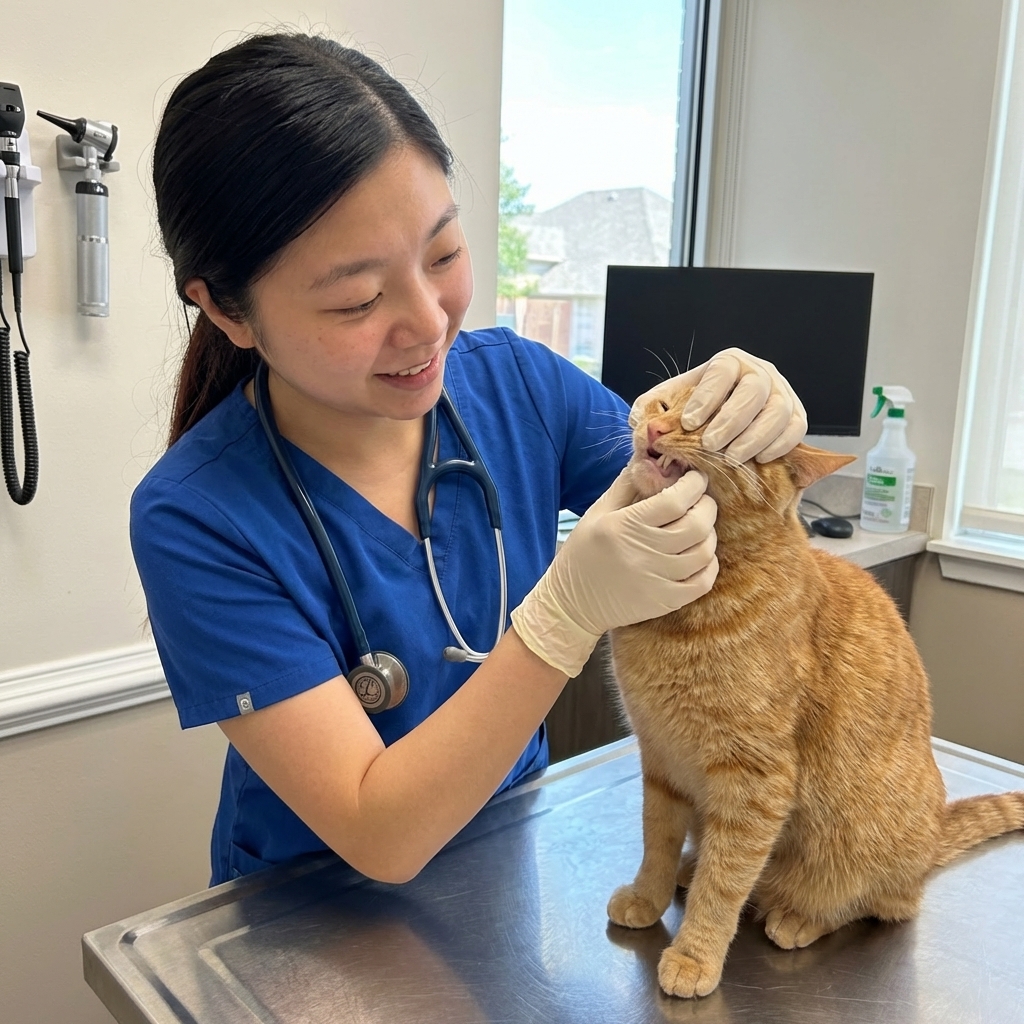
Some breath changes are simply food-related. Fish-based diets, certain treats, and scavenging can cause a short-lived smell. You may also notice a mild “stale” odor if your cat is mildly dehydrated or has been sleeping with their mouth slightly open, but hydration alone rarely fixes true halitosis. If the odor is persistent, think dental or medical causes first.
Usually normal:
- Mild odor that comes and goes
- No gum redness, no drooling, no appetite changes
- No weight loss, vomiting, or behavior changes
8) Stomach and nausea (less common)
Most bad breath in cats starts in the mouth, but severe nausea can sometimes make breath smell unusually foul. If you are seeing vomiting, lip smacking, drooling, or hiding along with bad breath, it is worth bringing up to your veterinarian.
Home checks you can do safely
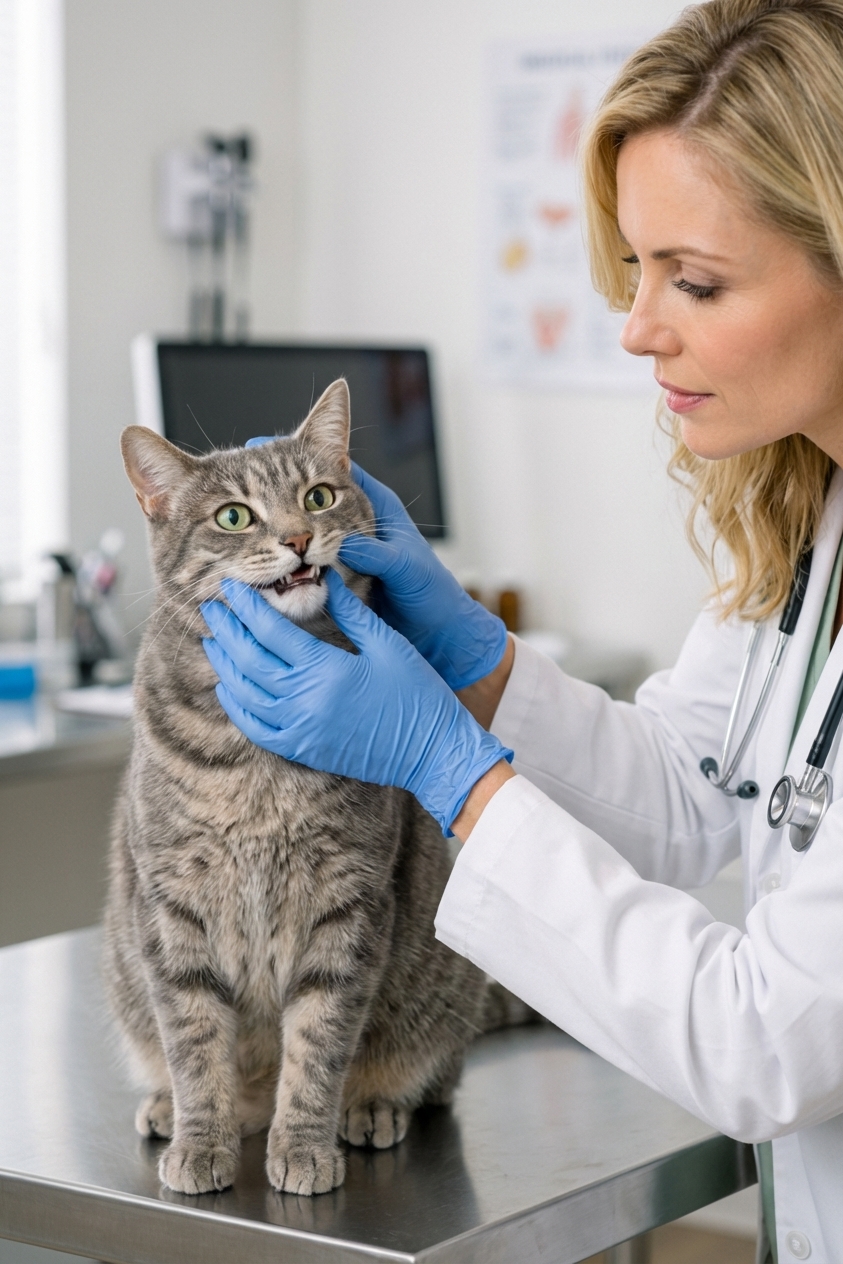
You do not need to pry your cat’s mouth open wide. A gentle “lip lift” is often enough.
Quick 60-second check
- Smell: is it mild, or does it make you step back?
- Gums: healthy gums are typically pink (some cats have natural pigment). Look for redness along the gumline, swelling, or bleeding.
- Teeth: look for yellow-brown tartar near the gumline, fractured teeth, or missing teeth.
- Drool: any ropey saliva or blood-tinged drool is a red flag.
- Eating habits: are they chewing differently, dropping kibble, or avoiding crunchy food?
Tip: If your cat is not used to handling, wrap them in a towel like a “kitty burrito,” keep it calm and brief, and stop if either of you gets stressed. A stressed cat can bite quickly.
What not to do at home
- Do not scrape tartar with tools. You can injure gums or crack a tooth.
- Do not use human toothpaste or mouthwash. Human products are not meant to be swallowed, and ingredients like fluoride, detergents (foaming agents), alcohol, essential oils, and in some products xylitol can be harmful to pets.
- Do not assume “they are eating, so they are not in pain.” Cats often eat despite significant dental pain.
When bad breath is a red flag
Call your veterinarian promptly if bad breath is paired with any of the following:
- Not eating or eating less for more than 24 hours
- Drooling, especially with blood
- Visible mouth sores, swelling, or a lump
- Pawing at the mouth, chattering, or crying when eating
- Weight loss, vomiting, increased thirst, or increased urination
- Sweet, fruity, or ammonia-like breath odors
- Lethargy or hiding more than usual
Same-day urgent care: sweet or acetone-like breath with vomiting or lethargy, significant mouth bleeding, trouble breathing, or a cat that cannot or will not eat.
What to expect at a vet dental exam
Many owners expect a quick look at the teeth and a toothbrush. In reality, a proper dental evaluation in cats often includes steps that can only be done safely with anesthesia.
1) The exam and history
Your vet team will ask about appetite, weight change, drooling, vomiting, drinking and urination changes, and any diet changes. They will examine the mouth as much as your cat allows, along with the face and jaw for swelling or pain.
2) Recommended testing (when indicated)
- Bloodwork and urinalysis: helps assess kidney function, diabetes, and anesthesia safety.
- Blood pressure: commonly checked in older cats or suspected kidney disease.
3) Dental cleaning under anesthesia
A thorough dental cleaning includes scaling above and below the gumline, polishing, and a full oral exam. This is where hidden problems are often found, like tooth resorption (FORLs) or infected tooth roots.
4) Dental X-rays
Dental radiographs are especially important in cats because many painful issues are below the gumline. X-rays help identify root infections, resorption, and bone loss.
5) Treatment, including extractions when needed
If there is severe periodontal disease, stomatitis, resorptive lesions, or fractured teeth, extractions may be recommended. This can sound scary, but cats often feel dramatically better once painful teeth are removed.
Helping prevent bad breath long-term
The goal is less bacteria, less inflammation, and earlier intervention.
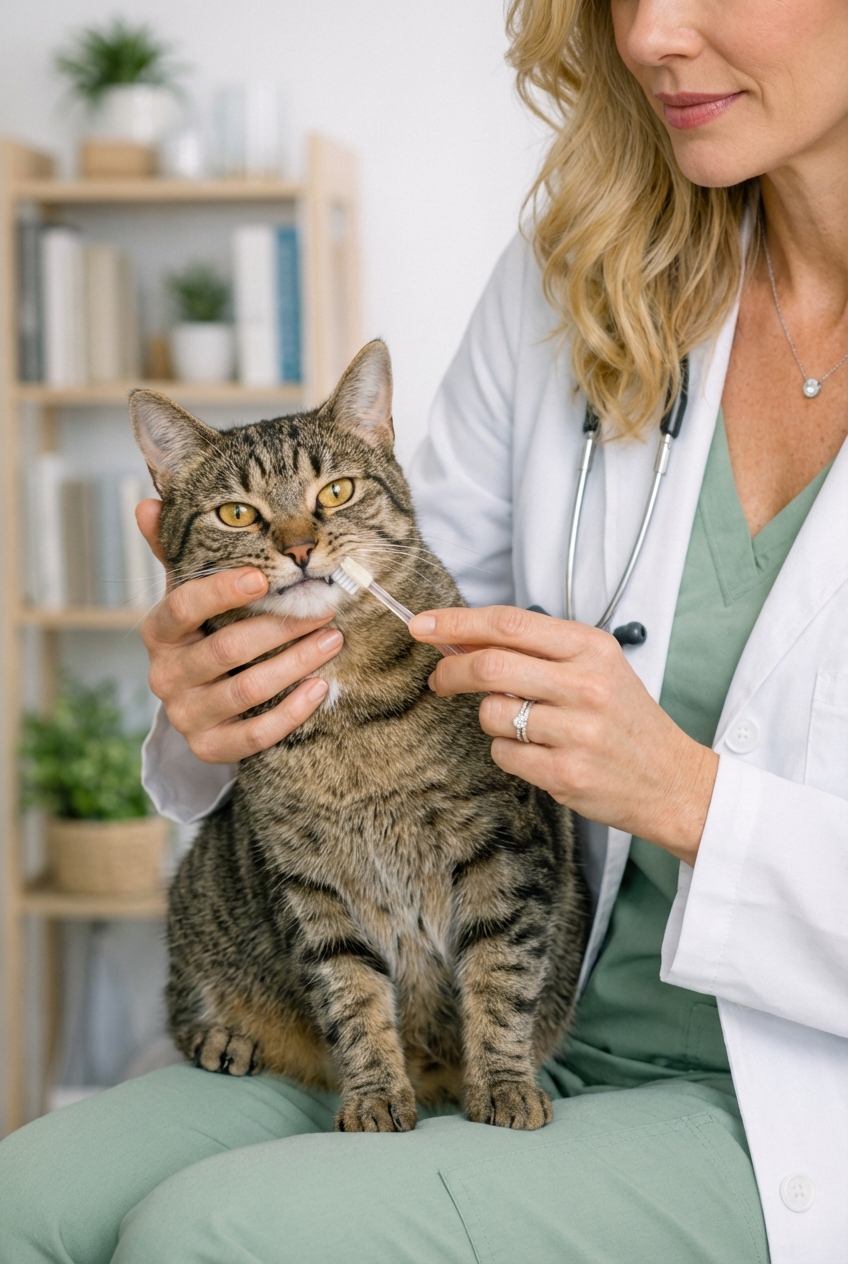
- Daily or near-daily tooth brushing with cat-safe toothpaste is the gold standard. Start slow with tiny sessions and lots of praise.
- Dental treats and diets can help some cats, but they are not a substitute for brushing and professional care. If you want a simple filter, ask your vet about VOHC-accepted options.
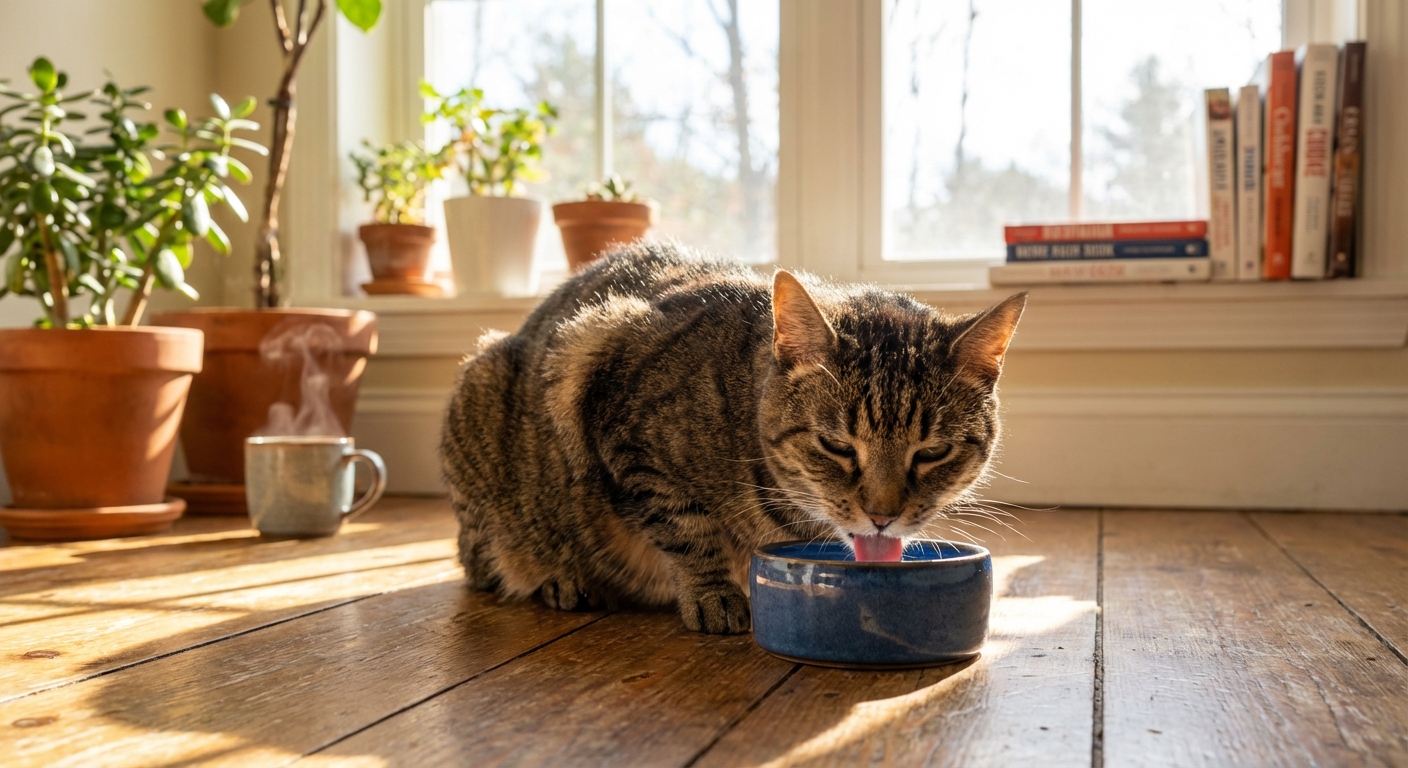
- Water intake support such as a pet water fountain and wet food can support overall health, especially for cats prone to kidney issues.
- Cat-safe dental additives can help some households, but quality varies. Ask your veterinarian what is appropriate for your cat.
- Regular vet visits to catch tartar and gum inflammation before it becomes painful disease.
If you take only one thing from this article, let it be this: persistent bad breath is not a “cosmetic” issue in cats. It is often a sign of inflammation or disease, and addressing it early can save your cat pain later.
Bottom line
A cat’s bad breath may be as simple as dental plaque, or as serious as kidney disease or diabetes. If the odor is new, strong, persistent, or paired with appetite or behavior changes, it is worth a veterinary visit. The good news is that many causes of halitosis are treatable, and cats often perk up noticeably once their mouth pain is addressed.