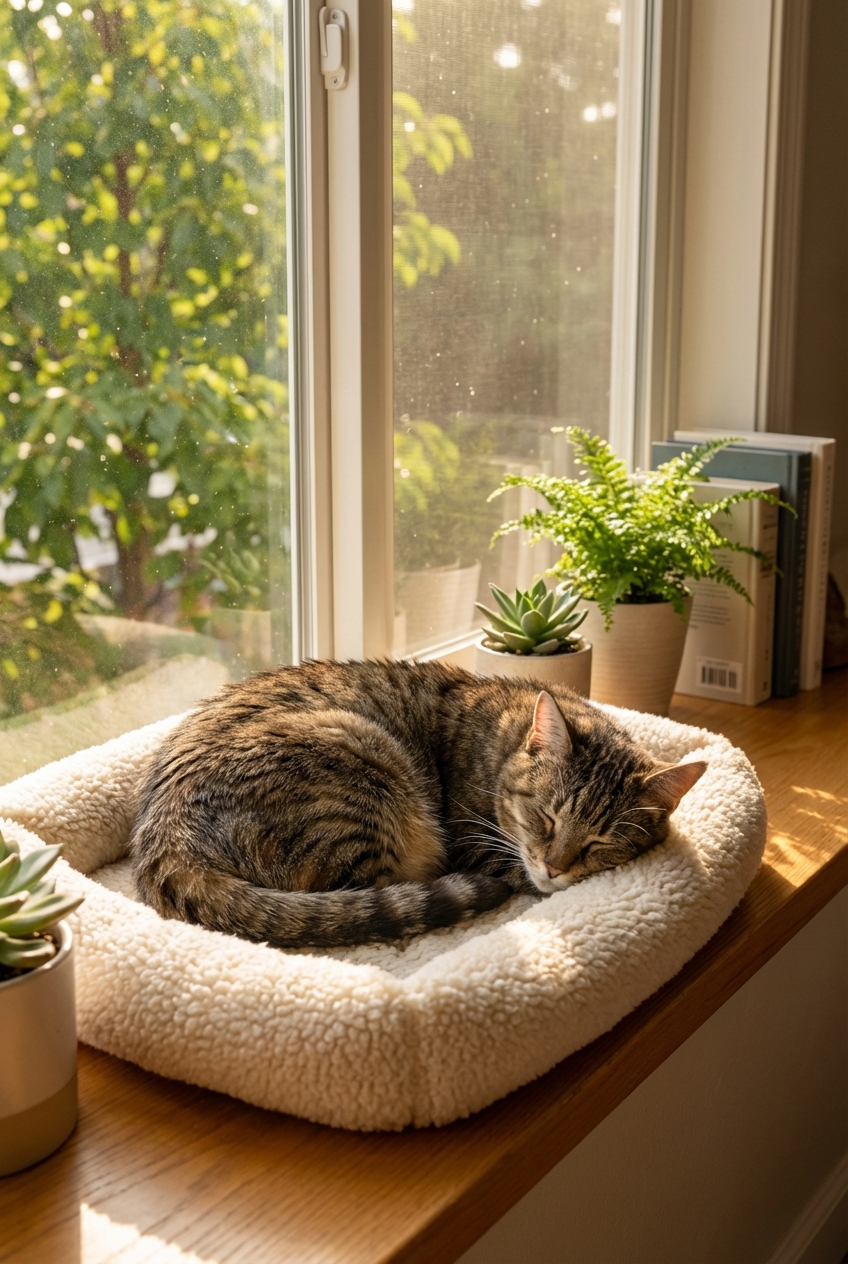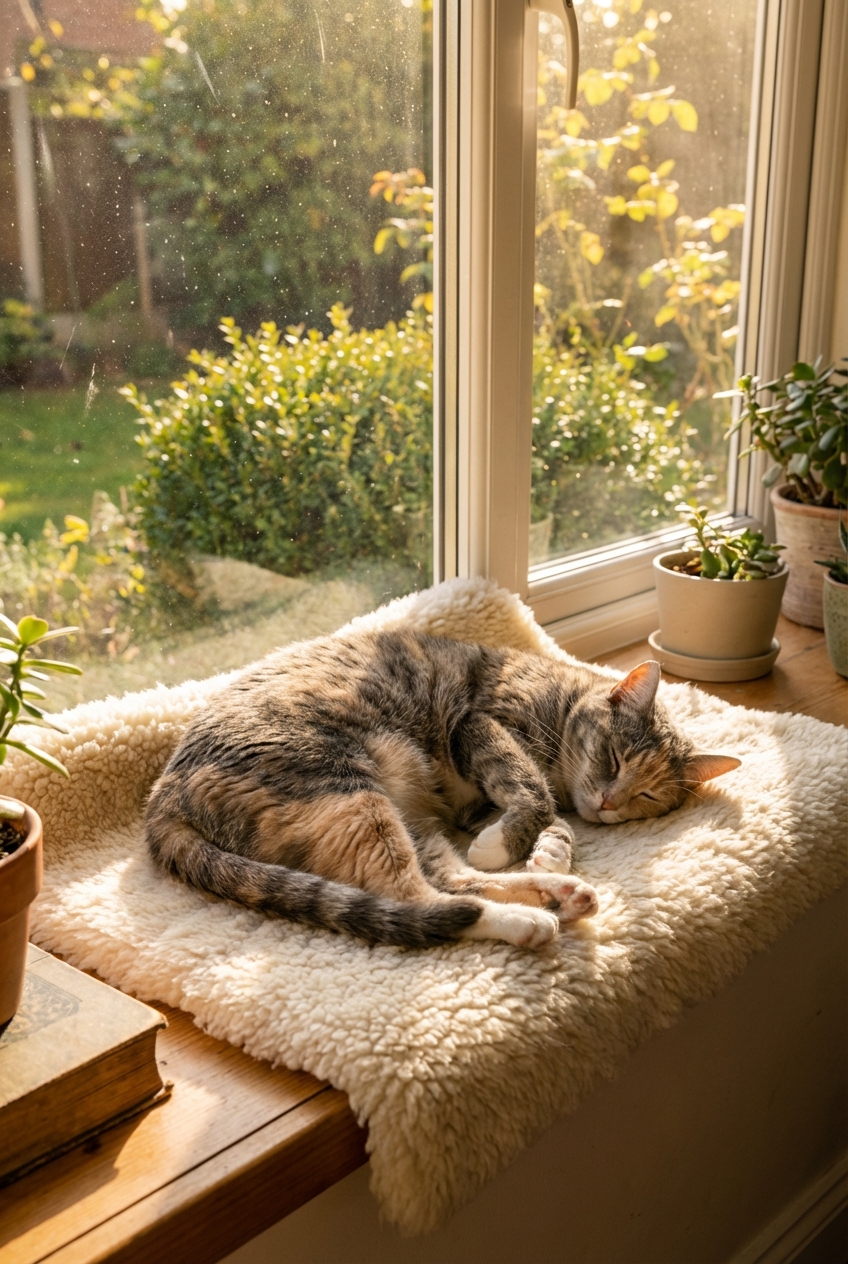
Cats hide pain. Learn the early, subtle signs of feline arthritis—mobility, mood, grooming and litter box clues—plus an at-home check, vet diagnosis, and...
Article
•
Designer Mixes
Cat Arthritis Symptoms and Care Tips

Shari Shidate
Designer Mixes contributor
Arthritis is a very common cause of chronic pain in cats, especially as they age, and it is often missed because the signs can look like “just getting older.” The tricky part is that cats are masters at hiding discomfort. Instead of obvious limping, you might just notice your cat is slowing down, jumping less, or acting a little grumpy.
The good news is that feline arthritis is very manageable. With the right veterinary plan and a few home changes, many cats regain comfort, confidence, and playfulness.
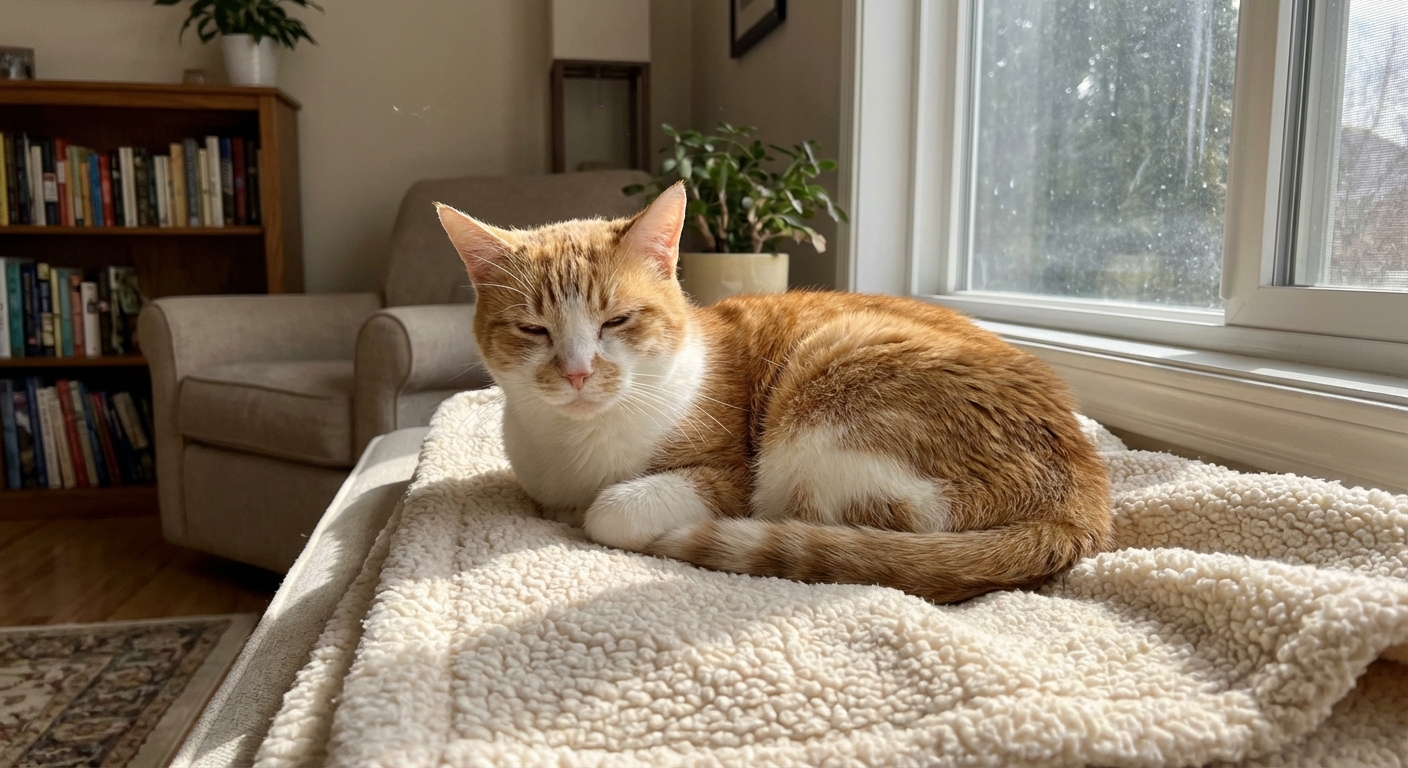
What arthritis looks like
Arthritis (also called osteoarthritis or degenerative joint disease) happens when joint cartilage wears down and inflammation builds up. In cats, it most commonly affects the hips, knees, elbows, and spine.
Studies using X-rays (radiographs) show that arthritic changes are common in older cats, but many cats do not show dramatic outward signs. That is why “behavior clues” matter so much. Also, pain and X-ray findings do not always match perfectly. Some cats have significant pain with subtle radiographic changes, and some have clear changes on X-ray but relatively mild signs at home.
Common cat arthritis signs
These are well-recognized signs pet parents report and veterinarians commonly see. You do not need to see all of them to suspect arthritis.
Movement and mobility
- Jumping less often or hesitating before jumping onto beds, couches, or window perches
- Choosing lower surfaces or using “stepping” behavior instead of one clean leap
- Stiffness after naps or first thing in the morning
- Slower walking pace, shorter strides, or looking tight through the hips
- Limping that comes and goes, especially after activity
- Difficulty going up or down stairs
- Trouble getting into or out of the litter box
Grooming and coat
- Less grooming overall, leading to a greasy coat or dandruff
- Matting along the back or near the tail base where bending hurts
- Overgrooming a painful joint area
- Claws becoming overgrown because scratching and normal wear are reduced
Behavior and mood
- Irritability when touched, picked up, or brushed in certain areas
- Less play and less interest in climbing or chasing
- More hiding or sleeping in unusual spots
- Changes in social behavior, such as not greeting you at the door
Litter box and appetite
- Accidents just outside the litter box (not “spite,” often discomfort)
- Constipation that may be worsened by reduced movement or a painful posture while eliminating
- Reduced appetite in some cats due to chronic pain and stress
If your cat is missing jumps, grooming less, or acting “older,” it is worth investigating. Aging is not a diagnosis. Pain is.
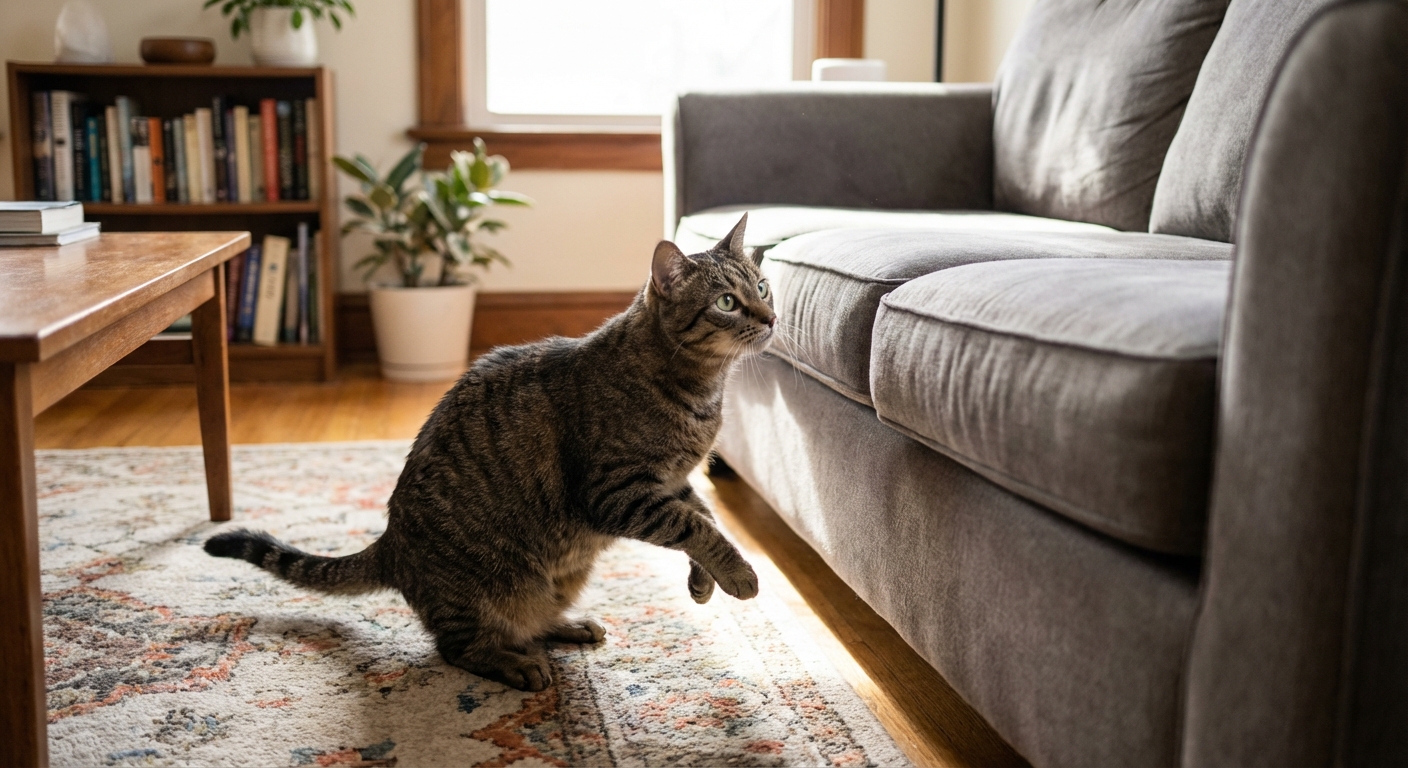
When to call the vet now
Arthritis is common, but it is not the only cause of mobility changes. Contact your veterinarian promptly if you notice:
- Sudden inability to walk, stand, or use a limb
- Crying out, open-mouth breathing, or signs of severe pain
- Dragging a back leg, knuckling, or loss of bladder control
- Not eating for 24 hours or more
- Rapid weight loss, extreme lethargy, or repeated vomiting
These signs can point to urgent issues like injury, blood clots (aortic thromboembolism), neurologic disease, or other pain sources that need immediate care.
How vets diagnose arthritis
Your vet will usually combine several tools to reach a confident diagnosis:
- History and behavior changes: Your observations are incredibly valuable.
- Physical exam: Looking for reduced range of motion, muscle loss, joint thickening, and pain responses.
- Gait and posture assessment: Sometimes done on a non-slip floor or with video you bring from home.
- X-rays (radiographs): Helpful to confirm joint changes and rule out other issues, with the important caveat that X-rays do not measure pain.
- Bloodwork: Often recommended before starting long-term medications, especially in older cats.
Tip from the clinic: take a short video of your cat walking, jumping, using stairs, or entering the litter box. Cats often freeze at the vet, and video helps your veterinarian see what you see at home.
Care tips that help
Managing arthritis works best as a comfort plan, not a single product. Think: reduce pain, reduce strain, and keep muscles strong.
1) Make your home joint-friendly
- Add steps or ramps to beds, couches, and favorite window spots.
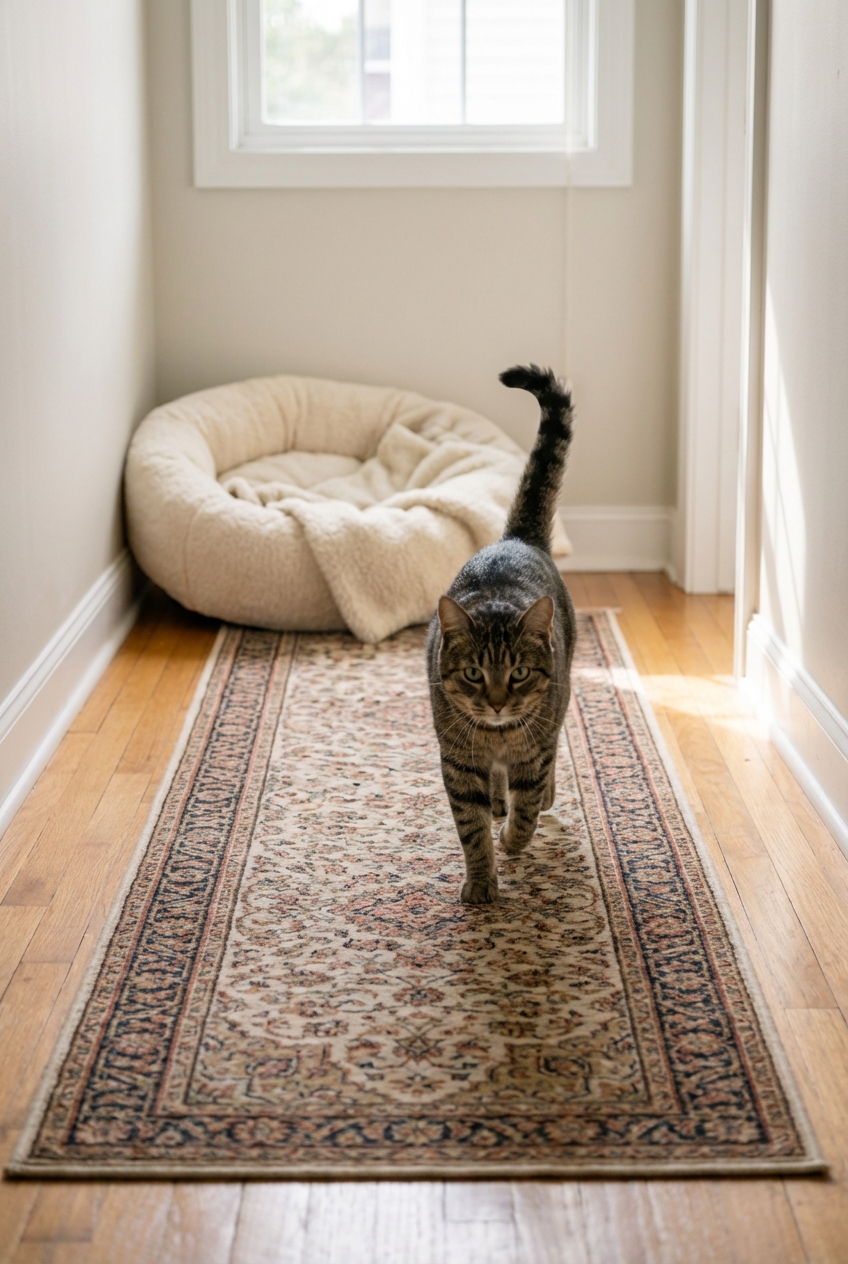
- Use non-slip surfaces like runner rugs or yoga mats on slick floors.
- Provide soft, supportive bedding in warm, quiet areas. Some cats also love a gently heated bed, but use a pet-safe warmer and make sure your cat can move away from the heat.
- Elevate food and water slightly if bending seems uncomfortable.
2) Upgrade the litter box
- Choose a low-entry box or a storage-tote style with a cut-out doorway.
- Offer more than one box, especially in multi-level homes.
- Keep boxes easy to reach so your cat does not have to do stairs when sore.
- Use soft, unscented litter that is gentle on sensitive paws.
3) Keep a lean body weight
This is one of the most evidence-supported arthritis strategies. Less weight means less pressure on painful joints. Ask your veterinarian for a target weight and a calorie plan. Avoid sudden dieting, especially in overweight cats, because rapid weight loss can trigger hepatic lipidosis (a dangerous liver condition).
4) Encourage gentle movement
- Short play sessions with wand toys, tossed treats, or slow “stalk and pounce” games
- Food puzzles that encourage mild activity
- Set up favorite resources (bed, water, litter) so your cat moves, but does not have to overdo it
If your cat seems worse after play, that is a sign to scale back and talk to your vet about better pain control.
5) Talk to your vet about comfort therapies
Many cats do best with a combination approach. Options your vet may discuss include:
- Pain relief medications tailored to cats. This can include cat-appropriate anti-inflammatory medications or other pain modulators, with careful dosing and monitoring.
- Long-acting injectable pain control for chronic osteoarthritis in some patients, depending on what is available in your region and what is appropriate for your cat.
- Joint-support supplements such as omega-3 fatty acids or other veterinary-recommended products
- Physical rehabilitation and gentle therapeutic exercises
- Acupuncture or laser therapy when available and appropriate
Because cats are sensitive to many drugs, always use veterinary guidance for dosing and safety monitoring. Never give human pain medications to cats. Even small doses can be toxic.
6) Nail and traction support
Arthritic cats often struggle with traction, and overgrown nails can make footing worse. Regular nail trims, scratchers that are easy to use, and grippy surfaces can make daily movement feel safer.
Nutrition for joint support
Food will not cure arthritis, but the right nutrition can support mobility and help with weight management and inflammation.
- Omega-3s (EPA and DHA) are one of the better-supported supplements for joint inflammation. The evidence base is stronger in dogs than cats, but omega-3s are still commonly recommended for cats. Your vet can suggest a cat-safe product and dose.
- High-quality protein helps maintain muscle mass, which protects joints.
- Hydration matters. Many cats do well with some wet food added for moisture, especially if constipation is a concern.
If you are interested in homemade diets for a cat with arthritis, please do not guess. Cats have very specific nutrient requirements, and homemade plans should be built with your veterinarian or a board-certified veterinary nutritionist.
Risk factors to know
Arthritis can affect any cat, but it is more likely when other factors are in play. Common risk factors include aging, obesity, previous injury, and other conditions that change how a cat moves or carries weight.
How to track progress
Once treatment begins, improvement can be subtle at first. Watch for:
- More frequent jumping or easier stair use
- More grooming and a healthier coat
- More play, exploring, and social time
- Fewer litter box accidents and a more comfortable posture
- A more relaxed, less guarded body position while resting
Keep a weekly note on your phone. Arthritis care is a long-term project, and small wins add up.
Bottom line
Cat arthritis is common, painful, and often missed because the symptoms look like normal aging. If you are seeing changes in jumping, grooming, mood, or litter box habits, trust your instincts and schedule a vet visit.
With pain control, home modifications, and healthy weight support, many arthritic cats feel like themselves again. They may not act like kittens, but they absolutely can be comfortable.