Recognize cat anxiety signs like hiding, over-grooming, vocalizing, and litter box changes. Learn vet-first red flags plus home steps—routine, play, enrich...
Article
•
Designer Mixes
Cat Anxiety Symptoms: When to See a Veterinarian

Shari Shidate
Designer Mixes contributor
Anxious cats are often mislabeled as “moody” or “stubborn,” but anxiety is a real medical and behavioral issue that can show up in quiet, easy-to-miss ways. As a veterinary assistant, I have seen cats improve dramatically once their stress triggers are identified and a health problem is ruled out. The key is knowing what’s normal for your cat, and recognizing when changes are trying to tell you something important.
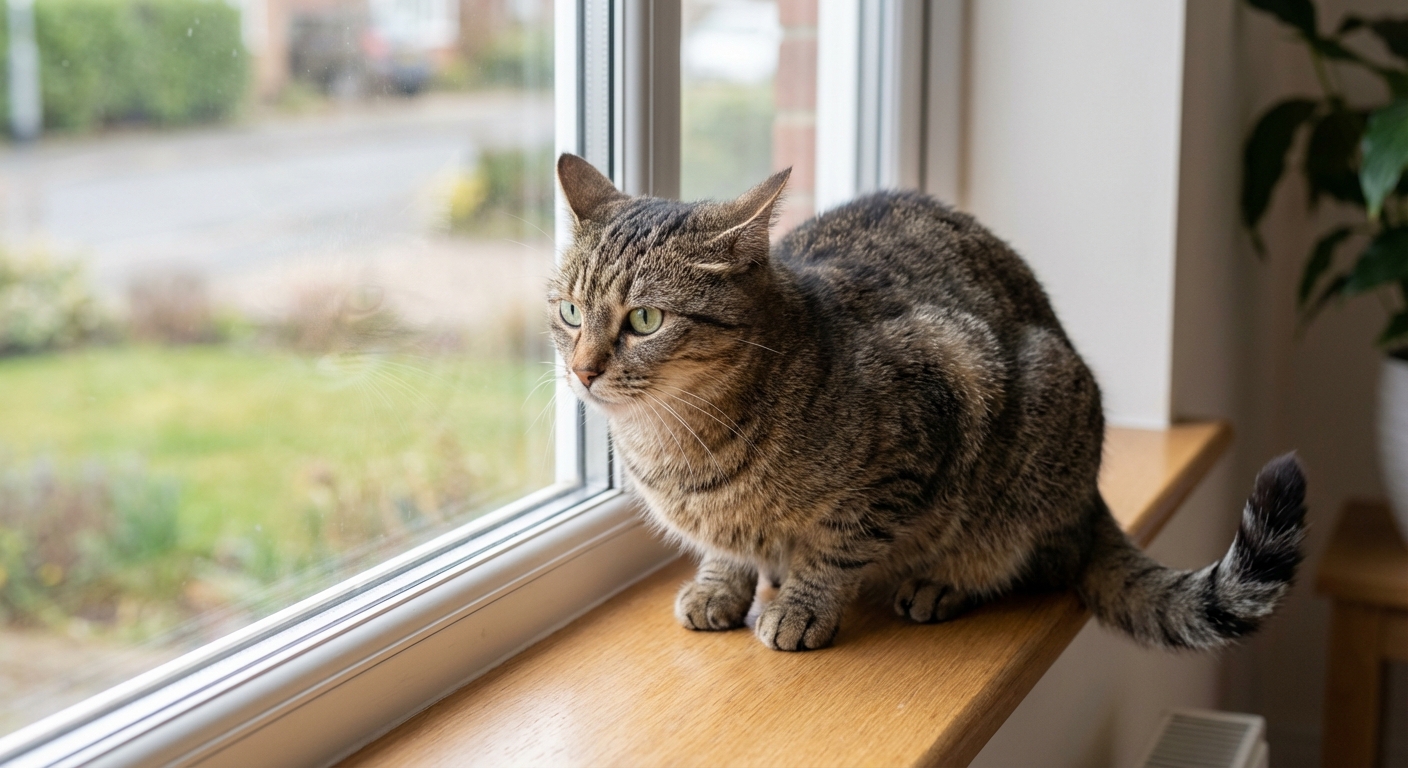
Common stress triggers I see include moving (even rearranging furniture), a new baby or roommate, schedule changes, a new litter or litter box location, construction noise, and even unfamiliar neighborhood cats visible through a window.
This article is not a diagnosis. Your veterinarian can help you sort out what is stress, what is pain or illness, and what to do next.
What cat anxiety can look like
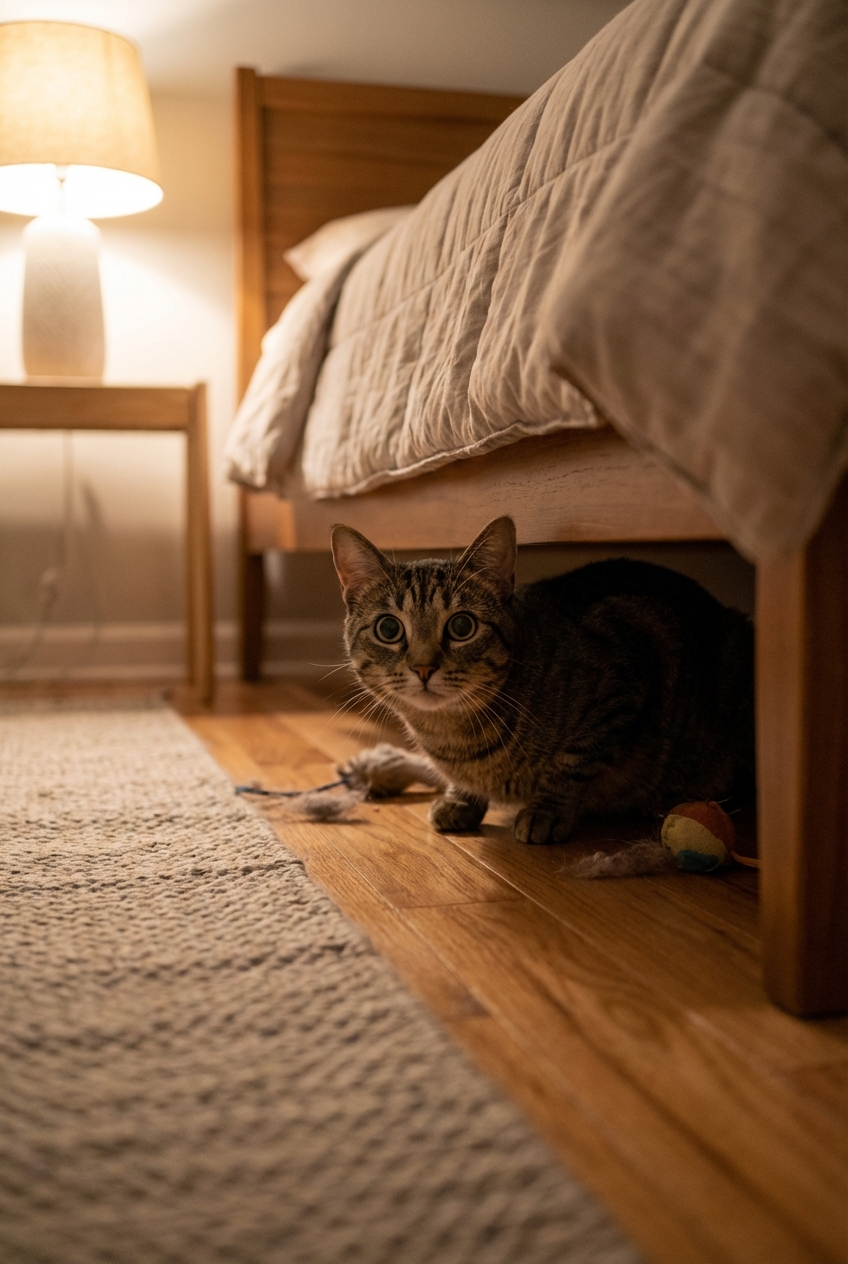
Cats tend to express anxiety through behavior changes and body language. Some signs are obvious, like hiding. Others, like appetite changes or over-grooming, can be mistaken for “just being a cat.”
Behavior signs
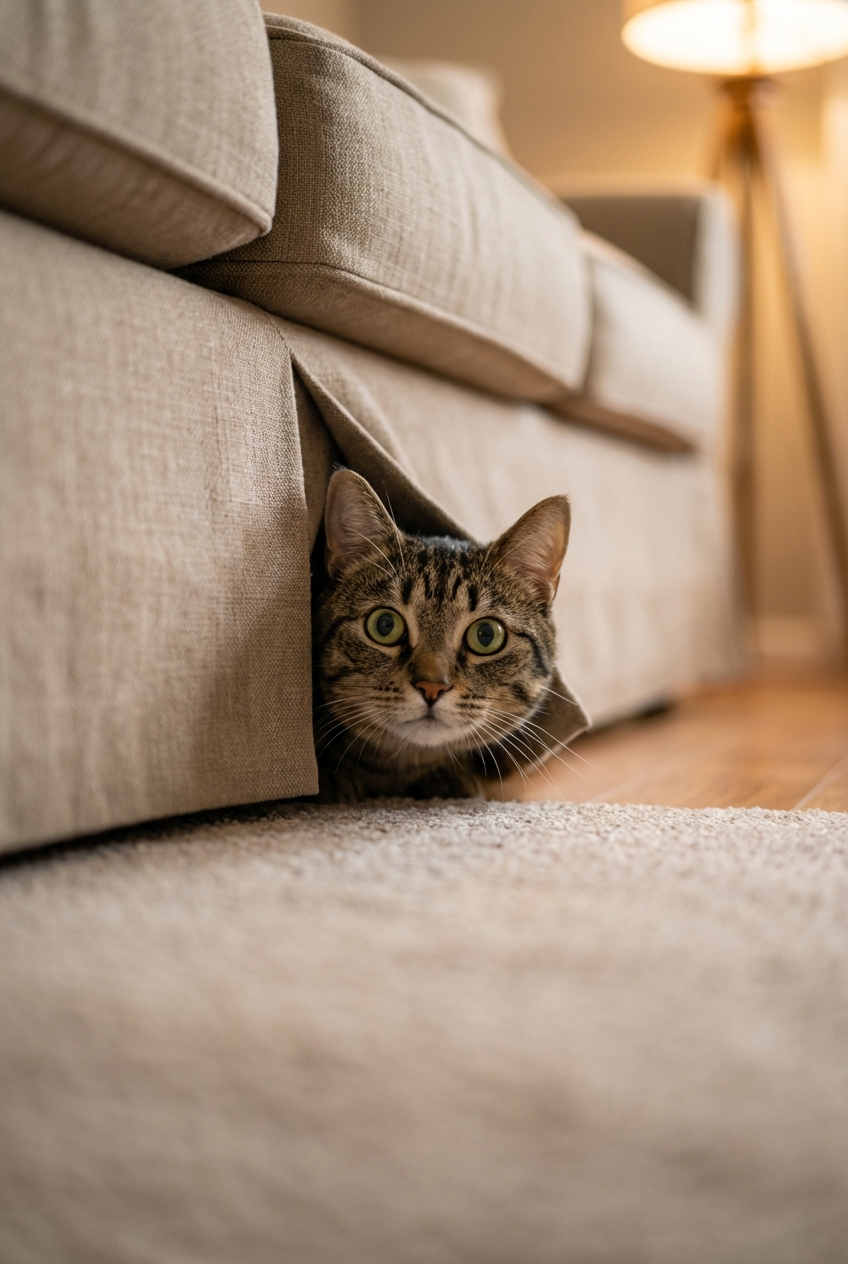
- Hiding more than usual or refusing to come out for meals or attention
- Increased clinginess, following you constantly, or demanding more reassurance
- Litter box problems (urinating or defecating outside the box)
- New destructive behavior, including more intense scratching
- Restlessness, pacing, or difficulty settling
- Aggression toward people or other pets, especially if it is new
- Sleep changes, like being awake and on alert more often
Body language clues
- Dilated pupils, a “wide-eyed” look, or startled reactions
- Flattened ears or ears rotating back and forth rapidly
- Tail tucked, tail flicking, or puffed tail
- Crouched posture, tense muscles, or a “ready to bolt” stance
- Excessive vocalizing, including yowling, growling, or constant meowing
Physical signs that can come with anxiety
Stress can affect the body, too. These symptoms do not always mean anxiety, which is why a veterinary visit matters when they persist or appear suddenly.
- Over-grooming (barbering fur, thinning coat, bald patches)
- Decreased appetite or refusing food entirely
- Vomiting or diarrhea during stressful events
- Urinary changes like frequent trips to the litter box or straining
Why “anxiety” signs can be medical
Many illnesses can look like stress in cats. Cats often hide pain, and the only outward sign may be behavior.
Here are a few common examples of conditions that can mimic or worsen anxiety:
- Urinary tract disease (including feline idiopathic cystitis): can cause litter box avoidance, frequent urination, and crying out
- Arthritis or pain: can lead to hiding, irritability, or litter box issues if stepping into the box hurts
- Dental disease: may show up as irritability, reduced appetite, or “sudden” aggression
- Hyperthyroidism: can cause restlessness, vocalizing, weight loss, and behavior changes
- Skin problems (fleas, allergies, infections): can look like anxiety-driven over-grooming
- GI upset: nausea can cause avoidance, hiding, and decreased eating
When to see a veterinarian
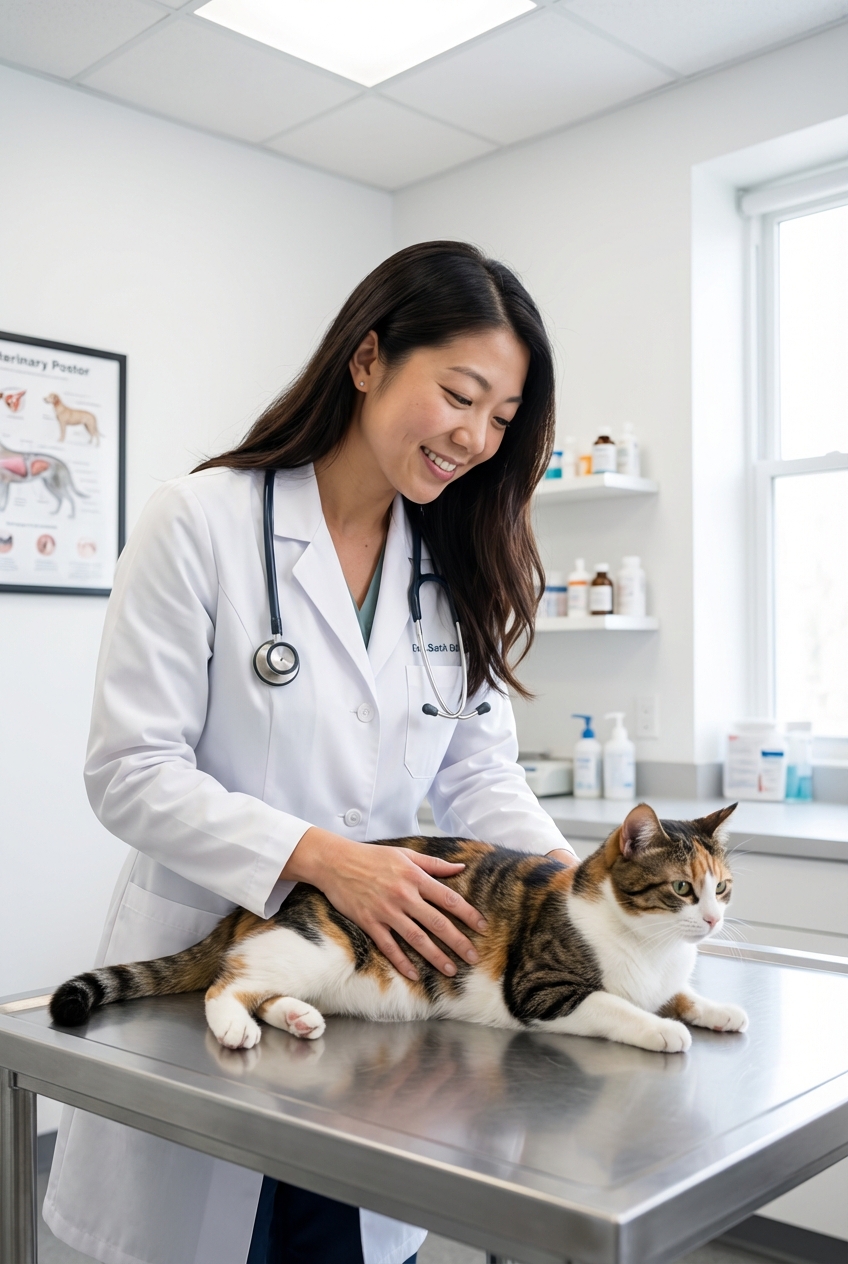
If your cat’s behavior changes suddenly, lasts more than a few days, or comes with any physical symptoms, it is time to schedule a veterinary visit. Even if the cause is stress, your veterinarian can help you create a plan and rule out painful or serious conditions.
Book a visit soon if you notice
- New or worsening litter box problems
- Hiding that interferes with eating, drinking, or normal interaction
- Over-grooming with thinning fur or irritated skin
- Appetite changes that last more than 24 hours, or keep coming back
- New aggression or sudden fearfulness
- Vomiting or diarrhea that repeats or clearly coincides with stress
Go to an emergency veterinarian if
- Your cat is straining to urinate, producing only tiny drops, or crying in the litter box
- There is blood in the urine or your cat cannot urinate at all
- Your cat has not eaten for about 24 hours, or sooner if they are a kitten, senior, have known medical issues, or seem unwell
- Your cat is open-mouth breathing, panting at rest, or showing respiratory distress
- You see collapse, extreme lethargy, or severe weakness
Important note: Urinary blockage is a true emergency, and it is most common in male cats. Do not “wait and see” if your cat is straining or unable to urinate.
What your veterinarian may do
For anxiety-like symptoms, your veterinarian’s first job is to rule out medical causes. This is especially true for litter box changes, appetite changes, and over-grooming.
- History and behavior review: what changed at home, timeline, triggers, routines
- Physical exam: pain checks, oral exam, skin and coat evaluation
- Urinalysis and sometimes urine culture for urinary signs
- Bloodwork to screen for thyroid disease, infection, organ function, and more
- Flea check or skin testing as needed
- Behavior support plan: environmental changes, pheromones, supplements, or prescription anti-anxiety medications when appropriate
Medication is not “giving up.” For some cats, it is the bridge that allows them to feel safe enough to learn new routines and cope with triggers.
What you can do at home now
You do not have to wait helplessly. Gentle, cat-friendly adjustments can lower stress quickly and also give your veterinarian helpful clues.
Start with basics
- Keep routines predictable: meals, play, and bedtime at similar times daily
- Create safe zones: a quiet room, covered bed, or closet space where your cat can decompress
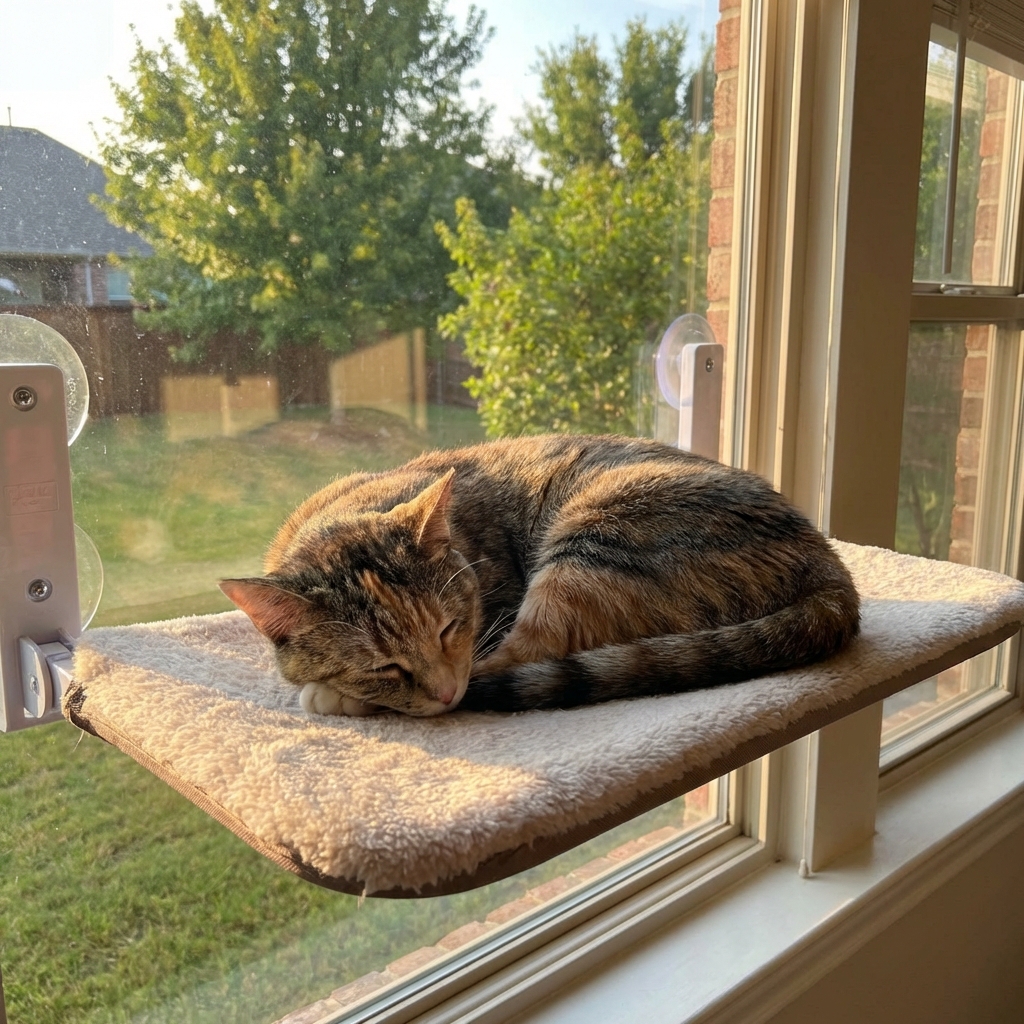
- Add vertical space: cat trees, shelves, and window perches can help cats feel secure
- Reduce conflict in multi-cat homes: separate resources (food, water, litter boxes, resting areas), offer multiple entry and exit routes, and use furniture or screens to break up “stare downs”
- Add enrichment: short play sessions, food puzzles, and “hunt” style feeding
Litter box setup
- Keep it clean: scoop daily, wash boxes regularly
- Use enough boxes: one box per cat, plus one extra is a common guideline
- Choose a cat-friendly location: quiet, easy to access, and not trapped in a dead-end corner
- Think big and simple: many cats prefer larger boxes; some dislike covered boxes if they feel trapped
- Stick with unscented litter and avoid frequent brand changes when possible
Calming aids
Pheromone diffusers or sprays may help some cats, especially during moves, renovations, visitors, or new pets. Evidence is mixed, but they are low-risk and can be a helpful support alongside routine, enrichment, and medical care when needed.
Safe handling
If your cat is fearful or acting aggressively, avoid forced interactions. Give them space, block off hiding spots that are unsafe (like inside a recliner), and use calm, gentle carrier and towel techniques when you need to move them. Safety comes first for you and your cat.
Long-term support
Once medical issues are addressed, long-term progress often comes from a combination of environment changes and behavior therapy. Your veterinarian may recommend:
- Desensitization and counterconditioning: gradual, positive exposure to triggers (at your cat’s pace)
- Structured enrichment: daily play and predictable “safe” routines
- Referral support: a qualified trainer, a veterinary behaviorist, or a behavior-focused clinic if anxiety is severe or not improving
Track symptoms
When you call the veterinarian, it helps to bring specific details. A simple note on your phone is enough.
- When it started and whether it is getting better, worse, or fluctuating
- What changed at home: new pets, guests, schedule shift, loud noises, construction, travel, new litter or box location, neighborhood cats outside
- Eating and drinking: amount, brand changes, treats, appetite level
- Litter box patterns: frequency, straining, blood, accidents, location of accidents
- Videos of concerning behavior if possible (pacing, vocalizing, aggression)
Trust your instincts. If your cat is acting “not like themselves,” you are not overreacting. You are noticing early warning signs, and early help is often the easiest help.
Bottom line
Cat anxiety symptoms can be emotional, medical, or both. The safest approach is to treat sudden or persistent behavior changes as a reason to check in with your veterinarian, especially when litter box habits, appetite, grooming, or aggression shift. With the right plan, most cats can feel calmer, safer, and more like themselves again.