A practical, vet-informed guide to cat allergy relief: recognize symptoms, run flea and food trials, manage environmental triggers, treat secondary infection...
Article
•
Designer Mixes
Cat Allergy Symptoms: Help & Care

Shari Shidate
Designer Mixes contributor
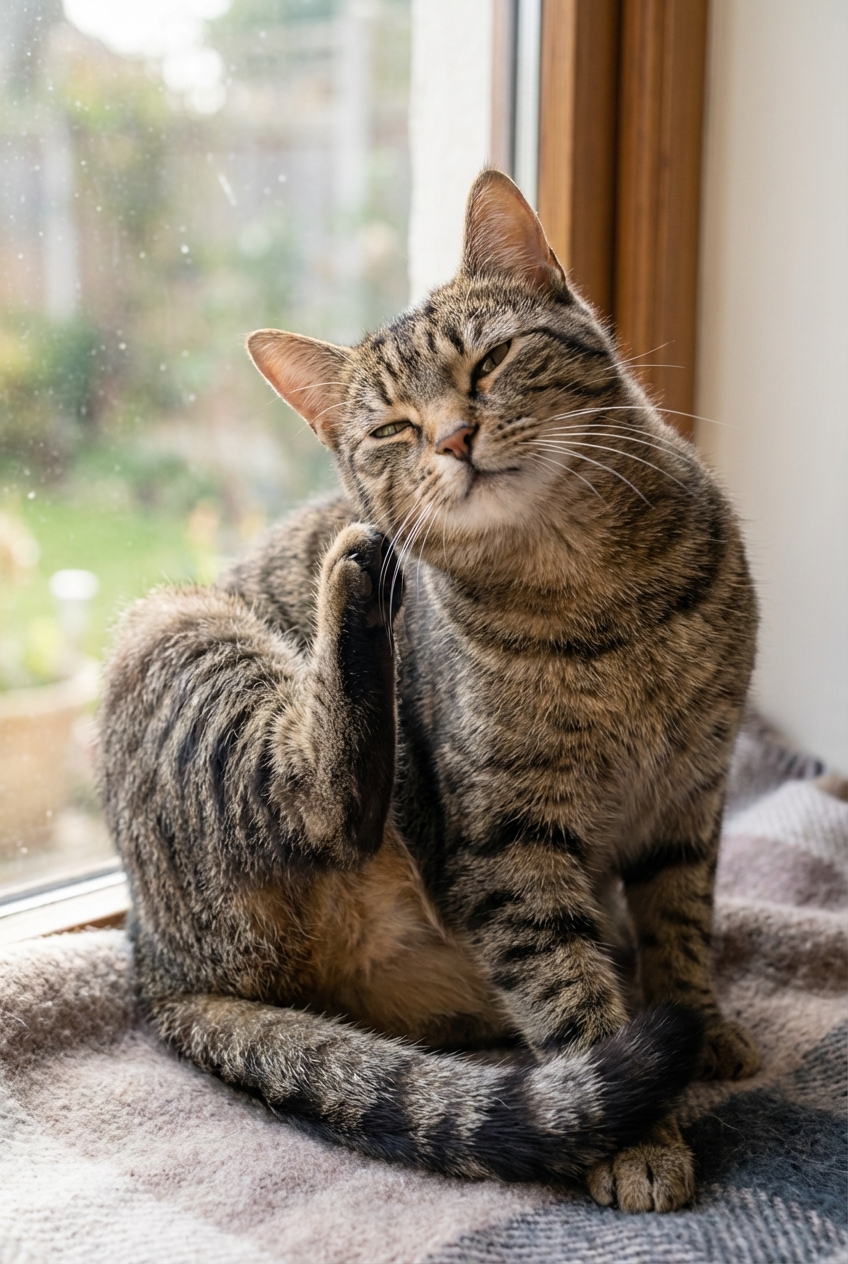
If your cat is scratching more than usual, licking bald spots, or dealing with recurrent ear discharge or debris, allergies may be on the list. As a veterinary assistant, I want you to know two reassuring things: allergies are common, and you can absolutely help your cat feel better with a smart plan and a little patience.
One quick expectation-setter: itchiness and hair loss are not automatically allergies. Fleas, mites, ringworm, skin infections, and even pain or stress-related overgrooming can look very similar. That is why a step-by-step approach works so well.
In this article, you will learn the most common cat allergy symptoms, what typically triggers them, how vets sort them out, and what you can do at home to support your cat safely.
Common symptoms of allergies in cats
Cats do not always show allergies the same way humans do. Many cats show allergy issues through the skin, ears, and gut.
Skin and coat signs
- Itching and overgrooming (especially belly, inner thighs, base of tail, neck)
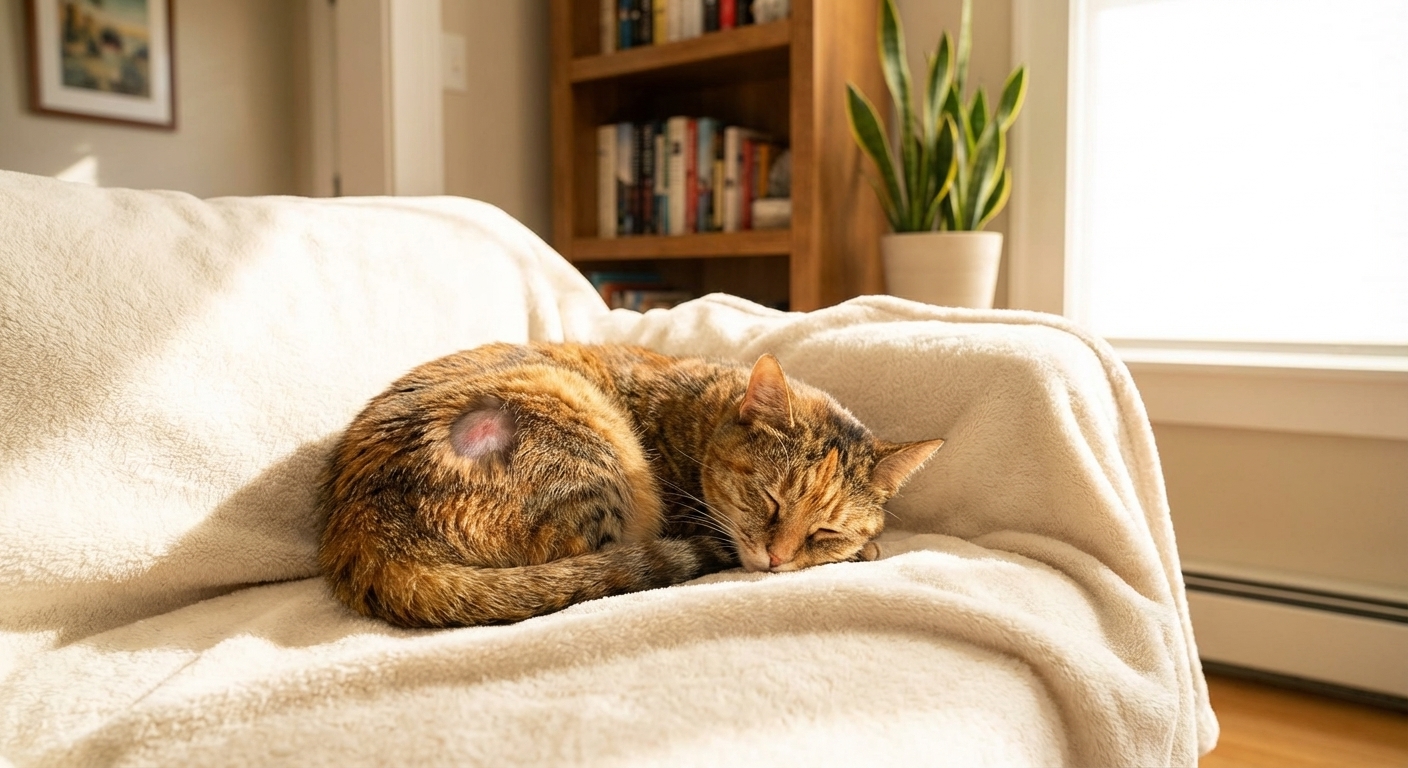
- Hair loss or thinning coat, often from licking
- Scabs and crusts (miliary dermatitis), sometimes felt more than seen
- Redness, inflamed skin, or hot spots
- Rashes or small bumps
- Eosinophilic granuloma complex (raised plaques, ulcers on the lip, or thickened lesions) which can be allergy-related
Worth knowing: patchy hair loss is also a classic ringworm look. Ringworm is a fungal infection and it can be contagious to people and other pets, so it should be ruled out when the pattern fits.
Ears
- Head shaking or frequent ear scratching
- Dark debris, discharge, or odor from the ears
- Ear inflammation or infections can involve yeast and bacteria overgrowth, and allergies can contribute in some cats
In cats, ear problems are also commonly linked to things like ear mites (Otodectes cynotis), polyps, foreign material, or other primary causes. Dark, coffee-ground debris plus itch is a big reason vets check for mites early.
Respiratory signs (less common, but possible)
- Sneezing and watery eyes
- Coughing or wheezing (can overlap with feline asthma)
Digestive signs (especially with food allergy)
- Vomiting or frequent hairballs that suddenly increase
- Diarrhea or soft stools
- Gas and stomach gurgling
- Weight loss in more severe or chronic cases
Important note: itching plus vomiting does not automatically mean food allergy, but it does mean your cat deserves a closer look. Parasites, infections, inflammatory bowel disease, and other conditions can mimic allergy symptoms.
What causes cat allergies?
Most feline allergies fall into a few buckets. Knowing the category helps you and your veterinarian target the right next step.
Flea allergy dermatitis (FAD)
This is one of the most common. Cats can be intensely itchy from one or two flea bites, even if you never see fleas. Cats groom so efficiently that evidence can be hard to find.
Environmental allergies
These are reactions to things in the environment, such as:
- Pollens (trees, grasses, weeds)
- Dust mites
- Molds
- Dander and household irritants
Seasonal flare-ups are common, but indoor allergens like dust mites can cause year-round symptoms.
You may also hear this discussed as feline atopic skin syndrome. In cats, it often shows up as head and neck itching, self-induced hair loss, or eosinophilic lesions. Diagnosis is typically clinical and based on ruling out look-alikes, not a single simple test.
Food allergies or food sensitivities
True food allergy is usually a reaction to a protein source (chicken, beef, fish, dairy are common culprits), though any ingredient can be involved. Food sensitivity can look similar, but the immune system mechanism may differ.
Contact allergies (less common)
Some cats react to direct contact with a material, such as certain detergents, cleaning products, litter additives, or fabrics. You will often see irritation on areas that touch the trigger (chin, belly, paws).
When symptoms are an emergency
Most cat allergies are uncomfortable, not immediately dangerous. But some signs mean you should seek urgent veterinary care.
- Difficulty breathing, open-mouth breathing, or blue or pale gums
- Swelling of the face, lips, or throat
- Hives with sudden vomiting, collapse, or weakness
- Severe lethargy or refusing food and water for more than 24 hours
- Rapidly worsening skin wounds, pus, or a strong foul odor
How vets diagnose cat allergies
Diagnosing allergies in cats is often a process of ruling things out. It is not because your vet is guessing. It is because many problems can look identical on the surface.
Step 1: Rule out parasites and infections
Your veterinarian may recommend:
- Flea combing and a strict flea prevention trial
- Skin cytology (checking for yeast and bacteria)
- Ear cytology for recurrent ear debris
- Ear mite checks (a very common cause of dark debris and itching)
- Skin scraping when indicated
- Fungal testing when ringworm is a concern
If your cat is overgrooming, your vet may also ask questions about pain (arthritis, urinary discomfort) or stress and routine changes. Not every grooming problem is allergy, and it is okay if it takes a little detective work to sort out.
Step 2: Food trial (the gold standard for food allergy)
Blood, hair, and saliva tests marketed for food allergy tend to have poor accuracy and are generally not recommended for diagnosing food allergy in cats. The most evidence-based route is a diet elimination trial, typically 8 to 12 weeks, using either:
- A prescription hydrolyzed protein diet, or
- A truly novel protein diet your cat has never eaten before
During the trial, your cat must eat only the trial diet. No flavored meds, no treats, no table food, no flavored toothpaste. Even small “extras” can muddy the results.
Also, for best reliability, many vets prefer prescription diets over over-the-counter limited-ingredient diets. Cross-contamination and unlabeled ingredients can derail a trial, even when you are doing everything right.
Step 3: Environmental allergy workup
If food is ruled out and symptoms persist, your vet may discuss:
- Intradermal skin testing or serum allergy testing (mainly to guide immunotherapy, not to diagnose allergy by itself)
- Long-term management options based on response
At-home care that truly helps
You can do a lot at home to reduce flare-ups and protect your cat’s skin barrier, especially while you work with your veterinarian on the root cause.
1) Get serious about flea prevention
If your cat has allergy symptoms, consistent flea prevention is often step one, even for indoor-only cats. Fleas can ride in on people, other pets, or wildlife near doors and windows.
- Use a veterinarian-recommended product labeled for cats
- Avoid dog flea products on cats, as some ingredients are toxic to cats
- Treat all pets in the home to stop the cycle
2) Support the skin barrier
Healthy skin is a powerful defense. Ask your vet about:
- Omega-3 fatty acids (EPA and DHA) for skin inflammation support
- Medicated wipes or mousses for localized flare areas
- Cat-safe shampoos, when appropriate (cats are not always thrilled, but some tolerate gentle bathing)
If your cat is overgrooming, your vet may also recommend a soft cone or recovery collar temporarily to let the skin heal.
3) Reduce environmental triggers
- Use a HEPA air purifier in your cat’s favorite room
- Wash bedding weekly in fragrance-free detergent
- Vacuum rugs and upholstered furniture routinely
- Choose unscented litter if your cat has chin or paw irritation
- Avoid sprays, plug-in fragrances, and harsh cleaners around your cat
4) Keep a simple symptom journal
Write down:
- Where the itching happens (ears, belly, tail base)
- Stool quality and vomiting frequency
- Diet changes, treats, and flavored medications
- Seasonal patterns and household changes (new litter, detergent, remodeling)
This helps your vet narrow down patterns faster, and it helps you feel more in control.

Veterinary treatments you may hear about
Your veterinarian will tailor treatment to the cause, severity, and your cat’s overall health. Common options include:
For itching and inflammation
- Corticosteroids (effective, but best used thoughtfully due to potential long-term effects). In cats, your vet will consider the right drug, dose, and monitoring, especially if your cat is overweight or at risk for diabetes.
- Cyclosporine (an immune-modulating medication used in allergic skin disease)
- Antihistamines (may help some cats, often more effective as part of a plan than as a solo fix)
If you have had dogs before, it is worth asking before assuming a medication carries over. Some popular itch medications for dogs are not approved for cats, and dosing can be very different.
For secondary infections
- Antibiotics for bacterial skin infection when indicated
- Antifungals for yeast overgrowth
- Prescription ear medications for otitis
For environmental allergy long-term management
- Allergen-specific immunotherapy (allergy shots, and in some cases sublingual drops) to reduce sensitivity over time
Many cats need a combination approach. The goal is not just to stop today’s itching, but to reduce flare-ups and medication needs over time.
Food allergy help: safe next steps
If you suspect food is involved, the most helpful thing you can do is resist the urge to bounce between foods quickly. Frequent switching can make it harder to identify what is helping and what is harming.
- Talk to your veterinarian about an elimination diet trial
- Choose one strategy and commit for the full trial period
- Measure portions to keep weight stable
- Use only vet-approved treats that match the trial diet
- Avoid relying on OTC limited-ingredient diets for diagnosis unless your vet guides you, since labeling and cross-contamination can be an issue
If your cat is itchy and miserable, it is so tempting to try a new food every week. I get it. But slow and consistent is what gives you answers.
Quick checklist: what to do this week
- Schedule a vet visit if symptoms are persistent, worsening, or include ear issues or tummy trouble
- Start or confirm consistent flea prevention for all pets
- Switch to fragrance-free litter and detergent if you use scented products
- Take clear photos of skin lesions and track flare-ups
- Ask your vet if a food trial is appropriate before you change diets
Your cat does not have to “just live with it.” With evidence-based care and a bit of detective work, many allergy cats go from constant itching to comfortable, playful, and relaxed again.