Stop cat biting by matching the bite to the cause—play, overstimulation, fear, pain, or redirected aggression. Get in-the-moment steps, training tips, and ...
Article
•
Designer Mixes
Cat Aggression Triggers and Fixes

Shari Shidate
Designer Mixes contributor
Few things feel more confusing than a cat who seems sweet one minute and spicy (swatty or bitey) the next. As a veterinary assistant, I can tell you this is very common, and it often improves once you identify the trigger and meet the underlying need. Aggression is often your cat’s way of saying, “I’m overwhelmed,” “I’m in pain,” or “I don’t feel safe.”
Let’s walk through the most common causes of cat aggression and practical, modern steps you can start today.
First, rule out medical causes
If aggression is new, escalating, or out of character, book a vet visit before assuming it is “just behavior.” Pain and illness can lower a cat’s tolerance fast. Cats are experts at hiding discomfort, so behavior changes are often the first clue.
Common medical triggers
- Dental pain (tooth resorption, gingivitis)
- Arthritis (especially in adult and senior cats)
- Urinary tract disease (cystitis or inflammation, crystals or blockage; infection is less common in many cats)
- Hyperthyroidism (increased irritability, restlessness)
- Skin irritation (fleas, allergies)
- Neurologic issues (less common, but important to rule out)
Tip: Mention exactly when the aggression happens, for example “when I pick her up,” “when I pet his back,” or “near the litter box.” That context helps your vet target pain points.
Quick body language guide
Cats rarely “snap” without warning. The signals can be subtle at first, especially in quiet cats.
- Early stress: ears rotating sideways or back, tail tip flicking, skin twitching, pulling the head away, sudden stillness
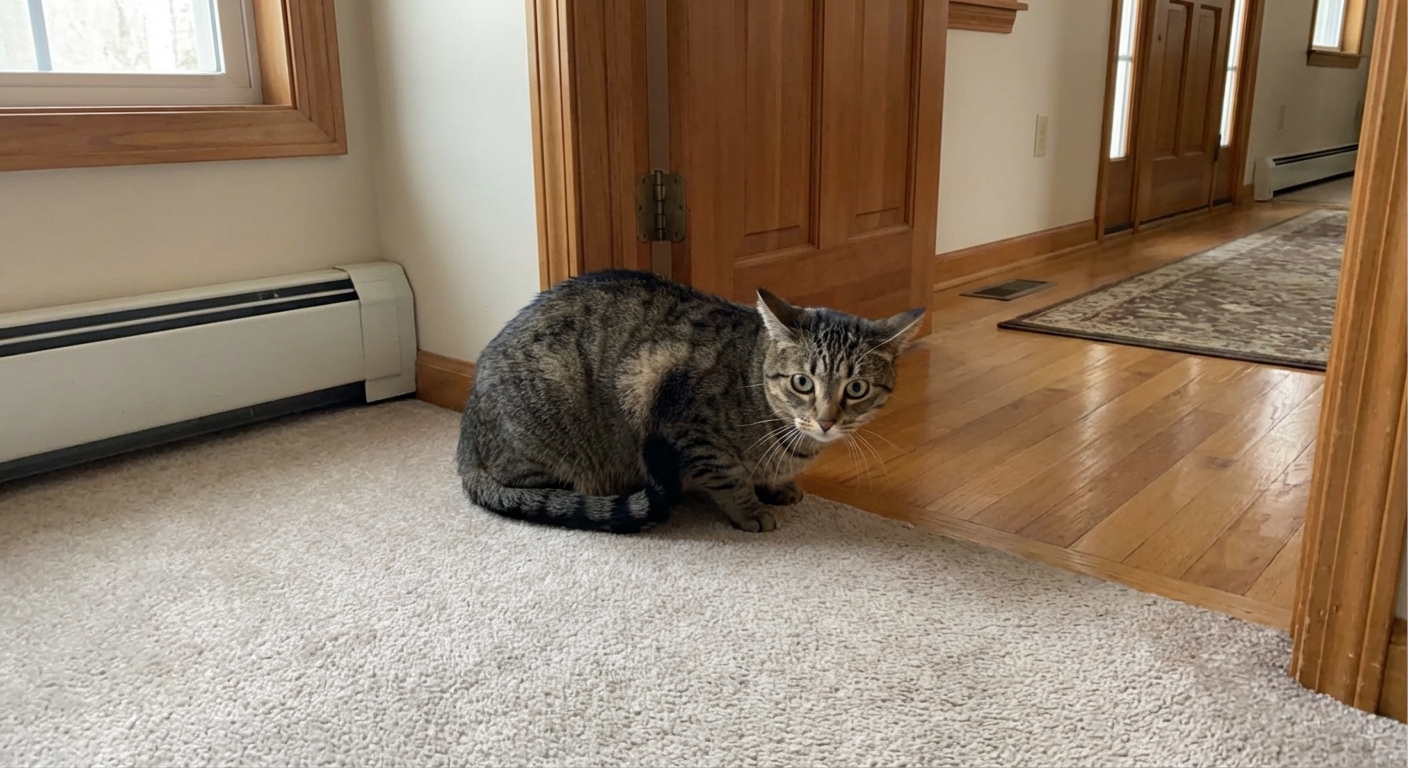
- Escalating arousal: hard staring, dilated pupils, crouching, piloerection (puffed fur), growling, low yowls
- “I might bite” cues: stiff body, fast tail swishing, freezing, sudden head turn toward your hand
If you see these, pause what you are doing and give space before it turns into a swat or bite.
Top triggers and fixes
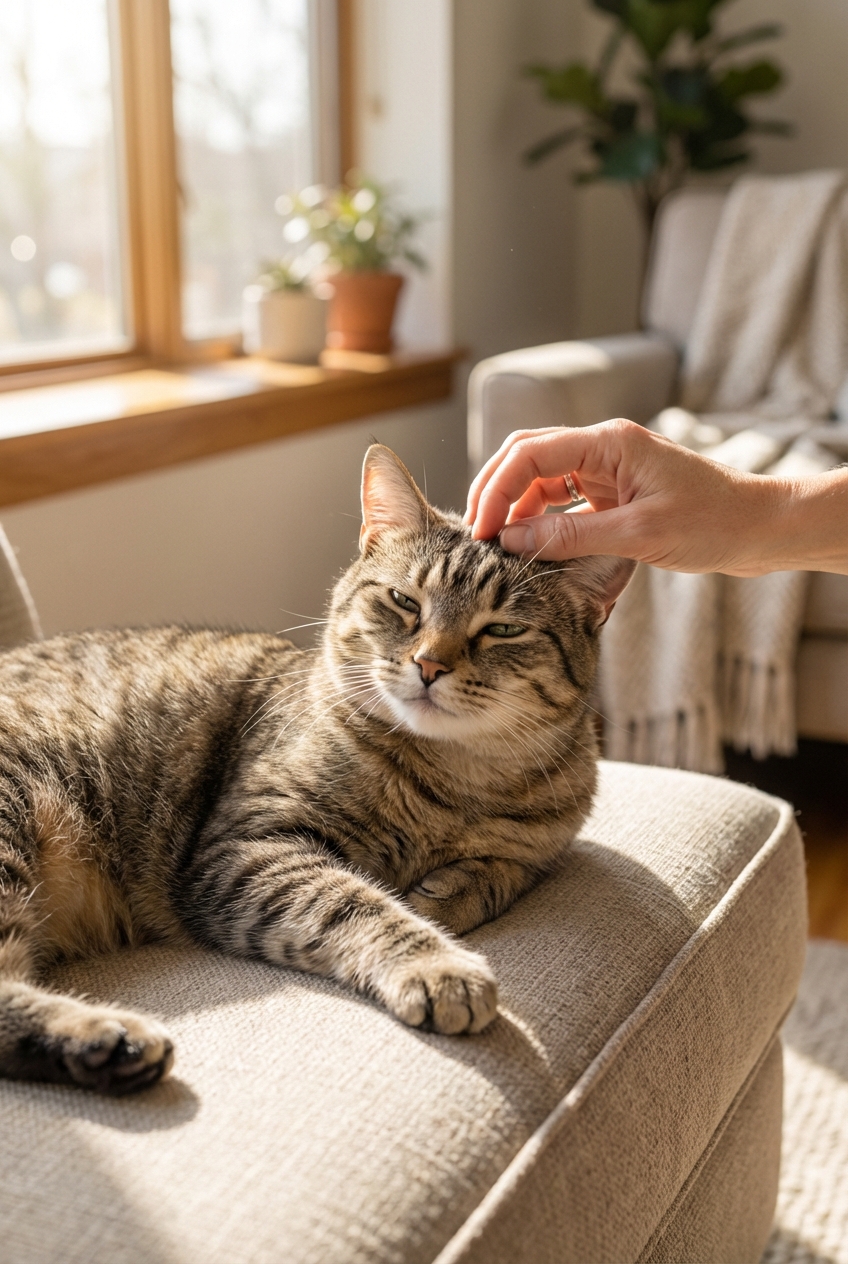
1) Petting aggression
This is the classic “bite out of nowhere.” Most of the time, it is not out of nowhere. Your cat is giving subtle signals that the stimulation is too much.
Early warning signs: skin twitching, tail swishing, ears rotating back, stiffening, sudden head turn toward your hand.
Behavior fixes:
- Keep petting sessions short (5 to 10 seconds) and stop while your cat is still relaxed.
- Pet preferred areas for many cats: cheeks, chin, and the base of the ears. Avoid belly, feet, and lower back if those trigger reactions.
- Use consent tests: pause and see if your cat leans in for more. If not, you are done.
- Do not punish. Yelling or scruffing increases fear and makes biting more likely next time.

2) Play aggression
Kittens and young adult cats are especially prone to this. If your cat learned that hands and ankles are “prey,” they will stalk, pounce, and bite like a tiny tiger.
Behavior fixes:
- Switch to distance toys: wand toys, ribbon toys, or a soft kicker toy.
- Schedule two to three play sessions daily (5 to 15 minutes). End with a small meal or treat to complete the hunt sequence.
- If you get attacked, freeze briefly and redirect with a toy if you can. If you cannot redirect safely in the moment, calmly step behind a door or barrier and end the session.
- Reward calm behavior: treats when your cat sits nicely near your feet instead of ambushing.
Goal: teach your cat what to bite and what never to bite.
3) Fear aggression
When cats feel cornered, they may hiss, swat, or bite to create distance. Common triggers include loud guests, unfamiliar handling, being chased by children, or forced interactions with other pets.
Behavior fixes:
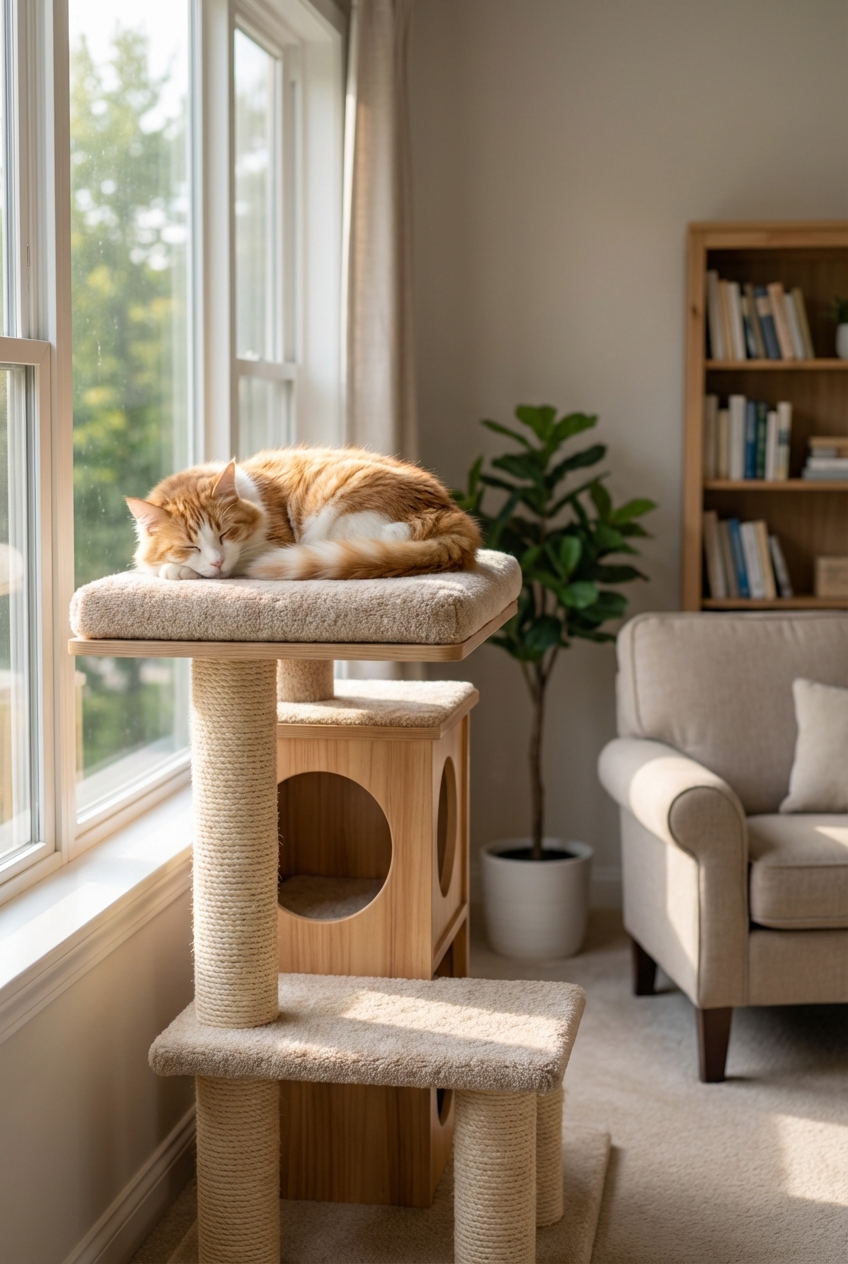
- Create safe zones: a quiet room, a covered bed, or a tall cat tree where nobody bothers them.
- Use predictable routines. Cats relax when they can anticipate meals, play, and quiet time.
- Teach visitors to ignore the cat at first. Let the cat initiate contact.
- Consider pheromone support (diffusers or sprays). These may help some cats in high-stress rooms, especially when paired with environmental changes.
4) Redirected aggression
This happens when your cat gets highly aroused by something they cannot reach, like a stray cat outside the window, then lashes out at the nearest target, often another pet or a human.
Behavior fixes:
- Safety first: do not pick up or comfort a highly aroused cat. Give space and time.
- Block the trigger: close blinds, use window film, or move perches away from the window temporarily.
- Separate safely: use a large piece of cardboard, a baby gate, or a blanket as a visual barrier. Avoid loud, escalating tactics, and do not corner the cat.
- Reset the environment: after a redirected episode, separate cats into different rooms and reintroduce slowly if needed.
Important: After intense arousal, cats can take minutes to hours to fully calm down. Treat that cool-down time as part of the safety plan.
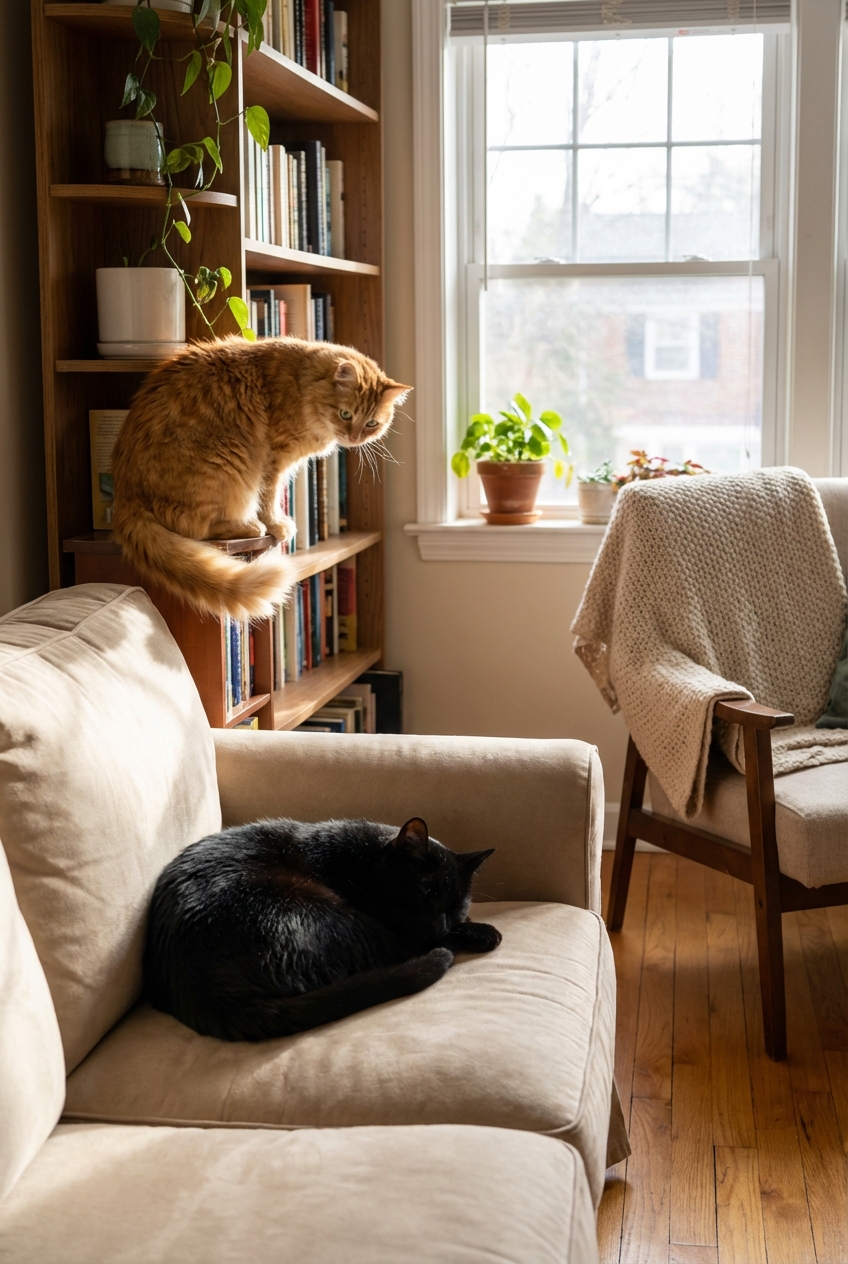
5) Multi-cat tension
Even friendly cats can become tense if resources feel scarce. Subtle bullying often looks like staring, blocking hallways, or “silent” intimidation near food or litter.
Behavior fixes:
- Spread resources out: multiple feeding stations, water bowls, scratching posts, and resting spots.
- Litter box guideline: one box per cat, plus one extra, placed in different locations.
- Add vertical space: shelves, trees, and window perches help cats avoid each other without conflict.
- Reinforce calm co-existence with treats when cats pass each other peacefully.

What to do in the moment
If your cat is getting worked up, your job is to lower intensity, not “win” the interaction.
- Stop contact and keep your hands still.
- Create distance by turning your body slightly sideways and stepping away. Avoid direct staring.
- Redirect without approaching: toss a treat away from you, or slide a toy across the floor from a safe distance.
- Use a barrier if needed: a door, baby gate, laundry basket, or a piece of cardboard.
- Let them decompress in a quiet room with water, litter, and a hiding spot.
A simple plan for this week
Step 1: Find the pattern
Write down what happened right before the aggression: time of day, location, who was involved, and your cat’s body language. Patterns show up quickly.
Step 2: Lower triggers
- Reduce exposure to the trigger when possible.
- Increase enrichment: daily play, puzzle feeders, climbing space, scratchers.
- Reward calm: notice and treat the moments your cat is relaxed, not just the moments they act out.
Step 3: Train one skill
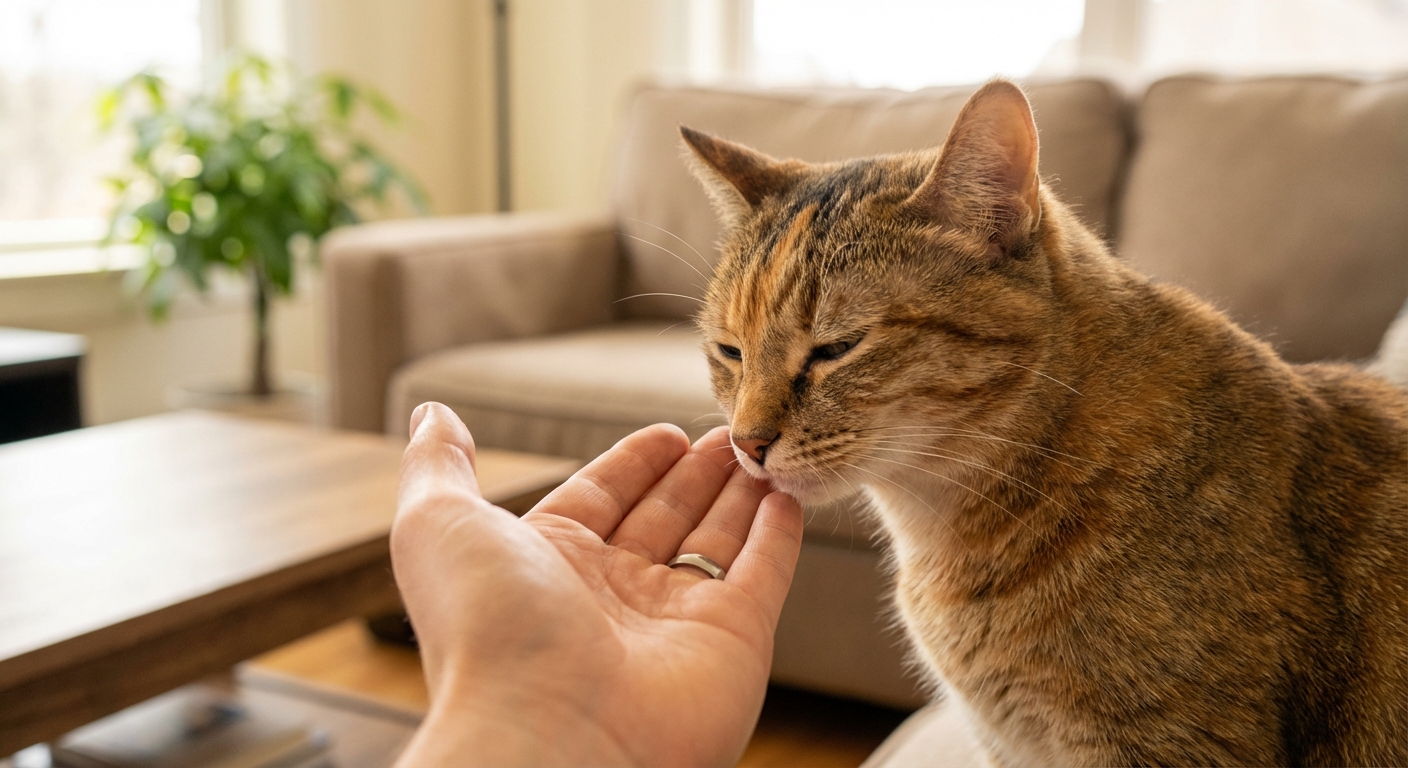
Yes, cats can be trained. Try clicker training or a marker word like “yes.” Start with simple behaviors like “touch” (nose to your finger) and “go to mat.” Training gives your cat a safe way to earn rewards and can reduce anxiety.
Slow reintroductions
If two cats are fighting or one is repeatedly targeting the other, think “reset and rebuild.” A slow reintroduction prevents repeated blow-ups.
- Separate with full resources in each space (food, water, litter, resting spots).
- Scent swap: exchange bedding, or gently rub each cat with a soft cloth and place it with the other cat.
- Site swap: rotate which cat gets which room, so both feel ownership without direct contact.
- Short, positive visual time: use a cracked door, baby gate, or screen, paired with treats or meals.
If tension rises, back up a step and go slower.
What not to do
- Do not use physical punishment (spray bottles, hitting, scruffing). It increases fear and can worsen aggression.
- Do not force contact after a warning hiss or swat. Respect boundaries.
- Do not flood your cat with scary situations hoping they will “get used to it.” Gradual exposure works better.
- Do not break up cat fights with your hands. Use barriers and noise from a distance if needed.
When to get help
Get extra help if there is blood, repeated attacks, sudden personality changes, or if children or vulnerable adults are at risk. Your veterinarian can rule out medical causes, and a qualified behavior professional can create a customized plan.
Medication note: For some cats, anxiety or pain is a big driver, and medication can be a humane, effective tool alongside behavior and environmental changes. If you are feeling stuck, it is worth asking your vet about options.
Look for: a board-certified veterinary behaviorist (DACVB) or a fear-free, rewards-based cat behavior consultant.
Most cat aggression is a communication problem, not a “bad cat” problem. Once you find the trigger and meet the underlying need, behavior often improves dramatically.
References
- American Association of Feline Practitioners (AAFP): Feline Behavior Guidelines and client education resources
- International Society of Feline Medicine (ISFM): Practical feline behavior and stress resources
- American College of Veterinary Behaviorists (ACVB): Guidance on behavior cases and finding a DACVB