Learn a calm, scent-first method to introduce a new cat to a resident cat. Includes safe-room setup, door-feeding, visual sessions, fight prevention, and whe...
Article
•
Designer Mixes
Cat Aggression Toward Other Cats at Home

Shari Shidate
Designer Mixes contributor
Living with more than one cat can be incredibly sweet, until one day it is not. A swat at the food bowl turns into stalking. A quick hiss becomes a full chase. If you are seeing tension between cats at home, you are not failing. Cat-to-cat conflict is common, and in many cases it is manageable once you identify the cause and adjust the environment.
As a veterinary assistant, I always start with two priorities: safety and medical rule-outs. Pain, illness, and stress can change behavior fast. If you are unsure what you are seeing, separate first and contact your veterinarian. Cat bites and scratches can become infected quickly, for cats and for humans.
What cat aggression looks like
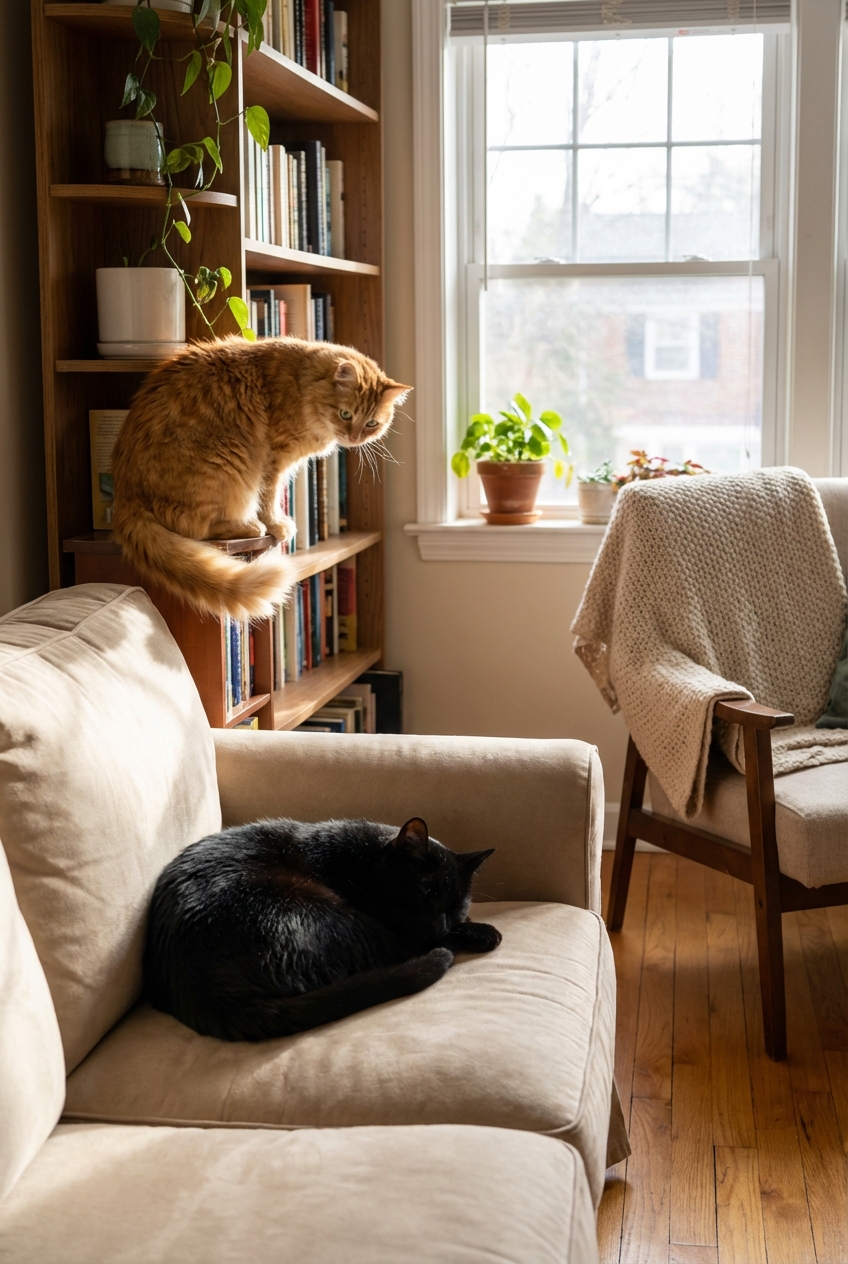
Not all conflict looks like a “cat fight.” Some cats rarely make contact, but one cat controls the space so effectively that the other cat is constantly on edge. Watch for:
- Overt aggression: chasing, pouncing, biting, ambushing, swatting, growling, yowling, and sometimes fur flying.
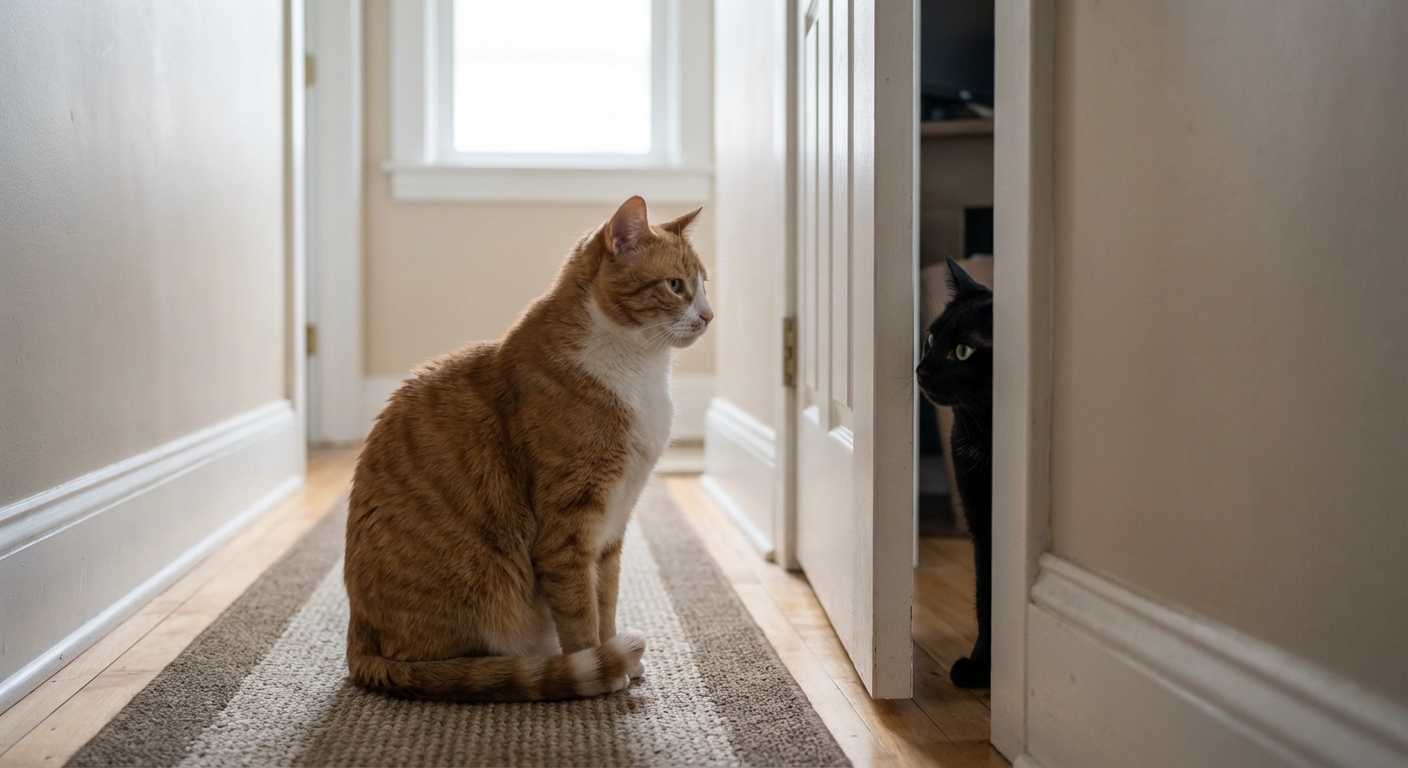
- Silent intimidation: blocking hallways, staring, following, “claiming” doorways, perches, or litter box access.
- Fear behaviors: hiding, refusing to come out, crouching low, tail tucked, avoiding litter box or food areas.
- Stress signs: overgrooming, urine marking, appetite changes, and GI upset (for example, diarrhea).
If you notice injuries, cornering, or one cat cannot safely access food, water, or litter, treat it as urgent. Separate immediately and contact your vet, or an emergency clinic if there are significant wounds or breathing distress.
Play or aggression?
Some chasing and wrestling can be normal play, especially in young cats. These clues can help:
- More likely play: loose, bouncy bodies; role reversals; short pauses; both cats re-engage; minimal or no vocalization.
- More likely conflict: stiff bodies; hard staring; ears pinned back; one cat repeatedly trying to leave or hide; yowling/growling; ambushes; biting that causes screams or tufts of fur.
If one cat consistently looks scared or cannot disengage, treat it as conflict even if the other cat “seems playful.”
Common causes
1) Fear and fast introductions
Cats are territorial by nature. When a new cat enters the home too quickly, the resident cat may feel threatened. Even cats who “seemed fine at first” can develop issues later if stress builds.
2) Redirected aggression
This is very common. A cat sees an outdoor cat, hears a loud noise, or gets startled, then turns and attacks the nearest cat in the home. This can look sudden and shocking.
3) Resource pressure
Cats can fight over things we do not always recognize as resources: a favorite window perch, the only quiet litter box location, a narrow hallway, the human’s lap, or the best nap spot.
4) Play that escalates
Some cats play rough. If one cat loves wrestling and the other cat finds it scary, the “play” becomes a pattern of harassment.
5) Social maturity
Cats often shift behavior as they mature. A cat who was tolerant as a kitten may become less social as they reach social maturity (often around 2 to 4 years, but it varies).
6) Medical issues and pain
Pain changes behavior. Dental disease, arthritis, urinary problems, hyperthyroidism, and neurological issues can lower a cat’s tolerance and trigger aggression. If the aggression is new, escalating, or out of character, a veterinary exam is step one.
7) Non-recognition (smell changes)
Sometimes a cat suddenly does not “recognize” a housemate after a vet visit, grooming, boarding, or bathing. The returning cat smells different, and that can trigger hissing or attacks. This is often temporary, but it needs management to prevent a lasting negative association.
8) Hormones (intact cats)
If one or more cats are not spayed or neutered, hormones can intensify conflict. Talk with your veterinarian about timing and options.

During a fight
Your goal is to interrupt safely, not to “teach a lesson.” Never put your hands between fighting cats, and avoid picking up an aroused cat.
- Make a brief noise: clap once or drop a soft object nearby (not on them).
- Create a visual barrier: slide a large piece of cardboard, a laundry basket, or a pillow between them.
- Separate and decompress: move one cat to a quiet room with litter, water, and a hiding spot for several hours.
- If you must get close: use a towel, a thick blanket, or a board as a shield. Safety first.
- Canned air deterrents: some people use them, but they can increase fear or negative associations in sensitive cats. If you use one, keep it brief, point away from faces, and stop if it escalates tension. Barriers and separation are usually safer.
After a serious incident, keep them separated until you can start a structured reintroduction. Cats can form strong negative associations quickly, and forcing it often makes things worse.
When to call your vet
Schedule a vet visit if:
- The aggression is new or suddenly worse.
- There are wounds, limping, sensitivity to touch, or hiding.
- You notice litter box changes, vomiting, appetite changes, weight loss, or increased vocalization.
- You notice GI upset (for example, diarrhea), especially if it persists.
- The aggressive cat seems restless, pupils dilated, or unable to come down from agitation.
Bring notes or short videos if you can do so safely. Behavior details help your vet decide whether pain, anxiety, or another medical issue may be contributing.
Lower tension at home
Add resources, then spread them out
A classic guideline is “one per cat, plus one extra” for litter boxes. Many behavior teams also use this as a practical rule of thumb for key resources like resting spots, scratching stations, and water bowls, especially in tense multi-cat homes. Placement matters as much as quantity.
- Litter boxes: place in separate areas, not all lined up in one room. Avoid dead-end corners where a cat can be trapped.
- Food and water: separate feeding stations to prevent guarding.
- Scratching spots: multiple posts and pads in different locations, including near sleeping areas and common traffic paths.
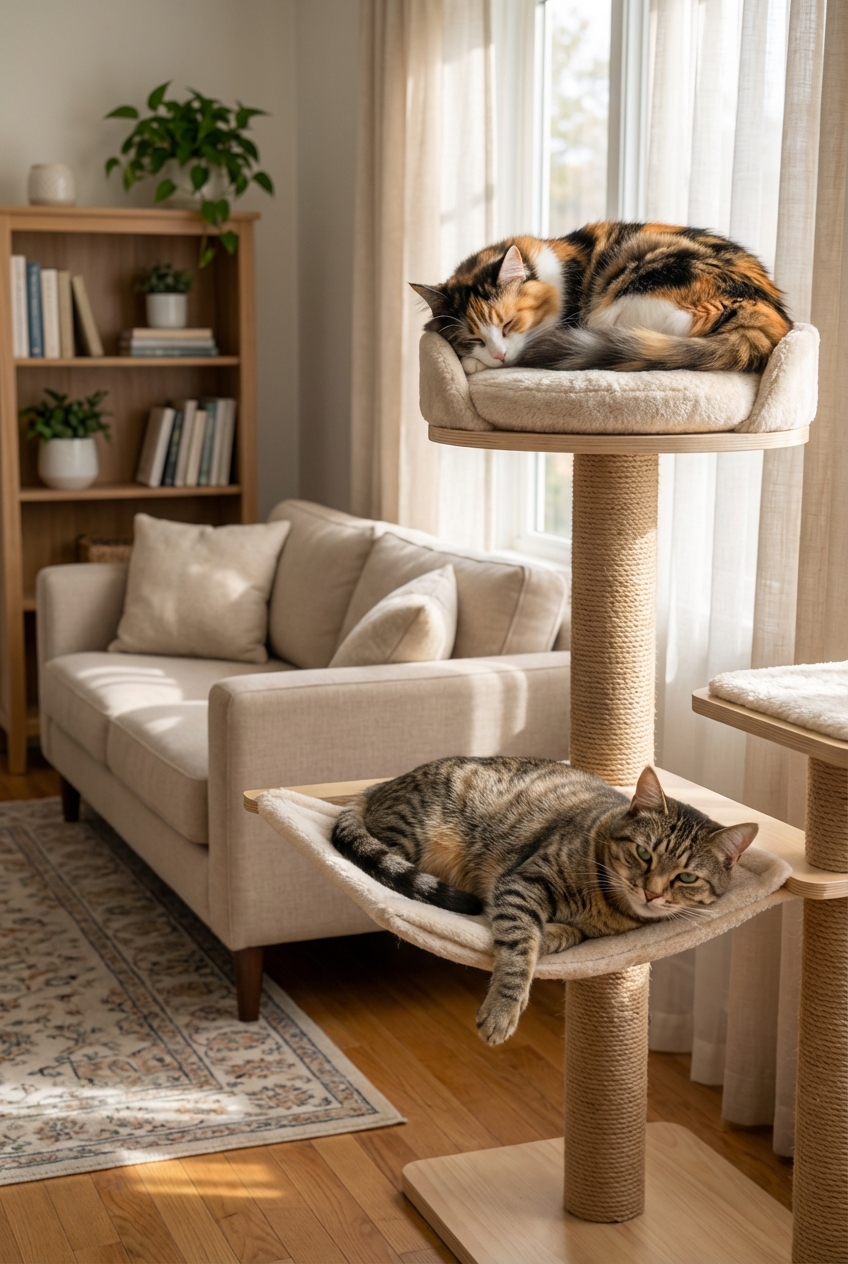
- Vertical space: cat trees, shelves, and window perches create escape routes and reduce hallway confrontations.
- Traffic flow: try to create multiple paths through rooms so cats can pass without a face-to-face standoff.
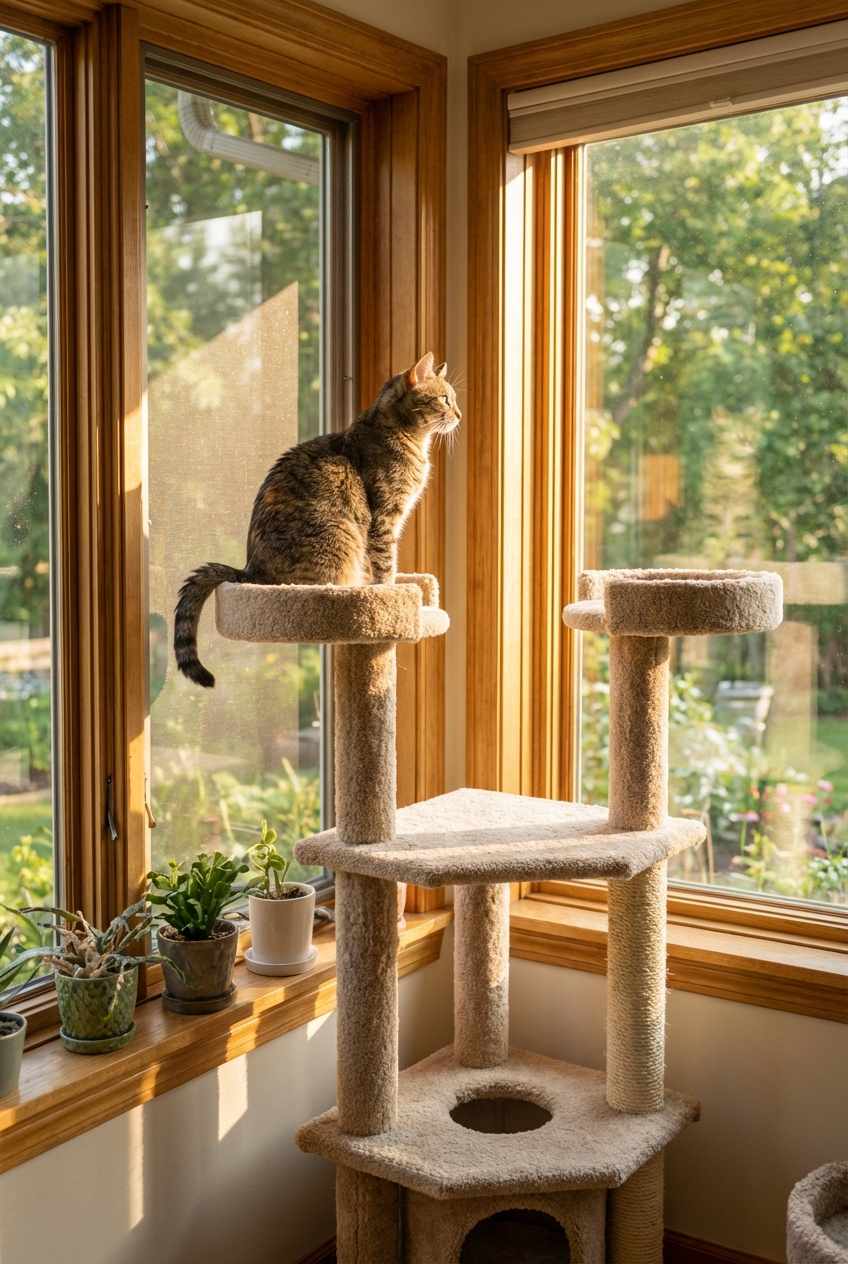
Reintroduction
If your cats have been fighting, a structured reintroduction is often the fastest route to long-term peace. Think of it as teaching them to feel safe again.
Step 1: Full separation
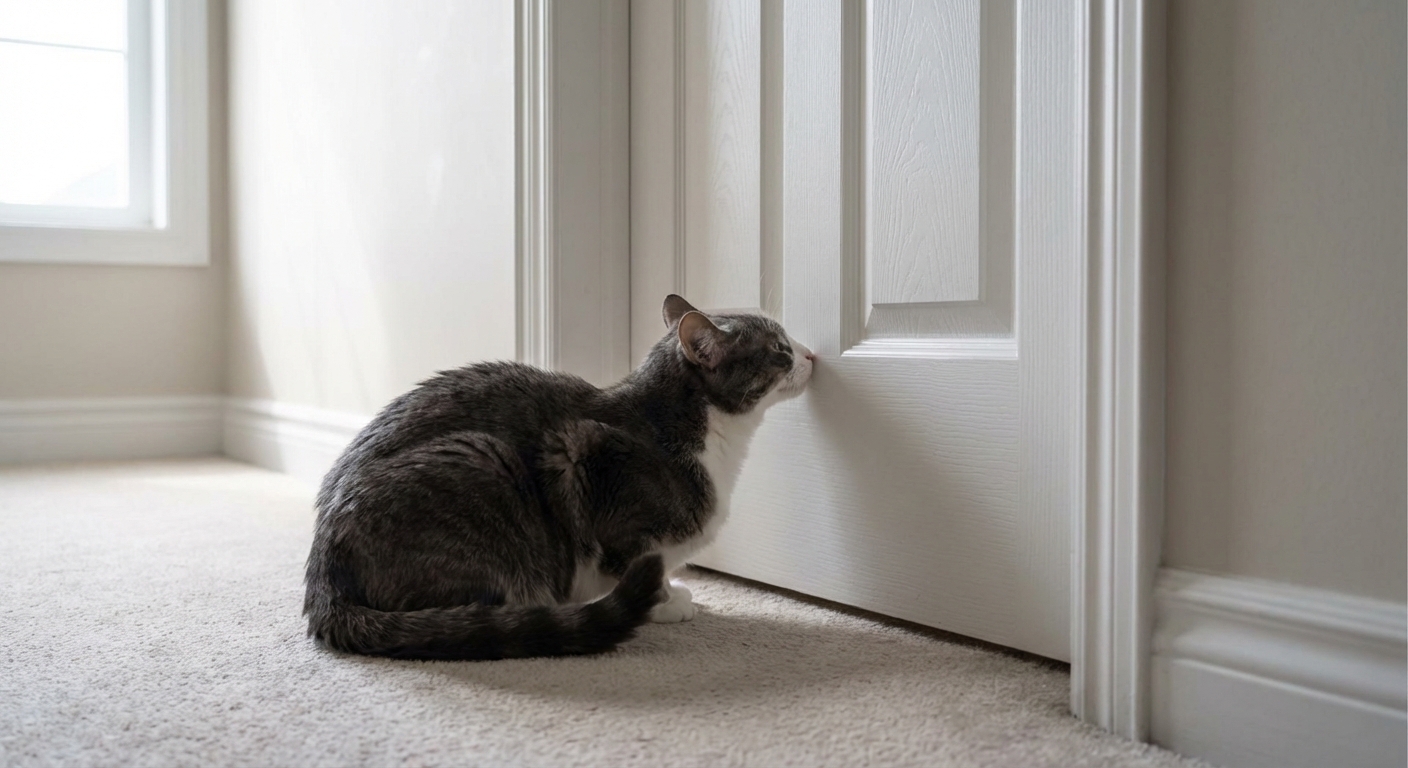
Separate cats with a solid door. Each cat gets their own litter, food, water, scratching surface, and cozy hiding spot.
Step 2: Scent swapping
Swap bedding or gently rub each cat with a soft cloth and place it in the other cat’s space. Feed high-value treats while they smell the other cat’s scent.
Step 3: Site swapping
Switch which cat gets which area of the home for short periods, so both cats learn the home does not “belong” to only one individual.
Step 4: Visual sessions
Use a baby gate, screen door, or cracked door with a doorstop. Start with short sessions. Pair with meals or treats on both sides at a distance that keeps everyone calm.
Step 5: Supervised time
Brief, calm sessions only. End on a good note. If staring, stalking, or tension rises, go back a step.
This process can take days to weeks. Slower is usually faster in the long run.
If this started after a vet visit or bath
For non-recognition situations, treat it like a reintroduction. Separate, let everyone calm down, and restart with scent and visual steps. Some families find it helps to gently re-scent the returning cat using familiar bedding (no harsh fragrances) and to keep interactions calm and predictable for a few days.
Daily habits
Predictable play, then feed
For many cats, aggression drops when you meet their hunting and energy needs. Aim for 1 to 3 short play sessions daily using a wand toy, then offer a meal. This mimics the natural hunt-eat-groom-sleep rhythm.
Reinforce calm
Quietly reward relaxed co-existence. If your cats can be in the same room without staring or tension, toss a treat to each cat. You are teaching them that good things happen when the other cat is nearby.
Reduce trigger zones
- Unblock hallways and doorways so cats can pass without a showdown.
- Add multiple resting areas so one cat cannot monopolize the “best” spot.
- Close blinds if outdoor cats are causing repeated agitation.
Pheromones and calming support
Synthetic feline facial pheromones may help some homes, especially when paired with environmental changes and reintroduction. Some cats also benefit from vet-approved calming supplements. If aggression is significant, ask your veterinarian about prescription behavioral medication. Medication is not a failure. It can be the bridge that allows training and environmental changes to work.
What not to do
- Do not punish hissing or growling. Those are warning signals. If you suppress warnings, you may get a bite with less notice.
- Do not force proximity by holding cats together or making them work it out.
- Do not chase the aggressor immediately after an incident. Use calm separation and decompression instead.
- Do not handle wounds at home only: cat bites often seal over and trap bacteria. Contact your vet for cat wounds, and seek urgent care for human bites.
When to get help
Get help from your veterinarian, a board-certified veterinary behaviorist (DACVB), or a qualified cat behavior consultant if:
- There are repeated attacks, injuries, or fear-based hiding that does not improve.
- Redirected aggression occurs after outdoor triggers.
- You have tried reintroduction more than once without progress.
- Someone in the home is afraid to separate the cats safely.
A customized plan can be life-changing, especially for multi-cat homes where stress has been building for months.
A gentle reminder
Cat aggression is not a “bad cat” problem. It is usually a stress, safety, or communication problem. When you make the home feel more predictable and provide enough space and resources, many cats relax. Start with a vet check, separate if needed, then work the reintroduction steps slowly. Small changes, done consistently, really can turn things around.
Note on “evidence-based”: These strategies align with widely used feline behavior guidance, including recommendations emphasized in AAFP and ISFM resources on feline-friendly handling and multi-cat environmental needs. Your veterinarian can help tailor the plan to your cats and your home.