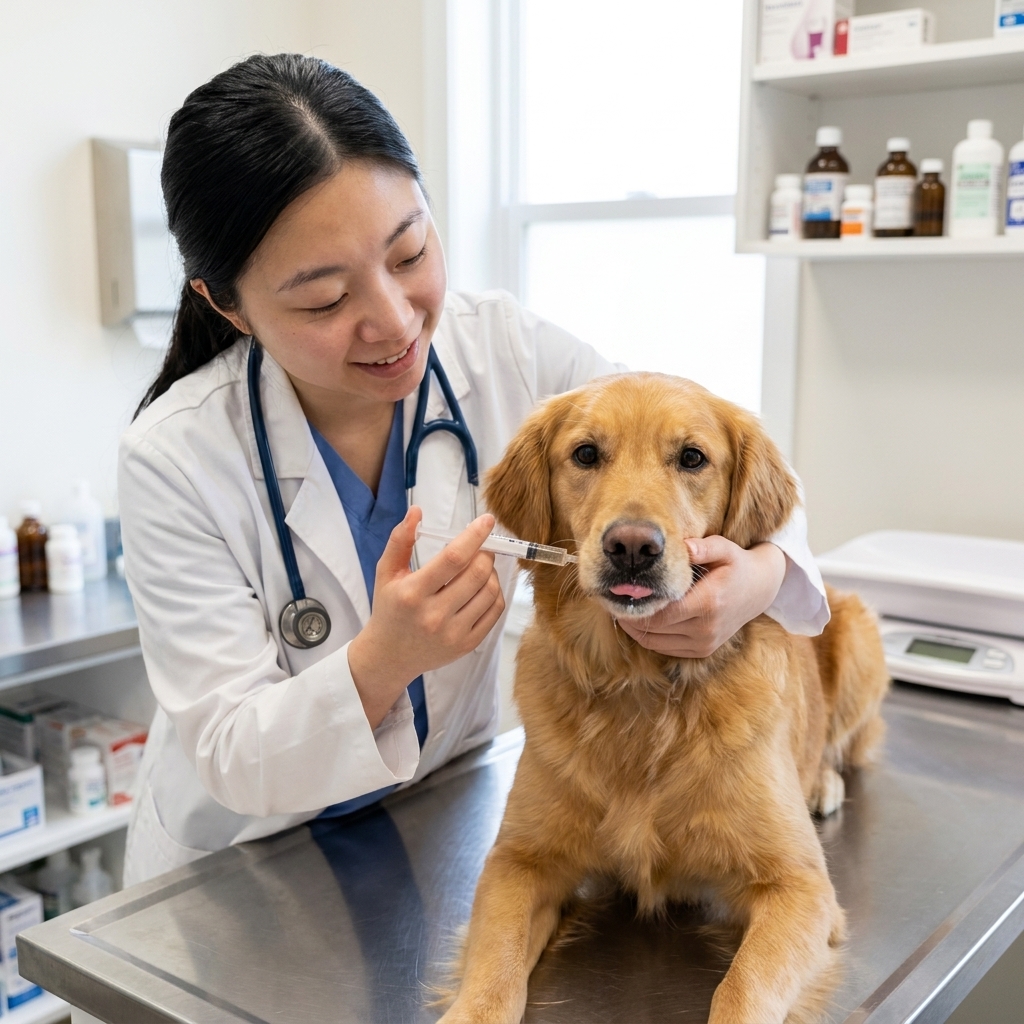
As a veterinary assistant, I have seen how much relief an NSAID can bring a sore, limping dog. I have also seen how quickly things can go sideways when a pain medication is the wrong fit, the dose is off, or a dog gets dehydrated and nobody realizes it.
NSAID stands for nonsteroidal anti-inflammatory drug. These medications reduce pain and inflammation, but they can also come with real risks.
Carprofen and meloxicam are among the most commonly prescribed NSAIDs for dogs. Both can work very well. Both can cause serious side effects in a small number of pets. And in most cases, a veterinarian is choosing between them based on your dog’s age, health history, other medications, and the type of pain your vet is trying to control.
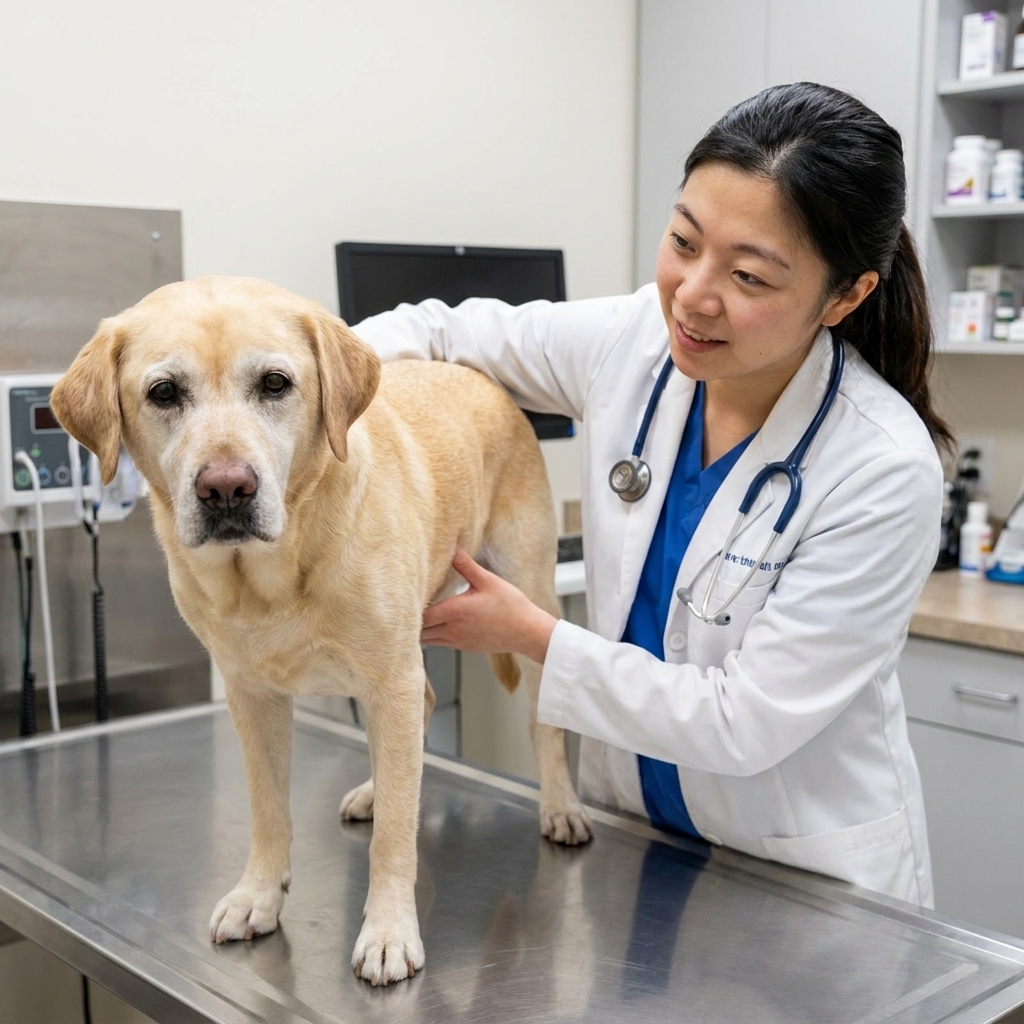
Important: This is general education, not a substitute for your veterinarian’s advice for your individual dog. Never give human NSAIDs like ibuprofen or naproxen to dogs. Do not give these medications to cats. Accidental dosing in feline housemates can be a life-threatening emergency.
Quick take: how they compare
Carprofen and meloxicam are both NSAIDs, so they share the same big-picture benefits and risks. The differences are often practical: dosing style, how a dog tolerates the specific drug, and a vet’s comfort with a specific monitoring plan.
- Carprofen is commonly used for arthritis pain and post-operative pain. It is often prescribed twice daily (BID), although some dogs may be on a once-daily plan depending on your veterinarian’s instructions.
- Meloxicam is also used for osteoarthritis and pain and inflammation. In dogs it is typically prescribed once daily (SID). Many families use the oral liquid because dosing can be very precise, though other forms may exist depending on your location and your clinic.
The most important point: neither drug is automatically “safer.” The safest NSAID is the one that is appropriately prescribed for your dog, at the right dose, with smart monitoring and quick action if symptoms show up.
What vets treat with these NSAIDs
Common pain scenarios
- Osteoarthritis and chronic joint pain (stiffness, difficulty rising, slow walks)
- Post-surgical pain (spay, neuter, orthopedic procedures, dental extractions)
- Injuries like sprains or soft-tissue inflammation
- Inflammatory conditions where reducing swelling improves comfort and function
For chronic arthritis, many dogs do best with a full pain plan that can include weight management, controlled exercise, physical therapy, joint supplements, omega-3s, and sometimes additional medications. The goal is often to use the lowest effective NSAID dose and support the body around it.
When to pause and ask first
If any of these apply, it does not automatically mean your dog cannot have an NSAID. It does mean your veterinarian needs to weigh risks carefully and may recommend a different approach or tighter monitoring:
- History of GI ulcers, GI bleeding, or recurring vomiting and diarrhea
- Kidney disease or borderline kidney values
- Liver disease or previously elevated liver enzymes
- Dehydration or a current illness that could cause dehydration
- Use of steroids (like prednisone) or another NSAID
- Complex medication plans, especially drugs that can affect kidney blood flow (your vet will review these)
GI vs kidney tradeoffs
When people ask, “Which is easier on the stomach?” or “Which is safer for the kidneys?”, I understand the instinct. But the more useful way to think about it is this: all NSAIDs can affect the stomach and kidneys. Your dog’s risk depends on dose, duration, hydration, age, underlying disease, and interactions.
Stomach and intestinal risks
NSAIDs reduce inflammation by blocking cyclooxygenase enzymes (COX). That can also reduce protective prostaglandins that help maintain the GI lining. The result can be irritation or ulceration in some dogs.
GI side effects to watch for:
- Decreased appetite
- Nausea, drooling, lip licking
- Vomiting
- Diarrhea
- Black, tarry stool (digested blood)
- Bright red blood in stool
Kidney risks
Prostaglandins also help maintain blood flow to the kidneys, especially when a dog is stressed, dehydrated, or has other illnesses. NSAIDs can reduce that protective effect, which can contribute to kidney injury in at-risk situations.
Higher-risk situations include:
- Dehydration (vomiting, diarrhea, not drinking, heavy panting, hot weather)
- Pre-existing kidney disease or borderline kidney values
- Very old dogs
- Low blood pressure events (anesthesia, shock, severe illness)
- Use with other medications that can affect kidney perfusion, such as ACE inhibitors (for example, enalapril, benazepril) and diuretics (for example, furosemide), unless your veterinarian has specifically planned for safe use
Liver considerations
Rarely, dogs can have significant liver reactions to NSAIDs, including carprofen. Most dogs never experience this, but it is one reason veterinarians may recommend periodic lab work even if your dog seems fine.
Why a vet may choose one
Here are common practical reasons a veterinarian may lean one way or the other. This is not a complete list, but it reflects how decisions often happen in real clinics.
Reasons a vet may prefer carprofen
- Good past response: your dog previously did well on it with no side effects
- Post-op protocols: some surgeons and hospitals have established routines with carprofen for certain procedures
- Tablet options: easier for some dogs than a liquid
- Dosing schedule fit: it is commonly prescribed twice daily (BID), which can work well for households that already have a morning and evening medication routine
Reasons a vet may prefer meloxicam
- Once-daily routine: meloxicam is typically once daily (SID), and simple schedules can improve consistency
- Liquid dosing flexibility: helpful for very small dogs where precise dosing matters
- Past tolerance: if a dog had GI upset on one NSAID, a vet may try another NSAID with careful guidance
What does not usually decide it
Price and convenience can matter, but the biggest driver should be your dog’s risk profile and the clinic’s monitoring plan. If your dog has kidney disease, liver disease, a history of GI ulcers, or is on other medications, the conversation changes.
Monitoring: what safe use looks like
The best safety tool with NSAIDs is not guessing. It is monitoring, plus fast communication if anything changes at home.
Before starting
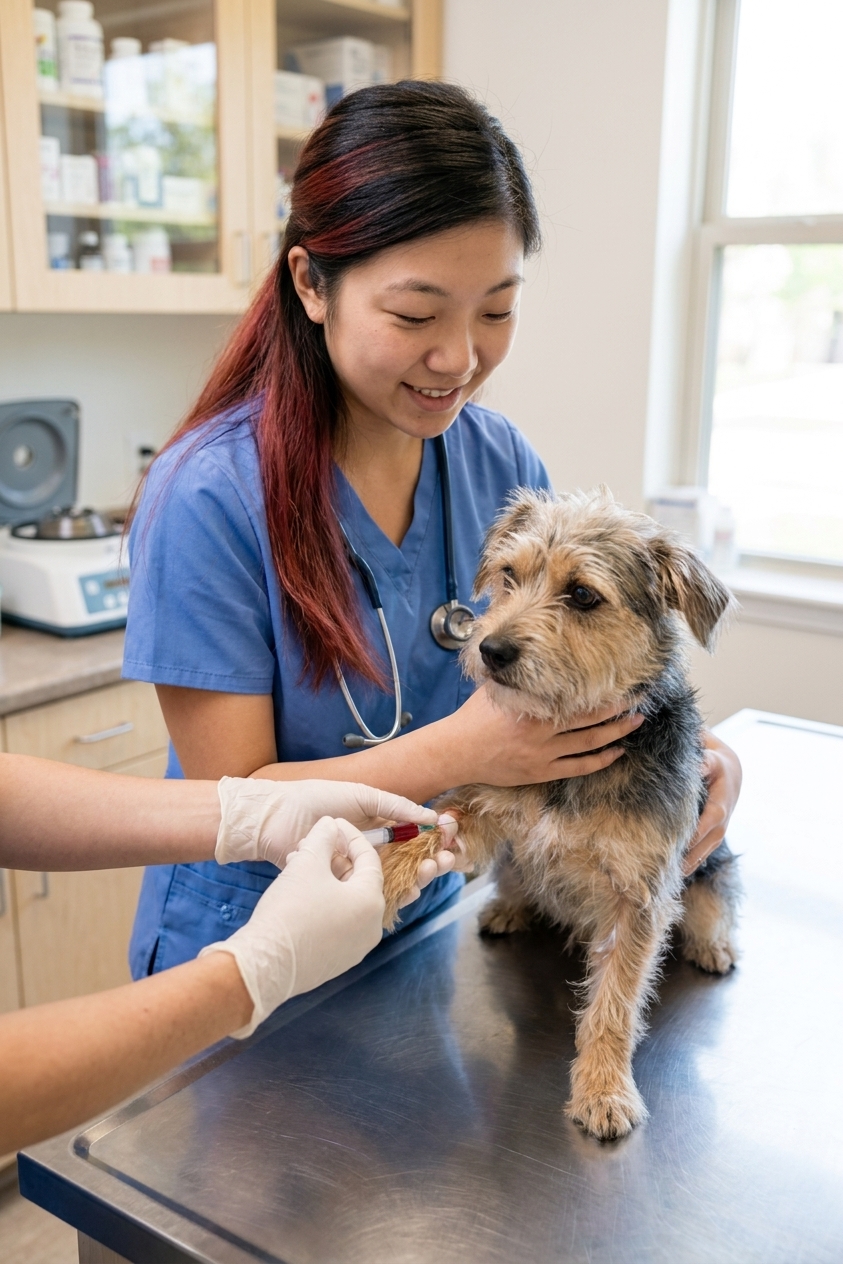
- Baseline bloodwork is commonly recommended, especially for seniors or long-term therapy. This typically includes kidney values (BUN, creatinine), liver enzymes (ALT, ALP), electrolytes, and sometimes a urinalysis.
- Medication review: tell your vet everything, including supplements. Many “natural” products still interact with prescriptions.
After starting
- Recheck labs often occur within a few weeks for higher-risk dogs, then periodically for long-term use (your vet will set the schedule).
- Home monitoring matters daily: appetite, energy, drinking, urination, vomiting, stool quality, and overall comfort.
If your dog is on an NSAID long-term
Ask your veterinarian about the lowest effective dose, whether dosing can be adjusted, and whether adding other pain-control strategies can reduce NSAID dependence. Many dogs do better on a layered plan rather than escalating an NSAID alone.
Red flags: stop and call
If your dog develops any of the following after starting carprofen or meloxicam, contact your veterinarian right away. If symptoms are severe, go to an emergency clinic.
- Repeated vomiting or inability to keep water down
- Diarrhea that is persistent or worsening
- Black, tarry stool or any blood in vomit or stool
- Sudden loss of appetite lasting more than one meal
- Extreme lethargy, weakness, collapse
- New or increased drinking and urination
- Yellow tint to gums, whites of the eyes, or skin (jaundice)
- Abdominal pain or a “praying” posture
- Wobbly gait, disorientation, or seizures
Do not “wait it out” and do not give a second NSAID, aspirin, or a steroid to try to help. Layering these drugs can sharply raise ulcer and bleeding risk.
Interactions and washout
This is one of the biggest preventable safety issues I see. NSAIDs and steroids overlap in side effects, especially GI ulceration and bleeding.
Use extra caution with
- Steroids (prednisone, prednisolone, dexamethasone)
- Other NSAIDs (including aspirin unless your vet specifically instructs it)
- ACE inhibitors (for example, enalapril, benazepril) and diuretics (for example, furosemide), since combinations can raise kidney risk in some dogs
- Some chemotherapy drugs or other complex medical protocols
If switching from one NSAID to another, veterinarians often recommend a washout period. This is often 5 to 7 days for NSAID-to-NSAID changes, but it can be longer in some situations, especially when steroids are involved. Follow your vet’s instructions exactly since risk is highest during transitions.
Make it safer at home
- Give exactly as prescribed. Never “double up” after a missed dose.
- Never adjust the dose based on another pet’s prescription. Even dogs of similar size may have different safe doses.
- Measure liquids carefully. Use the dosing syringe or device your clinic provides, not a kitchen spoon.
- Use vet-approved pain relief only. Human medications are a common cause of toxicity.
- Encourage hydration. If your dog is not drinking well, tell your vet before giving the next dose.
- Give with food if your vet recommends it. This can help some dogs tolerate NSAIDs better.
- Keep a simple log for the first 2 weeks: appetite, vomiting, stool, energy, and comfort on walks.
- Plan for heat. During hot weather, dehydration can happen fast. Extra shade, shorter walks, and water breaks matter even more for dogs on NSAIDs.
- Protect other pets. Store medications securely and never share them. This is especially important in multi-pet homes, since cats are at high risk from accidental exposure.

FAQs
Can my dog take carprofen and meloxicam together?
Typically no. Combining NSAIDs increases the risk of GI ulceration, bleeding, and kidney injury. Only do this if a veterinarian has explicitly prescribed it, which is uncommon.
Which one is better for arthritis?
Either can help. The “better” choice is the one your dog responds to with the fewest side effects, plus a smart long-term plan that includes weight, exercise, and follow-up lab work.
If my dog vomits once, do I stop the medication?
Call your veterinarian for guidance. One isolated vomit could be unrelated, but it can also be an early warning sign, especially if your dog is new to the drug or has other risk factors.
Bottom line
Carprofen and meloxicam can both be excellent tools for pain relief in dogs. The real decision is not just “which drug,” but which dog. Your veterinarian is weighing pain control against GI, kidney, and liver risks, then building a monitoring plan to catch problems early.
If your dog starts either medication, be proactive. Watch appetite and stool, protect hydration, avoid combining pain meds without approval, and follow through on recommended bloodwork. That is how we keep the benefits and lower the risks.