A practical, vet-informed guide to dog arthritis care: recognize signs, confirm diagnosis, improve traction and comfort at home, use joint supplements, and k...
Article
•
Designer Mixes
Caring Signs of Dog Hip Dysplasia: Key Insights and Tips

Shari Shidate
Designer Mixes contributor
As a veterinary assistant here in Frisco, Texas, I meet a lot of dogs who are brave, loving, and quietly uncomfortable. Hip dysplasia is one of those conditions that can start with subtle “off” moments and slowly become a bigger mobility issue. The good news is that early recognition and kind, consistent care can make a real difference in comfort and quality of life.
This article will help you spot caring signs (common signs) that your dog might be struggling, understand what is happening in the hip joint, and take practical steps that support your dog right away while you work with your veterinarian.
What hip dysplasia is
Hip dysplasia is a developmental condition where the hip joint does not form and fit together as it should. The hip is a “ball-and-socket” joint. When the joint is loose or misshapen, it can move abnormally, which irritates tissues and often leads to arthritis over time.
Hip dysplasia can show up in young dogs (especially large and fast-growing breeds), or it can become most obvious later in life when arthritis sets in. Many mixed breeds can be affected too, including popular designer mixes.
Caring signs your dog may have hip dysplasia
Dogs are experts at adapting. Instead of obvious limping, you may notice small changes in posture, movement, or mood. Here are the most common signs I recommend pet parents watch for.
- “Bunny hopping” with the back legs when running or going up stairs
- Stiffness after rest, especially first thing in the morning or after naps
- Difficulty rising from lying down or sitting
- Reluctance to jump into the car, onto the couch, or off the bed
- Slower on walks or wanting to turn back sooner than usual
- Swaying hips or a wobbly rear end gait
- Rear leg lameness that comes and goes
- Muscle loss in the thighs (from using the back legs less)
- More weight on the front end because the dog shifts load forward to avoid hip pain
- Sensitivity when touched near the hips or lower back
- Behavior changes like irritability, hiding, or not wanting to be handled
- Decreased playfulness or stopping mid-play to sit or lie down
If you notice any of these, you are not overreacting. You are paying attention, and that is a loving thing to do.
Quick note: These signs are not exclusive to hip dysplasia. Knee injuries (like cruciate tears), luxating patella, back pain, and even some neurologic issues can look similar. That is why a vet exam matters.
Key insights
A few practical truths can help you make sense of what you are seeing at home and choose kinder, smarter support.
1) It is not just an old dog problem
Some dogs show signs as puppies or adolescents, especially during growth spurts. Others seem fine for years, then arthritis makes the issue more noticeable.
2) Weight matters
Even a few extra pounds can increase joint stress. Keeping your dog lean is one of the most evidence-supported ways to reduce joint load and improve comfort, and it may help slow arthritis changes over time.
3) Slippery floors can make it look worse
Hard floors reduce traction. Dogs with mild hip instability may suddenly seem much worse on tile or wood because they cannot stabilize their hips as easily.
4) Many dogs improve with a plan
Hip dysplasia management is often a combination of lifestyle changes, targeted exercise, pain control, and sometimes surgery. There is no one-size-fits-all, but there are many workable options.
What to do at home now
While you schedule a vet visit, these steps can support comfort without guessing at medications. Think of this as making your home easier to move through, and your dog’s daily activity more predictable.
Reduce slipping
- Add runners or yoga mats along common walking paths.
- Use non-slip socks or booties if your dog tolerates them.
- Keep nails trimmed and paw pads maintained for traction.
Make movement easier
- Use ramps for the car or furniture if jumping seems painful.
- Try a harness with a handle or a support sling for stairs.
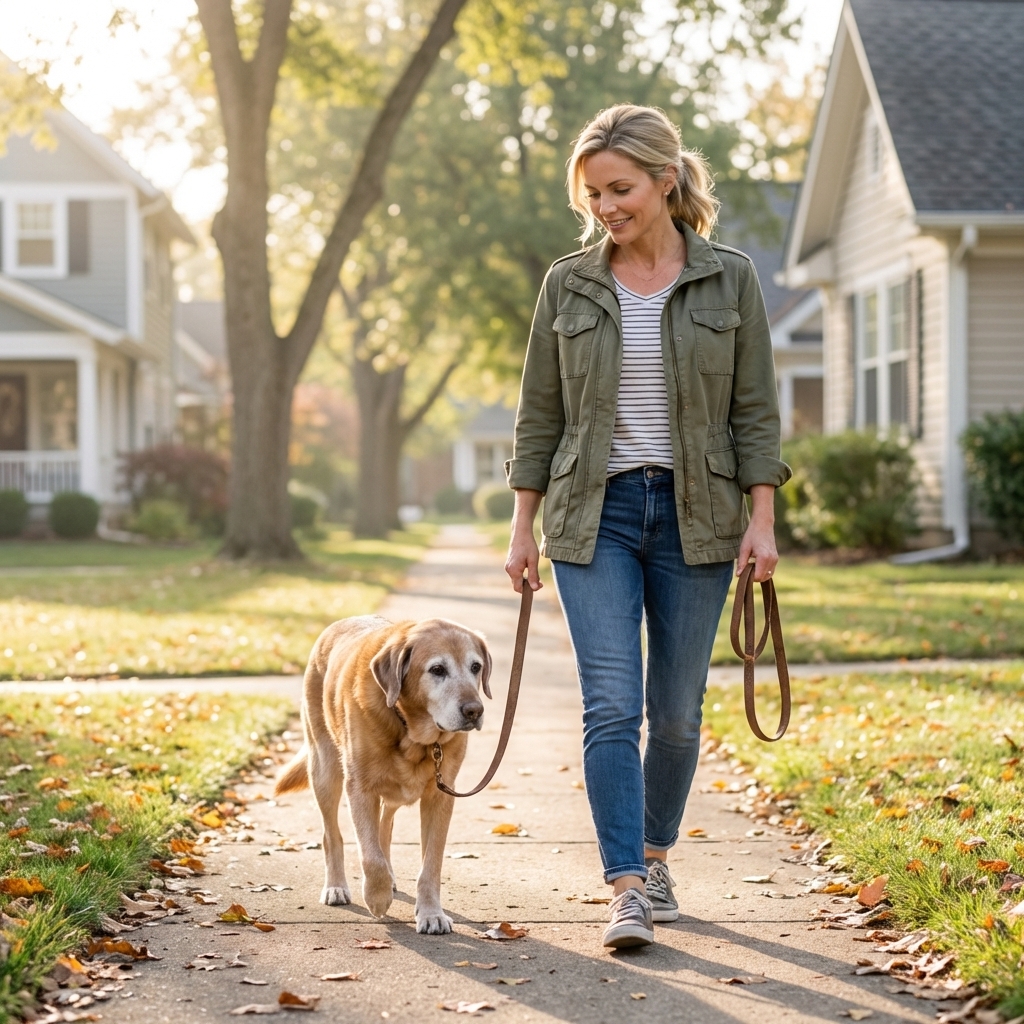
- Choose shorter, more frequent walks instead of one long walk.
Choose gentle conditioning
- Consistent low-impact exercise helps preserve muscle that supports the hip joint.
- Avoid sudden sprints, repetitive jumping, and rough play on slippery surfaces.
- Swimming or underwater treadmill therapy can be excellent if your veterinarian approves.
Comfort upgrades
- Use an orthopedic bed with good support.
- Keep your dog warm and dry in cold weather if you notice stiffness tends to flare for your dog.
Important: Do not give human pain medications unless your veterinarian specifically instructs you. Several common human meds can be dangerous or fatal to dogs.
Also important: Try not to “test” the hips at home by forcing range of motion or stretches. If something hurts, a dog may tense up or react, and you can accidentally make things worse. Gentle, guided exercises are best.
When to call the vet
If your dog is limping, hesitant to move, crying out, or gradually worsening, contact your veterinarian. If the symptoms are mild but persistent, it is still worth scheduling an appointment soon so you can catch changes early.
Go in urgently
- Non-weight-bearing on a leg
- Sudden severe pain or yelping and refusing to move
- Trauma (hit by car, fall, rough collision)
- Dragging the back legs, sudden weakness, or loss of bladder control
What to expect at the visit
- Orthopedic exam to assess hip range of motion and pain
- X-rays to evaluate hip structure and arthritis (your vet may recommend sedation for accurate positioning and comfort)
- Weight and body condition scoring to set a safe goal
- Medication options such as veterinary NSAIDs, often with monitoring and sometimes additional medications for multimodal pain control
- Rehab plan including strengthening and controlled activity, and stretching only if recommended and guided by your veterinarian or a rehab professional
- Supplements tailored to your dog (more on this below)
- Surgical consultation in more severe cases or in specific young-dog scenarios
A great appointment goal is to leave with a written plan: what exercise is safe, what is not, what changes to make at home, and how to measure progress.
Nutrition and hip comfort
Nutrition cannot change hip anatomy, but it can absolutely influence inflammation, weight, and muscle maintenance.
- Keep your dog lean: ask your vet for a target weight and body condition score, and consider weekly weigh-ins.
- Prioritize quality protein: muscle is joint protection.
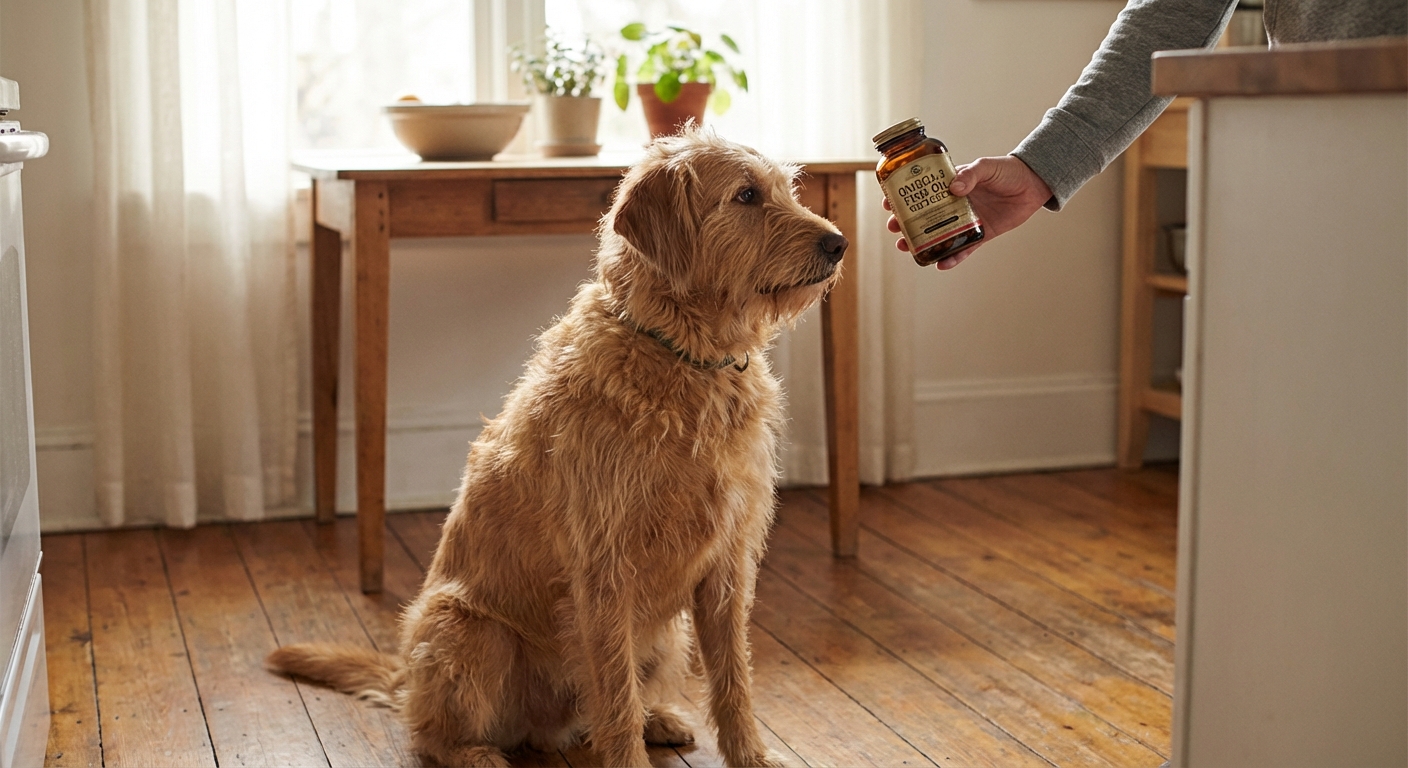
- Consider omega-3s (EPA and DHA): there is good evidence they can support joint comfort for many dogs when dosed appropriately.
- Other joint supplements: evidence is mixed for many popular options. Some dogs do seem to benefit, but it is best to ask your vet what is worth your money and what fits your dog’s medical history.
- Go slow with diet changes: sudden switches can upset the gut. Gradual transitions are kinder and more sustainable.
If you are interested in adding fresh foods, start small. Even mixing in a little gently cooked, dog-safe whole food can be a step in the right direction when done thoughtfully.
For puppies and young large breeds
If your dog is still growing, talk to your veterinarian about a large-breed growth diet and avoiding overfeeding. Controlled growth and a lean body condition can be especially helpful for developing joints.
Treatment options to know
Your veterinarian will guide you based on your dog’s age, X-rays, and pain level. Some common options you may hear about include:
- Rehab and physical therapy: strengthening, controlled exercise plans, and modalities recommended by a trained professional.
- Injections: in some cases, your vet may discuss joint injections or other newer therapies.
- Surgery: options can include femoral head ostectomy (FHO) or total hip replacement for some adult dogs, and procedures like juvenile pubic symphysiodesis (JPS) or triple pelvic osteotomy (TPO) in select young dogs.
You do not need to memorize these. I mention them so you feel less blindsided if they come up during the conversation.
Weekly mobility check
Take 2 minutes once a week and jot down notes. It is surprisingly helpful for seeing patterns and for your vet appointment.
- How quickly does your dog stand up from lying down?
- Any hesitation on stairs?
- Any bunny hopping when running?
- Changes in willingness to jump?
- Is your dog sore after exercise, or better once warmed up?
- Any slipping on floors?
If you can safely do so, a short video of your dog walking away from you and back toward you on a leash can be extremely helpful for your veterinarian.
Hopeful takeaway
Hip dysplasia can feel scary at first, but many dogs do very well with a compassionate, consistent plan. Your job is not to diagnose it alone. Your job is to notice, support, and advocate. If you are seeing early signs, you are already doing something important: paying attention.
Gentle movement, a healthy weight, and a safe home setup are three of the biggest comfort boosters you can start today.