Clear, evidence-based guide to feral cats: definition, feral vs stray signs, colony life, health risks, TNR basics, daily feeding/shelter tips, and when vet ...
Article
•
Designer Mixes
Caring for Feral Cats

Shari Shidate
Designer Mixes contributor
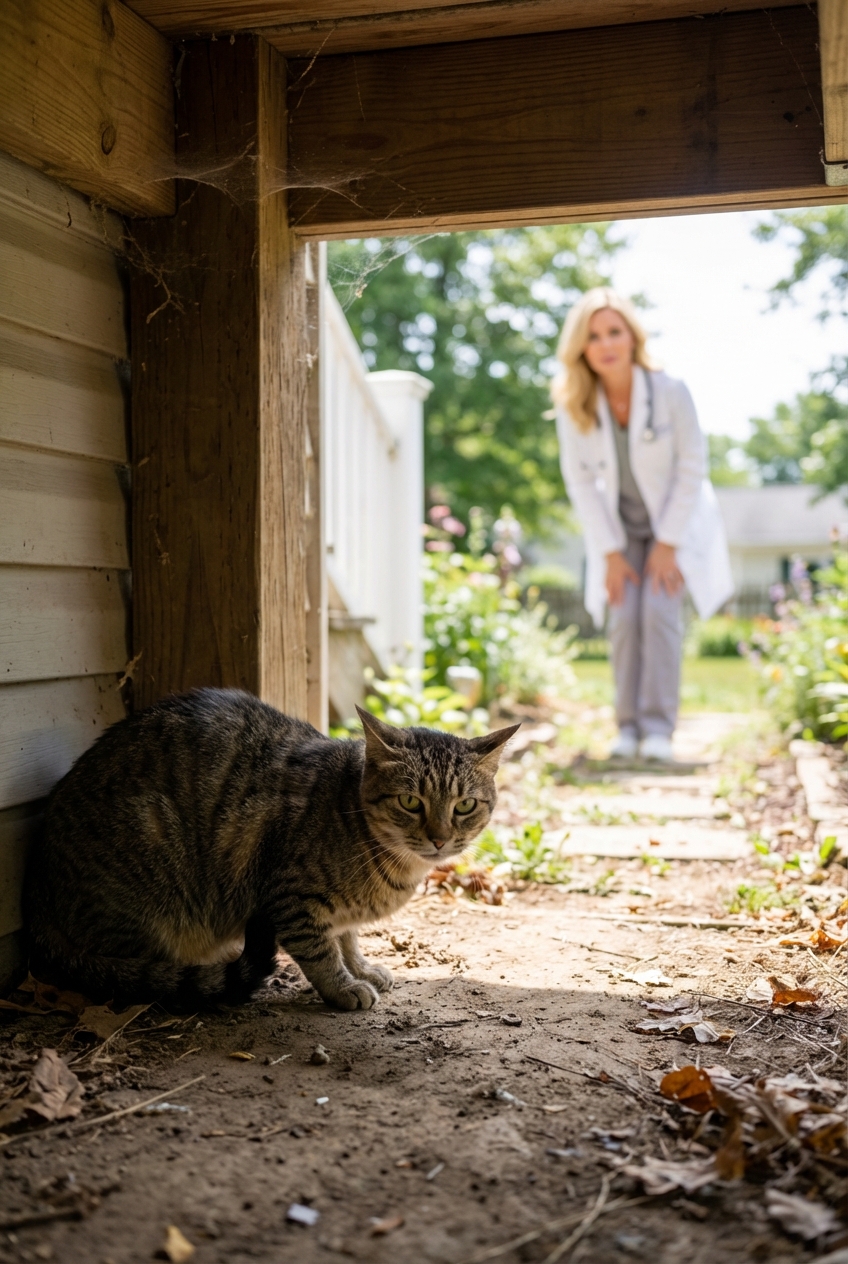
As a veterinary assistant here in Frisco, Texas, I have learned something important about feral cats: the best care is the kind that respects who they are. Feral cats are not “lost pets” waiting to be cuddled. They are unsocialized, outdoor-living cats who often do best when we support them from a safe distance with food, shelter, and most importantly, spay and neuter.
This overview walks you through practical, evidence-based ways to help feral cats while protecting your own safety, your neighbors, and the cats themselves.
Quick local note: Rules and resources can vary by city and county. In North Texas, rabies requirements and clinic protocols may differ between programs, so always check local ordinances and your chosen clinic’s instructions before you trap.
Feral vs. stray
Before you jump in, it helps to identify what you are dealing with. The right plan depends on whether the cat is feral, stray, or an owned outdoor cat.
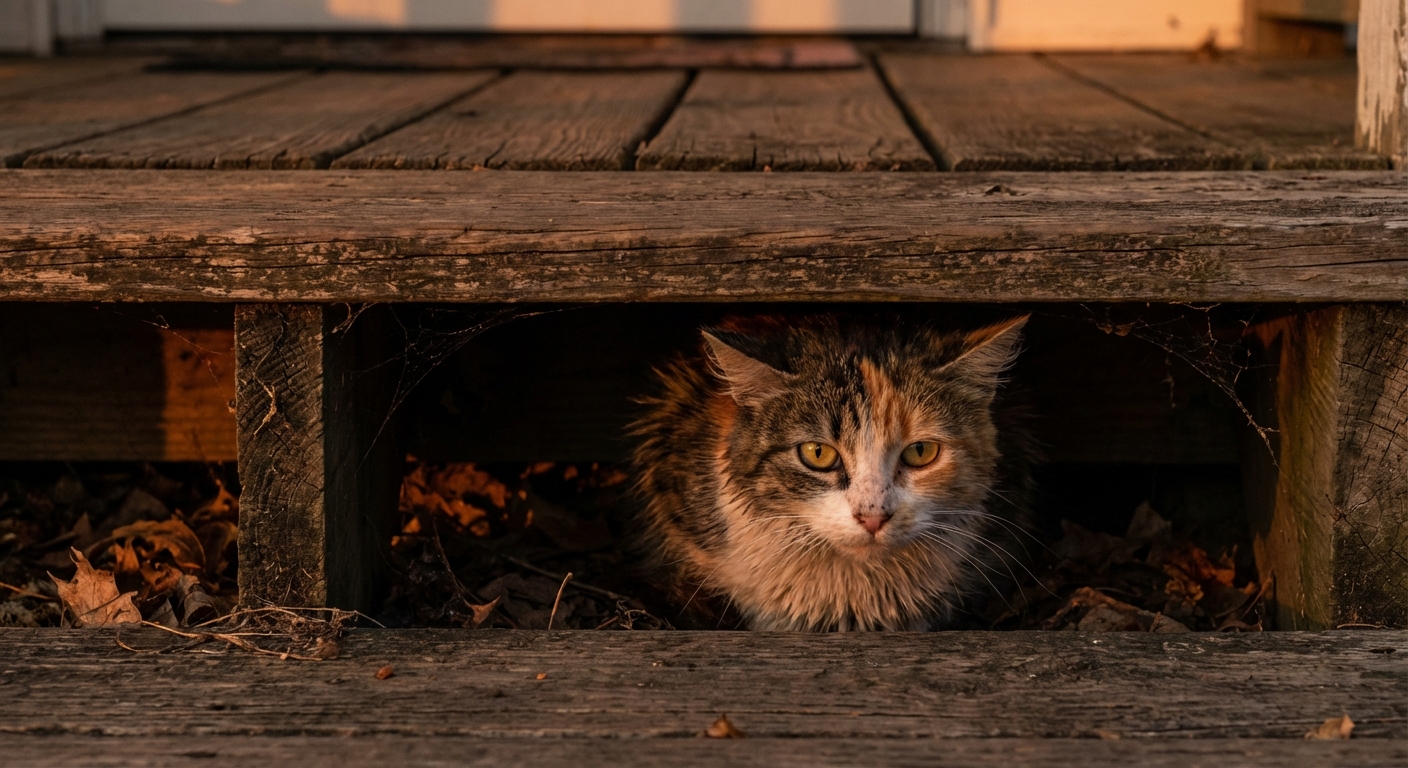
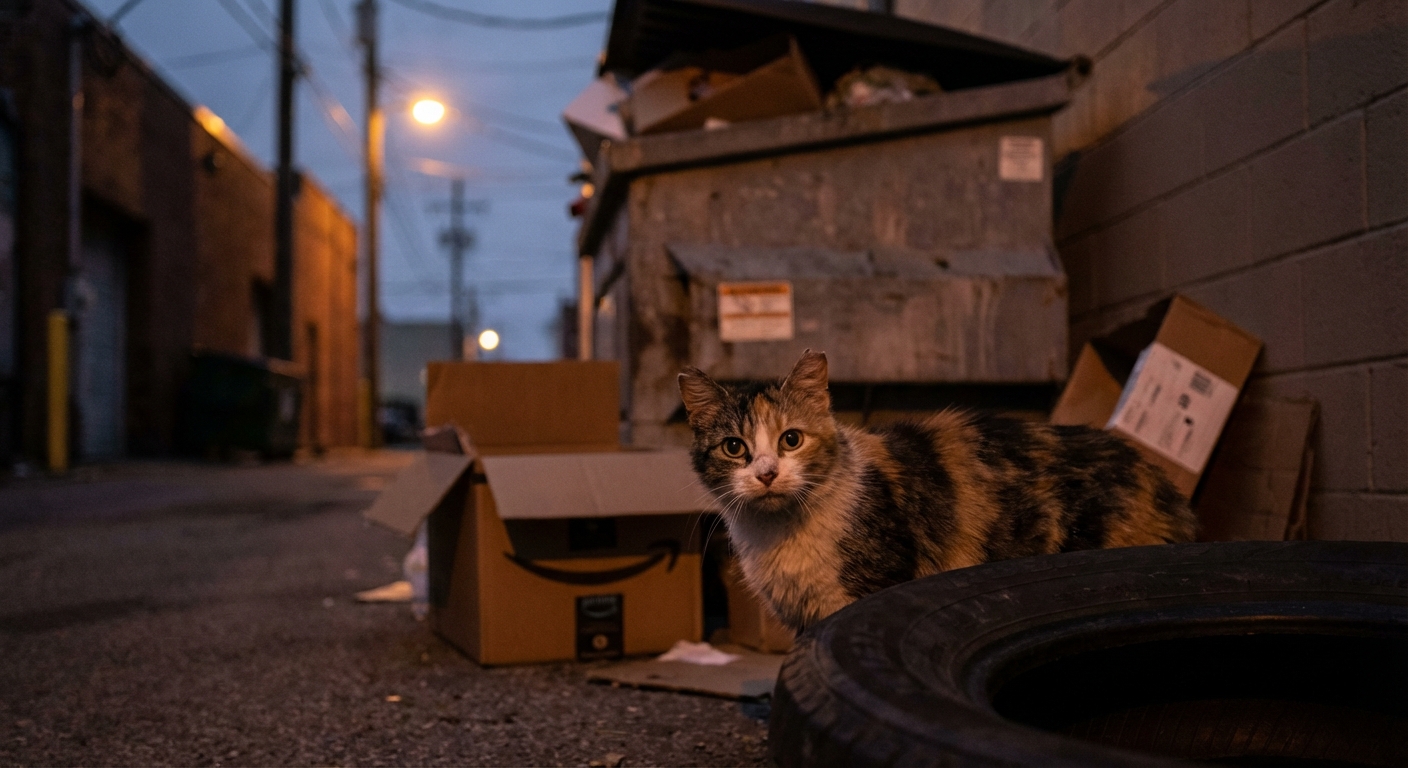
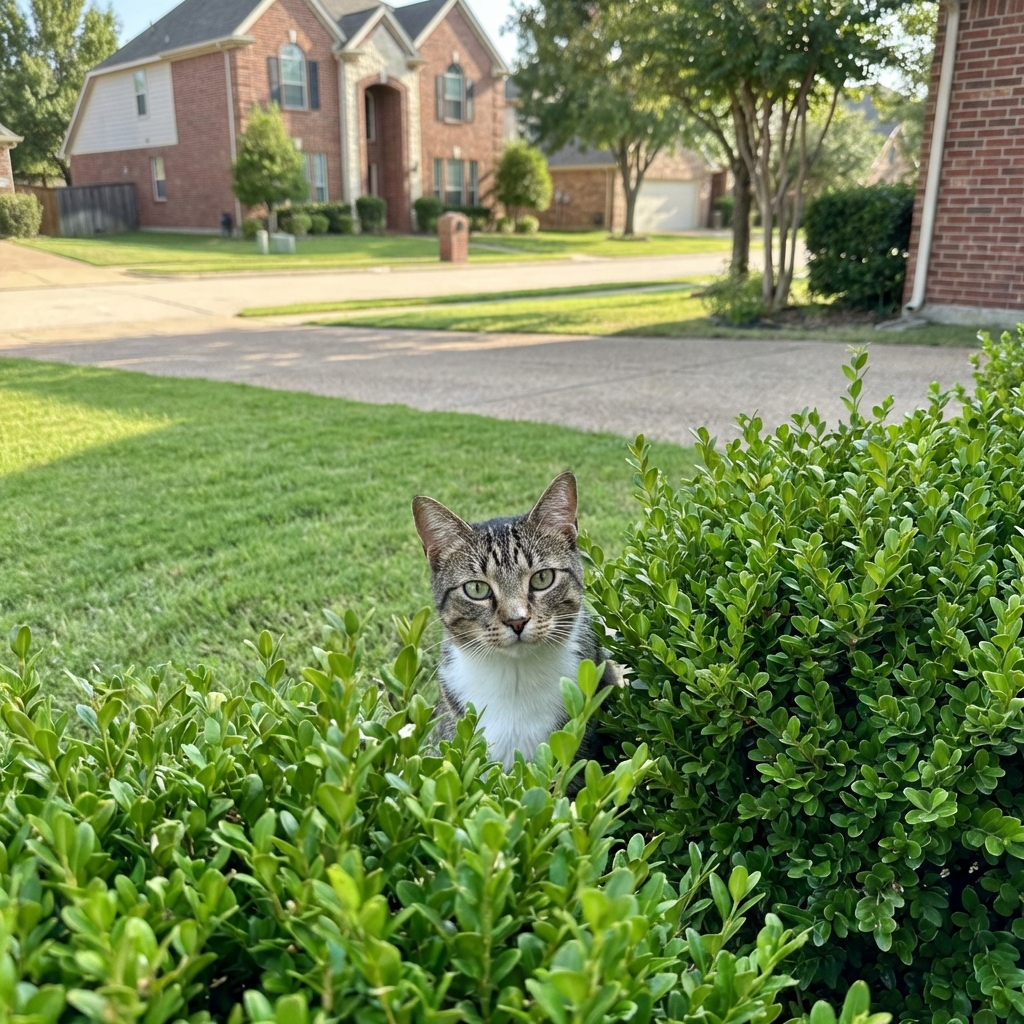
- Feral cat: Keeps distance, retreats or hides when you approach, avoids interaction, and usually cannot be handled safely.
- Stray cat: May approach people or linger on porches, might meow, and can sometimes be re-socialized.
- Owned outdoor cat: Typically well-fed with a clean coat and may look comfortable around people. Some owned cats do not wear collars.
Quick tip: If you can stand still and the cat chooses to come within a few feet without panicking, there is a decent chance it is a stray or friendly community cat rather than truly feral.
Microchip tip: If a cat is friendly enough to be safely contained in a carrier, have it scanned for a microchip. Many shelters and veterinary clinics will scan at no cost.
Safety first
Feral cats can bite or scratch when frightened. Those injuries are not “minor” because cat bites in particular can cause deep infections.
- Do not attempt to pick up a feral cat or corner it in a garage.
- Use thick gloves only if you must move an object near a hiding cat, not to handle the cat.
- Keep kids and pets inside during trapping and feeding times.
- Assume any unknown cat could carry parasites like fleas or intestinal worms and could be unvaccinated.
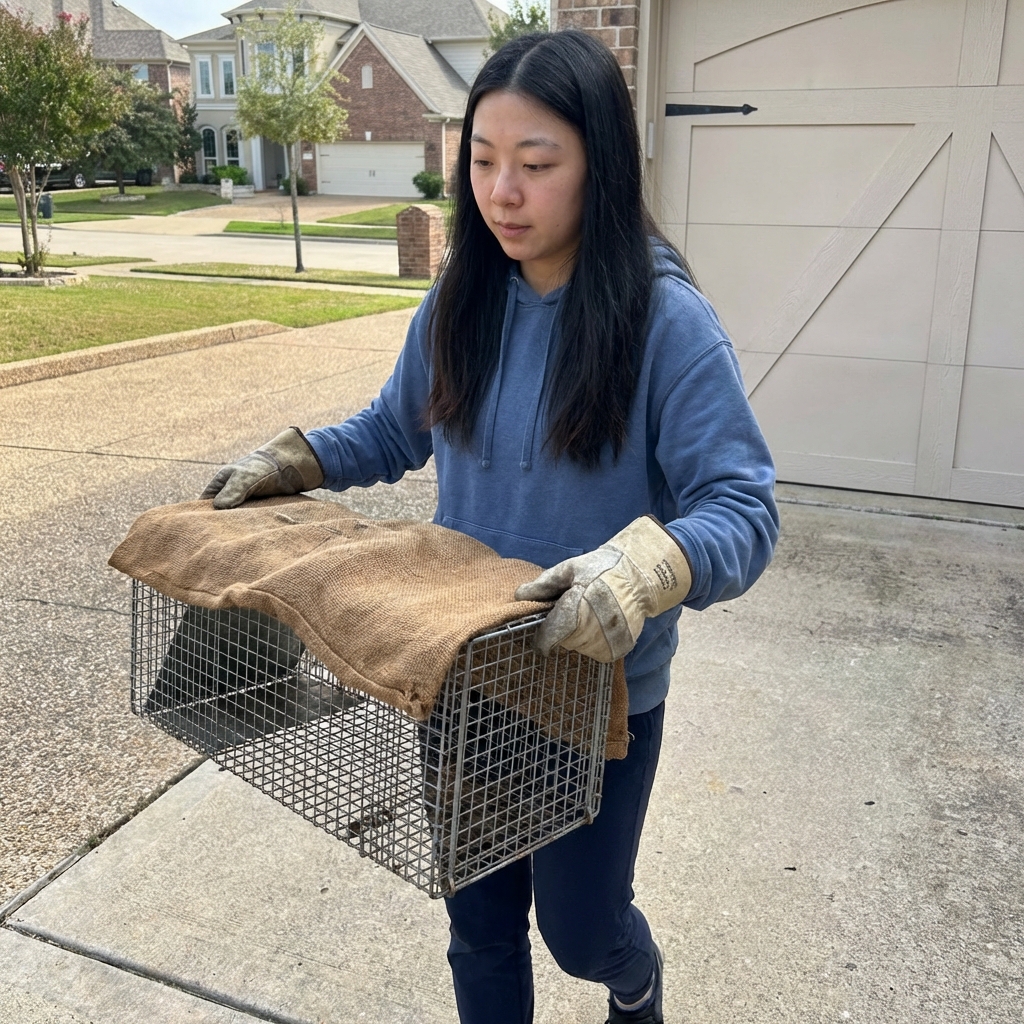
- Use the right equipment for transfers: Trap dividers and transfer cages can reduce risk, but they are best used by trained caretakers with appropriate setup.
If you are bitten or scratched and the skin breaks, wash thoroughly with soap and water and contact a medical professional promptly.
TNR basics
If you do only one thing for feral cats, make it TNR. It is widely used by shelters and community cat programs because it stabilizes colonies and reduces future litters. Fixed cats are also less likely to roam, fight, and yowl.
In our clinic, we see the difference after cats are fixed. There are fewer bite wounds from fighting and fewer heat-cycle behaviors that bring complaints from neighbors.
What TNR includes
- Trap: Humanely trap the cat using a box trap and bait.
- Neuter or spay: Surgery plus pain control and, depending on the program, vaccines.
- Rabies vaccine: Often included in TNR, but it varies by clinic and local requirements.
- Ear tip: A small ear-tip done while the cat is under anesthesia to show the cat is already fixed. Cats typically recover quickly.
- Return: Release the cat back to the same location once fully awake and stable.
Why return matters: Relocating feral cats often fails unless it is done through a structured relocation program with proper acclimation. Cats are territorial, and removing a colony can lead to a “vacuum effect” where new unfixed cats move in and the cycle starts again.

Trapping plan
Trapping sounds intimidating, but a calm, step-by-step approach makes it manageable.
What you need
- Humane box trap (standard community cat size)
- Trap cover (towel or sheet)
- Newspaper or puppy pads for under the trap
- Bait (tuna in oil, sardines, warmed canned cat food)
- Zip ties or clips (optional for securing covers)
- Label with your name, phone number, and clinic drop-off info
- Vehicle protection (tarp, plastic liner) and a way to secure the trap level
1) Build a routine
Feed at the same place and same time daily for at least 7 to 10 days. Consistency is your secret weapon.
- Pick a quiet spot away from heavy foot traffic.
- Offer food for 30 minutes, then remove leftovers. This helps prevent attracting wildlife and makes the cats more trap-ready.
- Provide fresh water daily.
2) Line up clinic support
Before you trap, confirm where the cat will go and what the clinic requires. Many TNR clinics have specific drop-off times and rules.
- Ask whether rabies vaccination and ear-tipping are included.
- Ask what payment is due and whether vouchers exist.
- Confirm how they handle nursing moms, pregnant cats, and kittens.
- Ask about fasting guidance. Make the clinic’s instructions your rulebook.
3) Trap the right way
- Use a humane box trap, not a carrier and not a homemade device.
- Follow the clinic’s feeding instructions the day before surgery. Some clinics request fasting; others adjust guidance for kittens or small cats.
- Cover the trap immediately with a towel or sheet after the cat is inside. Darkness reduces panic.
- Never leave a set trap unattended. Stay within sight or close enough to check frequently so the cat is not stuck for hours or exposed to heat, rain, or predators.
Transport tip: Keep the trap level, secure it so it cannot slide, and keep your vehicle climate-controlled. Never leave a trapped cat in a hot car, even for a few minutes.
Hot weather tip (Texas): In summer, schedule trapping and drop-off early in the morning when possible. Garages can overheat fast, so choose an indoor recovery space that stays safe.
After surgery
After surgery, feral cats should recover in the trap or in a safe transfer cage if you are trained and have the right equipment. The goal is quiet observation, not handling.
Recovery basics
- Hold in a warm, quiet, indoor space like a laundry room, spare bathroom, or another temperature-controlled area. Avoid extreme temperatures.
- Keep the trap covered to reduce stress.
- Use puppy pads or newspaper under the trap for easy cleanup.
- Watch breathing and alertness. The cat should gradually become more responsive as anesthesia wears off.
Release timing
Release timing varies by clinic protocol, weather, and the cat’s condition. Use your clinic’s guidance as the final word.
- Male cats: often around 24 hours if bright, alert, and stable.
- Female cats: often 24 to 48 hours, sometimes longer depending on spay type, pregnancy status, complications, and clinic guidance.
Call the clinic if the cat is bleeding, cannot hold its head up long after surgery, has labored breathing, or seems unable to wake normally.
Feeding without conflict
Feeding can be compassionate and responsible at the same time. Done well, it supports TNR success and keeps cats healthier.
Best practices
- Feed on a schedule and remove bowls after 30 minutes.
- Use washable dishes and keep the area tidy.
- Provide water daily, especially in hot Texas summers.
- Do not leave big piles of dry food out all day. It can attract raccoons, opossums, and insects.
What to feed
A complete commercial cat food is generally the most balanced option. If you want to add extras, do so as a small topper, not the whole meal.
- Good staples: canned or dry cat food from a reputable brand.
- Helpful for hydration: wet food, especially in hot or dry weather.
- Avoid: milk, heavily seasoned leftovers, cooked bones, and anything moldy or spoiled.
Neighbor basics
Small steps can prevent big problems.
- Keep feeding discreet, clean, and consistent.
- Clean up spilled food daily and rinse bowls.
- If possible, place feeding away from property lines and play areas.
- Consider a simple note or sign with your feeding time and a contact method, especially if you are working with a TNR group.
When not to feed
If feeding is triggering repeated wildlife conflict, if there is a suspected disease outbreak in the colony, or if you are dealing with clear property restrictions, pause and coordinate with a local TNR group or shelter for a plan. Sometimes the safest move is adjusting location and timing, not stopping care entirely.

Shelter basics
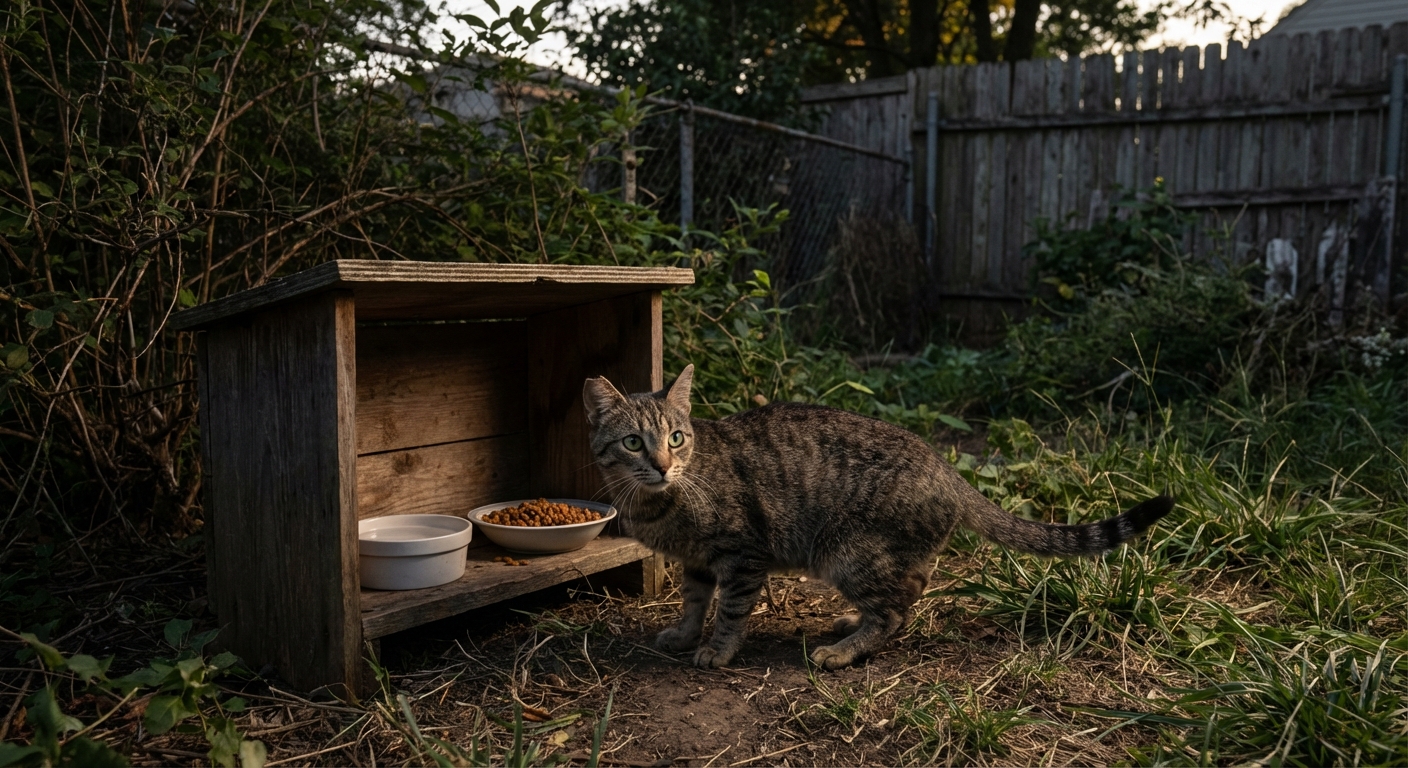
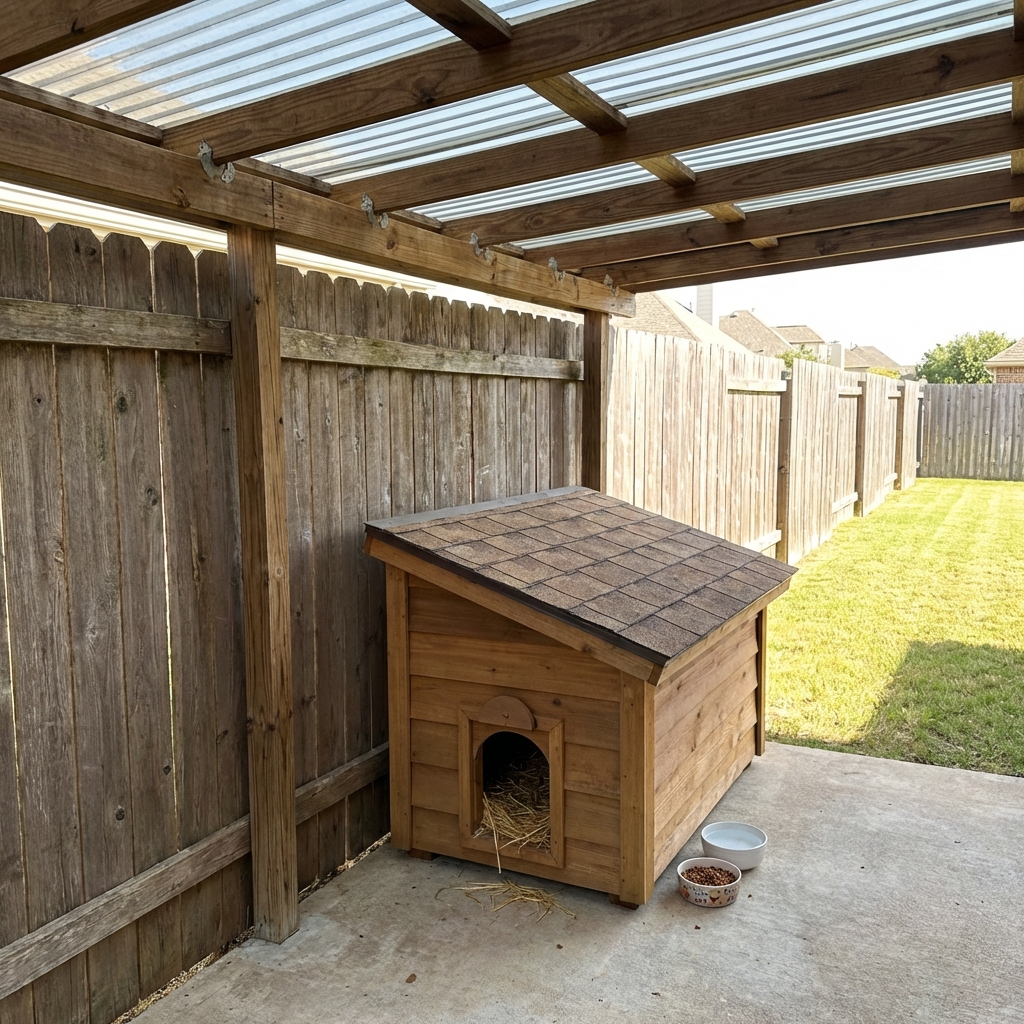
Feral cats need protection from wind, rain, and temperature extremes. A good shelter is small, dry, insulated, and placed where the cat already feels safe.
Shelter essentials
- Insulation: Use foam insulation panels or a thick-walled tote shelter.
- Dry bedding: Straw is preferred over blankets because it resists moisture and stays warmer.
- Small entrance: Helps hold heat and discourages predators.
- Placement: Quiet, shaded, and slightly elevated if flooding is possible.
In winter cold snaps, even a simple insulated tote with straw can make a meaningful difference.
Health signs
You cannot do nose-to-nose checkups with feral cats, but you can still monitor their well-being by observing posture, coat, breathing, appetite, and movement.
Urgent signs
- Open-mouth breathing or obvious respiratory distress
- Severe limping or an inability to bear weight
- Large swelling, bleeding, or visible wounds
- Head tilt, stumbling, or seizures
- Not eating for more than 24 to 48 hours when food is usually taken
- Eyes sealed shut with discharge or extreme squinting
If you see these signs, contact a local shelter, rescue, or TNR group for guidance on trapping for medical care. When in doubt, ask for help. It is kinder to act early than to wait.
Kittens and friendly cats
Kittens and socialized cats often have a much better chance at indoor homes. Timing matters.
General guidelines
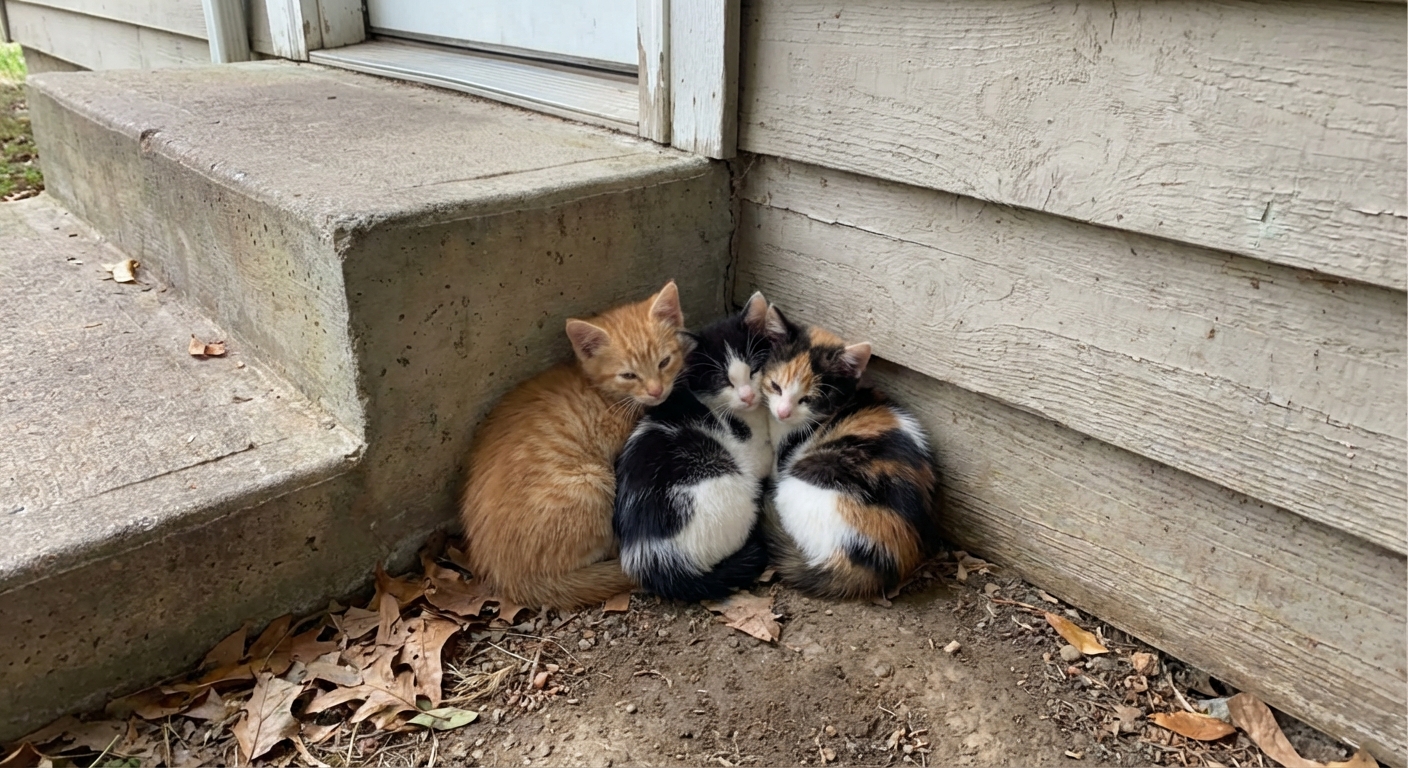
- Young kittens: If they are small and can be safely contained, they may be candidates for fostering and socialization.
- Mom with kittens: Trapping mom is still important, but plans should prioritize keeping kittens safe and preventing separation too early.
- Friendly adult cats: May be strays that can be scanned for a microchip and adopted or reunited.
If you can, loop in an experienced rescue. Kitten care moves fast, and having support can prevent heartbreaking mistakes.
Common questions
Will TNR make cats disappear?
TNR is not a quick “removal” tool. It is a population stabilization tool. Over time, the colony tends to shrink through natural attrition, and nuisance behaviors usually decrease.
Should I try to pet or socialize a feral cat?
Some cats warm up, but many do not. Focus on what improves welfare the most: spay and neuter, consistent food and water, and shelter.
What about wildlife and birds?
Outdoor cats can impact wildlife. TNR reduces future population growth and, over time, can reduce long-term predation pressure by preventing more kittens. For more immediate impact, keep owned cats indoors, use deterrents where appropriate, and avoid feeding near brushy areas that support nesting birds or sensitive habitats.
Starter plan
If you are feeling overwhelmed, start small. Here is a straightforward plan that works in many neighborhoods:
- Pick a daily feeding time and stick to it.
- Start observing how many cats there are and what they look like.
- Contact a local TNR program and ask about clinic days and trap loans.
- Trap one cat at a time, beginning with the most predictable visitor.
- After the cat returns, keep feeding on schedule and move to the next.
Kindness plus consistency changes outcomes for feral cats. You do not need to do everything in one week. You just need a plan you can keep doing.