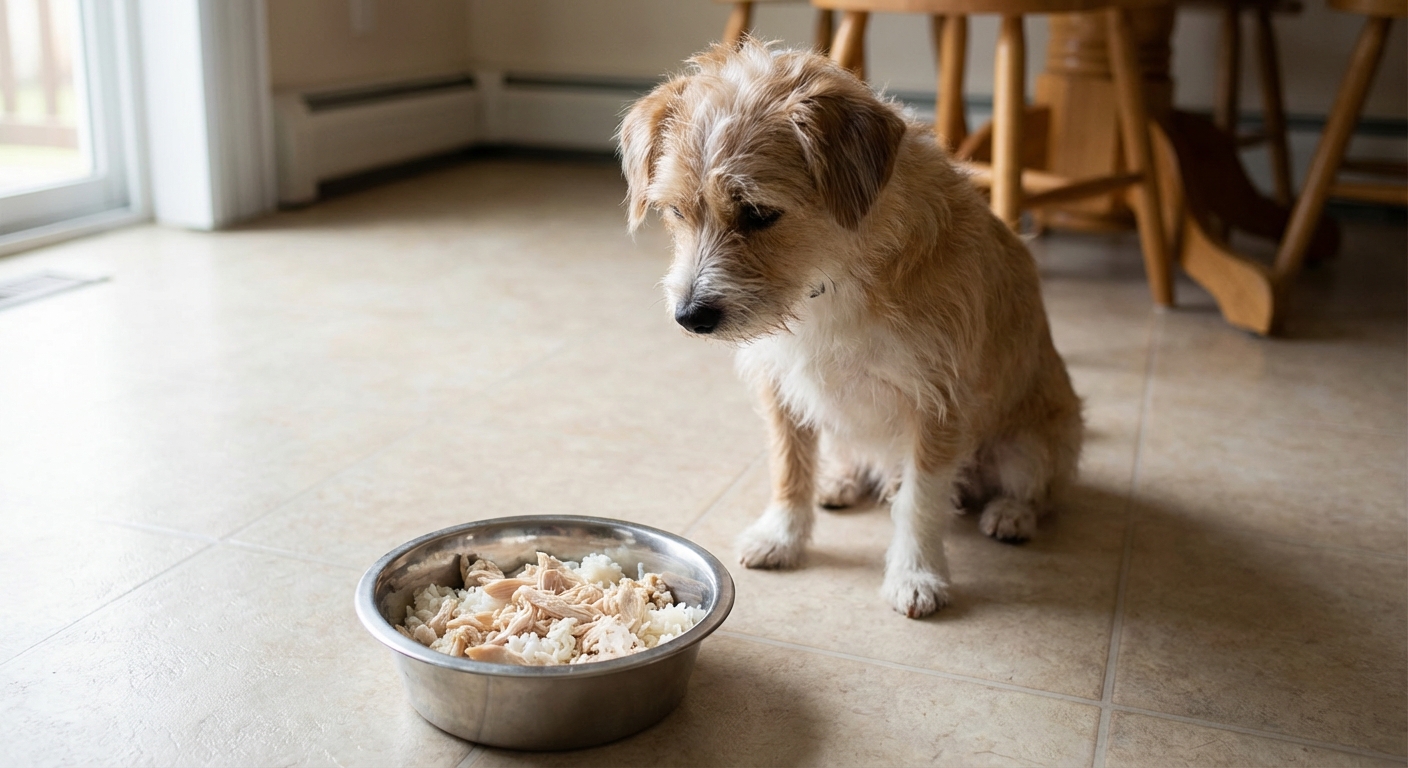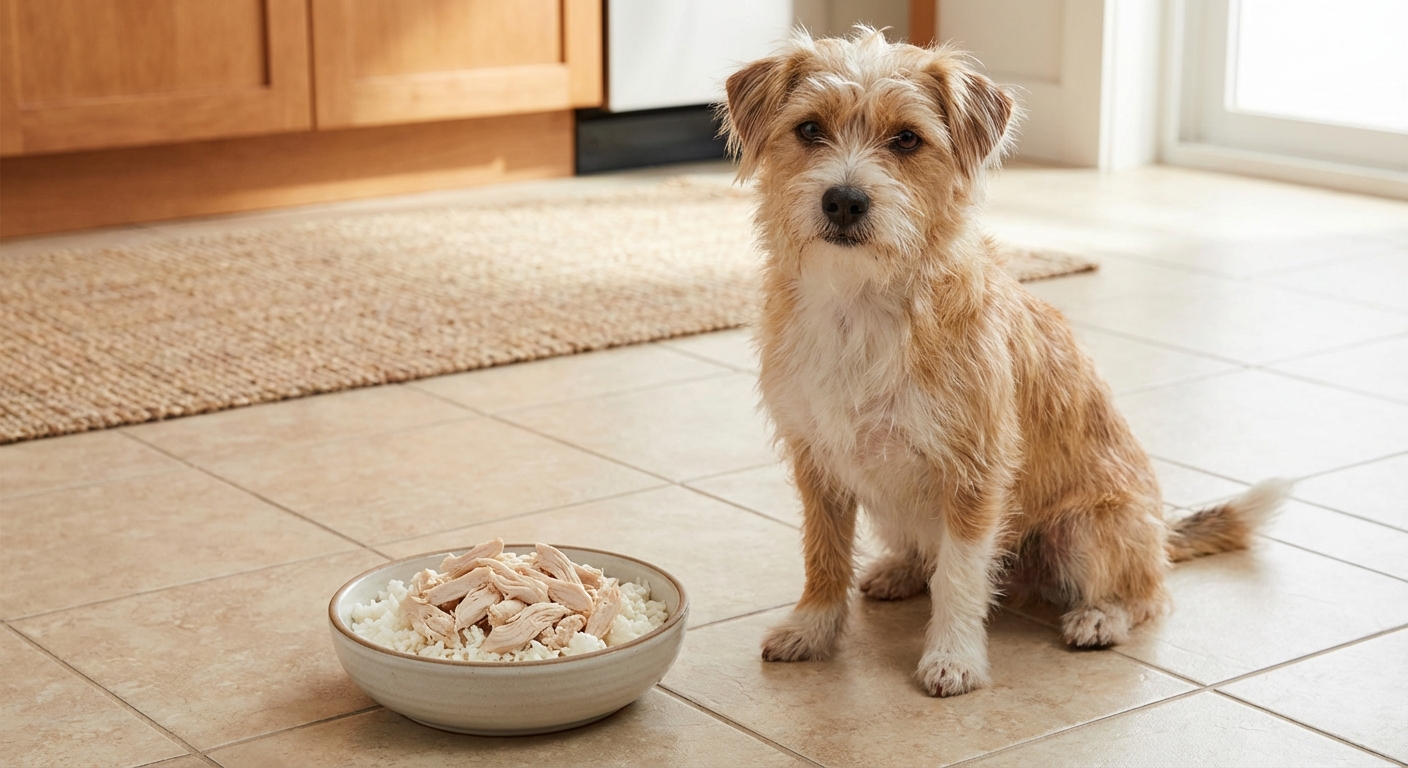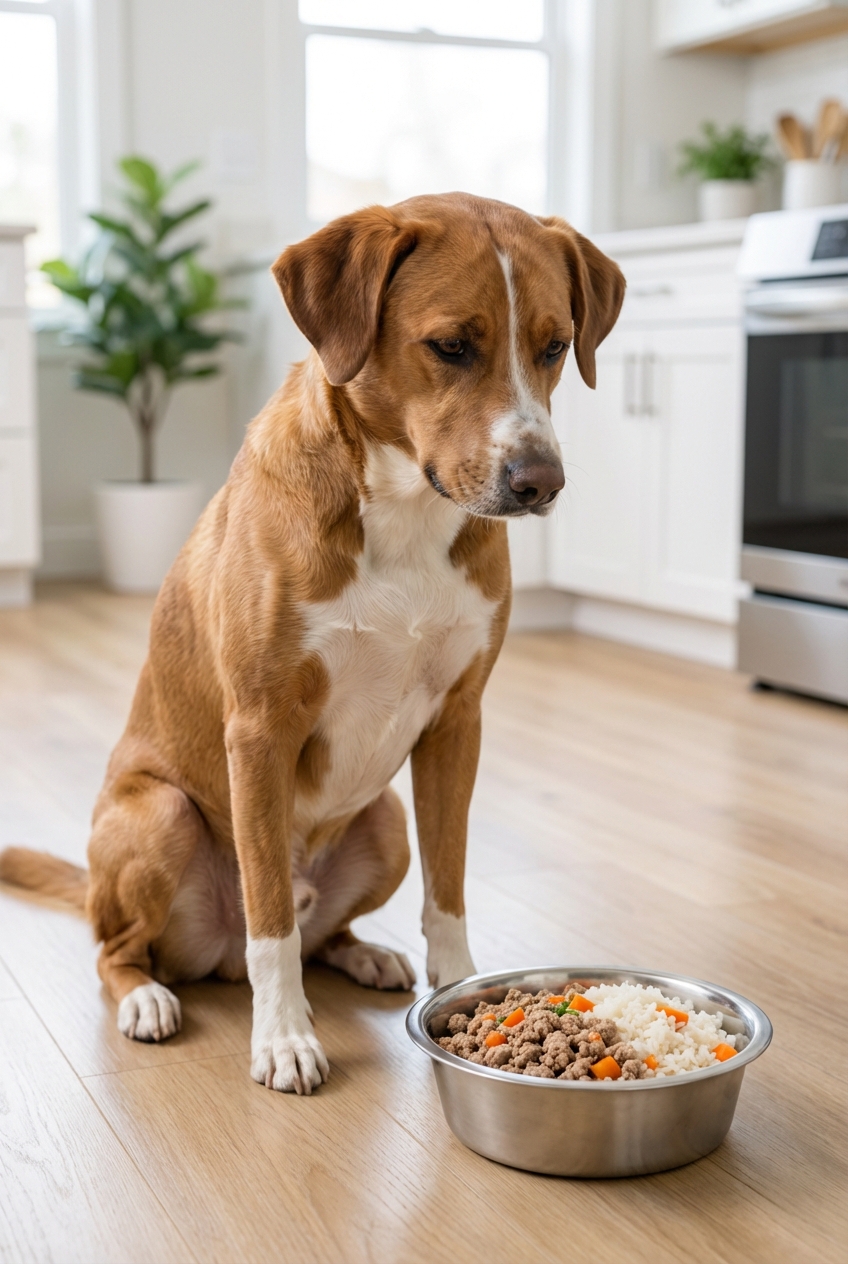
Learn what “low fat” means for dogs, how vets set fat targets, the best lean proteins and carbs, what to avoid, and starter meal templates to review with...
Article
•
Designer Mixes
Caring for Dogs With Pancreas Problems

Shari Shidate
Designer Mixes contributor
When your dog is diagnosed with a pancreas problem, it can feel scary and confusing fast. I get it. In a veterinary clinic, I have seen how quickly a dog can go from “a little off” to truly uncomfortable. The good news is that many dogs do very well when we focus on the right diet, the right medications, and a simple, steady home routine.
This article covers what pancreas problems usually mean, what signs to watch for, and the day-to-day choices that make the biggest difference.

What the pancreas does (and why it matters)
The pancreas is a small organ with a big job:
- Digestion: It releases enzymes that help break down fat, protein, and carbohydrates.
- Blood sugar control: It produces hormones like insulin.
When the pancreas is inflamed or not working well, digestion can become painful and inefficient. Some dogs also develop blood sugar issues that need careful monitoring.
Common pancreas problems in dogs
Pancreatitis (acute or chronic)
Pancreatitis means inflammation of the pancreas. It can be sudden (acute) or recur over time (chronic). A rich, fatty meal is a common trigger, but it is not the only one. Some dogs flare with no clear cause, and others have underlying risk factors like obesity, high triglycerides, certain endocrine diseases (like Cushing’s), or medication-related triggers.
EPI (Exocrine Pancreatic Insufficiency)
EPI happens when the pancreas does not make enough digestive enzymes. Dogs may be very hungry but lose weight because they cannot absorb nutrients well. EPI is very treatable, but it requires lifelong support.
Diabetes mellitus
While diabetes can have multiple causes, pancreatic dysfunction can play a role. If your dog has pancreatitis and starts drinking and peeing more than normal, call your vet promptly.
Signs that should never be ignored
Pancreas problems can look like a simple stomach bug at first. Contact your veterinarian right away if you notice:
- Repeated vomiting or retching
- Loss of appetite, especially if it lasts more than 12 to 24 hours (sooner for puppies, small dogs, seniors, or if other symptoms are present)
- Abdominal pain (hunched posture, “prayer position,” guarding the belly)
- Diarrhea
- Greasy or pale stool (this can happen with several GI issues, but it is especially suggestive of EPI)
- Lethargy or weakness
- Dehydration (tacky gums, sunken eyes), which can worsen nausea and make recovery harder
- Fever or trembling
Emergency warning: If your dog cannot keep water down, seems very painful, collapses, or has bloating with unproductive vomiting, go to an emergency vet.
How veterinarians diagnose pancreas issues
Diagnosis usually combines symptoms with testing. Depending on your dog’s situation, your vet may recommend:
- Bloodwork to check hydration, electrolytes, liver values, blood sugar, and inflammation patterns
- Canine pancreatic lipase (cPL) testing, which is pancreas-focused and can support a pancreatitis diagnosis, but still needs to be interpreted alongside symptoms and imaging
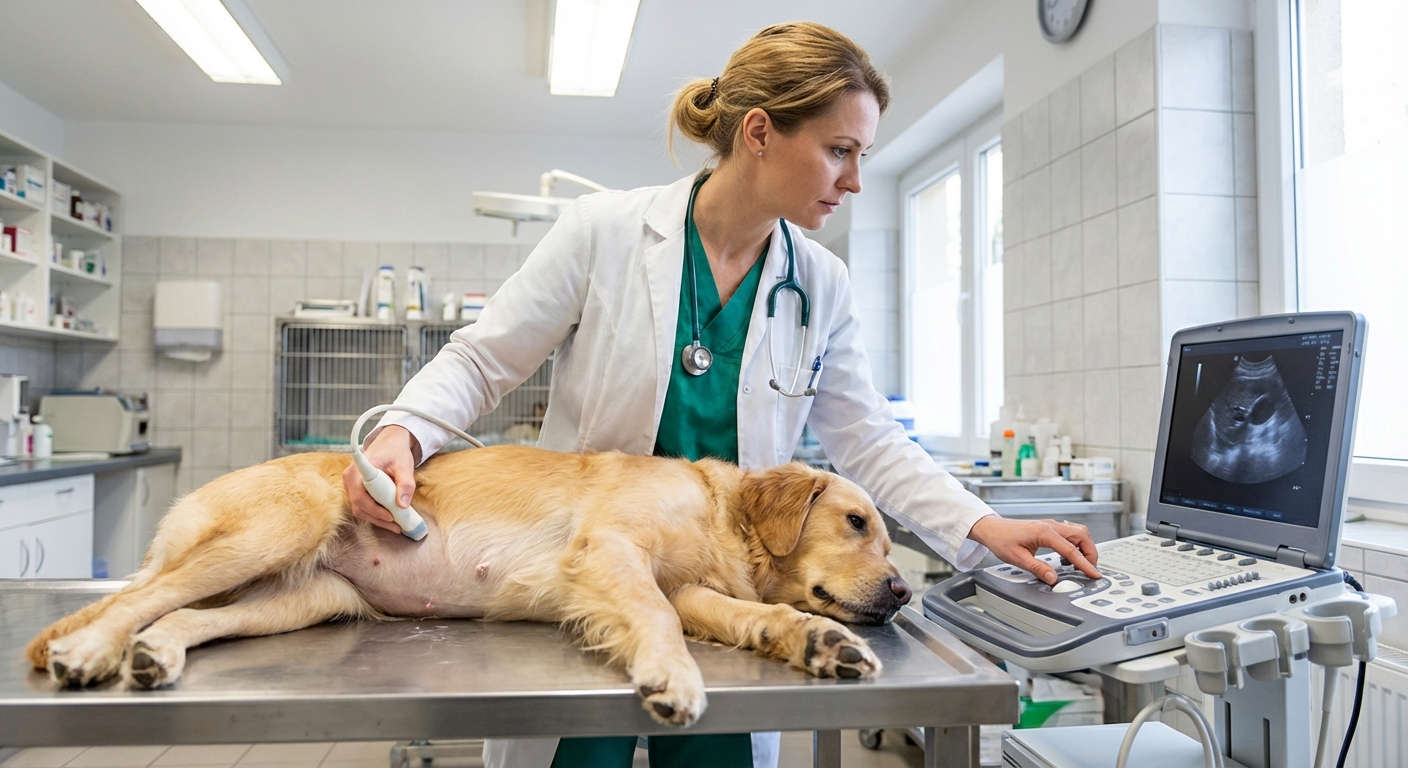
- Ultrasound to look at the pancreas and surrounding organs
- Specific blood tests (like TLI) to diagnose EPI (TLI is the gold standard)
- Fecal testing to rule out parasites and other causes of diarrhea
Pancreatitis can be tricky because no single test is perfect. Your vet is looking for a pattern that fits your dog’s full clinical picture.
The cornerstone of care: diet
Diet matters for every pancreas condition, but the goal can be different depending on what your dog is dealing with.
- If your dog has pancreatitis (or a pancreatitis history): keeping dietary fat low and predictable is often one of the most important steps. A single rich “cheat meal” can trigger a setback in some sensitive dogs.
- If your dog has EPI: the biggest game-changer is enzyme replacement. Many EPI dogs still do well on a highly digestible diet, and your vet will help you decide how strict fat restriction needs to be for your individual dog.
- If your dog has diabetes: consistency is key (timing, calories, and diet composition), and your vet will tailor a plan around insulin and weight goals.
General nutrition goals
- Appropriate fat level for your dog’s diagnosis and history (your veterinarian can give a target)
- Highly digestible protein
- Steady calories to maintain a healthy weight
- Smaller, more frequent meals for some dogs, especially during recovery
Prescription diets vs. home-prepared food
Many dogs with pancreatitis do great on veterinarian-recommended therapeutic diets designed to be low-fat and easy on the GI tract.
If you prefer home-prepared meals, that can be a wonderful option, but it must be done carefully. The pancreas is not the place to “wing it.” Work with your veterinarian or a board-certified veterinary nutritionist to balance:
- Calcium and phosphorus
- Essential fatty acids at safe levels
- Vitamins and trace minerals
- Appropriate fiber
Helpful mindset: Start simple and predictable. Once your dog is stable, variety can be added thoughtfully.
Foods and treats that cause setbacks
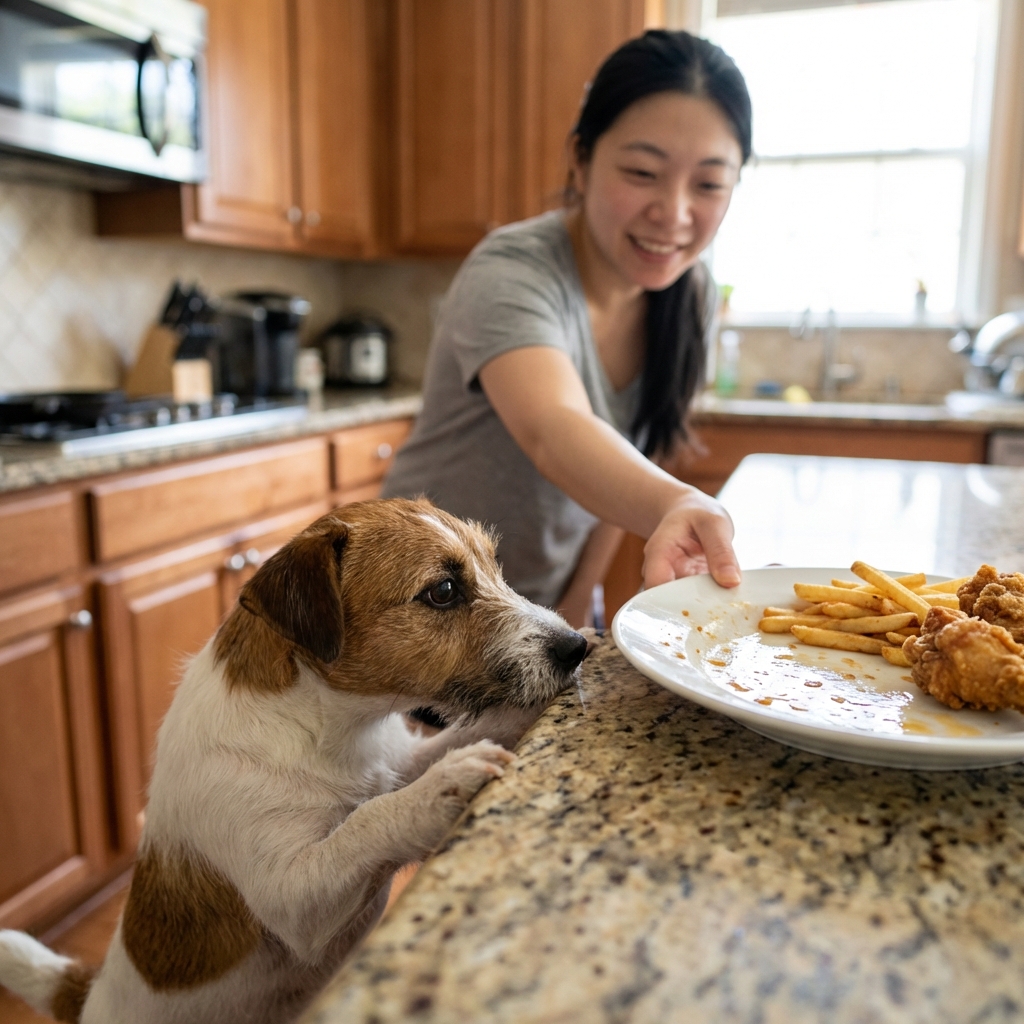
In my experience, pancreatitis flare-ups often happen after well-meaning owners share something rich. If your dog has pancreatitis (or is pancreatitis-prone), avoid:
- Bacon, sausage, hot dogs, pepperoni
- Fatty beef trimmings, pork skin, fried foods
- Cheese, heavy cream, buttery foods
- Gravy, drippings, and greasy “pan scrapings”
- Pig ears and marrow bones (often very high in fat)
- High-fat dog treats (some are surprisingly rich)
Note on chew treats: Some chews are not high-fat but can still upset a sensitive stomach simply because they are dense or hard to digest. If your dog has a fragile GI tract, ask your vet which chews are safest.
Also be extra cautious around holidays. Trash raids and table scraps are classic pancreatitis triggers.
Pancreatitis home care
Your veterinarian will tailor treatment based on severity. Many dogs need:
- Fluids (sometimes under the skin for mild cases, IV for more severe cases)
- Anti-nausea medication to stop vomiting and help appetite return (common examples include maropitant or ondansetron)
- Pain control because pancreatitis hurts
- Appetite support if needed
- Antibiotics only in specific situations (not routine for every case)
Do not give leftover human or pet meds unless your veterinarian tells you to. Some medications are unsafe, and others can mask symptoms that your vet needs to evaluate.
At home, focus on:
- Medication follow-through (set phone reminders if you need to)
- Hydration (offer water frequently). Only use electrolyte solutions if your vet recommends them. Many human sports drinks are too sugary, and some products can contain xylitol, which is toxic to dogs.
- Food reintroduction exactly as directed, usually small meals
- Rest if your dog seems painful or weak
If vomiting returns, appetite disappears again, or your dog seems painful, call your vet promptly rather than waiting it out.
Hospital vs. home care: Dogs who are very painful, dehydrated, unable to keep water down, or showing abnormal bloodwork often do best with hospitalization for IV fluids and injectable medications. Milder cases can sometimes be managed at home with close monitoring and rechecks.
EPI care: enzymes change everything
Dogs with EPI typically need pancreatic enzyme replacement with every meal for life. With proper treatment, it is truly one of the most rewarding conditions to manage because the turnaround can be dramatic.
Common EPI signs
- Weight loss despite a strong appetite
- Large-volume stool, often pale or greasy
- Flatulence, gurgly stomach
- Dull coat
Day-to-day EPI tips
- Give enzymes exactly as prescribed, with every meal
- Prepare enzymes the way your vet directs. Some forms can irritate the mouth if not used correctly.
- Feed a predictable diet your dog tolerates well
- Ask your vet about vitamin B12 (cobalamin), which is commonly low in EPI dogs
- Some dogs also need help with dysbiosis (gut bacteria imbalance). Your vet may discuss additional treatments if stool quality does not normalize.
Smart monitoring at home
You do not need fancy tools to be a great caregiver. You just need a steady routine and good notes.
Track these weekly
- Weight (small changes matter)
- Appetite and willingness to eat
- Stool quality (firmness, frequency, any grease or mucus)
- Energy level
Track these daily during a flare or diet change
- Vomiting episodes
- Water intake
- Medications given and timing
- Exact foods and treats
If you ever feel unsure, bring your notes to your vet visit. It helps the veterinary team spot patterns and adjust the plan faster.
Preventing future flare-ups
While not every episode is preventable, these steps can lower risk for many dogs:
- Keep diet goals consistent, including treats (especially important for dogs with pancreatitis history)
- Maintain a lean body condition (extra weight can worsen inflammation risk)
- Avoid sudden diet changes
- Use measured meals instead of free-feeding, if your vet agrees
- Control access to trash and food counters
- Manage underlying risks (for example, high triglycerides or endocrine disease) with your vet
And please do not blame yourself if your dog has a flare despite doing everything right. Pancreas conditions can be complex. What matters is how quickly you respond and how steady you are moving forward.
Questions to ask your veterinarian
- Is this pancreatitis likely acute or chronic?
- What is our target fat range for food and treats (based on my dog’s specific condition)?
- Should my dog eat smaller meals more often?
- Do we need a prescription diet, or can we use a balanced home-prepared plan?
- What recheck schedule do you recommend (labs, ultrasound, weight checks)?
- What signs mean “call today” vs. “go to ER now”?
Final thoughts
Pancreas problems can feel like a life-changing diagnosis, but for many dogs, it becomes a manageable routine: a diet that fits the condition, predictable habits, and quick action if symptoms return. You do not have to do everything perfectly. You just have to do the right basics reliably.
If you want a simple place to start today, start by cleaning up the treat routine. A pancreatitis-friendly diet can be undone by rich snacks, and tightening that one area alone often makes a noticeable difference.