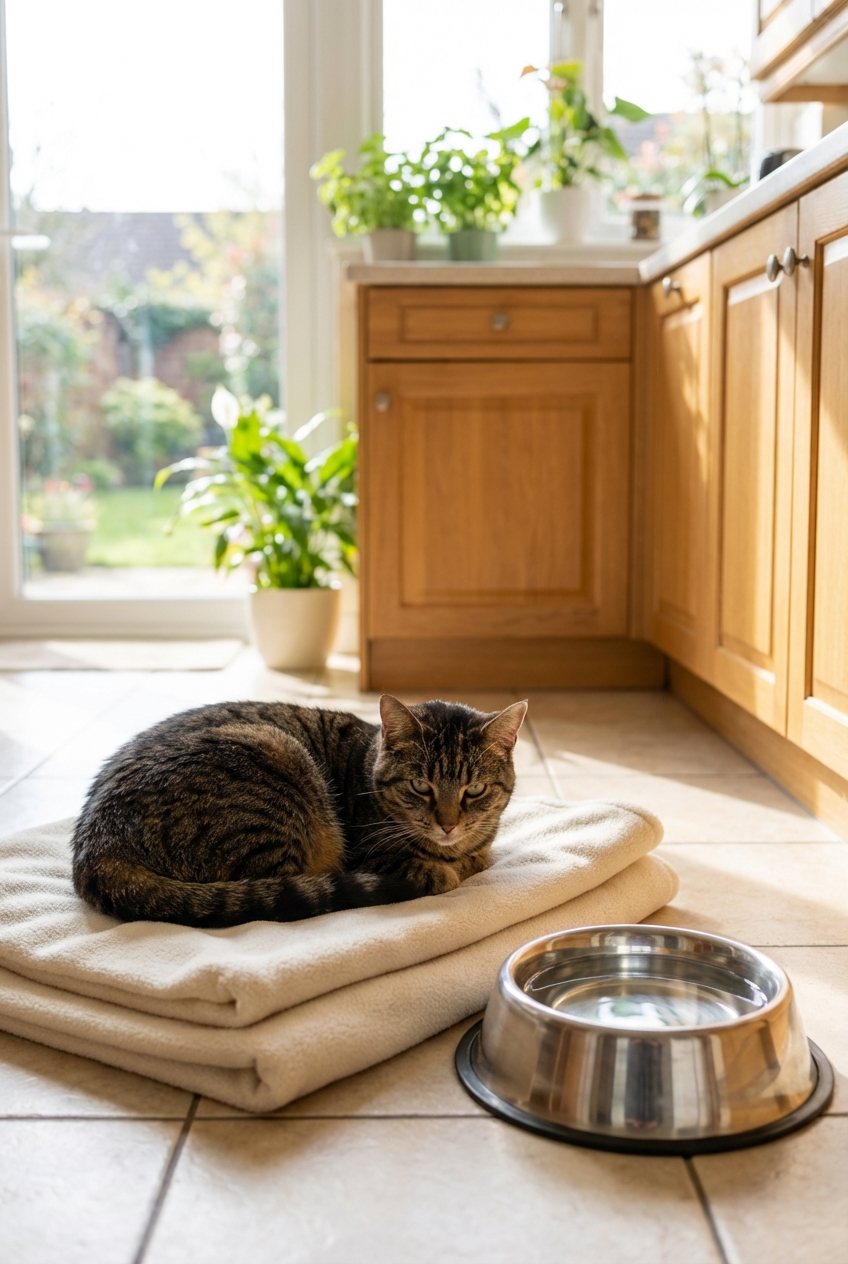
Diarrhea in cats can turn serious fast. Learn red flags that need a vet today, plus gentle home care for mild cases: hydration, small frequent meals, probiot...
Article
•
Designer Mixes
Caring for Cats with Diarrhea

Shari Shidate
Designer Mixes contributor
Diarrhea in cats is common, stressful, and sometimes truly urgent. The good news is that many mild cases improve quickly once we address the cause and support hydration. The key is knowing when it is reasonable to monitor at home and when your cat needs veterinary care right away. This guide walks you through both, with practical steps for kittens, adults, and senior cats.
What counts as diarrhea in cats?
Diarrhea is stool that is looser or more frequent than normal. You might see:
- Soft stool that still holds some shape
- Watery stool that soaks into litter quickly
- Mucus that looks like clear or whitish jelly
- Blood, either bright red streaks or very dark, tarry stool
- Urgency, accidents outside the litter box, or straining
One important note: frequent trips with straining and only small amounts can be large-bowel irritation (colitis), but it can also look like constipation or even a urinary blockage. If your cat is straining and you are not sure whether urine is being produced, treat it as urgent and contact a veterinarian immediately.
Why it matters: Cats can dehydrate faster than many people realize, and dehydration is a bigger risk for kittens and seniors.
Common causes (and why age matters)
Diarrhea is a symptom, not a diagnosis. Causes range from mild to serious, and age can change what is most likely.
Kittens
- Parasites (roundworms, hookworms, giardia, coccidia)
- Diet changes after adoption or weaning
- Viral or bacterial infections
- Stress from a new home
Adult cats
- Food intolerance or sudden diet change
- Dietary indiscretion (garbage, rich treats, people food)
- Foreign material ingestion (especially string, ribbon, tinsel, hair ties)
- Parasites (still possible, especially multi-pet homes)
- Stress (moves, guests, new pets)
- Medications including antibiotics or certain supplements
Senior cats
- Chronic GI disease such as inflammatory bowel disease
- Hyperthyroidism
- Kidney disease and secondary nausea or appetite changes
- Pancreatitis
- Cancer (including intestinal lymphoma)
If diarrhea keeps returning, it is less about a quick fix and more about finding the underlying cause.
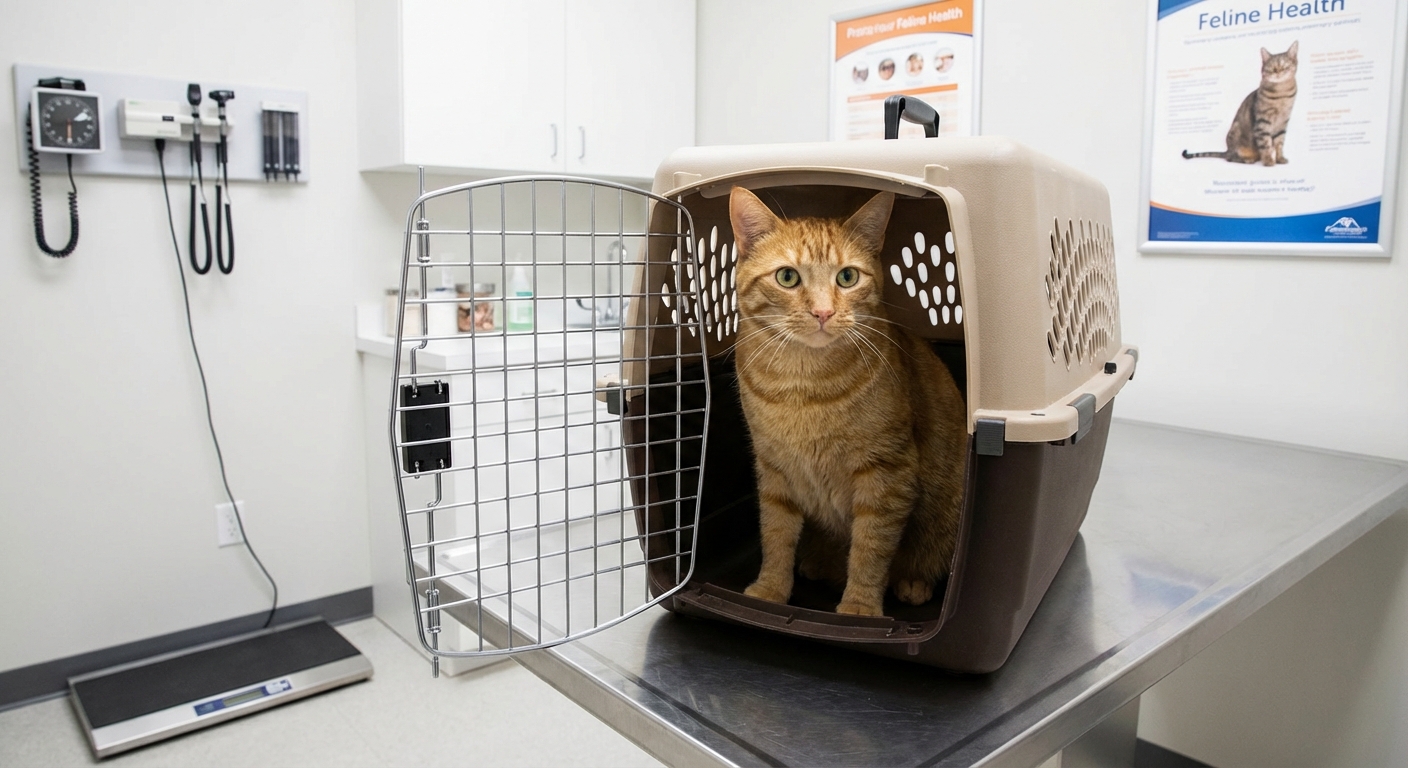
Red flags: when diarrhea is an emergency
Please contact a veterinarian urgently or go to an emergency clinic if you notice any of the following:
- Diarrhea plus repeated vomiting
- Blood in the stool, especially large amounts or black tarry stool
- Severe lethargy, collapse, weakness, or trouble breathing
- Signs of dehydration (sticky gums, sunken eyes, extreme tiredness). Dehydration can be subtle in cats, and skin-tent tests are often unreliable, so call if you are unsure.
- Not eating for more than 24 hours (or any refusal in a kitten)
- Abdominal pain, crying, hiding, or a hunched posture
- Known toxin exposure (lilies, rodent bait, human meds, essential oils, antifreeze)
- Kittens with diarrhea lasting longer than 12 to 24 hours
- Seniors or cats with chronic disease (kidney disease, diabetes, hyperthyroidism)
- Possible foreign body (string hanging from the mouth, sudden vomiting, painful belly, refusing food)
Trust your instincts. If your cat just seems off, it is appropriate to seek veterinary advice.
What you can do at home for mild diarrhea
If your cat is bright, alert, drinking, and still interested in food, mild diarrhea that started recently can sometimes be supported at home for a short period. Here are generally safe, commonly recommended steps.
1) Focus on hydration
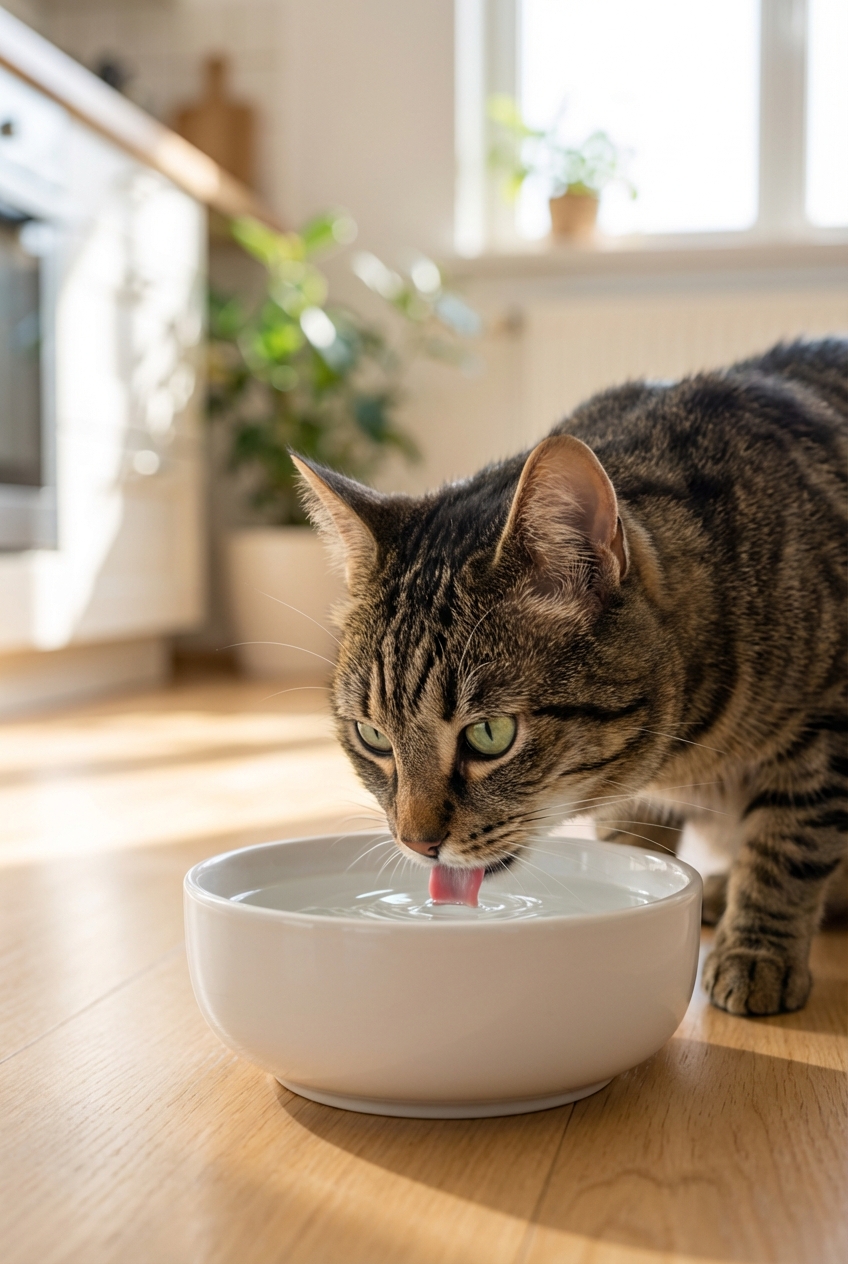
- Refresh water bowls and place extra bowls in favorite spots.
- Consider a cat water fountain if your cat prefers moving water.
- Offer wet food to increase fluid intake.
- If your veterinarian recommends it, ask about a cat-safe electrolyte solution. Avoid human sports drinks or flavored electrolyte products, which may contain sweeteners (including xylitol) or inappropriate sodium and potassium levels. Do not force fluids.
2) Feed a gentle, simple diet
For many cats, small meals of a highly digestible diet are easier on the gut.
- Best option: a veterinary gastrointestinal diet (canned is often ideal).
- Short-term home option: plain cooked poultry such as chicken or turkey (no skin, no bones, no seasoning).
- About rice: some cats do fine with a small amount of plain cooked white rice for a day or two, but it is optional and not necessary. Some cats do worse with added carbohydrate, so skip it if stools worsen.
Avoid fatty foods, dairy, rich treats, and sudden diet experiments.
3) Consider probiotics made for cats
Some feline-specific probiotics may help acute diarrhea and support the gut microbiome. Use products formulated for cats and follow label directions. If your cat is immunocompromised, ask your veterinarian before starting any supplement.
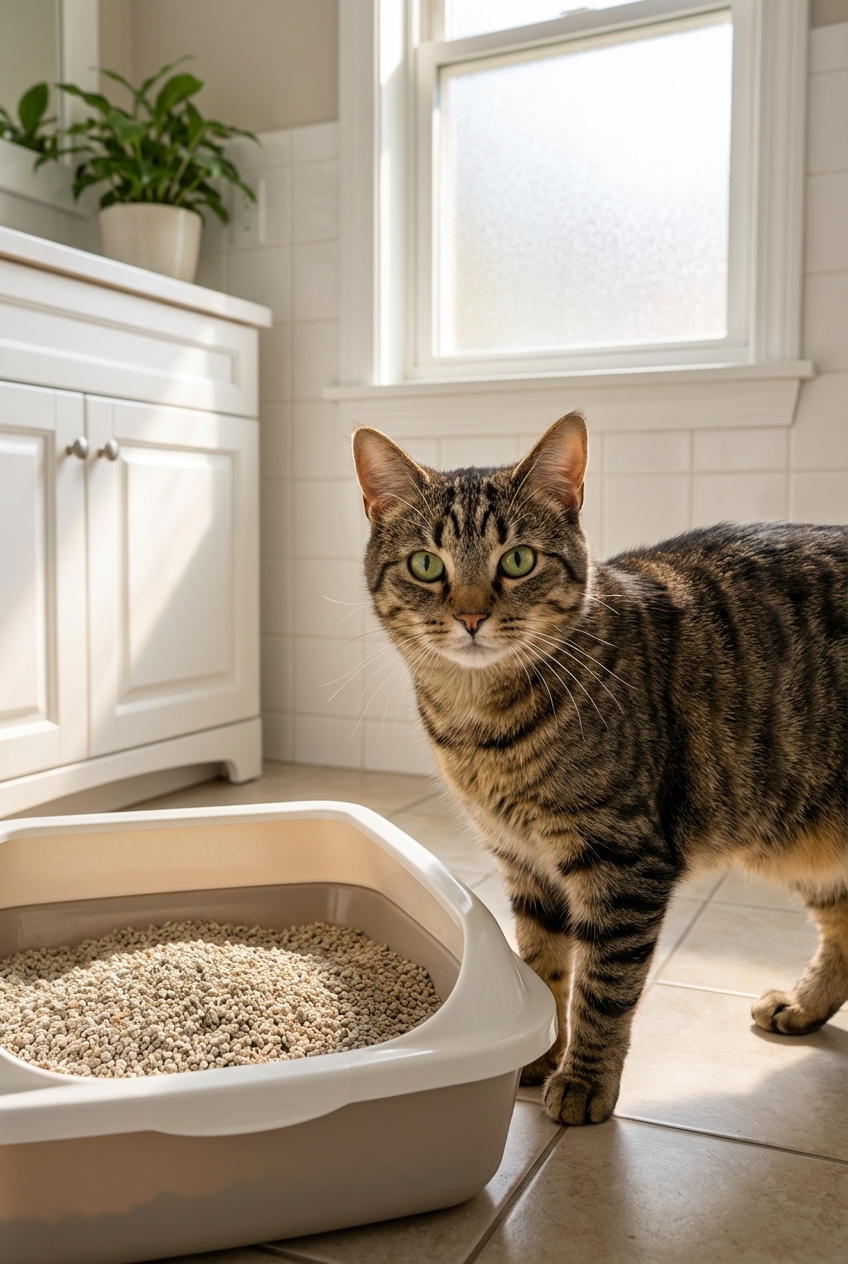
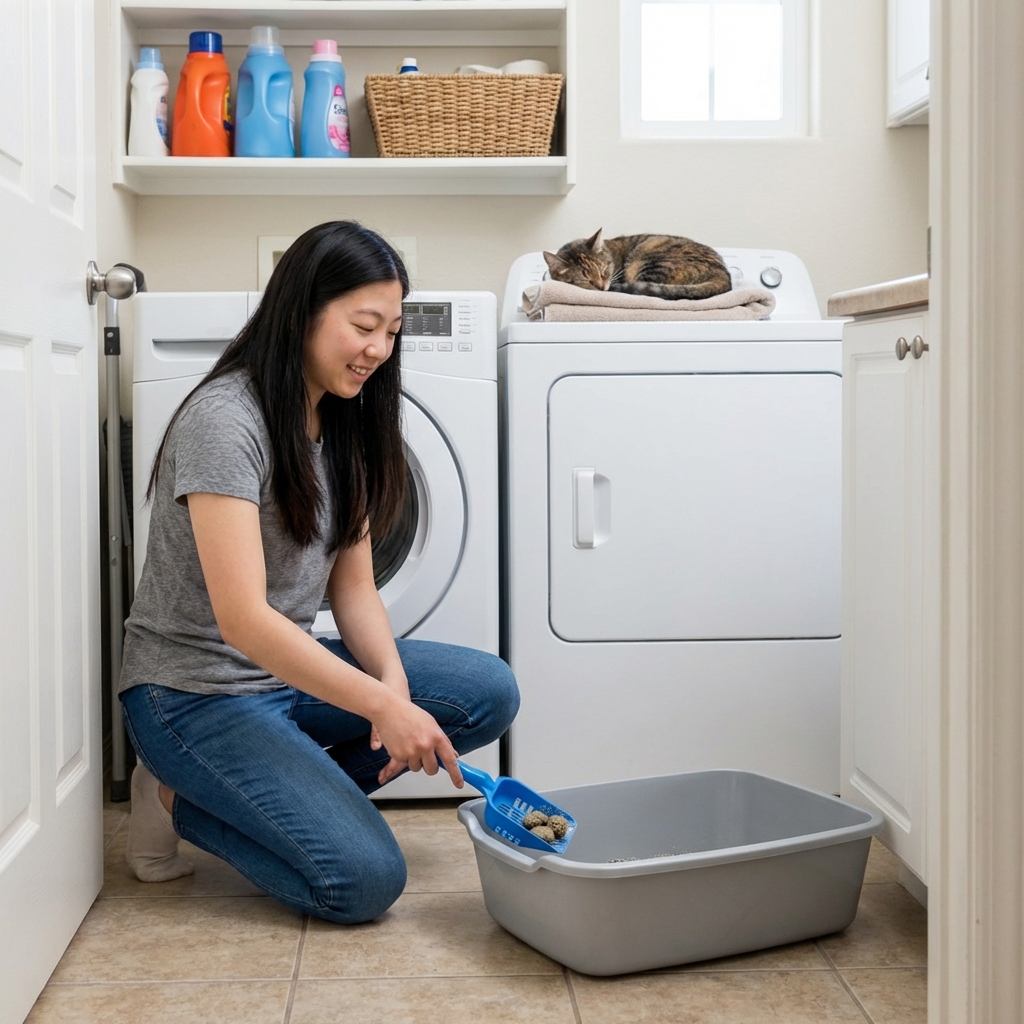
4) Keep the litter box extra clean
Frequent scooping helps you track stool changes and reduces stress. It also lowers the risk of spreading parasites in multi-cat homes.
What not to do
- Do not give human anti-diarrheal medications such as loperamide (Imodium) unless your veterinarian specifically instructs you. These can be dangerous for cats and may worsen certain conditions.
- Do not fast kittens. Kittens need steady nutrition and can decline quickly.
- Do not abruptly switch foods repeatedly. Too many changes can keep the GI tract irritated.
- Do not stop prescribed medications on your own. If diarrhea starts after antibiotics or another medication, contact your veterinarian for a plan.
- Do not ignore chronic diarrhea. Ongoing diarrhea can signal inflammatory disease, endocrine issues, infection, or malabsorption.
How long is too long?
As a general rule:
- Adult cats: if diarrhea lasts more than 24 to 48 hours, or sooner if it is watery or frequent, contact your veterinary clinic.
- Kittens: seek veterinary guidance within 12 to 24 hours, or immediately if your kitten seems tired, cool to the touch, not nursing, or not eating.
- Senior cats: check in within 24 hours, or sooner if there is weight loss, vomiting, or decreased appetite.
What your veterinarian may recommend
At the clinic, the goal is to identify the cause and protect your cat from dehydration and complications. Depending on history and exam findings, your veterinarian may suggest:
- Fecal testing for parasites and giardia
- Bloodwork to check hydration status, kidney and liver values, thyroid (especially in seniors), and inflammation
- Diet trial with a prescription GI or novel protein food
- Probiotics and targeted medications
- Fluids (subcutaneous or IV) if dehydration is present
- Imaging such as X-rays or ultrasound if blockage, pancreatitis, or intestinal disease is suspected
If your cat has chronic or recurring diarrhea, bring a timeline: diet changes, treats, medications, stressors, stool appearance, and photos of the litter box if you can.
Helpful clues to describe the diarrhea
Veterinarians often think about diarrhea in terms of where it is coming from in the GI tract. You do not need to diagnose this at home, but these details can help you describe what you are seeing.
- Large-bowel signs: small amounts, increased frequency, mucus, straining, bright red blood.
- Small-bowel signs: larger volume, fewer trips, weight loss, poor coat, gas, very dark stool (can also indicate bleeding higher up).
Special situations
Diarrhea after antibiotics
Antibiotics can cause antibiotic-associated diarrhea or gut dysbiosis. Contact your veterinarian. They may recommend a probiotic, a temporary diet change, or a recheck to be sure there is not another issue. Do not stop antibiotics unless your veterinarian advises it.
Diarrhea in multi-cat homes
Isolate the affected cat if possible, scoop frequently, and wash hands between cats. Parasites and certain infections spread easily in shared litter boxes.
Food allergy or intolerance
If diarrhea keeps returning, especially with itching, ear infections, or hair loss, ask your veterinarian about a structured elimination diet using a veterinary prescription food. Over-the-counter limited ingredient foods often still contain trace proteins that can confuse results.
Prevention tips that actually make a difference
- Transition foods slowly over 7 to 10 days.
- Keep treats simple and under 10 percent of daily calories.
- Maintain parasite prevention recommended for your region and lifestyle.
- Reduce stress with stable routines, enrichment, and enough litter boxes (a common rule is one per cat plus one extra).
- Avoid raw diets unless specifically guided by your veterinarian. Raw foods can increase exposure to pathogens like Salmonella and Campylobacter for pets and people.
- Schedule wellness exams, especially for seniors, since early disease can look like just a sensitive stomach.
Quick checklist: what to note before you call
- When did diarrhea start?
- How many times per day? Small frequent amounts or large volume?
- Any vomiting, appetite change, or weight loss?
- Any blood or mucus?
- Diet, treats, and any recent food changes?
- Any new medications or supplements, including antibiotics?
- Indoor-only or outdoor access?
- Exposure to new pets, boarding, or a new home?
- Any chance of eating string, ribbon, plants, or human food?
If you can, bring a stool sample: a teaspoon or two in a sealed bag or clean container, ideally less than 12 hours old. Refrigerate it if you cannot bring it in right away (do not freeze).
With diarrhea, small details lead to faster answers. And faster answers usually mean faster relief for your cat.
This article is educational and not a substitute for veterinary diagnosis. If you are worried about dehydration, blood in stool, toxin exposure, a possible foreign body, or your cat seems weak or painful, seek veterinary care right away.