Dog UTI symptoms can mimic stones or other issues. Learn the full treatment plan: urinalysis and culture, correct antibiotics, pain control, hydration, home ...
Article
•
Designer Mixes
Caring for Bladder Infections in Dogs

Shari Shidate
Designer Mixes contributor
If your dog is suddenly asking to go out every 30 minutes, having accidents, or straining to pee, a bladder infection is a very real possibility. As a veterinary assistant in a busy clinic, I can tell you this is a very common urinary complaint we see. The good news is that most uncomplicated bladder infections respond well to prompt, appropriate treatment.
This guide walks you through what to watch for, what to do today, what your vet may recommend, and how to lower the odds of repeat infections using practical, evidence-based steps.
What a bladder infection is
A “bladder infection” usually means bacterial cystitis, an infection and inflammation of the bladder. People often use UTI (urinary tract infection) to describe the same thing, but UTIs can affect different parts of the urinary tract. Lower urinary tract issues involve the bladder and urethra. Upper urinary tract infections involve the kidneys and tend to be more serious.
In many dogs, bacteria enter through the urethra and multiply in the bladder. Some dogs can have bacteria present with no outward symptoms (asymptomatic bacteriuria). Whether to treat depends on the dog and the full clinical picture, so it is something your veterinarian should guide.
Common signs to watch for
Dogs cannot tell us it burns to pee, so you have to read the clues. Contact your veterinarian if you notice any of these:
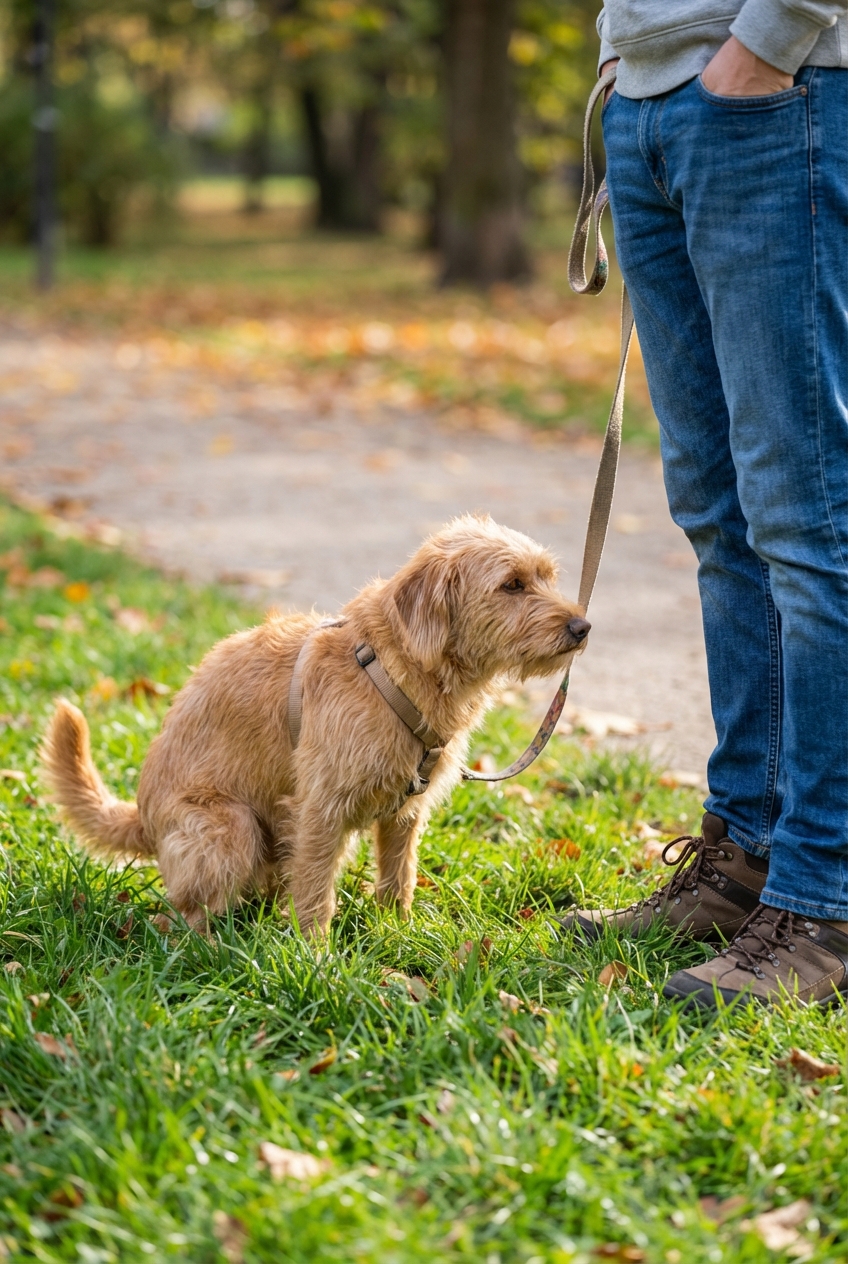
- Frequent urination or repeated squatting with little output
- Straining or seeming uncomfortable while urinating
- Accidents in a previously house-trained dog
- Blood-tinged urine or urine that looks darker than normal
- Strong-smelling urine
- Licking the genital area more than usual
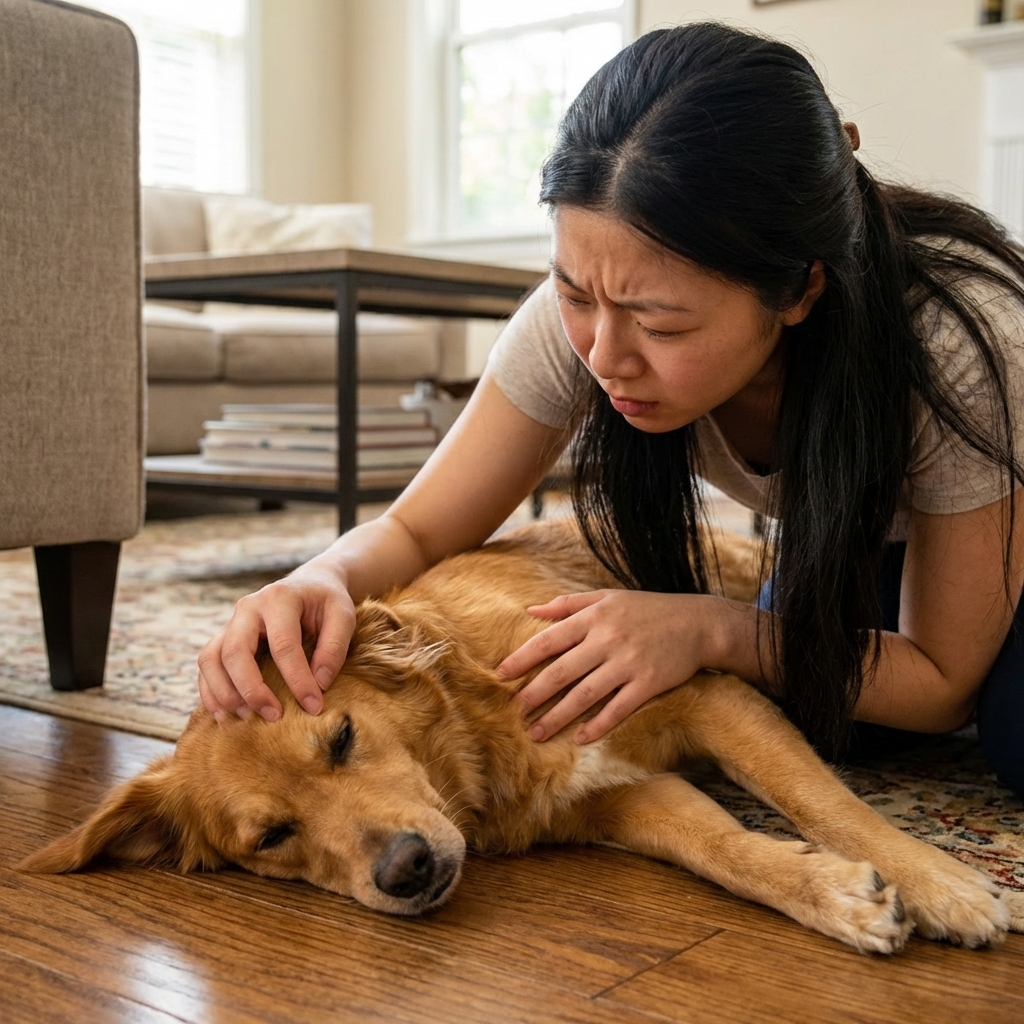
- Restlessness, reduced appetite, or acting “off”
Important: Straining to urinate can also mean a urinary blockage, especially in male dogs. Female dogs can obstruct too, but it is less common. If your dog cannot pass urine or is only producing drops despite repeated attempts, go to an emergency vet now.
When it is urgent
Some symptoms should never wait for a “see how it goes” approach. Seek urgent veterinary care if your dog has:
- No urine production or only a few drops despite repeated attempts
- Vomiting, fever, weakness, or significant lethargy
- Back or belly pain, crying out, or a hunched posture
- Known bladder stones or a history of urinary blockage
- Diabetes, Cushing’s disease, kidney disease, or is on immune-suppressing medications
If your dog is stable but uncomfortable, the next step is usually straightforward testing to confirm what is going on and choose the right treatment.
What your vet will likely do
Most vets will recommend a urinalysis to look for bacteria, white blood cells, blood, crystals, urine pH, and urine concentration. Ideally, the sample is collected by cystocentesis (a small needle into the bladder) because it reduces contamination and gives clearer answers. That said, it is not always possible in every dog, for example if the bladder is very small or the patient is too stressed, so your vet may choose another safe collection method.
Culture for repeat cases
If your dog has recurring UTIs, does not improve quickly, or has complicating health issues, your vet may recommend a urine culture and sensitivity. This identifies the bacteria and the best antibiotic to treat it, which helps reduce antibiotic resistance and lowers the odds of relapse.
Imaging for stones
When symptoms are severe or keep coming back, your veterinarian may suggest X-rays or ultrasound to check for bladder stones, tumors, or anatomical issues.
Treatment basics
For an uncomplicated bladder infection, treatment often includes:
- Antibiotics based on your dog’s urine findings and local resistance patterns
- Pain relief when appropriate, because bladder inflammation can be very uncomfortable
- Recheck testing in some cases, especially if symptoms return
Many dogs start to feel better within 24 to 48 hours of starting the right therapy, but that does not mean the infection is fully cleared.
Please do not stop antibiotics early just because your dog looks better. Stopping early can lead to a stubborn, recurring infection.
Tip from the clinic: If you are struggling to give pills, ask your vet team about flavored tablets, liquid options, or safe hiding techniques that fit your dog’s diet.
What you can do at home today
Home care supports recovery, but it does not replace diagnostics or veterinary treatment when bacteria are involved. Here are safe, helpful steps:
- Offer more potty breaks so your dog is not forced to hold urine. Holding urine can worsen irritation.
- Encourage hydration: add water to meals, offer ice cubes, or use a pet fountain if your dog likes running water.
- Keep things clean: gently wipe the vulva or prepuce area if there is discharge or urine scald, using a damp cloth and then drying.
- Track symptoms: note frequency of peeing, any blood, appetite, and energy. Bring this info to your appointment.
Supplements
Some dogs may benefit from urinary-support supplements, such as cranberry extracts (often used for prevention) or specific probiotics that support the urinary and gut microbiome. The evidence is mixed, and products vary a lot. Supplements should not replace a urine test or antibiotics when an infection is suspected. If your dog is on medications or has kidney issues, check with your veterinarian first.
What not to do
- Do not give leftover antibiotics from another pet or a previous illness.
- Do not give human UTI medications or human pain relievers unless your veterinarian tells you to.
- Do not wait at home if your dog cannot pass urine, seems very painful, or becomes weak or vomiting.
Look-alikes to know
Not every dog that pees frequently has a simple bladder infection. Similar signs can also come from:
- Bladder stones with or without infection
- Sterile bladder inflammation (inflammation without bacteria)
- Urinary incontinence, especially in spayed female dogs
- Increased drinking and urination from conditions like diabetes, kidney disease, or certain medications
- Behavioral marking or stress-related urinary habits
This is why a urinalysis is so helpful. It moves you from guessing to treating the real cause.
Common causes and risk factors
Bladder infections can happen to any dog, but these factors raise risk:
- Female anatomy: female dogs often get UTIs more easily because the urethra is shorter.
- Bladder stones: stones irritate the bladder lining and can trap bacteria.
- Endocrine disease: diabetes and Cushing’s disease can predispose dogs to infections.
- Incomplete bladder emptying: neurologic issues or weak bladder tone can leave residual urine.
- Vulvar conformation: recessed vulva can trap moisture and bacteria.
- Obesity: extra skin folds and inflammation can contribute to hygiene challenges.
Preventing future infections
Many dogs have a one-time infection and move on. But if your pup is prone to repeat UTIs, prevention is where you can make a huge difference. Also, recurring UTIs are often a symptom, not the root problem, so do not be afraid to ask your vet what might be driving the pattern.
Hydration and habits
- Keep fresh water available in multiple spots.
- Let your dog out more often, especially older dogs.
- Consider a dog walker for long workdays so your dog is not holding urine for hours.
Nutrition and weight
A balanced diet that supports a healthy weight can reduce inflammation and improve overall resilience. If your dog has bladder stones or crystals, follow your veterinarian’s diet plan, because the wrong foods can worsen certain stone types.
Hygiene
- Trim long hair around the genital area if it traps urine.
- Wipe and dry after outdoor time in muddy or wet conditions.
- Address skin infections or allergies promptly, because licking can move bacteria where they do not belong.
Follow-up when needed
If your dog has recurring infections, ask your vet about a culture, imaging, or screening for underlying conditions. Solving the “why” is often what stops the cycle.
Quick checklist for your vet visit
- Bring a list of symptoms and when they started.
- Share any recent diet changes, treats, or supplements.
- Mention any prior UTIs, stones, or antibiotic history.
- If your vet asks for a urine sample from home, collect it in a clean container and deliver it as soon as possible. Ideally, bring it in within 1 to 2 hours. If you must wait, refrigerate it and follow your clinic’s instructions.
Bottom line
Bladder infections are common, uncomfortable, and very treatable. The biggest wins are simple: do not wait if symptoms are obvious, get a urine test when possible, give medications exactly as prescribed, and focus on hydration and good potty habits at home.
If you are ever unsure whether it is “just a bladder infection” or something more serious, trust your gut and call your veterinarian. It is always better to catch urinary problems early.