Track your dog’s pregnancy week by week with vet-informed milestones, common symptoms, confirmation tests, feeding guidance, whelping setup, labor signs, a...
Article
•
Designer Mixes
Caring for a Pregnant Dog: Understanding and Solutions

Shari Shidate
Designer Mixes contributor
When you find out your dog is pregnant, it can feel equal parts exciting and scary. As a veterinary assistant in Frisco, Texas, I want you to know this: most canine pregnancies go smoothly with a little planning, good nutrition, and an open line of communication with your veterinarian. The goal is simple. Support mom’s health, protect the puppies, and help you feel confident at every step.
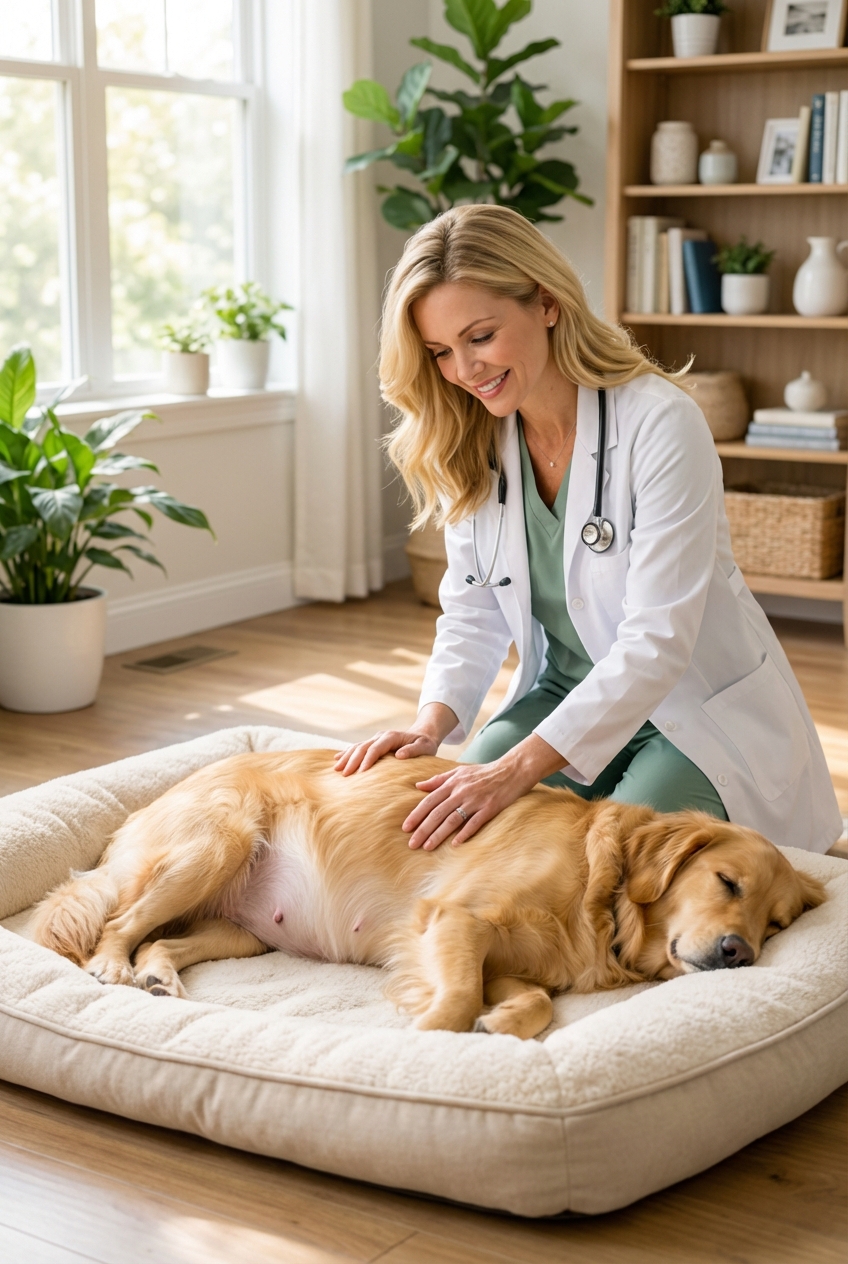
Quick pregnancy basics
A dog’s pregnancy (gestation) is typically around 63 days from ovulation. Because most families track by the breeding date instead, it may help to know that pregnancy can look more like about 57 to 72 days from breeding, depending on when ovulation occurred. Since breeding dates are not always precise, your veterinarian may use exams and imaging to better estimate timing.
- Weeks 1 to 3: Often subtle. You may notice mild appetite changes or sleepiness.
- Weeks 4 to 5: Belly begins to round. Nipples may become more noticeable. Your vet may confirm pregnancy.
- Weeks 6 to 7: Rapid fetal growth. Mom’s nutritional needs increase.
- Weeks 8 to 9: Nesting behavior, bigger abdomen, milk may appear. You’ll prepare for whelping (delivery).
Tip: If you suspect pregnancy, schedule a vet visit early. It is easier to prevent problems than to fix them later.
Confirming pregnancy
There are a few common tools veterinarians use, and the best option depends on timing.
- Ultrasound: Often used around day 21 to 30 after breeding (timing varies) to confirm pregnancy and assess fetal viability (heartbeats).
- Relaxin blood test: A hormone test that can help confirm pregnancy after about 3 to 4 weeks, and it is often most reliable around day 28 after breeding and later.
- X-rays: Typically used in the last third of pregnancy (often after day 45) to count skulls and spines and help estimate how many puppies to expect.
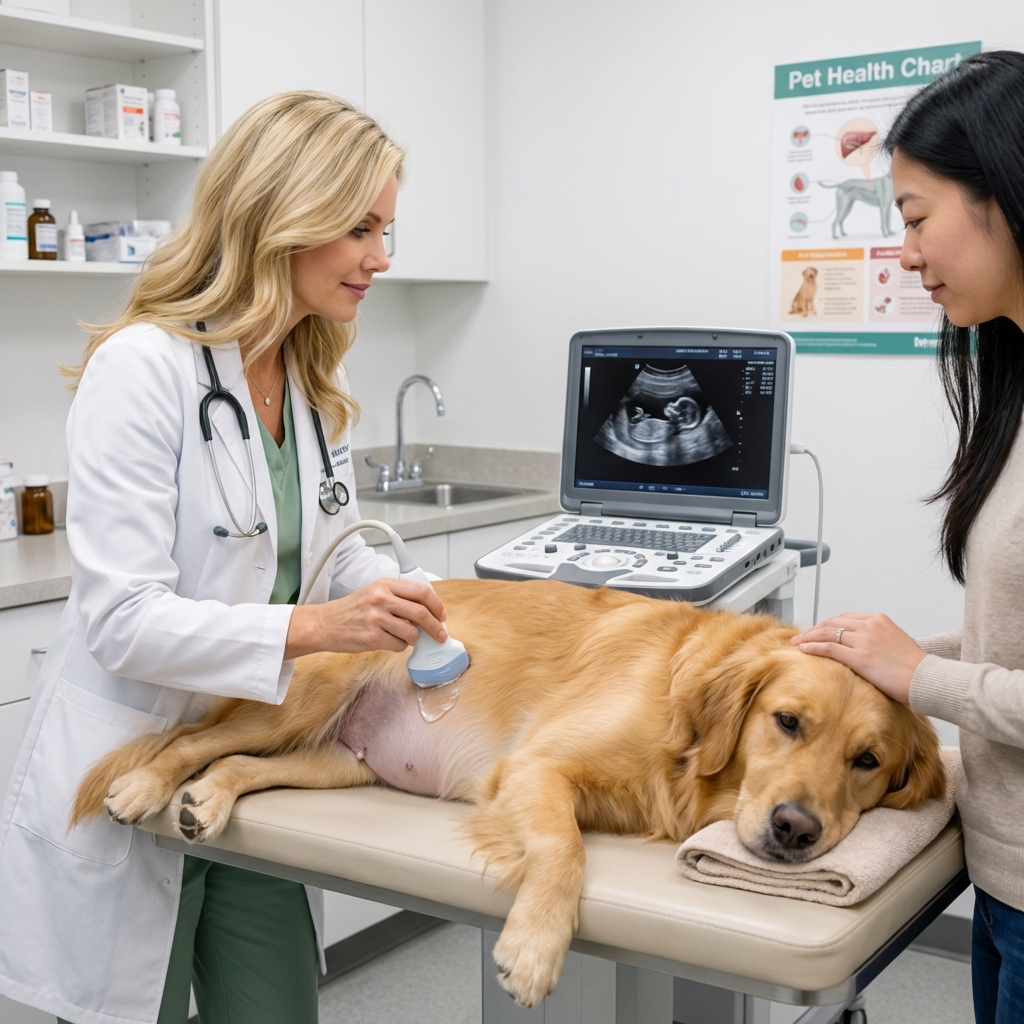
Why puppy counts matter: Knowing the number helps you recognize if a puppy may be retained, which can be an emergency.
Nutrition
Good nutrition supports steady energy, healthy fetal development, and a smoother recovery. Pregnancy is not the time for extreme diet experiments or supplement guesswork.
What to feed
Most vets recommend a complete, balanced diet formulated for growth and reproduction (often labeled “puppy” food) starting around week 5. These diets are typically more calorie-dense and have the right mineral balance for fetal development and milk production.
How much to feed
Instead of one or two large meals, shift to 3 to 4 smaller meals daily as her abdomen fills and stomach capacity decreases. Appetite can fluctuate, especially in the final two weeks.
A word on calcium
One of the biggest myths I see is adding calcium during pregnancy “to help.” In many dogs, unnecessary calcium supplementation before birth may increase the risk of postpartum low calcium (eclampsia) because it can interfere with the body’s normal calcium regulation. This concern is especially important in small breeds and heavy milk producers. Unless your veterinarian specifically prescribes calcium, do not supplement it during pregnancy.
Can you do homemade?
Homemade diets can be wonderful, but during pregnancy the diet needs to be precisely balanced. If you want homemade, ask your veterinarian for a referral to a board-certified veterinary nutritionist so you are meeting energy needs, calcium-to-phosphorus ratio, and micronutrient requirements.
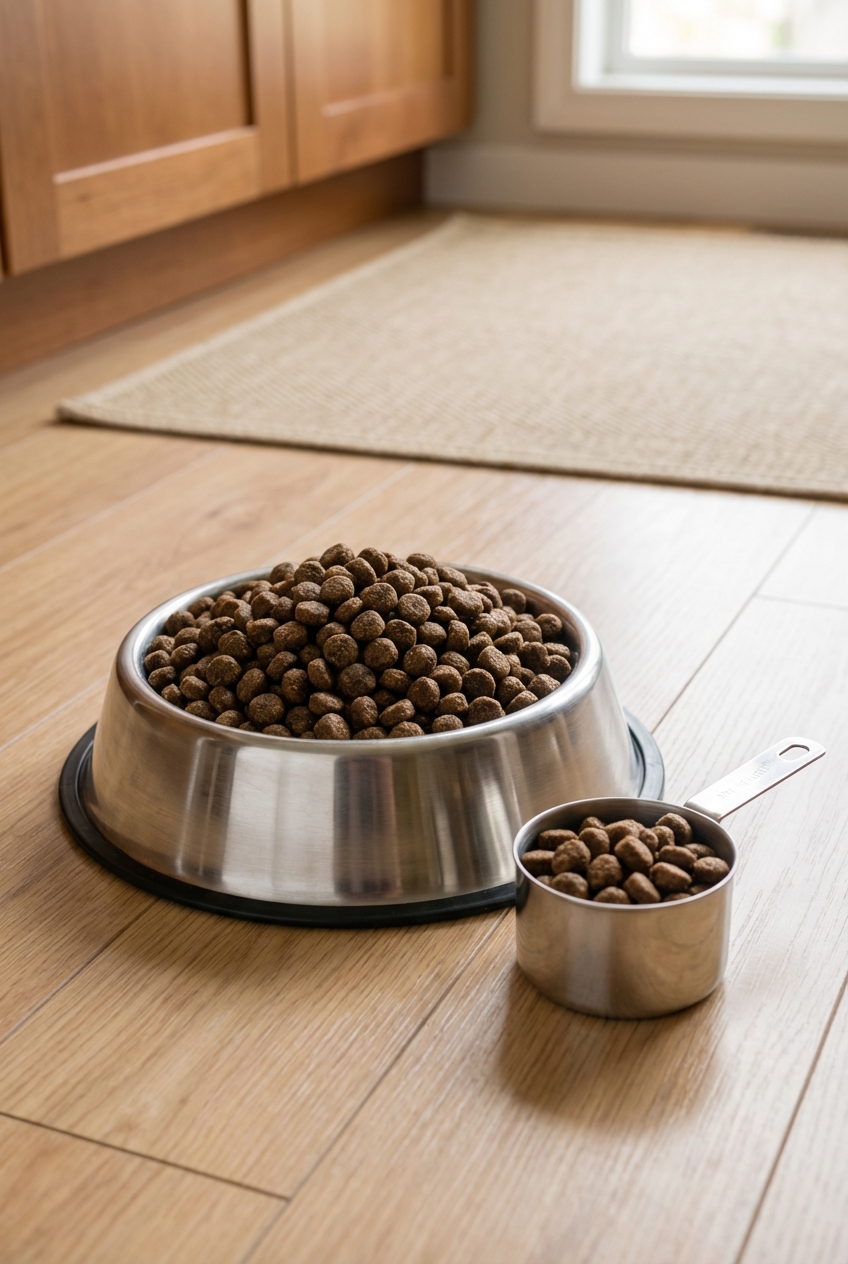
Action step: Bring your dog’s current food label or a photo of it to your appointment. Your vet team can help you transition gradually and avoid stomach upset.
Exercise and daily care
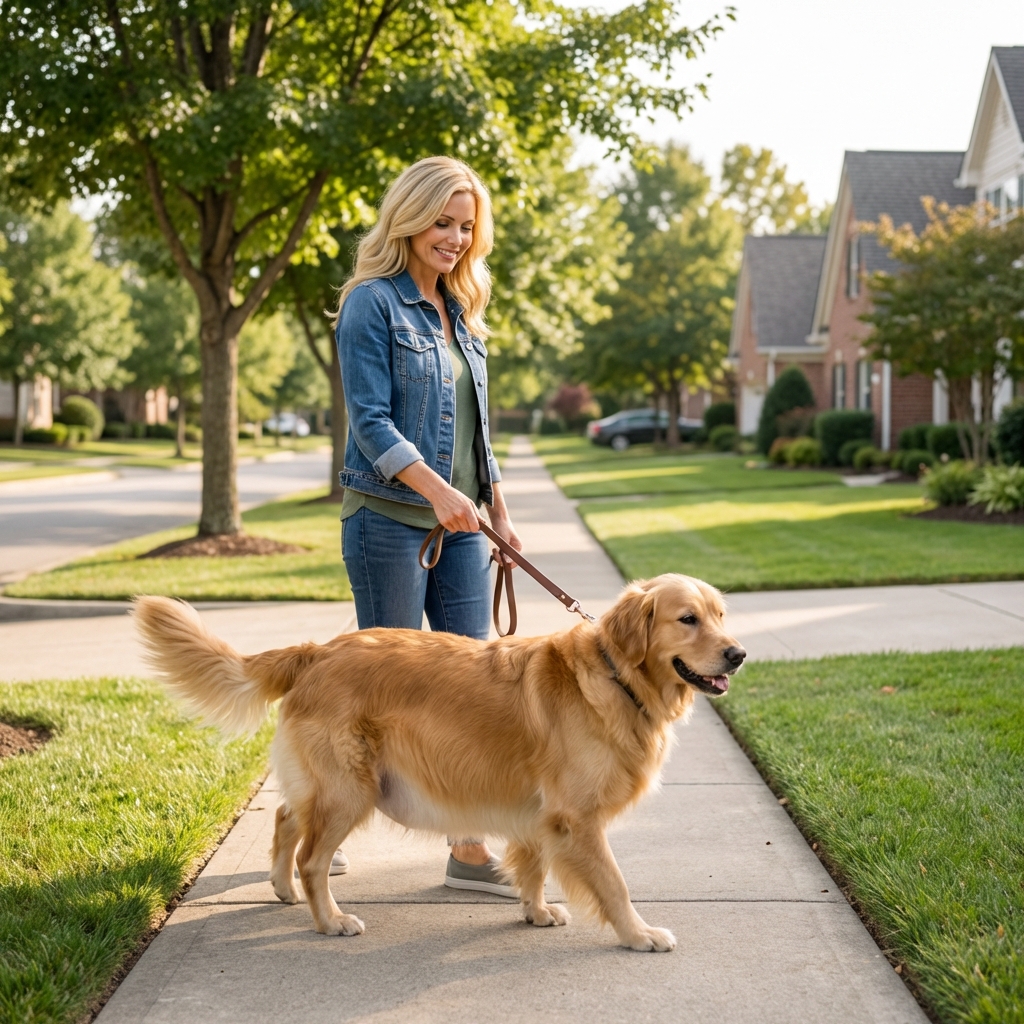
For most healthy pregnant dogs, moderate exercise is beneficial. Think “maintain fitness,” not “train for a marathon.”
- Do: Leashed walks, gentle play, normal movement that keeps her comfortable.
- Avoid: High jumps, rough wrestling, intense agility, overheating, and unfamiliar dog parks where injuries or infections can happen.
- Hydration: Fresh water available at all times, especially as lactation approaches.
Parasites and vaccines
Never start or stop medications during pregnancy without your veterinarian’s guidance. Some preventives are considered safer than others depending on product, region, and risk. The same goes for vaccines. Your vet will weigh disease exposure risk versus timing.
Your veterinarian may also recommend a pregnancy-safe deworming plan for mom and an early deworming schedule for puppies. Parasite control is a quiet but important part of keeping a litter thriving.
Whelping setup
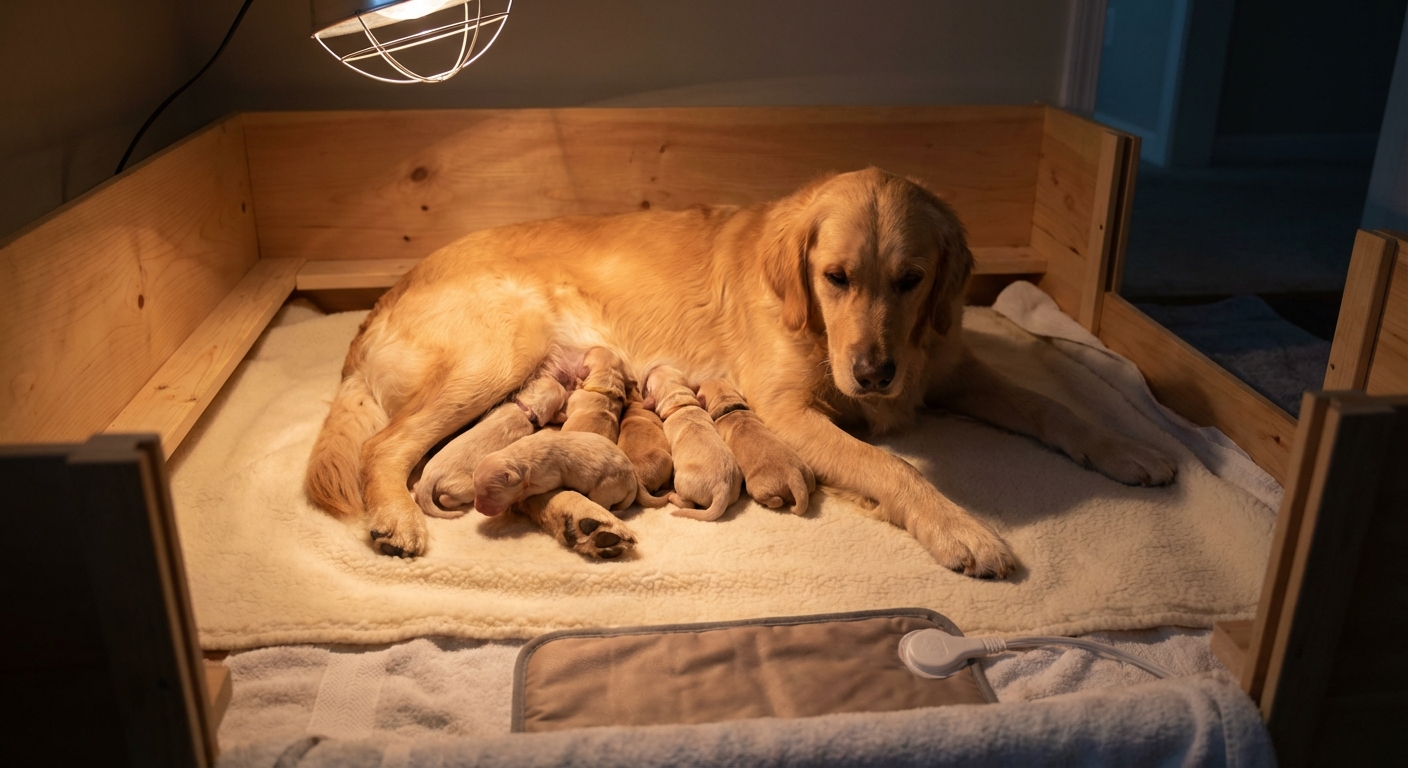
Set up your whelping area about 1 to 2 weeks before the due window, so your dog can get comfortable and choose it as her “safe place.”
- Location: Quiet, warm, draft-free, and away from heavy foot traffic.
- Whelping box: Easy to clean, large enough for mom to stretch out, low enough for her to step in and out, with pig rails if possible to reduce the risk of accidental crushing.
- Bedding: Washable layers. Avoid anything that frays easily or traps puppies.
- Temperature: Puppies cannot regulate heat well. Your vet can advise an appropriate target range, but generally you will need a warm zone without overheating.

Supplies checklist
- Digital thermometer
- Clean towels and paper towels
- Disposable gloves
- Kitchen scale for weighing puppies
- Heating pad or heat source designed for pets (used safely with space for puppies to move away)
- Your veterinarian’s phone number and the nearest emergency clinic address
Signs labor is near
Many dogs show a predictable pattern as delivery approaches, but every mom is a little different.
- Nesting: Digging, rearranging bedding, seeking a quiet area.
- Restlessness: Pacing, panting (also can be stress or pain, so keep watch).
- Decreased appetite: Common in the 12 to 24 hours before labor.
- Temperature drop: A rectal temperature drop often occurs before labor in many dogs. Ask your vet when and how to monitor this safely.
Important: Green or dark discharge before the first puppy can signal placental separation. That is urgent and warrants immediate veterinary guidance.
When to call the vet now
Trust your instincts. If something feels off, call. Protocols can vary, so also follow your veterinarian’s specific instructions for your dog and breed. These situations are especially important:
- Active, strong contractions for 20 to 30 minutes with no puppy produced
- Weak straining that continues for more than 2 hours with no puppy produced
- More than 2 hours between puppies when you know more are expected, especially if she is actively straining or seems distressed
- Extreme weakness, collapse, uncontrolled vomiting, or pale gums
- Foul-smelling discharge
- Suspected puppy stuck in the birth canal
- Signs of severe pain, distress, or panic
- Any seizure activity
Keep your emergency clinic info on your fridge and in your phone. In whelping situations, minutes matter.
Postpartum care
The first 24 to 72 hours after delivery are a big transition. Your dog is recovering, her hormones are shifting, and her body is starting milk production.
What normal can look like
- Calm fatigue and increased thirst
- Protective behavior around the puppies
- Mild uterine discharge that is not foul-smelling and gradually decreases over time
Warning signs after delivery
- Eclampsia (low calcium): Restlessness, panting, tremors, stiff walking, fever, seizures. This is an emergency.
- Mastitis: Hot, painful mammary glands, fever, mom refusing puppies.
- Metritis: Fever, depression, foul discharge, decreased milk, neglect of puppies.
Newborn basics
In the first hours, your biggest priorities are warmth and nursing. Puppies should be warm, dry, and able to latch and nurse. Colostrum (the early milk) is especially important.
If mom does not clean a puppy, if a puppy is chilled, or if you are not sure a puppy is breathing well, call your veterinarian right away and focus on keeping the puppy warm and dry while you get instructions.
Helping puppies thrive
Puppies should nurse frequently and gain weight steadily. Weigh each puppy at the same time daily for the first couple of weeks.
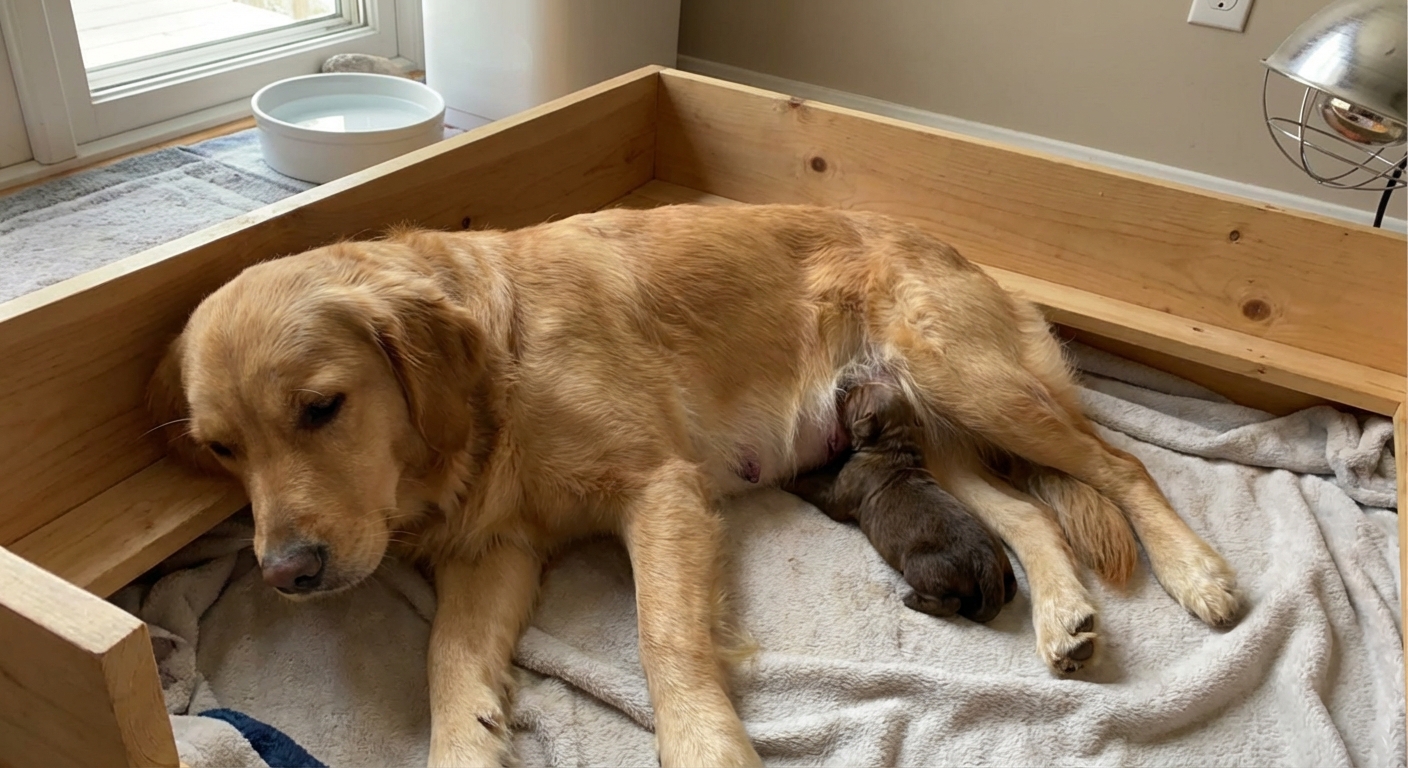
Action step: If a puppy is consistently not gaining weight, crying constantly, or feels cool to the touch, contact your veterinarian promptly.
First vet milestones
Your veterinarian will guide you on timing, but many litters benefit from an early checkup to confirm everyone is doing well. Your vet will also outline a plan for deworming, vaccines, and when to start weaning (often around 3 to 4 weeks, with a gradual transition).
Common problems and solutions
She is not eating much
Small meals, warmed food, and a calm environment can help. Make sure she is not nauseated or running a fever. If appetite loss persists, call your veterinarian.
She seems anxious or overprotective
Keep the room quiet, reduce visitors, and maintain a predictable routine. Anxiety can also come from pain or a postpartum complication, so monitor closely.
Too many puppies for her to manage
Large litters can outpace mom’s milk supply. Your vet may recommend supplemental feeding, scheduled nursing rotations, or fostering options depending on your situation.
You are worried about a C-section
Some breeds and individual dogs are at higher risk for dystocia (difficult birth). Talk with your veterinarian early about whether a planned C-section is appropriate. Planning reduces risk.
Planning ahead
If this pregnancy was unexpected, you are not alone. Once puppies are weaned and mom has recovered, discuss spaying with your veterinarian. Spaying helps prevent future unplanned litters and significantly reduces the risk of certain reproductive diseases.
If you planned this litter, it is still worth having a frank conversation with your veterinarian about responsible breeding. That can include pre-breeding health screening, genetic testing where appropriate, and infectious disease testing like brucellosis, depending on your dog’s situation and local recommendations.
Most importantly, be kind to yourself. Caring for a pregnant dog is a lot, but you do not have to do it perfectly. You just need a plan, a watchful eye, and a veterinary team you trust.