A practical guide to hamster care: choose the right enclosure and wheel, provide deep bedding and enrichment, feed a balanced diet, build trust with gentle h...
Article
•
Designer Mixes
Caring for a Pet Rat

Shari Shidate
Designer Mixes contributor

Pet rats are smart, social, and surprisingly affectionate. In the clinic, I have seen how quickly rats can decline when their basics are off, especially housing, diet, and air quality. The good news is that when you set them up right, they often thrive with bright eyes, sleek coats, and confident, playful behavior.
This guide walks you through evidence-based care, what to buy, what to avoid, and what changes should prompt a vet visit. If you are brand new, focus on three priorities first: social needs, safe housing, and respiratory-friendly bedding.
Start with the right rats
Always keep at least two
Rats are deeply social. Keeping a single rat is a common setup mistake that can lead to stress behaviors like hiding, repetitive chewing, or becoming unusually jumpy. Most rats do best in same-sex pairs or small groups.
- Same-sex groups help prevent surprise litters.
- Mixed-sex groups require a spay or neuter plan to prevent pregnancy.
- Slow introductions are important when adding new rats.
- Quarantine new arrivals for about 2 to 3 weeks if possible, and wash hands (and ideally change shirts) between groups.
Choose a reputable source
Look for a rescue or breeder who can tell you the rats’ age, temperament, and any health history. Healthy rats should be alert, curious, breathing quietly, and free of crusty eyes or nose.
Housing that supports health
Cage size and layout
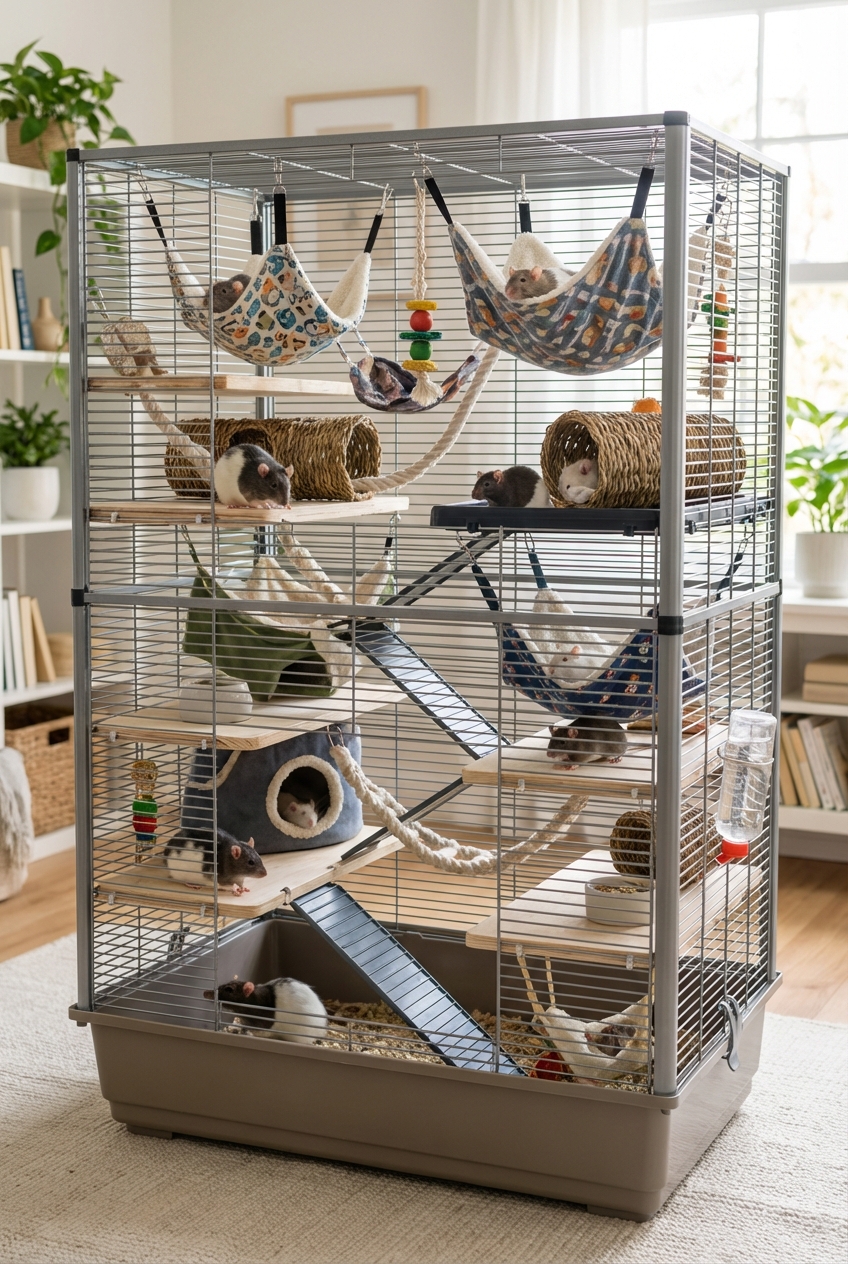
Think of a rat cage as a small apartment, not a holding space. Bigger is better, and vertical space matters because rats love climbing and exploring.
- Space goal: As a practical minimum, aim for about 2 cubic feet (0.06 m³) per rat, with more space always better for groups. Prioritize height and usable levels.
- Multi-level cages with solid shelves or ramps are ideal.
- Bar spacing: About 1/2 inch (1.27 cm) is safest for young or small rats. Up to 5/8 inch (1.6 cm) may work for large adults, but smaller spacing is more escape-proof.
- Solid flooring is safer than wire floors, which can contribute to foot injuries.
Bedding: prioritize lungs
Rats are prone to respiratory irritation, and strong odors or dusty bedding can make things worse. Choose bedding that is low-dust, absorbent, and unscented.
- Good options: paper-based bedding, kiln-dried aspen (a safe hardwood), or other low-dust paper products.
- A note on pine: Many sources caution against pine because aromatic (uncured) pine can be irritating. Some keepers use kiln-dried pine successfully, but if you are unsure or your rats are sneezy, choose paper-based bedding or aspen.
- Avoid: cedar, strongly scented softwood shavings, scented bedding, and dusty materials.
Ventilation and location
Place the cage in a calm, lived-in area where your rats can see and hear you, but not in a draft, direct sun, or next to a kitchen where fumes can irritate sensitive airways.
- Avoid smoke, candles, incense, essential oil diffusers, and aerosol sprays near the cage.
- Temperature: Keep the room comfortable and stable. Heat is often more dangerous than cool for rats. As a general target, aim for roughly 65 to 75°F (18 to 24°C), and take extra precautions if your home is warmer or humid.
Enrichment: the difference between surviving and thriving
Rats need daily mental and physical outlets. Bored rats may overgroom, chew bars, or gain excess weight.
Best enrichment basics
- Hammocks and hides: fleece hammocks, igloos, cardboard boxes.
- Foraging: scatter-feed part of their daily pellets, tuck treats in paper cups.
- Chews: untreated wood chews, cardboard, paper to shred.
- Climbing: ropes, ladders, sturdy branches designed for pets.
Exercise outside the cage
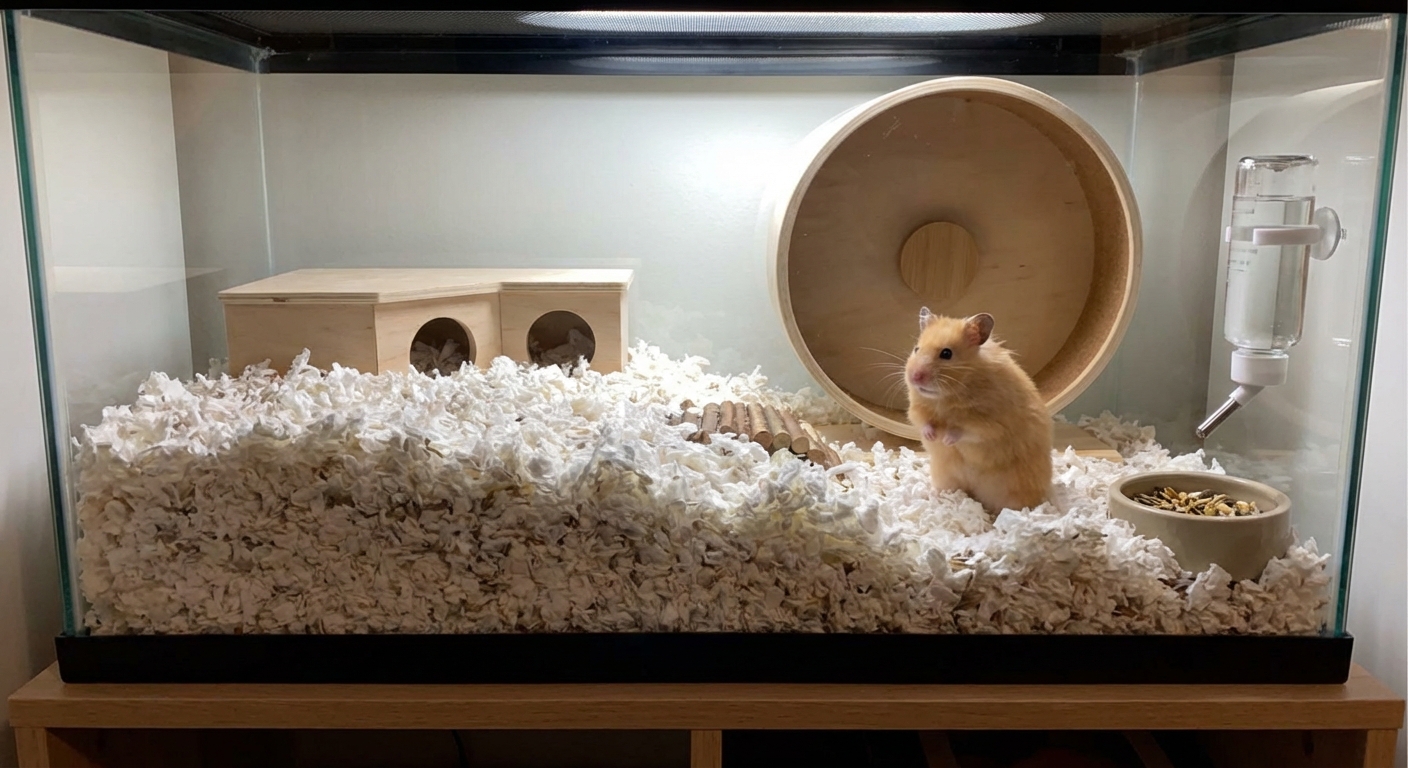
Give supervised time in a rat-safe play area most days. Block off wires, houseplants, and tiny gaps. If you use a wheel, choose a solid-surface wheel large enough to keep the spine neutral, not arched. For most adult rats, that usually means about 14 to 16 inches (35 to 40 cm) in diameter. Avoid saucer-style discs if you can, since they can encourage spinal twist.
Feeding your rat well
Base diet: a quality lab block or pellet
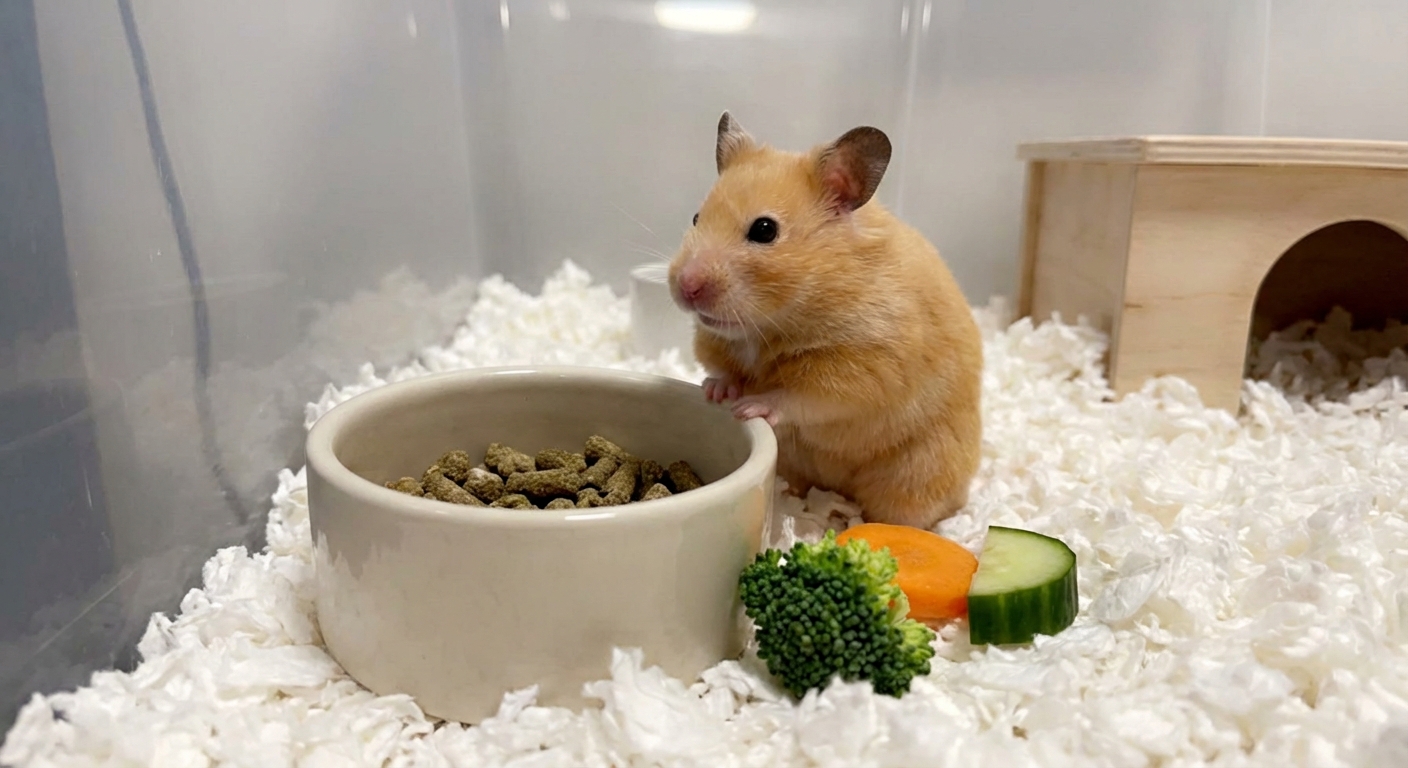
The most reliable foundation is a uniform rat pellet or lab block formulated for rats. Seed mixes can encourage picky eating, where rats eat the tastiest bits and skip key nutrients. In most households, pellets should make up the majority of the diet, with fresh foods used as a supplement.
- Offer a measured amount daily and adjust based on body condition.
- Fresh water should always be available. Many households offer both a bottle and a bowl to ensure hydration.
Fresh foods: small amounts, big benefits
Fresh additions provide variety, enrichment, and beneficial nutrients. Aim for a small serving most days, introduced slowly. Too much watery produce can cause soft stool, so adjust portions if you notice diarrhea.
- Great options: leafy greens, peas, broccoli, bell pepper, cucumber, squash, berries, banana (small amount).
- Protein add-ons: a bit of cooked egg, plain yogurt, or cooked chicken can be helpful in moderation, especially for growing or underweight rats.
Foods to avoid
When in doubt, keep it simple. Some foods are unsafe or can trigger GI upset.
- Avoid moldy or spoiled foods and anything heavily seasoned.
- Skip sticky, choking-risk foods like large globs of nut butter.
- Do not offer alcohol or caffeine at all. Limit sugary treats and avoid using them as daily staples.
- Avoid raw dried beans and other uncooked legumes.
- Avoid green potato parts (skins or sprouts) and any spoiled potatoes.
- If you are unsure about debated items (for example, citrus for males or frequent high-oxalate greens like spinach), ask your vet and stick to conservative choices.
Action step: If you are transitioning from a seed mix to pellets, go slow over 7 to 14 days. Mix the new pellets in gradually to reduce waste and tummy trouble.
Cleaning and daily routine
Spot-cleaning matters more than deep-cleaning
Rats rely on scent for comfort. Over-scrubbing the entire cage too often can actually encourage more marking. A balanced routine helps keep ammonia low without stressing them.
- Daily: remove soiled bedding areas, swap out wet corners, refresh water.
- Weekly: replace most bedding, wipe shelves, wash hammocks and fabric items.
- As needed: deep clean if there is strong odor, illness, or a spill.
Safe cleaning basics
- Use a pet-safe, unscented cleaner. Many owners use diluted white vinegar for routine wipe-downs.
- Rinse well and let surfaces dry before rats go back in.
- Avoid strongly scented products, bleach fumes, and aerosol sprays around the cage.
Bathing and nails
- Bathing: In general, avoid full baths. Spot-clean with a damp cloth if needed, and address the underlying cause (bedding, illness, mobility issues).
- Nails: Nails usually wear down naturally with climbing, but some rats need trims. If nails are snagging fabric or you are getting scratched often, ask your vet or a skilled tech to show you how to trim safely.
Why ammonia is a big deal
Urine ammonia can irritate airways, and rats are already prone to respiratory disease. If you can smell ammonia, it is time to improve ventilation, change bedding more often, and reassess your bedding choice.
Handling and bonding
Most rats become friendly with gentle, consistent handling. If your rat is shy, assume fear, not stubbornness.
- Approach from the side, not from above.
- Offer a small treat on your hand, then let them choose to come to you.
- Support the whole body when lifting, with one hand under the chest and another supporting the hindquarters.

Common health issues to watch for
Rats are masters at hiding illness. Subtle changes in breathing, energy, appetite, or weight deserve attention sooner rather than later.
Respiratory signs
- Snuffling, wheezing, clicking sounds, open-mouth breathing
- Increased red staining around eyes or nose (porphyrin) paired with lethargy
- Labored breathing, increased abdominal effort, or obvious flank movement
Takeaway: Respiratory symptoms are a top reason rats need veterinary care. Do not wait it out.
Quick note: A few mild sneezes right after a move can happen. Persistent sneezing, any breathing noise, decreased appetite, or a hunched, “not feeling well” posture is not something to brush off.
Skin and parasite concerns
- Excess scratching, scabs, hair loss, or crusty skin can suggest mites or irritation.
- Overgrooming may also be stress-related, especially in under-enriched cages.
Lumps and bumps
Mammary tumors and other growths are common in rats, especially as they age. Early evaluation gives you more options.
Teeth problems
Rats’ incisors grow continuously. Provide safe chewing outlets and watch for drooling, weight loss, or difficulty eating.
Emergency signs
- Not eating or drinking
- Severe lethargy, collapse, or being unresponsive
- Blue or gray tongue, gums, ears, or feet, or obvious breathing distress
- Uncontrolled bleeding
Vet care and prevention
Find an exotic vet before you need one. Many general practices do not treat rats routinely, and in an emergency you do not want to be calling around.
- Schedule an initial wellness visit after adoption, especially if you notice sneezing, poor coat condition, or weight loss.
- Ask your vet about parasite prevention strategies and safe treatment options if mites are suspected.
- Track weight weekly with a kitchen scale. Weight trends often show illness earlier than behavior changes.
Action step: Create a simple rat health log in your phone with weekly weights, appetite notes, and any sneezing or noise. Patterns become clear fast.
Lifespan and planning
Pet rats typically live about 2 to 3 years, sometimes longer with excellent care and good luck. Because their lifespan is short, it helps to plan ahead for age-related changes.
- Watch for slowing down, weight loss, increasing lumps, mobility trouble, or recurrent breathing issues.
- Ask your vet early about pain control and quality-of-life options if your rat is aging or has a chronic condition.
Quick shopping checklist
- Large multi-level cage with safe bar spacing
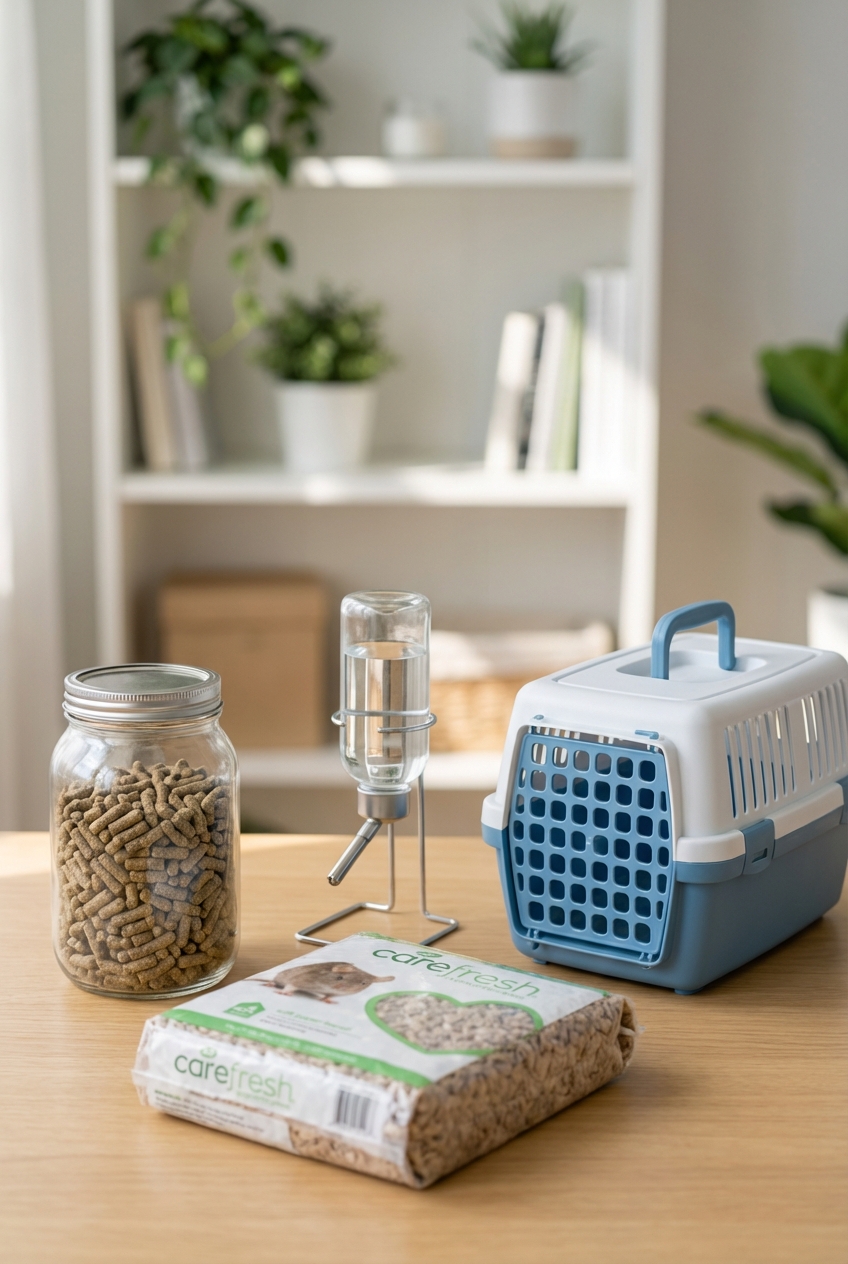
- Low-dust, unscented bedding
- Lab block or quality rat pellets
- Water bottle plus a sturdy bowl
- Hammocks, hides, chew-safe enrichment
- Solid-surface wheel (optional, correctly sized)
- Carrier for vet trips
- Kitchen scale for weekly weights