A practical daily routine for Maine Coon cats—nutrition, hydration, grooming to prevent mats, litter box tips, play for joints, dental care, and health red...
Article
•
Designer Mixes
Caring for a Long-Haired Cat: Need-to-Know Tips

Shari Shidate
Designer Mixes contributor
Long-haired cats are pure magic: silky coats, fluffy tails, and that “lion” look that turns heads. They are also a little higher-maintenance than their short-haired friends, because that beautiful fur can mat, trap dander, and hide skin issues.
As a veterinary assistant, I always tell families the same thing: you do not have to be perfect. A simple routine that you actually stick with will keep your cat comfortable, reduce hairballs, and help you spot problems early.
Why long hair needs different care
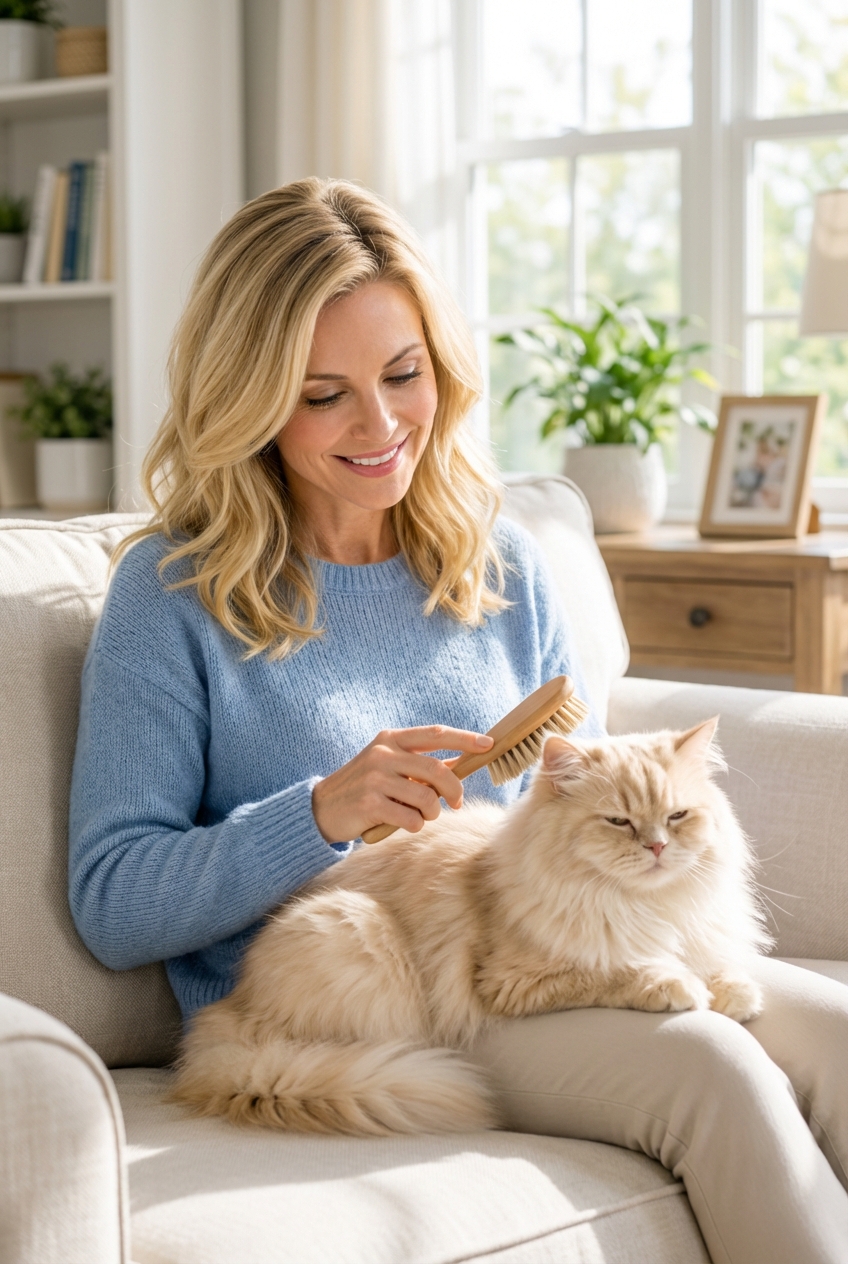
Long coats can tangle quickly, especially in high-friction areas like the axilla (armpit area), behind the ears, along the neck and collar line, and under the tail. When tangles tighten into mats, they can pull on the skin and trap moisture, which raises the risk of irritation and infection.
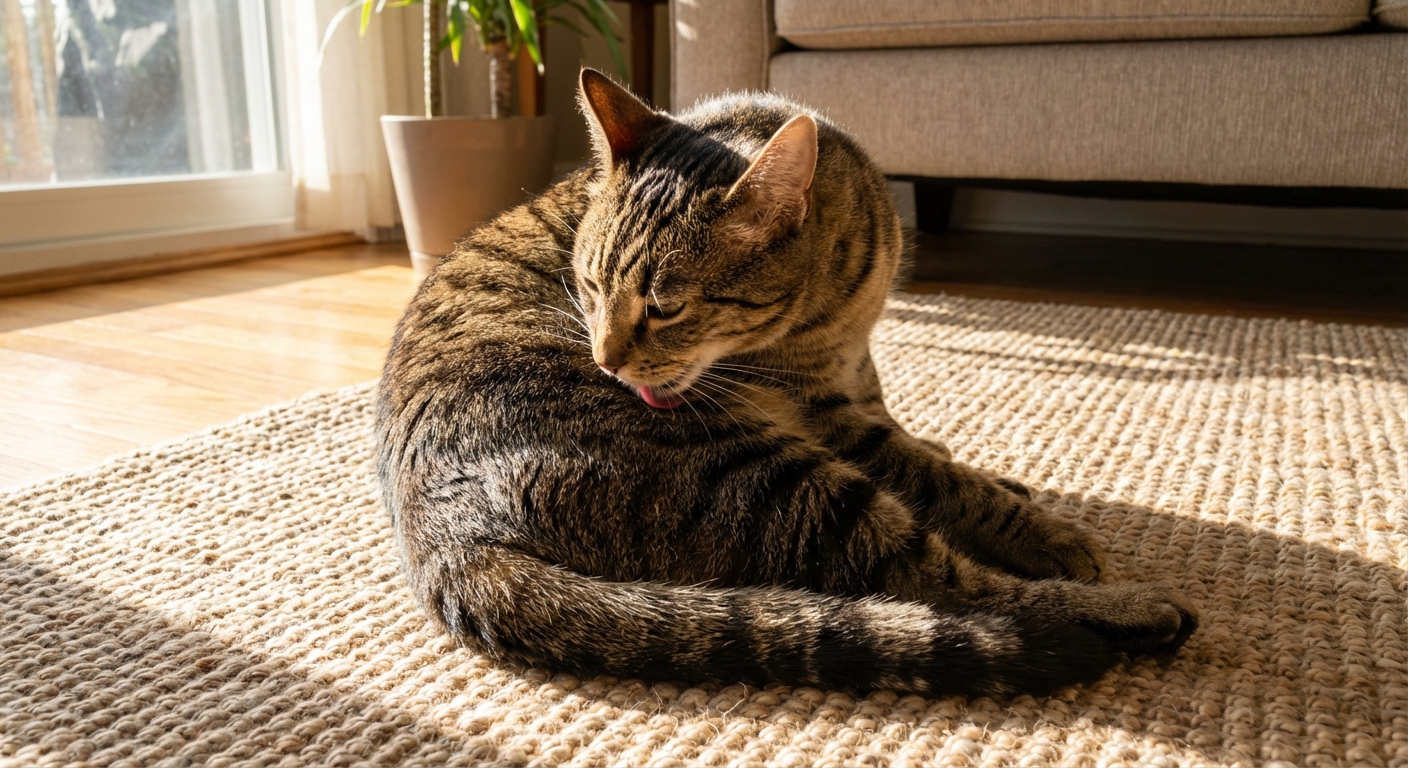
Long-haired cats also often carry more loose hair, which means they may swallow more fur during grooming. That can contribute to hairballs, especially during seasonal shedding or if brushing is inconsistent.
Your simple grooming routine
How often to brush
- Most long-haired cats: 3 to 5 times per week
- Very thick coats or cats prone to mats: daily, even if it is just 3 minutes
- Senior cats or overweight cats: daily is often needed because they may not groom thoroughly
Tools that actually help
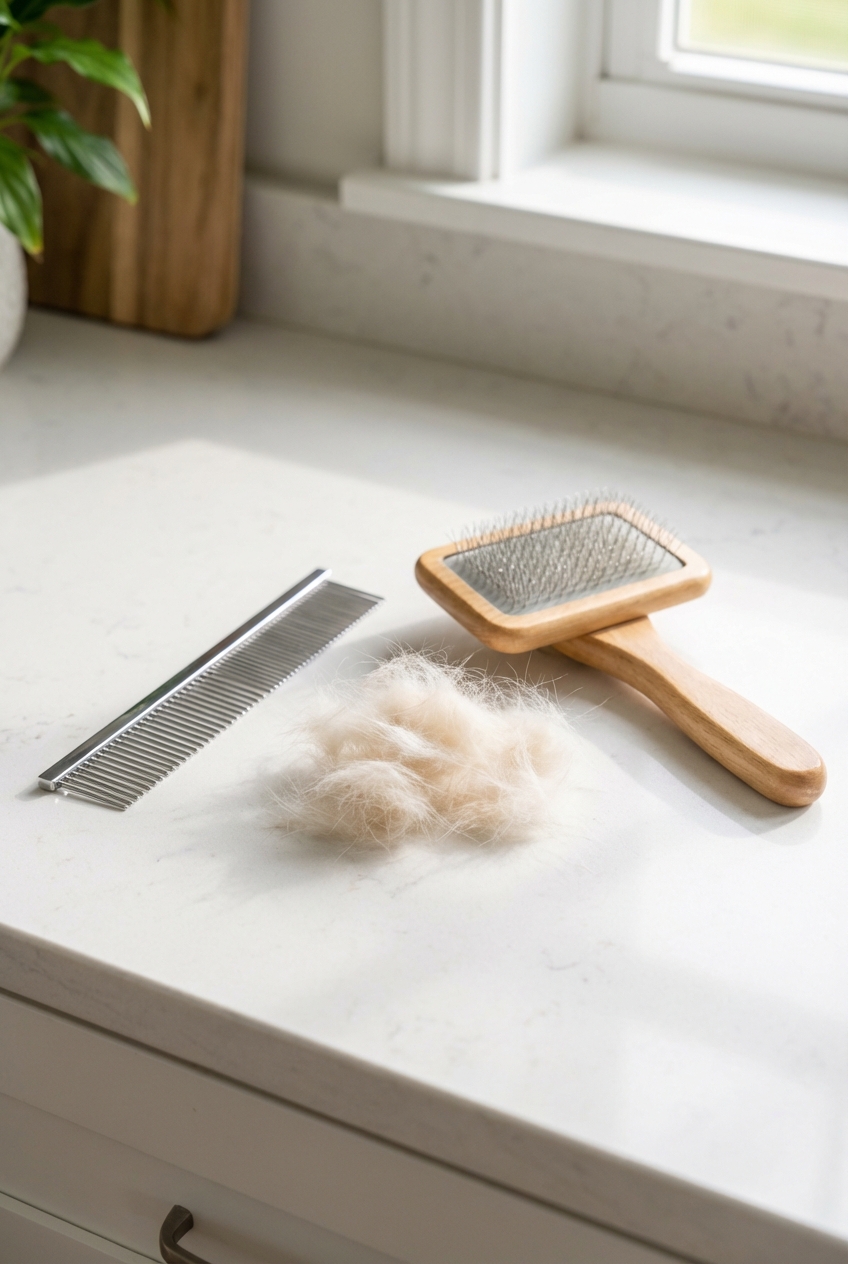
You do not need a drawer full of gadgets. These are the basics that work for most long-haired cats:
- Stainless steel comb: Great for finding small tangles and checking if you brushed thoroughly
- Slicker brush: Helps remove loose undercoat, especially during shedding
- Dematting tool or mat splitter: Use carefully and slowly, and only on small mats
- Cat-safe nail trimmers: Less snagging equals fewer coat tangles
Brushing technique that prevents mats
Start with gentle strokes where your cat likes being touched, often the cheeks and along the back. Work in sections and keep sessions short. For thick coats, use a “line brushing” approach: lift a layer of hair and brush from the skin outward in small rows, then follow with a comb to confirm there are no hidden tangles.
Easy positioning
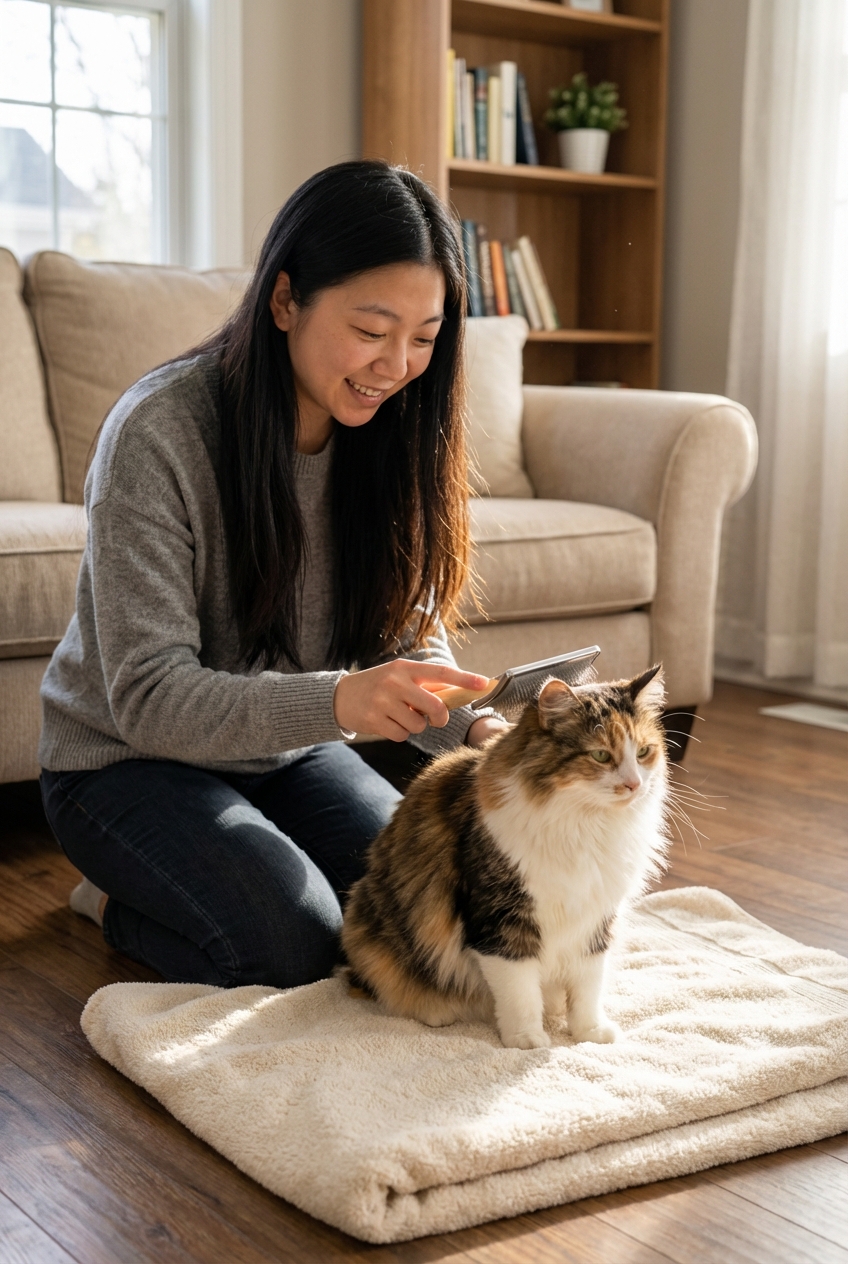
Keep your cat stable and your hands safe by brushing on your lap, on a table with a non-slip mat, or on a grippy bath towel. Many cats do best facing away from you while you work along the back and sides. If your cat is wiggly, aim for quick wins, like one side today and the other side tomorrow.
Make grooming low-stress
- Brush at the same time each day, like after dinner or after play.
- Offer a small treat or a few bites of a favorite wet food after.
- Stop before your cat gets irritated. Ending on a good note builds trust.
- If your cat is sensitive, start with 30 seconds and slowly increase over 1 to 2 weeks.
What to do about mats
Mats are not just cosmetic. They can pull painfully, hide fleas, and trap urine or stool. The sooner you address them, the easier it is for everyone.
Small tangles
- Hold the hair close to the skin to reduce pulling.
- Use your fingers to gently loosen the tangle.
- Work with a comb from the tip of the tangle outward, not straight through from the skin.
Tight mats
If a mat is tight to the skin, large, widespread, or in a sensitive area (groin, axilla, belly, under the tail), it is usually safest to let a professional groomer or your veterinary team handle it. Cats have thin skin, and scissors can cause serious cuts in a split second.
Safety tip: Avoid cutting mats out with scissors. If you cannot slide a comb between the mat and the skin, treat it as a veterinary or grooming appointment issue. These mats often need clippers, and “lion cuts” should be done by professionals.
Also skip human detanglers or leave-in sprays. Many contain ingredients that are not meant to be ingested, and cats will lick whatever you put on their coat.

Hairballs: prevention that really works
Hairballs happen when swallowed fur collects in the stomach (and sometimes the esophagus) instead of passing smoothly through the intestines. Some hairballs are normal, but frequent hairballs can mean your cat needs more brushing, a diet tweak, or a vet check. Hairball frequency varies a lot by the individual cat, the season, and underlying stomach or intestinal issues.
Daily habits that reduce hairballs
- Brush consistently: This is the single biggest difference-maker.
- Hydration: Encourage water with fountains, extra bowls, and wet food.
- Diet support: Some cats do well with hairball-formula diets or added fiber, but it should be individualized.
- Consider a veterinarian-approved hairball gel: Helpful for some cats, especially during seasonal shedding.
When hairballs are not “normal”
Call your veterinarian promptly if you see repeated gagging without producing a hairball, vomiting more than occasionally, loss of appetite, constipation, lethargy, or a pot-bellied appearance. In rare cases, swallowed hair can contribute to blockages that need medical care.
Nutrition and coat health
A shiny, resilient coat starts from the inside. Coat quality is one of the first places you may notice nutrition problems or underlying illness, especially in long-haired cats where dryness and shedding can turn into tangles quickly.
- Choose a complete and balanced cat food with a named animal protein as the first ingredient.
- Omega-3 fatty acids can support skin and coat, but talk with your vet before adding fish oil. Dose matters.
- Maintain a healthy weight: Cats who cannot reach their back or hind end are much more prone to mats and hygiene issues.

Litter box hygiene for fluffy cats
Long fur around the rear can catch litter, stool, and urine, which is uncomfortable and can cause skin irritation. A few adjustments can make a huge difference.
Helpful fixes
- Consider a sanitary trim: A groomer or vet can trim the fur under the tail and around the back legs.
- Use low-tracking litter: Some long-haired cats do better with larger granules or low-dust formulas.
- Keep the box very clean: Scoop daily and fully change litter on schedule to reduce cling and odor.
- Check the “fluff zone” regularly: A quick look once a day prevents bigger messes later.
Bathing: when it helps
Most cats do not need frequent baths, but long-haired cats may benefit occasionally, especially if they have greasy coats, dandruff, or stool stuck in the fur. If your cat hates bathing, do not force it. Stress and scratches are not worth it.
If you do bathe
- Use a cat-specific shampoo, never human shampoo or essential oils.
- Brush and remove tangles first. Water can tighten and compact mats.
- Use warm water and keep the room warm to prevent chilling.
- Dry thoroughly with towels and a low, cool dryer setting if your cat tolerates it.
If bathing is a struggle, a professional groomer experienced with cats can be a safer option.
Parasites and skin issues
Fleas, ticks, and ringworm can be harder to spot on long coats. That is another reason brushing is so valuable: it is a regular “mini exam” you do at home. Even indoor-only cats can get fleas, especially if dogs come and go or people track flea eggs inside.
What to watch for
- Excessive scratching or grooming
- Small scabs, especially along the neck and lower back
- Hair thinning or bald patches
- Red, moist, or smelly areas under mats
- Black “pepper-like” specks in the coat (flea dirt)
Use veterinarian-recommended flea and tick prevention appropriate for cats. Never use dog flea products on cats, as some ingredients can be toxic. Be cautious with “natural” flea remedies and essential oils, since some can irritate skin or be unsafe if licked.
When to call a pro
Home grooming is great, but there are times when a groomer or veterinary visit is the kindest and safest choice.
- Widespread matting or mats tight to the skin
- Skin sores, oozing, bad odor, or a suddenly greasy coat
- Painful brushing, yowling, or sudden sensitivity in one area
- Heavy shedding, dandruff, or bald patches that appear quickly
- Suspected parasites or ringworm exposure
If your cat needs clipping or a “lion cut,” ask for a cat-experienced professional. It is much safer than attempting it at home.
Quick weekly checklist
- 3 to 5 brushing sessions (daily if mat-prone)
- Comb check behind ears, axilla, belly, and under tail
- Nail trim every 2 to 4 weeks
- Skin scan for scabs, fleas, redness, or odor
- Weight check and note if grooming seems harder for your cat
If you are feeling behind, start with one habit: brush for two minutes a day. Your cat’s coat will tell the story within a couple of weeks.