
A vet-guided overview of dog CHF treatment: diuretics, pimobendan, ACE inhibitors, monitoring resting respiratory rate, diet and exercise tips, emergency sig...
Article
•
Designer Mixes
Caring for a Dog With Congestive Heart Failure

Shari Shidate
Designer Mixes contributor
Hearing the words congestive heart failure (CHF) at the vet can feel scary and heavy. I get it. As a veterinary assistant here in Frisco, Texas, I have sat with families in that exact moment, and I want you to know something important: many dogs with CHF can still enjoy a meaningful, comfortable life when you have the right plan, the right medications, and a calm, consistent routine at home.
This how-to guide will walk you through what CHF means, what to watch for, and how to support your dog day to day. It is evidence-based, but written in plain language. And because every heart patient is unique, use this as a support tool alongside your veterinarian or veterinary cardiologist, not a replacement.

What congestive heart failure means
Congestive heart failure does not mean the heart has stopped. It means the heart is not pumping efficiently enough, and fluid starts to back up in places it should not be.
- Left-sided CHF: fluid builds up within the lungs (pulmonary edema), which can cause coughing and fast or difficult breathing. In some cases, dogs can also develop fluid around the lungs, but the classic pattern is fluid in the lung tissue.
- Right-sided CHF: fluid builds in the abdomen (ascites) and/or in the chest space (pleural effusion), which can cause a pot-bellied look, swelling, and sometimes reduced appetite.
Common underlying causes include degenerative mitral valve disease (very common in small breeds) and dilated cardiomyopathy (more common in larger breeds). Less common causes can include congenital disease and, depending on where you live and your dog’s prevention history, heartworm disease. Your vet may also mention stages (like ACVIM staging) to describe how advanced the disease is and when certain medications are recommended.
Know the red flags that need urgent care
If your dog has diagnosed CHF, quick action can be life-saving. Contact your vet or emergency hospital right away if you notice any of the following:
- Breathing looks hard or labored (belly pushing, neck extended)
- Breathing rate at rest is persistently high, or suddenly increases
- Open-mouth breathing when resting (especially in dogs that do not normally do this)
- Blue, gray, or very pale gums
- Collapse, fainting, sudden weakness, or inability to stand
- Severe lethargy, extreme anxiety, or agitation that seems tied to breathing
- A sudden swollen belly, especially if paired with weakness
If your dog is struggling to breathe, do not wait for it to “pass.” Breathing distress is an emergency.
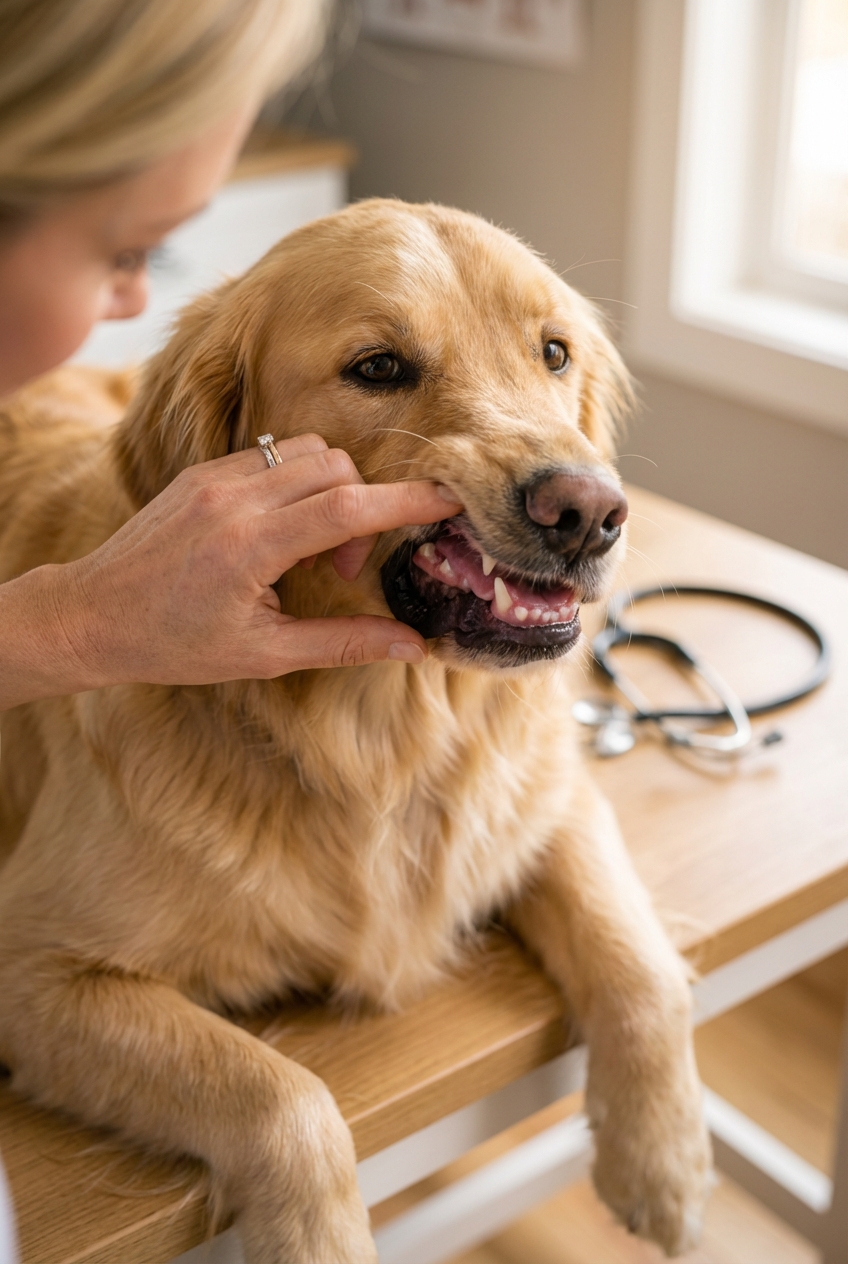
What to do in a breathing emergency
If you think your dog is in breathing distress, focus on getting help fast and keeping things as calm as possible:
- Keep your dog still and calm. Minimize handling, excitement, and stairs.
- Do not force food, water, or supplements.
- Do not give extra doses of heart meds or diuretics unless your veterinarian has specifically told you to do that in an emergency plan.
- Go to the nearest ER (or call on the way). Bring your medication list, doses, and last dose times.
- Keep the car cool and avoid anything that makes your dog pant or struggle.
Your at-home CHF toolkit
You do not need a medical degree to help your dog. You need a simple routine you can repeat consistently. Here are the most helpful tools for most families:
- A written medication schedule posted on the fridge
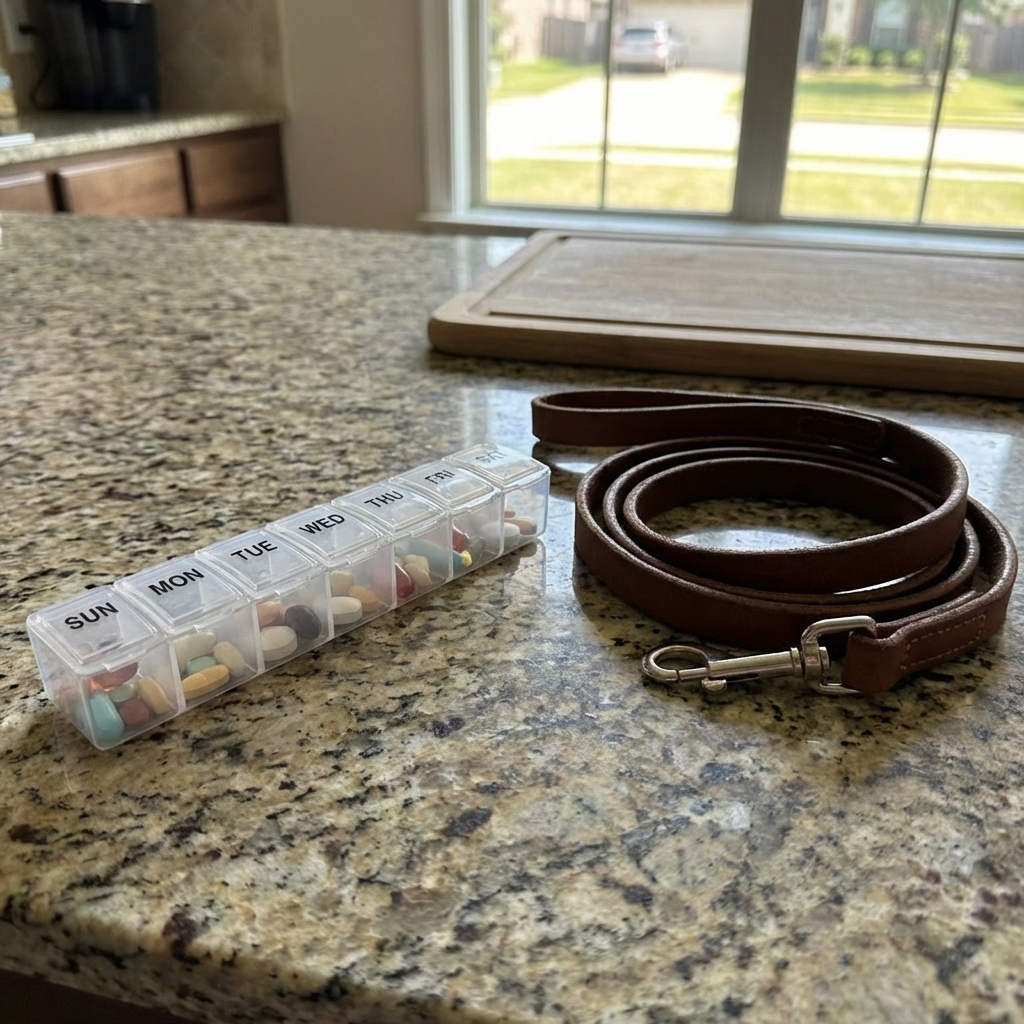
- A pill organizer (AM and PM slots are a lifesaver)
- A resting respiratory rate log (notes app or notebook)
- A digital scale for weekly weight checks if recommended
- Easy access to your vet’s number and the nearest ER address
If your dog is prone to stress at the clinic, ask your veterinarian about strategies to make visits easier. Stress and exertion can worsen breathing in CHF patients.
How to check resting breathing rate
One of the best, most evidence-supported at-home monitoring tools for CHF is tracking resting respiratory rate. This can help catch fluid changes early.
Step by step
- Wait until your dog is asleep or deeply resting, not panting.
- If your dog is dreaming (twitching, paddling, or breathing irregularly), wait for a calmer sleep moment.
- Watch the chest rise and fall. One rise and one fall equals 1 breath.
- Count breaths for 30 seconds and multiply by 2.
- Write it down with the date, time, and any notes (coughing, unusual fatigue, skipped meal).
What number is too high?
Many healthy dogs sleep in the mid-teens to low-20s, so your dog’s baseline really matters. In a lot of stable CHF dogs, resting rates are often under about 30 breaths per minute, but it is not a magic line.
What matters most is trend. If your dog’s resting rate is consistently above your usual numbers, rises by about 20 percent or more from baseline, or is repeatedly over 30 to 35, call your vet for guidance (or go in urgently if your dog looks distressed).
Tip: ask your vet what resting rate should trigger a call for your specific dog.
Medications: what they do and how to give them safely
CHF treatment usually involves a combination of medications. The exact combo depends on the cause, the stage, kidney values, blood pressure, and response to therapy. The most common categories include:
- Diuretics (like furosemide): help pull excess fluid off the lungs or out of the body.
- Pimobendan: helps the heart pump more effectively and can reduce workload.
- ACE inhibitors (like enalapril or benazepril): may help blood vessel relaxation and can support the heart in some patients, depending on stage and overall health.
- Antiarrhythmics (as needed): help control abnormal heart rhythms.
- Spironolactone (in some cases): a mild diuretic and an aldosterone antagonist that provides neurohormonal support.
Safety notes every CHF family should know
- Never change doses on your own, even if coughing improves or your dog seems “off.” Call the clinic.
- Expect more thirst and urination with diuretics. That is common, but dehydration can happen if doses are too high.
- Lab monitoring matters. Many heart meds can affect kidney values, electrolytes, and blood pressure, so rechecks are not optional.
- If your dog vomits after a dose or you miss a dose, ask your vet what to do. Do not double-dose unless you are specifically instructed.
Side effects that should prompt a call
Every dog is different, but these are common reasons we want to hear from you:
- Diuretics: weakness, wobbly walking, loss of appetite, vomiting, diarrhea, signs of dehydration (sticky gums, sunken eyes), or sudden change in drinking and urination patterns.
- Pimobendan: vomiting, diarrhea, reduced appetite, or new restlessness (also keep in mind that restlessness can be a sign of breathing trouble).
- ACE inhibitors: reduced appetite, vomiting, diarrhea, weakness, or anything that suggests low blood pressure (fainting, severe lethargy). Some side effects show up only on labwork, which is why rechecks are important.
- Spironolactone: vomiting, diarrhea, lethargy, or changes that could suggest electrolyte shifts (your vet monitors this with labs).
Food and sodium: practical nutrition support
Nutrition is part of CHF care, but it should be calm and realistic. In general, many CHF dogs benefit from moderate sodium restriction and consistent calories to prevent unwanted weight loss or muscle loss.
Start with these food rules
- Do not add salty toppers: deli meat, bacon, cheese-heavy snacks, salted broth, chips.
- Be careful with treats: even small treats add up. Ask your vet for heart-safe treat ideas.
- Keep eating enjoyable: loss of appetite can happen. Warming food slightly or offering smaller, more frequent meals can help.
Homemade diets can help, but must be balanced
I love whole-food nutrition, but with CHF we have to be extra careful. Homemade diets are only a win if they are complete and balanced and appropriate for your dog’s medical status. Some heart patients also have kidney concerns, so protein, phosphorus, and sodium targets may need customization.
If you want to go homemade, ask your vet for a referral to a board-certified veterinary nutritionist, or use a vet-approved recipe formulation service. Guessing can lead to nutrient gaps. In certain cases, like diet-associated cardiomyopathy, nutrients such as taurine may be especially important, but the big picture is this: your dog needs the right balance of vitamins, minerals, and amino acids for their specific condition.
Exercise and daily life
Most dogs with stable CHF still need movement, but the goal changes. We want gentle consistency, not “wear them out.”
- Choose shorter, slower walks instead of long hikes.
- Avoid heat and humidity. Early morning and evening are usually safest.
- Let your dog set the pace. If they stop, you stop.
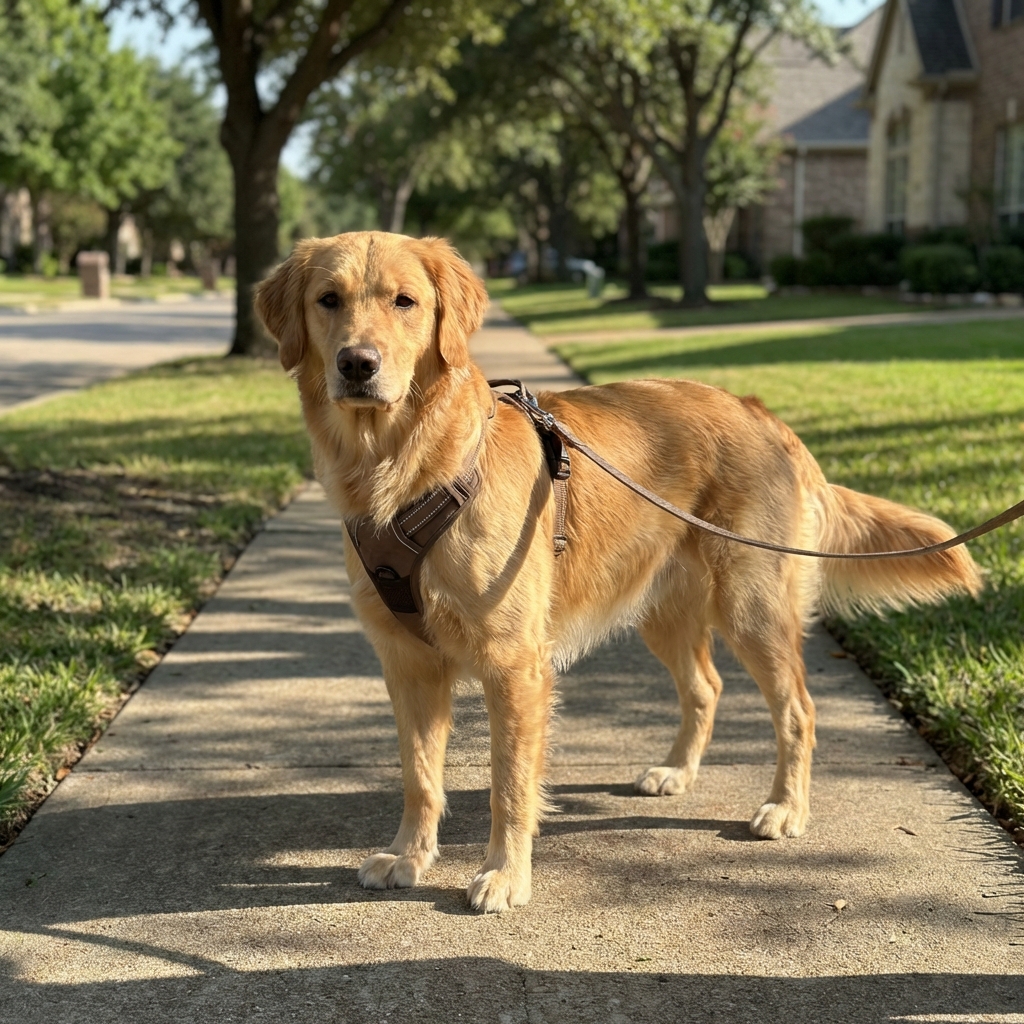
- Use a harness instead of a collar to reduce pressure on the neck and airway.
Also, keep your home setup supportive: soft bedding, easy access to water, ramps for furniture if jumping is hard, and a calm space away from chaos.
Reducing stress
When dogs feel anxious, their breathing rate rises, and in CHF that can tip a “stable” day into a tough one. These small changes can make a big difference:
- Create a quiet rest zone away from doors and high-traffic areas.
- Keep routines predictable for meals, meds, and potty breaks.
- Use low-stress handling: slow movements, gentle voices, plenty of traction on floors.
- Ask your vet about calming aids if anxiety is an issue. Some supplements and prescription options are safer than others for heart patients.
Recheck visits
CHF care is not one-and-done. Plan on follow-ups. Your vet may recommend:
- Chest radiographs to assess fluid in the lungs
- Echocardiogram (ultrasound of the heart) to evaluate structure and function
- Bloodwork to monitor kidney function and electrolytes
- Blood pressure checks
Bring your breathing-rate log and any notes about cough, energy, appetite, sleep, and bathroom changes. Those details help your vet fine-tune treatment.
Coughing: CHF or not?
Many CHF dogs cough, but not every cough is heart failure. Coughing can also come from airway disease, collapsing trachea (common in small breeds), bronchitis, or even irritation from pulling on a collar.
Call your vet if coughing changes in frequency, timing, or intensity, especially if it is paired with reduced appetite, fatigue, or higher resting breathing rates.
End-of-life planning
This is the part nobody wants to talk about, but it is also one of the kindest things you can do. CHF can be managed for months to years, and then sometimes it can progress. Planning ahead does not mean giving up. It means protecting your dog from suffering.
Ask your vet about a quality-of-life checklist, what signs mean your dog is having more bad days than good, and what options exist for hospice support or in-home euthanasia if needed.
You are not “quitting” when you choose comfort. You are loving them responsibly.
Quick how-to checklist
- Give meds exactly as prescribed and track doses.
- Log resting respiratory rate several times per week, or daily if advised.
- Call your vet for upward trends in breathing, new cough, weakness, or appetite changes.
- Keep activity gentle and avoid heat.
- Limit salty foods and treats, and keep nutrition consistent.
- Keep recheck appointments and lab monitoring.
The goal with CHF is not perfection. It is steady, loving care and quick response when something changes.
Sources and further reading
- ACVIM Consensus Statement: Guidelines for the diagnosis and treatment of myxomatous mitral valve disease in dogs (staging and treatment recommendations).
- American College of Veterinary Internal Medicine (ACVIM) client education resources on cardiology topics.
- Tufts University Cummings School of Veterinary Medicine: clinical nutrition resources for safe, balanced home-prepared diets.