A practical 24–72 hour diet and hydration plan for mild dog diarrhea, with bland food options, safe add-ons like probiotics, foods to avoid, and clear red ...
Article
•
Designer Mixes
Caring for a Dog with Bad Diarrhea

Shari Shidate
Designer Mixes contributor
Diarrhea is one of the most common reasons worried pet parents call the clinic, and I get it. It is messy, stressful, and it can feel urgent, especially when your dog looks uncomfortable or needs to go out every 30 minutes. The good news is that many cases are mild and short-lived, but some need veterinary care quickly.
This guide walks you through what to do right now, what not to do, what to feed, and when to call your vet. I am writing from the perspective of a veterinary assistant, and I will keep it practical and evidence-based.
Quick severity check
Before you change anything, take 60 seconds to assess what you are seeing. This helps you decide if home care is reasonable and it helps your vet if you call.
- Frequency: how often are the trips outside?
- Volume: small squirts vs large puddles?
- Blood: bright red streaks or black, tarry stool?
- Vomiting: none, once, or repeated?
- Behavior: normal energy vs tired, painful, or hiding?
- Hydration: drinking normally, or dry gums and weakness?
If you can, take a photo of the stool and write down the time of each episode. It sounds gross, but it is genuinely useful.
First, check for red flags
Some diarrhea can be managed at home for a short time, but these signs or situations mean you should contact your veterinarian or an emergency clinic today:
- Blood in the stool (bright red streaks or black, tarry stool)
- Repeated vomiting, especially if your dog cannot keep water down
- Severe lethargy, collapse, weakness, or signs of pain
- Bloated belly or repeated unproductive retching
- Dehydration (dry or tacky gums, sticky saliva, skin does not spring back)
- High-risk status (puppies, seniors, or dogs with chronic disease like kidney disease, diabetes, Addison’s, or heart disease)
- Diarrhea lasting more than 24 to 48 hours, or happening frequently over weeks
- Possible toxin exposure (xylitol, grapes or raisins, human meds, rodent bait, compost, alcohol)
- Possible foreign body (toy pieces, socks, bones, corn cobs)
If your dog is having large volumes of watery diarrhea every hour, that can dehydrate them faster than many people realize. If you are on the fence, call your clinic or an ER for guidance.
What concerning diarrhea can mean
Veterinary teams often think about diarrhea in two big categories:
Large bowel diarrhea (colon)
- Small amounts, frequent urgent trips
- Mucus is common
- Bright red blood can happen from irritation
- Straining may look like constipation
Small bowel diarrhea (small intestine)
- Larger volume stool, fewer trips
- Weight loss may show up if ongoing
- Stool may look greasy or very watery
- Black, tarry stool can indicate digested blood and is urgent
This is not about diagnosing at home. It helps you describe what you are seeing when you call your veterinarian.
Common causes
Diarrhea is a symptom, not a single disease. Some of the most common causes we see include:
- Dietary indiscretion: trash, fatty table food, new treats, chew sticks, rich bones
- Sudden diet change: switching foods too quickly
- Stress: boarding, new baby, travel, storms
- Parasites: Giardia, roundworms, hookworms, whipworms (even dogs on prevention can get some)
- Infections: viral or bacterial upset, sometimes after exposure at daycare or parks
- Food intolerance or sensitivity
- Pancreatitis: often after a high-fat meal, can be painful and serious
- Chronic intestinal disease: inflammatory bowel disease, endocrine disease (like Addison’s)
- Medication side effects: antibiotics, some anti-inflammatories
If your dog has recurring diarrhea, do not assume it is “just a sensitive stomach.” Repeated episodes deserve a workup.
What to do at home (12 to 24 hours)
1) Protect hydration
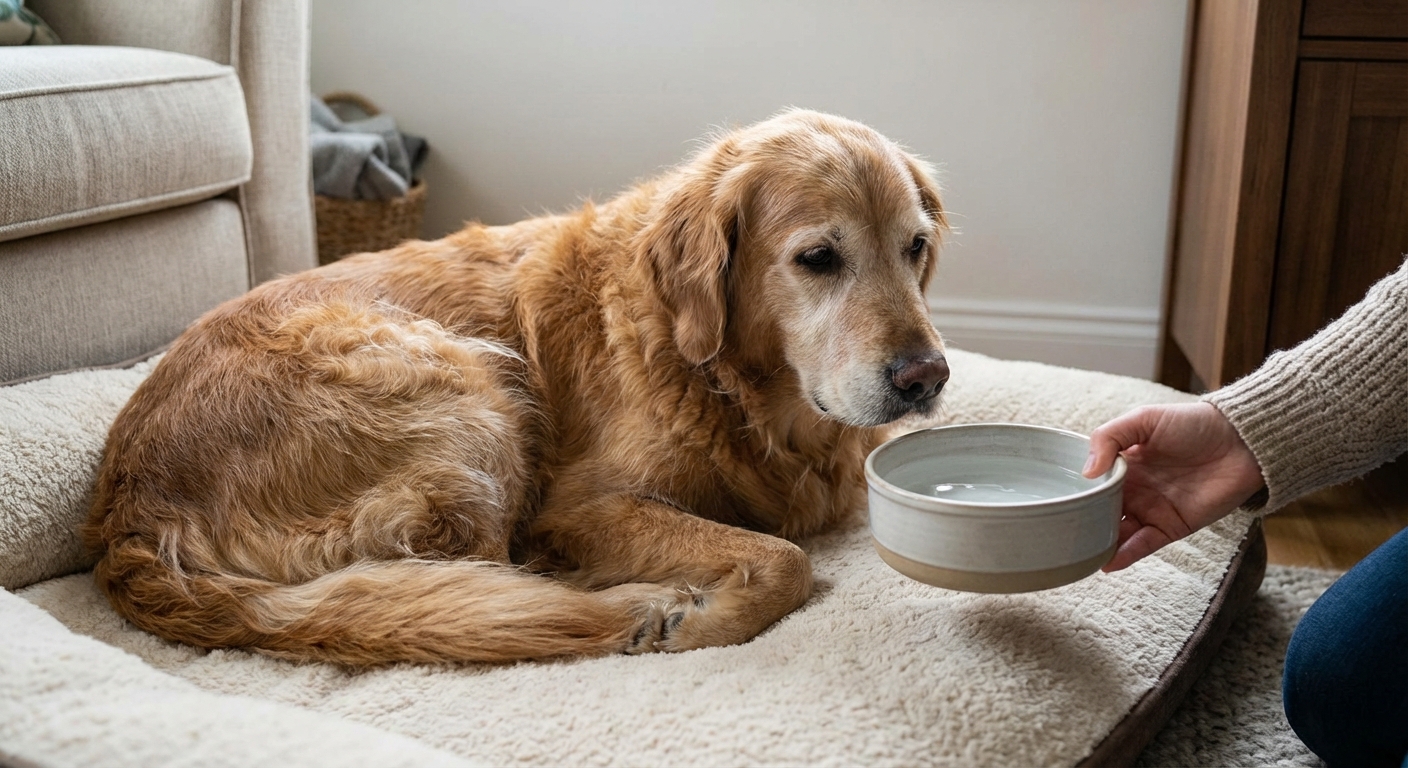
Water matters more than food at first. Offer frequent access to fresh water. If your dog is gulping and vomiting, or cannot keep water down, that is a vet visit.
- Offer small, frequent sips rather than encouraging chugging.
- Clean the water bowl daily. Some dogs will drink more if the water is cool and fresh.
2) Pause rich foods and treats
Stop all treats, chews, rawhides, bully sticks, dental chews, and people food until stools are normal for several days.
3) Consider a brief rest from food (only if appropriate)
For a healthy adult dog with mild diarrhea and no red flags, your veterinarian may recommend a short rest from food (often 8 to 12 hours), followed by a bland diet. Some dogs do better with immediate small bland meals instead. Do not fast puppies, toy breeds prone to low blood sugar, seniors, or medically fragile dogs. If you are unsure, call your clinic.
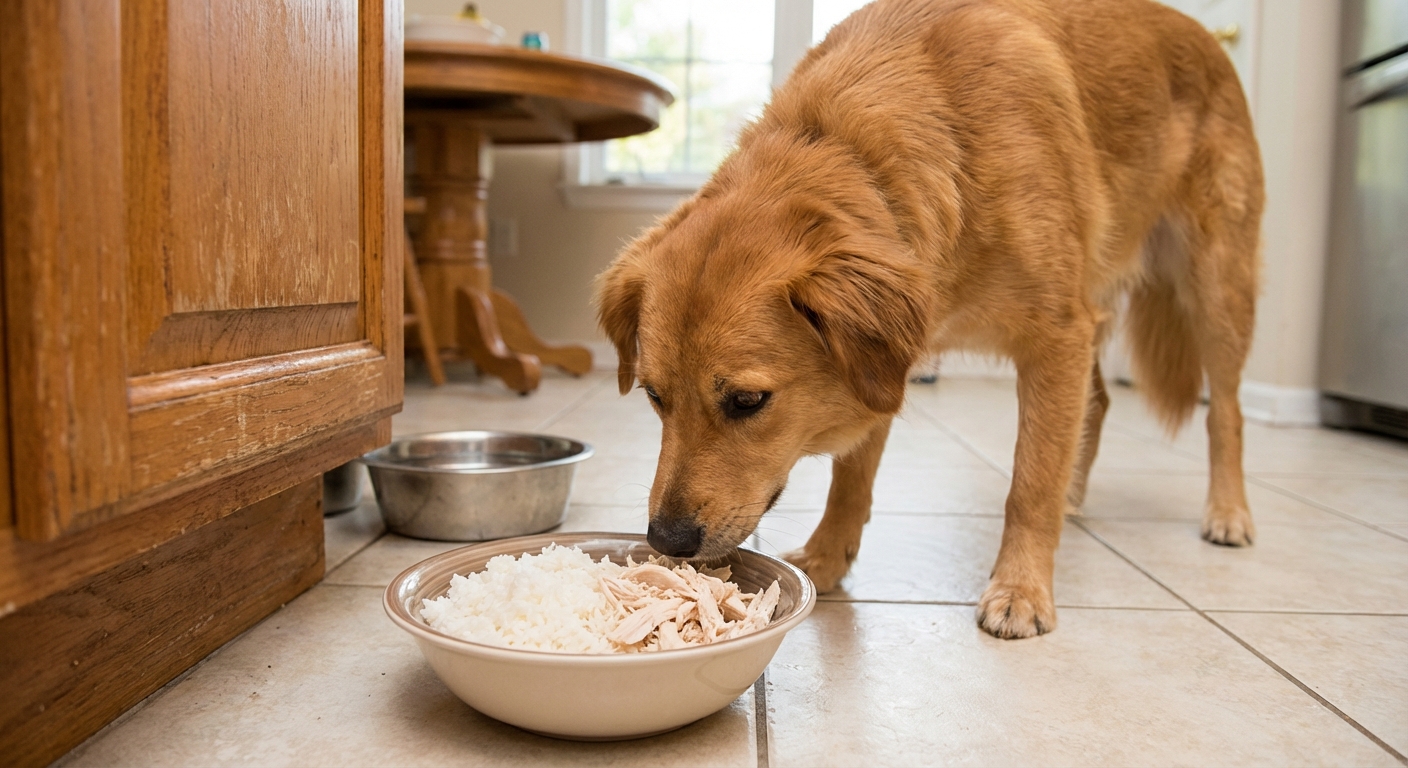
4) Start a bland, low-fat diet
After the resting period, or when you are ready to reintroduce food, a bland diet can help the gut calm down. Choose one option and keep it simple for 2 to 3 days:
- Boiled skinless chicken breast with white rice
- Lean ground turkey (drained well) with white rice
- Prescription GI diet (often the easiest on the gut if you can get it)
Feed small meals (about 4 per day). Big meals can overwhelm an irritated GI tract.
Portion tip: a practical starting point is about one quarter to one third of your dog’s normal meal size per feeding, then adjust based on your vet’s advice, your dog’s appetite, and stool response.
If your dog has a known allergy or intolerance (for example, chicken), pick a different protein or use a veterinary GI diet.
Tip from the clinic: Low fat is the goal. Fat can worsen diarrhea and can be a real trigger for pancreatitis in some dogs.
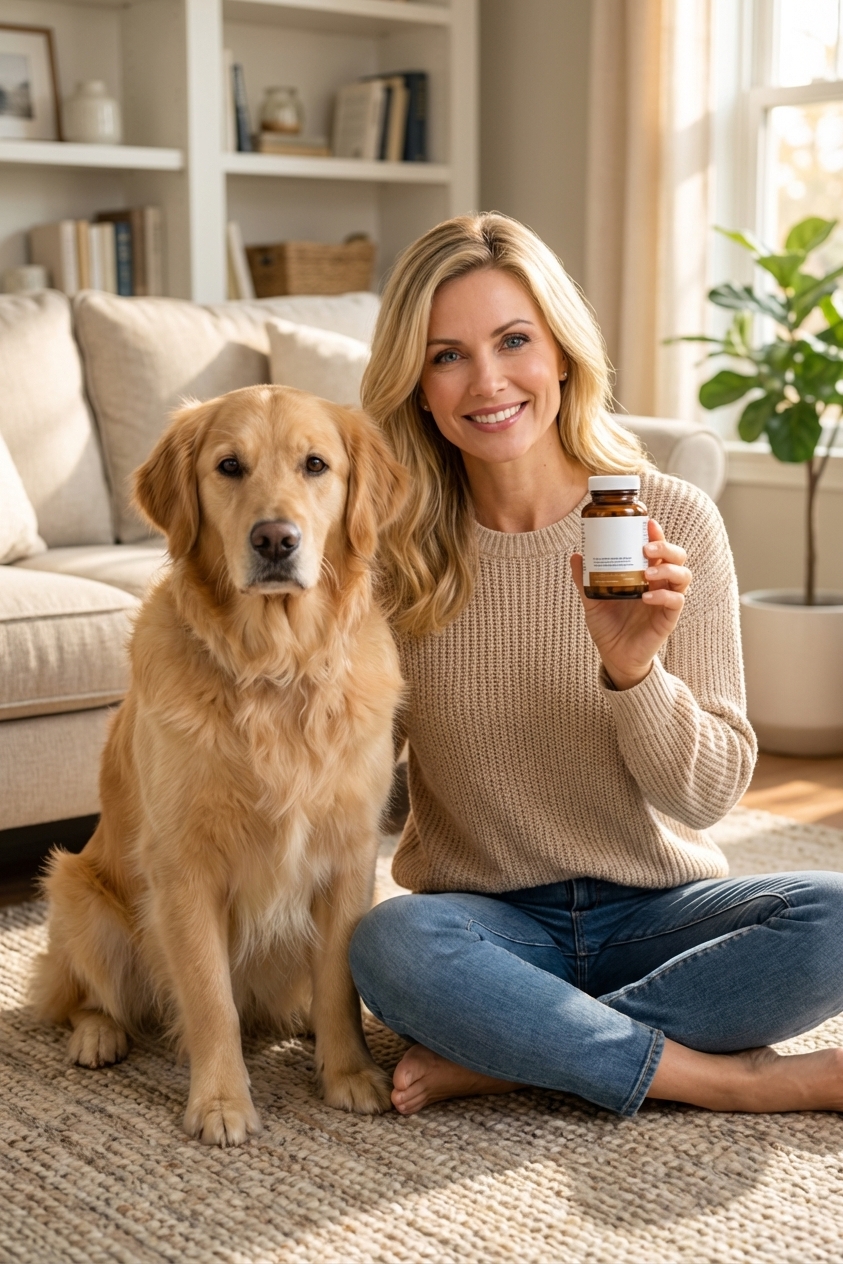
5) Add a vet-approved probiotic
There is evidence that some probiotics can shorten the duration of acute diarrhea in dogs, but it is strain-specific and product quality matters. One commonly studied example is Enterococcus faecium (SF68). Ask your vet for a product made for pets. Avoid random human probiotics unless your veterinarian specifically approves them.
What not to do
- Do not give human anti-diarrheal medicines (like loperamide) unless your veterinarian tells you to. Some dogs, especially certain herding breeds and mixes, are at higher risk due to the MDR1 (ABCB1) gene mutation. These meds can also be dangerous if there is infection, toxin exposure, or a blockage.
- Do not give Pepto-Bismol without guidance. It contains salicylates and can cause problems, plus it can turn stool black and confuse the picture.
- Do not switch foods repeatedly trying to “find the one.” Rapid changes can keep diarrhea going.
- Do not offer fatty comfort foods like hamburger grease, bacon, sausage, or cheese.
- Do not ignore dehydration. If your dog is losing fluids fast, home care is not enough.
How to check dehydration
Dehydration is one of the biggest risks with significant diarrhea. Here are quick at-home checks:
- Gums: should be slick and moist, not tacky or dry
- Skin tent: gently lift skin over the shoulders. It should snap back quickly
- Energy: unusual tiredness or weakness can be dehydration or something more serious
These checks are not perfect, especially in overweight dogs and some seniors. If you are unsure, it is safest to call your veterinarian. Dogs may need subcutaneous or IV fluids, and that can be a game-changer.
When to call your vet
Call your vet right away if:
- Diarrhea is profuse and watery or happening overnight without breaks
- You see blood or the stool is black
- Your dog also has vomiting or refuses water
- Your dog may have eaten trash, bones, toys, medications, or toxins
- There is fever, belly pain, shaking, or obvious distress
- Your dog is a puppy or not fully vaccinated
Bring a fresh stool sample if you can. Parasite testing is one of the quickest ways to get answers.
What your vet may recommend
Depending on your dog’s age, symptoms, and exam findings, your veterinarian may suggest:
- Fecal test for parasites (including Giardia)
- Parvovirus test for puppies or unvaccinated dogs
- Bloodwork to assess dehydration, infection, organ function, and pancreatitis risk
- X-rays or ultrasound if a foreign body is suspected
- Prescription GI diet, probiotics, and anti-nausea medication
- Deworming even if parasites are not seen on the first test, when suspicion is high
- Antibiotics only when appropriate, not for every diarrhea case
One note I share gently with families: antibiotics can be helpful in specific situations, but they can also disrupt the gut microbiome. That is why vets are more selective about using them now.
Also, some parasites shed intermittently, so a negative test one day does not always rule them out. Your vet may recommend repeat testing or treatment based on the whole picture.
Back to normal food
Once stools are formed for 24 to 48 hours, transition gradually:
- Day 1: 75% bland diet, 25% regular diet
- Day 2: 50% bland diet, 50% regular diet
- Day 3: 25% bland diet, 75% regular diet
- Day 4: 100% regular diet
If diarrhea returns during the transition, pause and call your vet. That can be a clue that your dog needs a different diet strategy or further testing.
Prevention tips
- Keep diet changes slow: over 7 to 10 days
- Use a consistent treat list and keep treats under 10% of daily calories
- Trash-proof your home, especially bathrooms and kitchens
- Stay current on parasite prevention and talk with your vet about Giardia risk where you live
- Avoid high-fat special foods during holidays and parties
And please do not feel embarrassed if your dog got into something. It happens to the best pet parents, especially with curious mixes and counter-surfing pros.
If diarrhea becomes chronic or keeps coming back, ask your vet about next-step options such as diet trials, fecal PCR panels, B12 and folate testing, or referral to internal medicine.