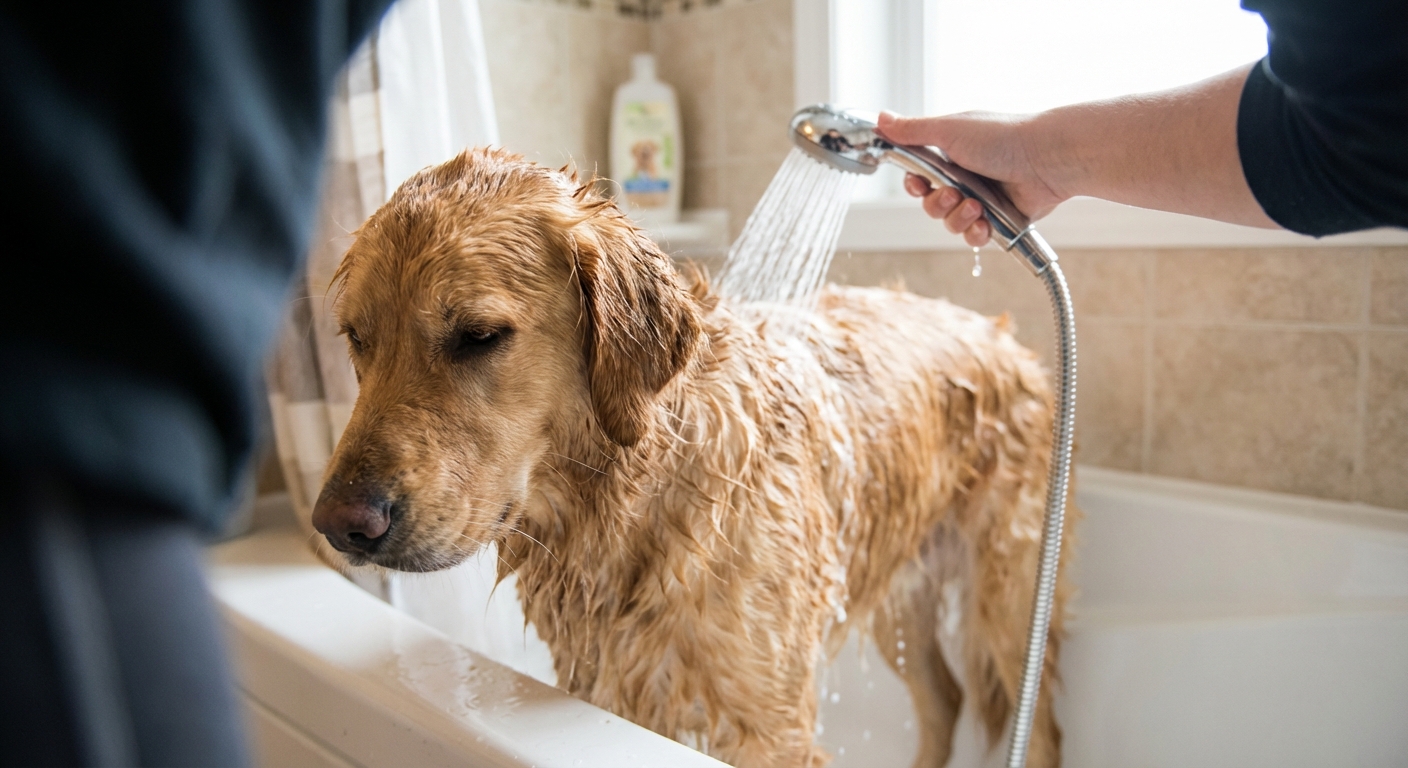
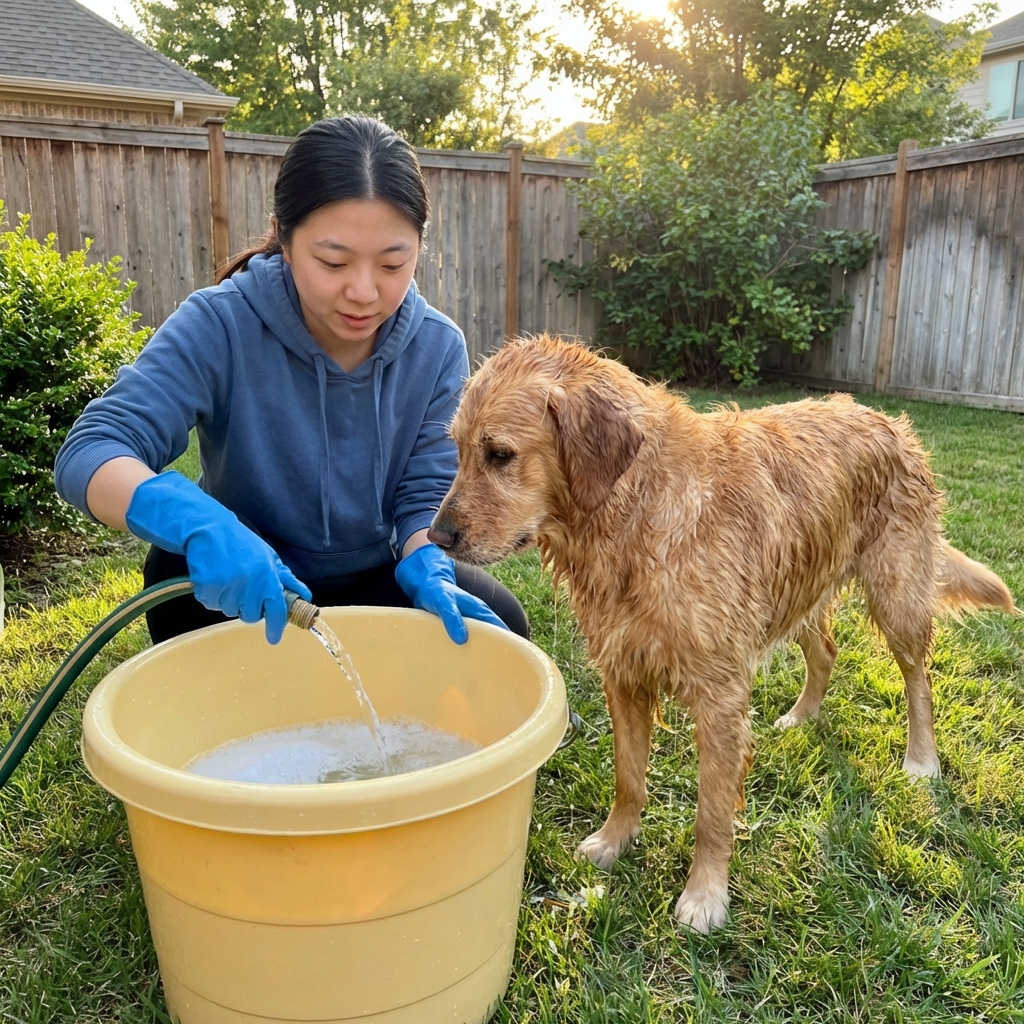
Skunk spray clings for days. Learn why the odor returns, the best peroxide + baking soda + dish soap mix, how to wash safely (including face/eyes), and when ...
Article
•
Designer Mixes
Caring for a Dog Sprayed by a Skunk

Shari Shidate
Designer Mixes contributor
Few things stop you in your tracks like that unmistakable skunk smell. If your dog has just been sprayed, take a breath. You can usually handle this at home with the right steps, the right ingredients, and a little patience. As a veterinary assistant, I have seen plenty of “skunked” pups, and in my experience the biggest difference-maker is what you do in the first 10 to 20 minutes. Acting quickly helps keep the oily spray from spreading through the coat, onto furniture, and into anything your dog rubs on.
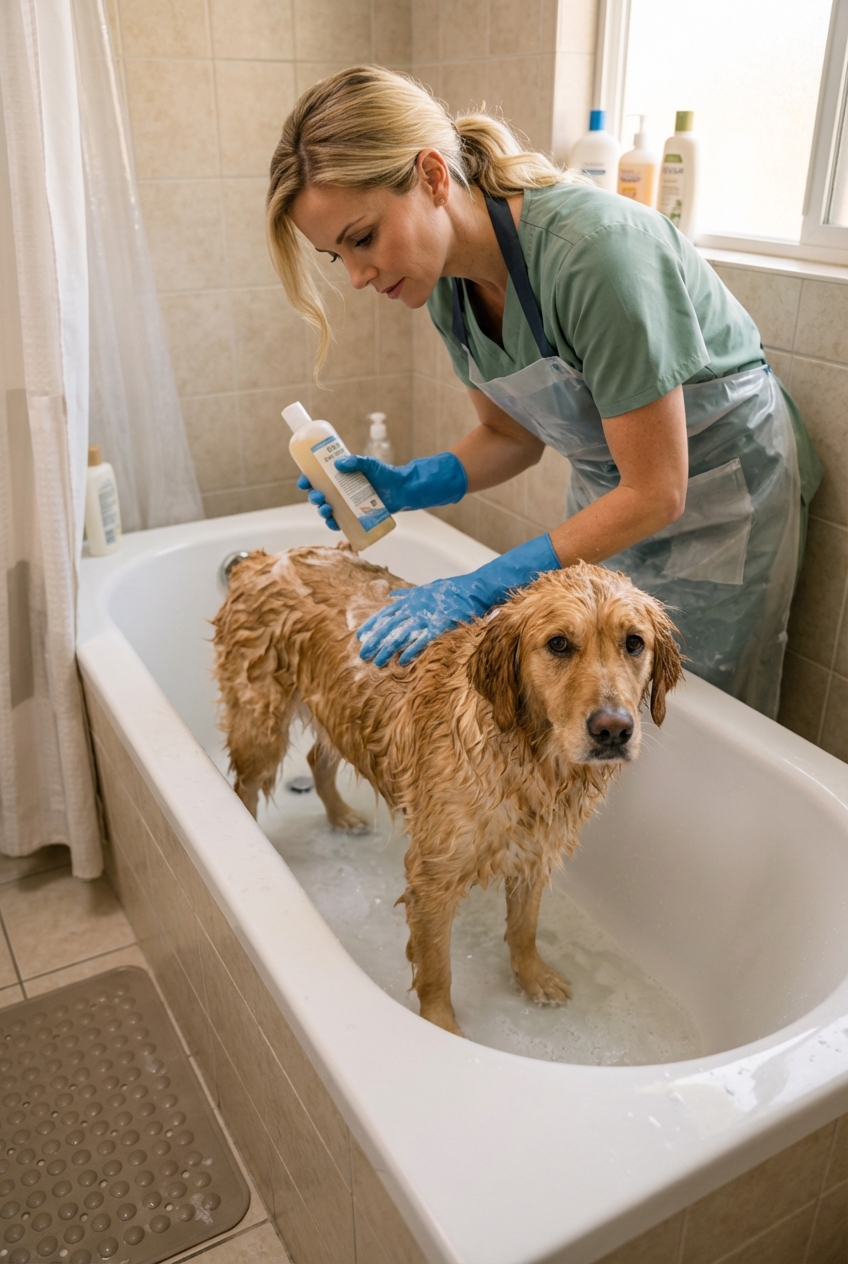
This article explains what skunk spray is, what not to do, the best evidence-based home remedy, and when it is time to call your vet.
If your dog has eye exposure or any breathing trouble, skip home remedies and contact your veterinarian right away.
First steps
1) Keep your dog outside if you can
Skunk spray is an oily fluid rich in sulfur compounds, and it loves fabric, carpet, and upholstery. If it is safe, keep your dog outdoors or in a garage until you are ready to bathe them.
Cold weather note: If it is freezing, windy, or wet outside, do not leave a sprayed dog outdoors for long. Bring them into a contained, easy-to-clean area (garage, laundry room, mudroom) and start treatment promptly to reduce hypothermia risk.
2) Protect yourself and your home
- Wear old clothes and gloves.
- Use a towel you do not mind discarding or washing separately.
- If your dog got into the house, open windows and start airflow right away.
3) Check the eyes, nose, and mouth
Skunk spray can be very irritating. If your dog is squinting, pawing at their face, drooling, or seems panicky, do a quick check.
- Eyes: If spray hit the eyes, flush gently with sterile saline eyewash or clean lukewarm water for 5 to 10 minutes. If your dog keeps squinting, the eye looks red, or there is discharge, call your vet promptly. Eye exposure can lead to painful irritation and, in some cases, corneal injury.
- Mouth: If your dog is drooling or gagging, offer small sips of water. Do not force drinking.
- Breathing: If your dog is coughing hard, wheezing, or struggling to breathe, get veterinary help immediately.
Why the smell lingers
Skunk spray contains sulfur-based compounds called thiols. They cling to your dog’s coat and skin oils, and they can “reactivate” when your dog gets wet again. That is why a dog can seem better after a bath and then smell skunky again after a rainy walk.
The goal of a good home remedy is not to cover the smell. It is to chemically neutralize those sulfur compounds.
What not to do
- Do not use tomato juice. It does not neutralize skunk odor. It mostly adds a different smell and a lot of mess.
- Do not bathe first with regular shampoo. Water and shampoo can spread the oils around the coat, which can make the odor harder to remove.
- Do not use harsh household cleaners. Bleach, strong degreasers, and essential oils can irritate skin and can be dangerous if licked.
- Do not store the DIY mixture. The most effective formula releases gas and should be mixed fresh and used immediately.
Best home remedy
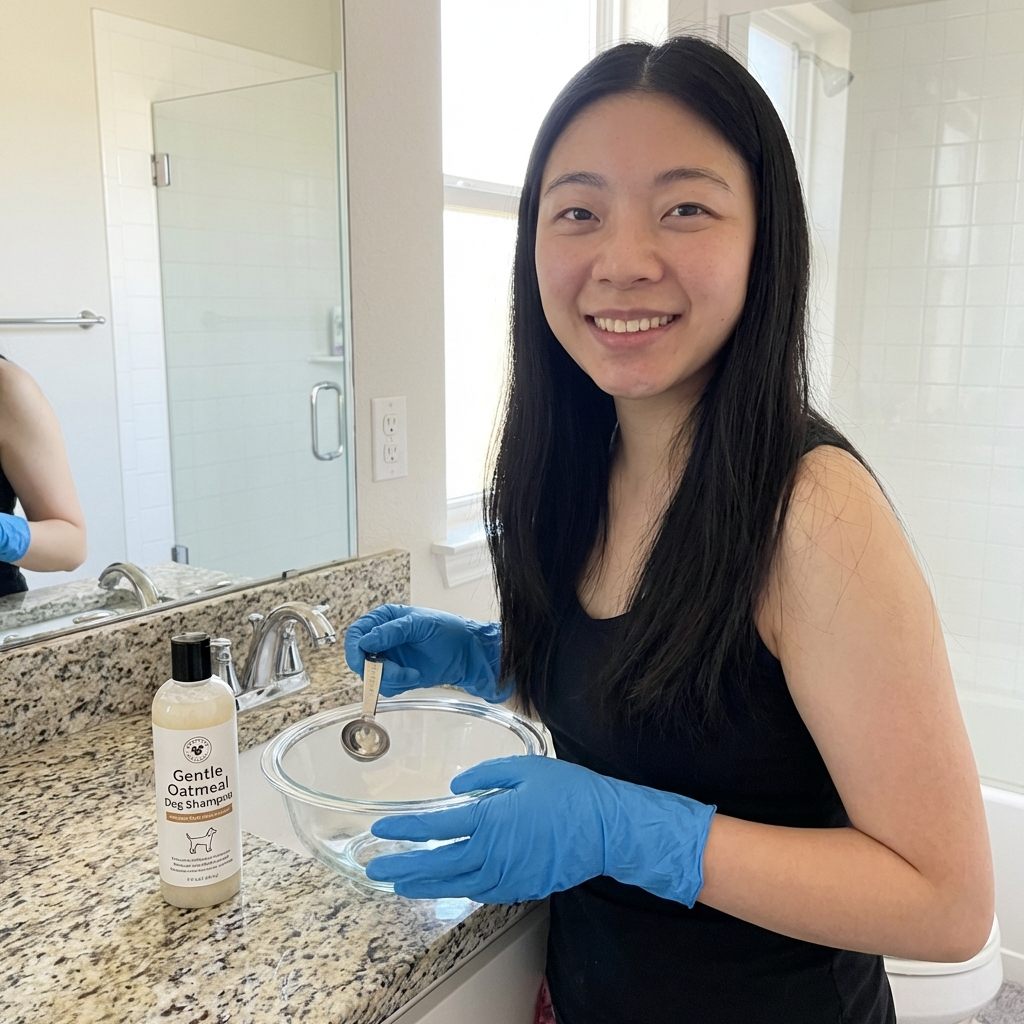
The most widely recommended home solution is a hydrogen peroxide, baking soda, and dish soap mixture (often called the “Krebaum formula”). It works by oxidizing and neutralizing odor-causing sulfur compounds, instead of masking them. You will see versions of this approach referenced by veterinary sources and university extension programs.
DIY skunk remover (mix fresh)
- 1 quart (4 cups) 3% hydrogen peroxide
- 1/4 cup baking soda (sodium bicarbonate)
- 1 to 2 teaspoons grease-cutting dish soap (plain, unscented if possible)
Small dog or spot cleaning
If you have a small dog or the spray is limited to one area, you can mix a half batch to avoid waste:
- 2 cups 3% hydrogen peroxide
- 2 tablespoons baking soda
- 1/2 to 1 teaspoon dish soap
How to use it safely
- Start with a dry coat. If your dog is wet, gently blot with a towel. Do not soak them first.
- Work in a well-ventilated area. Outdoors is ideal. If you must use a bathroom, run the fan and open a window.
- Protect sensitive areas. Avoid eyes, inside ears, and mouth.
- Saturate the smelly areas. Massage into the coat down to the skin, especially neck, chest, and shoulders where spray often lands. For thick or double coats, part the fur with your fingers as you apply so it reaches the skin.
- Let it sit 5 minutes. Do not let it dry on the coat.
- Prevent licking. Supervise closely. If your dog is determined to lick, use an e-collar or a cone during the 5 minute contact time.
- Rinse thoroughly. Then wash once with a gentle pet shampoo and rinse again.
- Repeat if needed. Very strong sprays may require a second round, especially on thick coats.
Important: Do not mix and store this solution in a closed bottle. It can build pressure and burst.
Will hydrogen peroxide bleach fur?
It can lighten some coats slightly, especially if left on too long or used repeatedly. For most dogs, quick use and thorough rinsing minimizes this risk. If you have a show dog or a very dark-coated pup and you are concerned, consider a commercial skunk shampoo made for dogs.
Face and ears
Skunk spray frequently hits the face because dogs investigate with their nose. This is the area where you want to be extra gentle.
For the face
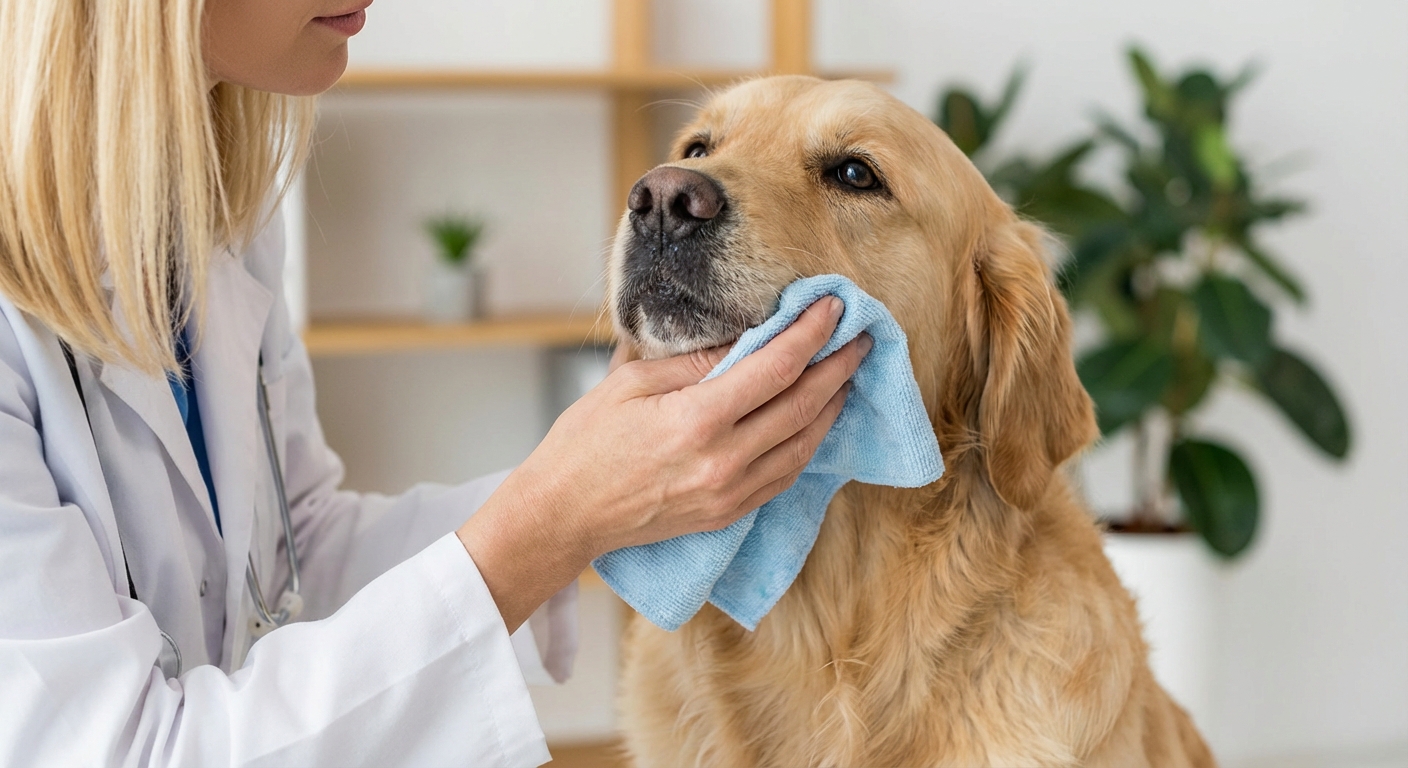
- Safest approach: Use a damp washcloth with a tiny amount of dish soap and warm water to wipe the muzzle and cheeks. This is gentle around the eyes, but it may not fully neutralize the odor on its own.
- If the smell is intense: You can apply a small amount of the peroxide mixture with a sponge or washcloth to the muzzle and cheeks, avoiding the eyes and lips completely. Keep it on briefly, do not let it drip, and rinse well.
- If your dog was sprayed directly in the eyes, prioritize eye flushing and call your vet.
For the ears
If the smell is on the ear flap, you can clean the outer fur with the DIY mix, but do not pour anything into the ear canal. If your dog is shaking their head, scratching, or the ears look red, call your vet about a safe ear cleanser and an exam.
When to call the vet
Most skunk encounters are unpleasant but not dangerous. Still, veterinary care is important if any of the following happen:
- Any eye exposure with ongoing squinting, redness, discharge, or your dog cannot open the eye normally.
- Breathing trouble, severe coughing, or extreme drooling.
- Vomiting repeatedly or acting very lethargic.
- Skin irritation, hives, or intense itching after treatment.
- Direct hit in the mouth and your dog is not settling after rinsing and offering water.
Also call your veterinarian if your dog has underlying conditions (asthma-like airway issues, significant allergies, recent surgery, very young puppies, seniors) and you are unsure how aggressive to be with bathing.
Cleaning your home
Once your dog is handled, the lingering smell usually comes from oils transferred to surfaces.
Soft surfaces
- Wash bedding, towels, and washable blankets separately in hot water with regular detergent.
- For stubborn odor on fabric, an enzymatic pet odor cleaner may help with residual organic smells and oils. Follow label directions and spot test first.
- For some washable, color-safe items, a peroxide-based laundry booster can help. Use caution and test first, since peroxide can discolor fabrics.
Hard surfaces
- Wipe floors, crates, and baseboards with warm water and mild detergent.
- Ventilate the home. Air exchange is surprisingly powerful.
- For sealed, color-safe hard surfaces, a peroxide-based cleaner can help break down lingering odor. Do not mix cleaners, and keep pets away until surfaces are dry.
Collar and leash
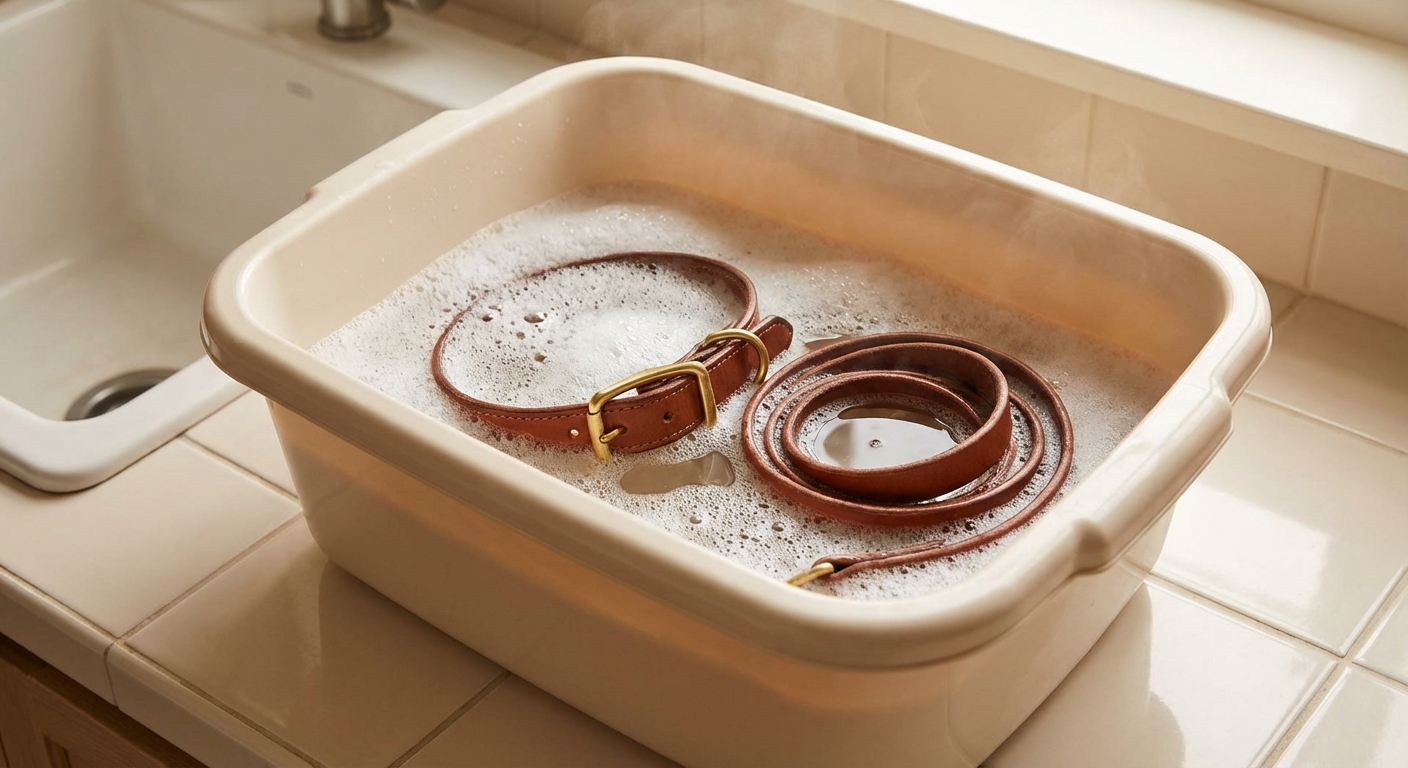
These often hold odor for days. If they are inexpensive, replacing them can be the quickest fix. If not, soak in warm soapy water and wash thoroughly.
Do not forget the tub or shower
Rinse the bathing area well after you are done. Skunk oils can cling to porcelain and grout, and the smell can linger in a closed bathroom. Keep the fan running and crack a window if you can.
Preventing a repeat
Skunks are most active at dawn, dusk, and overnight. Prevention is not about perfection. It is about stacking the odds in your favor.
- Leash walks at night instead of letting your dog roam the yard.
- Motion-sensor lights to discourage wildlife.
- Secure trash and pet food. These attract skunks.
- Block access under decks and sheds where skunks may den.
- Teach “leave it” and practice it with high-value treats.
Gentle reminder
Skunk spray is miserable, but it is also fixable. Start with safety, neutralize the oils before you shampoo, and be kind to yourself and your pup. If you are seeing eye pain, eye exposure, or any breathing concerns, your veterinarian is your best next call.
If you need advice tailored to your dog’s coat type, age, or medical history, your veterinary team can help you choose the safest approach and the right products.