Turn chicken and rice into a more balanced homemade dog meal with veggies, calcium carbonate, and omega-3s. Includes gram weights, portion guidance, swaps, a...
Article
•
Designer Mixes
Caring Food for Dogs With Diarrhea

Shari Shidate
Designer Mixes contributor
As a veterinary assistant here in Frisco, Texas, one of the most common calls we get is, “My dog has diarrhea. What can I feed them right now?” The good news is that many mild cases improve quickly with the right supportive bland diet, smart hydration, and a little patience. By “caring food,” I mean a short-term, low-fat, easy-to-digest plan that helps the gut settle while you watch closely for signs your dog needs a veterinarian.
I will walk you through what to feed, what to avoid, and when home care is not enough. This guidance does not replace an exam. If you are unsure at any point, call your vet.
First, a quick safety check
Diarrhea is a symptom, not a diagnosis. Sometimes it is just a dietary slip, stress, or a mild stomach bug. Other times it is caused by parasites, pancreatitis, toxins, infections, inflammatory bowel disease, or something stuck in the intestines.
Call your vet promptly if you notice any of the following
- Blood (bright red or black, tarry stool)
- Repeated vomiting, inability to keep water down, or severe lethargy
- Signs of dehydration (dry gums, sunken eyes, weakness)
- Abdominal pain, bloating, or repeated straining with little stool
- Puppies, seniors, or dogs with chronic illness (diabetes, kidney disease, Addison’s, cancer)
- Diarrhea lasting more than 24 to 48 hours, or sooner if your dog looks unwell
- Very watery or very frequent diarrhea, large-volume stool, or accidents in the house, especially in tiny dogs and giant breeds
- Known or suspected ingestion of toxins (xylitol, grapes or raisins, chocolate, certain medications, rodenticides)
If your dog is otherwise bright and comfortable, you can often support them at home while you monitor closely. If you are unsure, it is always okay to call your vet for guidance.
What “caring food” means
When a dog has diarrhea, the intestines are moving too quickly and inflammation can reduce normal absorption of water and nutrients. A caring diet aims to:
- Reduce irritation and give the gut a chance to calm down
- Provide easy-to-digest protein to support healing
- Add gentle fiber to help normalize stool
- Maintain hydration and, when needed, electrolytes
Think of it as a short-term reset, not a forever menu. Once your dog is back to normal, you will slowly transition back to their regular balanced diet.
The best foods to feed
1) Bland diet basics
This is the classic approach for uncomplicated diarrhea because it is low-fat, mild, and predictable.
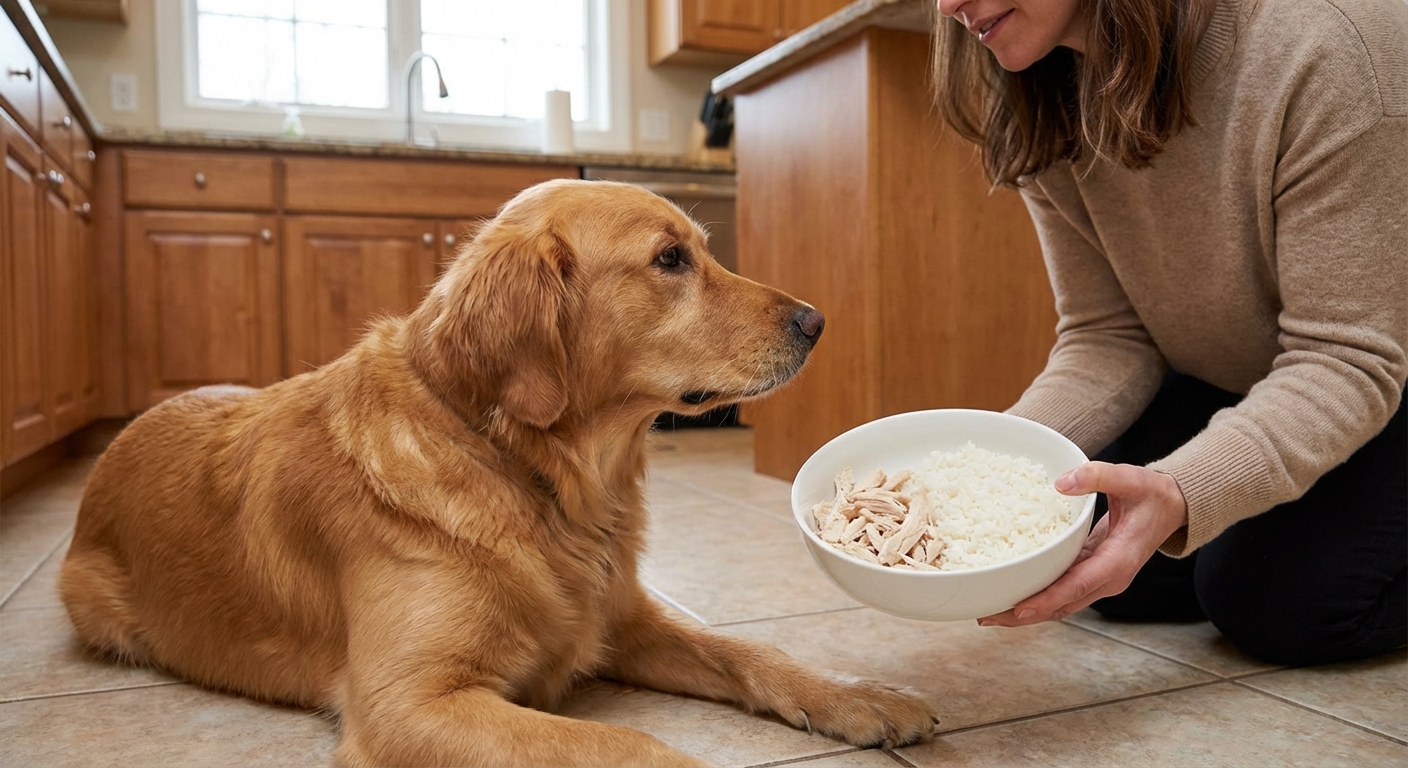
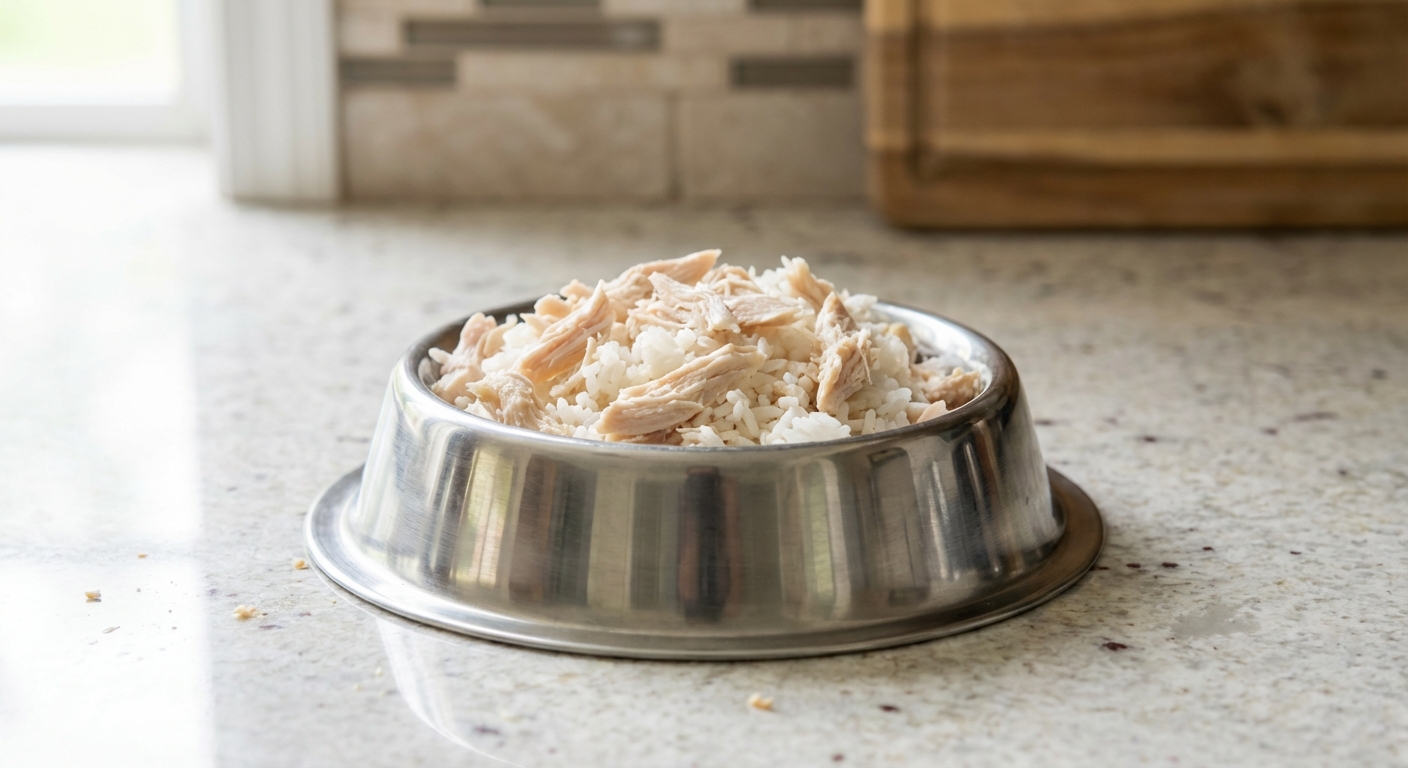
- Protein options: skinless chicken breast, turkey breast, very lean ground beef (well-drained), or white fish like cod
- Carb options: plain white rice is the most common. Plain pasta can work in a pinch if it is well-cooked and unseasoned, but it should be temporary.
How to serve: boil, bake, or steam the protein. No butter, oils, seasoning, onions, garlic powder, or spicy additives. Keep portions small and frequent.
2) Pumpkin for fiber
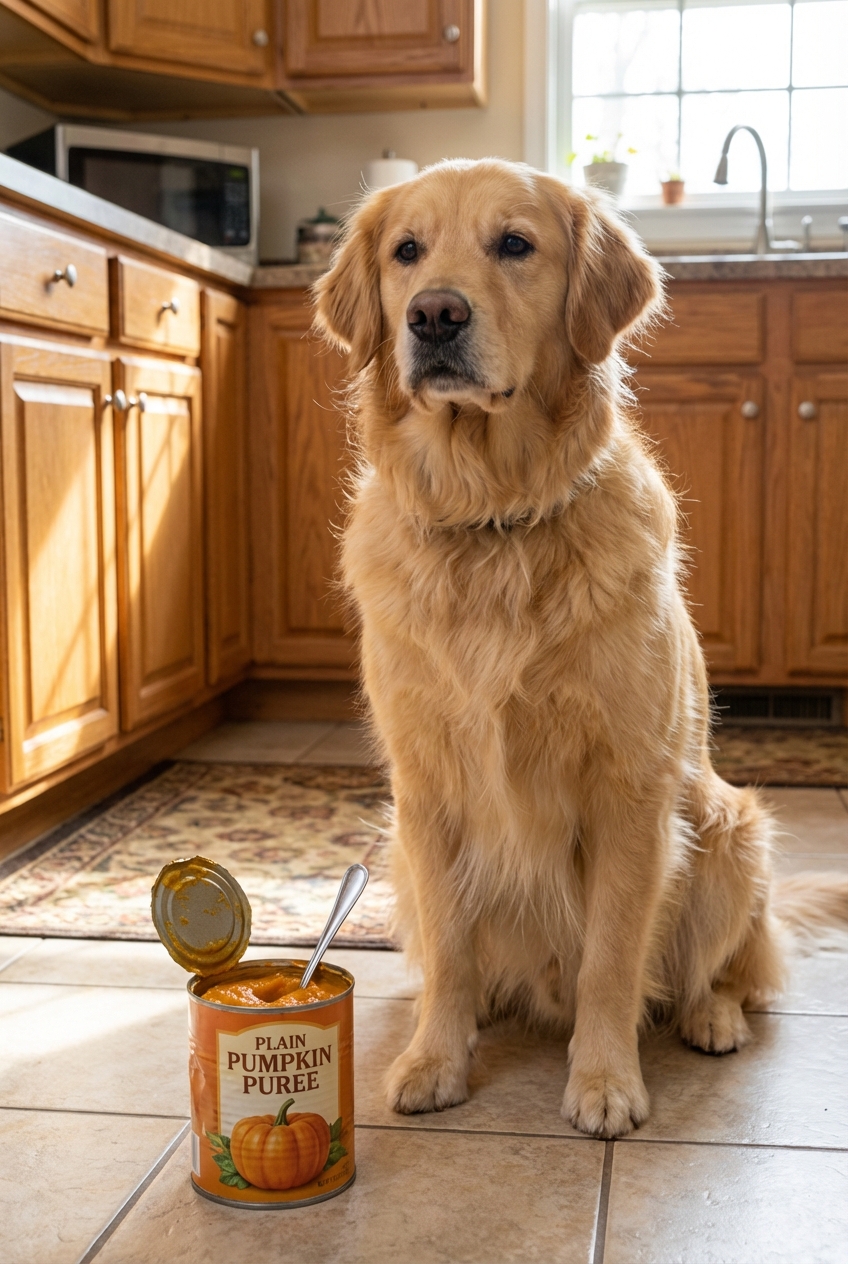
Plain canned pumpkin (not pumpkin pie filling) is often helpful because it contains soluble fiber that can absorb excess water and support more formed stools.
- Typical starting dose: 1 to 2 teaspoons for small dogs
- Typical starting dose: 1 to 2 tablespoons for medium to large dogs
Go slowly. Too much fiber can cause gas or worsen loose stool in some dogs. If you have a very tiny dog or your dog has other medical issues, ask your vet for the best amount.
3) Probiotics (dog-specific)
Veterinary probiotic products can be helpful, especially when diarrhea is stress-related or follows an antibiotic course. Probiotics may help restore a healthier balance of intestinal bacteria. Choose a product made for dogs, and follow the label or your veterinarian’s advice.
4) Hydration and electrolytes
Diarrhea pulls water out of the body. Encourage drinking with fresh water available at all times. If your dog is not drinking well, call your vet.
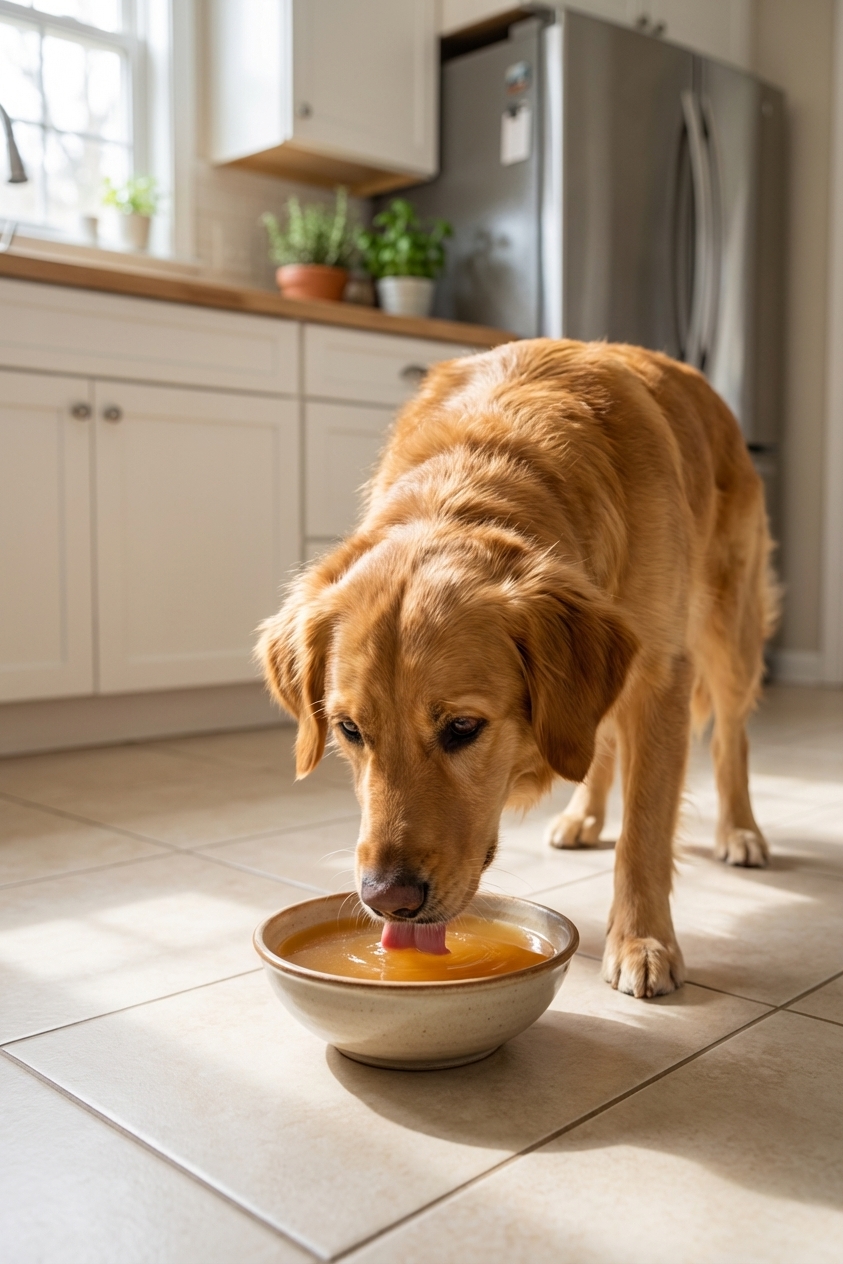
- Unseasoned broth (no onion or garlic) can encourage sipping
- Ice cubes can be a gentle way for some dogs to take in fluids
- Electrolytes: if your vet recommends it, use a vet-approved oral rehydration solution. Avoid sports drinks and avoid any product that could contain xylitol.
How much to feed
Small meals, more often
Large meals can overstimulate the gut. Instead, offer small portions every 4 to 6 hours for the first day or two.
A common starting point is a bland mix around 1 part protein to 2 parts carb (by volume). This is not a permanent balance, just a temporary one to settle the stomach.
If you need a simple target, many dogs do well starting at about 25 to 50% of their usual daily amount on day one (split into several meals), then increasing gradually as stool firms up. If your dog is very small, very large, or has other health concerns, your vet can help you choose a safer starting amount.
How long to stay on bland food
- Many dogs improve within 24 to 48 hours.
- Once stools are normal for 24 hours, begin transitioning back to the regular diet over 3 to 5 days.
Transition example: 75% bland + 25% regular for a day, then 50/50, then 25/75, then back to regular.
Should I fast my dog?
This is a very common question. For most dogs, we do not recommend a long fast at home. A short break from food may be advised in some cases, but it should be guided by your veterinarian. Do not withhold food from puppies, toy breeds, seniors, or dogs with medical conditions without veterinary direction, since they can get weak or dehydrated quickly.
Foods to avoid
Even well-meaning foods can prolong diarrhea if they are too rich, too fatty, or irritating.
- High-fat foods: bacon, sausage, greasy table scraps, fried foods (fat can trigger pancreatitis in some dogs)
- Dairy: many dogs are lactose intolerant when their gut is upset
- Heavy treats and chews: bully sticks, rich training treats, pig ears
- Raw diets during active diarrhea, unless directed by your veterinarian
- Toxic foods: onions, garlic, grapes, raisins, chocolate, macadamia nuts, xylitol
If your dog got diarrhea after a new food or treat, stop that item and mention it to your vet.
OTC meds caution
Many owners consider human over-the-counter medications like loperamide (Imodium) or bismuth subsalicylate (Pepto-Bismol). Please do not give these without veterinary guidance. Some can be unsafe for certain dogs, certain medical conditions, and some herding breeds. Also, they can mask symptoms when your dog actually needs diagnostics.
Special situations
Pancreatitis risk
Ask your veterinarian for a specific low-fat plan. Even “normal” bland diets can be too rich for sensitive dogs if you use dark meat poultry or do not drain ground beef well.
Possible parasites
Diet helps symptoms, but parasites require treatment. Bring a fresh stool sample to your veterinary clinic if diarrhea persists or if your dog is exposed to dog parks, daycare, grooming, or wildlife.
Recurring diarrhea
Recurring diarrhea can point to food sensitivity, chronic inflammation, endocrine disease, or stress colitis. Your vet may recommend a diet trial, fecal testing, blood work, or a prescription gastrointestinal diet.
A simple caring recipe
This is one of my go-to, gentle options for short-term support.
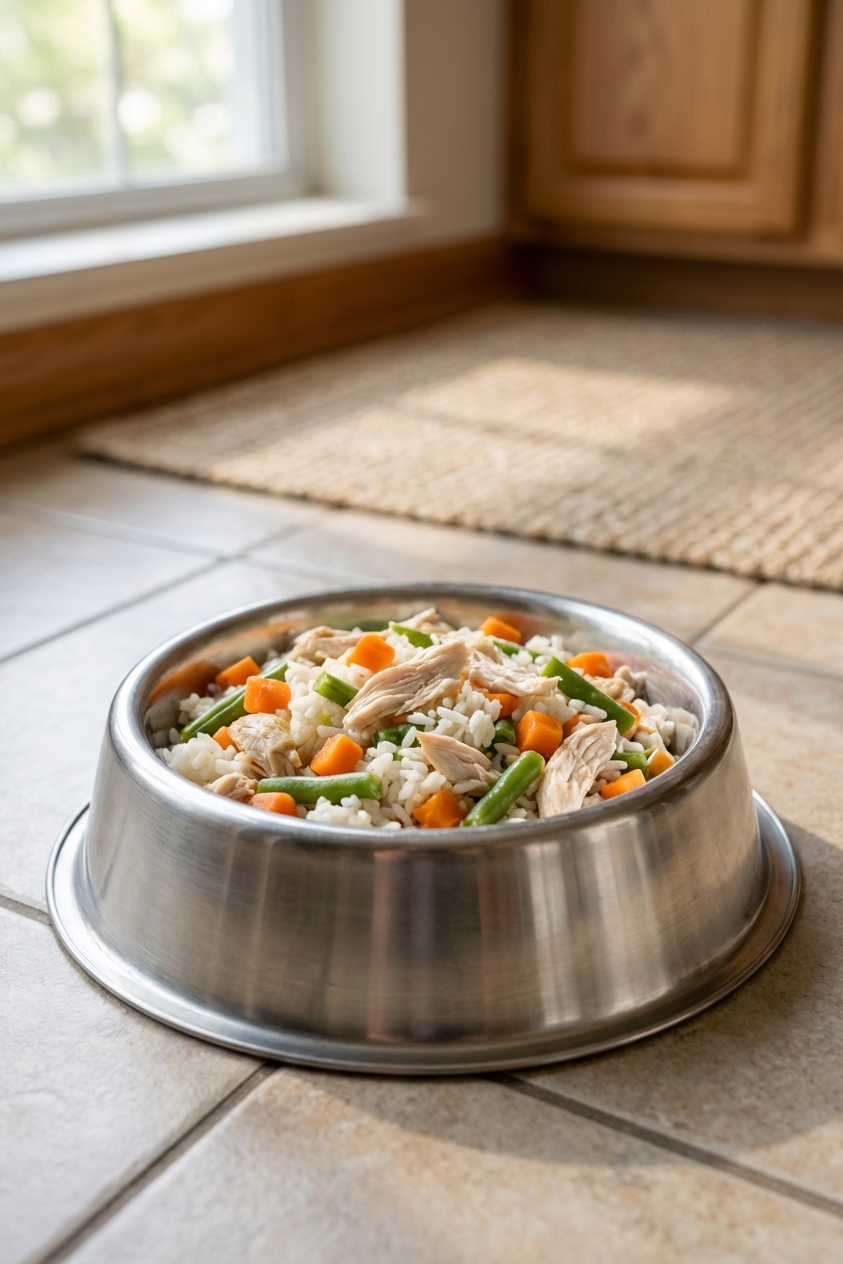
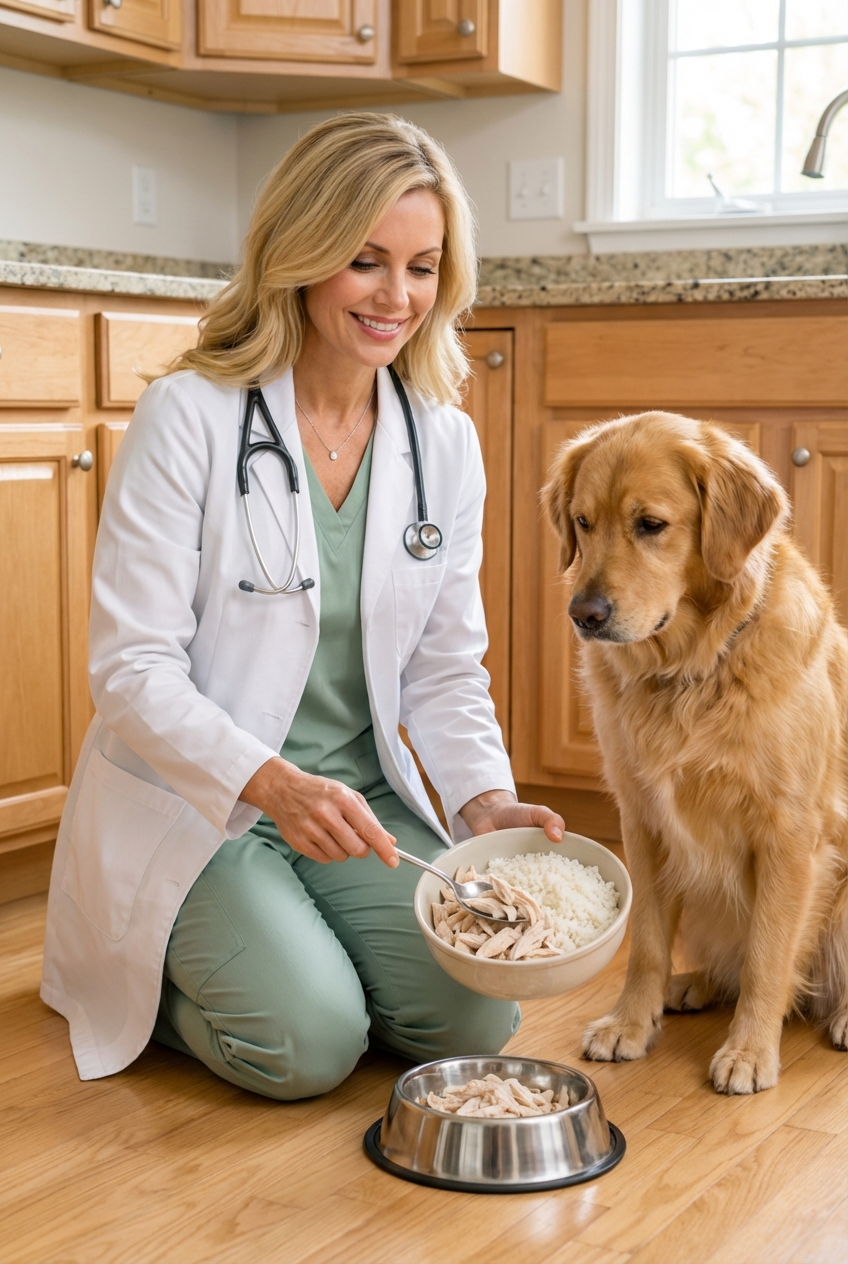
Plain chicken and rice bowl
- Boiled, skinless chicken breast (shredded)
- Plain white rice (well-cooked)
- Optional: a small spoon of plain canned pumpkin
Serve slightly warm or room temperature. Refrigerate leftovers promptly and use within 2 days, or freeze portions.
If your dog is improving, you should see fewer trips outside, less urgency, and stools that slowly become more formed over the next 24 to 48 hours.
When to stop home care
I know it is tempting to “wait one more day,” especially if your dog is eating. Please get help sooner if diarrhea is frequent, very watery, or paired with any vomiting or behavior changes.
- No improvement within 24 to 48 hours
- Stool becomes bloody or black
- Your dog becomes tired, painful, or won’t eat
- Signs of dehydration show up
Your veterinarian can offer targeted support like fecal testing, prescription diets, fluids, anti-nausea medication, deworming, or other treatments based on the cause.