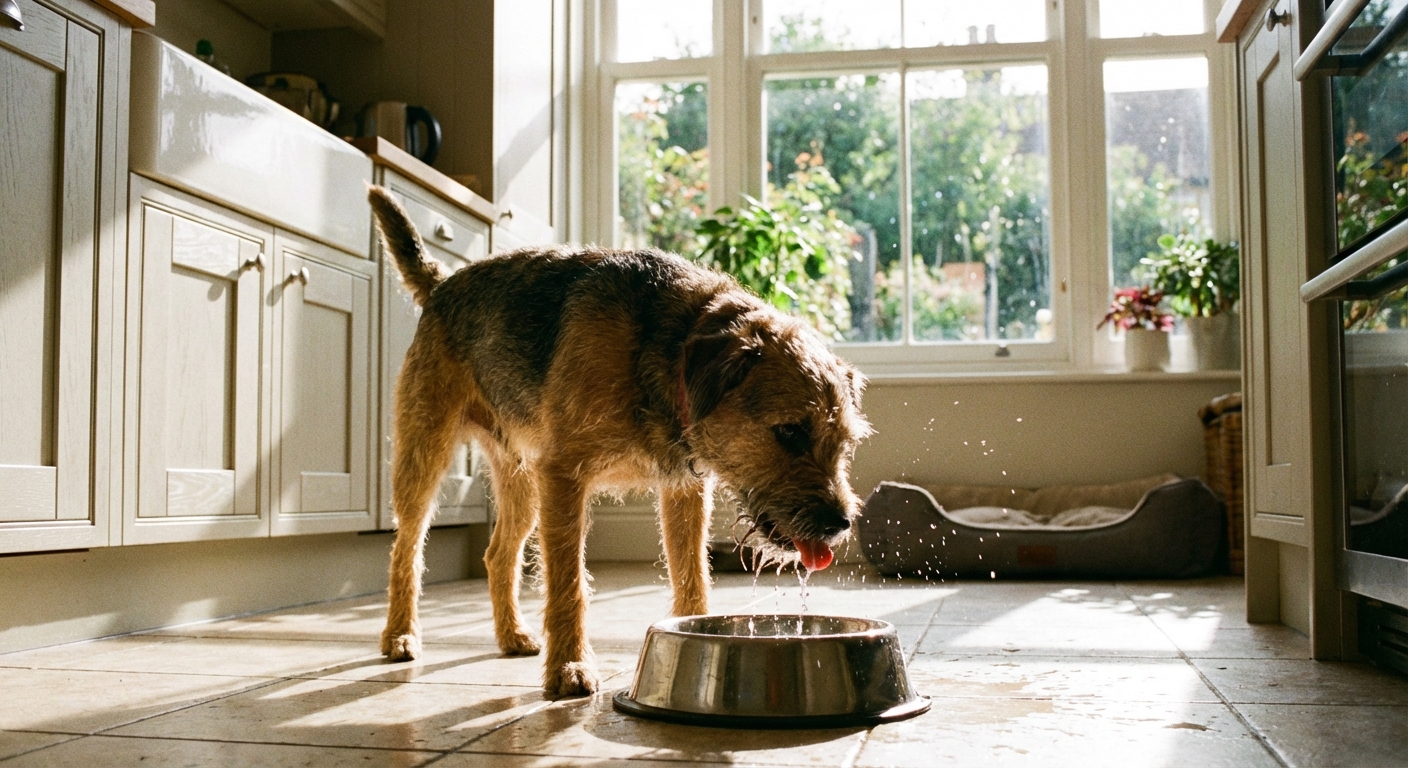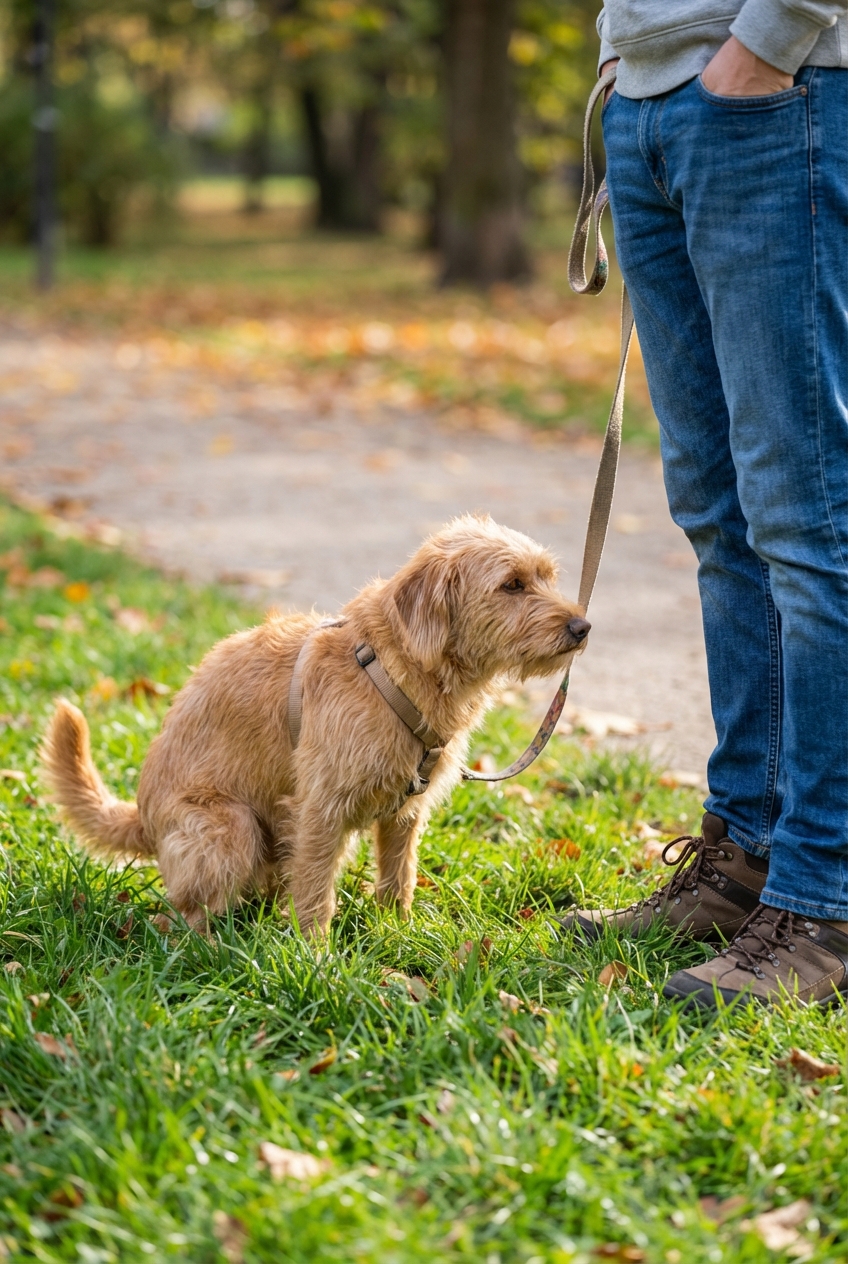
Dog UTI symptoms can mimic stones or other issues. Learn the full treatment plan: urinalysis and culture, correct antibiotics, pain control, hydration, home ...
Article
•
Designer Mixes
Canine UTI Signs, Care, and Training Tips

Shari Shidate
Designer Mixes contributor
As a veterinary assistant here in Frisco, Texas, I see one health issue that can sneak up on even the most attentive pet parents: urinary tract infections (UTIs). The good news is that many UTIs are very treatable when you catch them early. The tricky part is that dogs rarely act “sick” at first. They simply start peeing differently, and many families assume it is a training issue.
This guide will help you spot common, vet-recognized signs that often show up with UTIs, know what to do at home while you contact your vet, and handle the training side with kindness and consistency.
What a UTI is (and what it is not)
A UTI technically means an infection somewhere in the urinary tract (bladder, kidneys, ureters, or urethra). In dogs, most are lower urinary tract infections that affect the bladder. Many occur when bacteria move up the urethra and inflame the bladder, causing cystitis (inflammation of the bladder).
UTIs can happen to any dog, but they are more common in females, senior dogs, and dogs with endocrine disease (like diabetes or Cushing’s). They are also more likely in dogs with bladder stones, certain anatomical factors, or conditions that affect normal urine flow and bladder emptying. Some dogs with chronic skin disease or irritation around the vulva or prepuce may also be at higher risk because bacteria can more easily contaminate the area.
Not every dog with urinary signs has a simple bacterial UTI. Similar symptoms can be caused by:
- Bladder stones or crystals
- Prostate disease (in male dogs)
- Vaginitis (especially in young females)
- Anatomical issues (hooded vulva, recessed vulva)
- Medication side effects
- Kidney infection (more serious)
- Noninfectious cystitis (sterile or inflammatory bladder irritation, which is less common in dogs than bacterial causes)
That is why a veterinary exam and a urine test matter. We want to treat the real cause, not just the symptoms.
Common UTI signs to watch for
UTI symptoms tend to fall into three buckets: changes in urination, visible discomfort, and whole-body changes. Here are the most common signs I see in clinic.
Urination changes
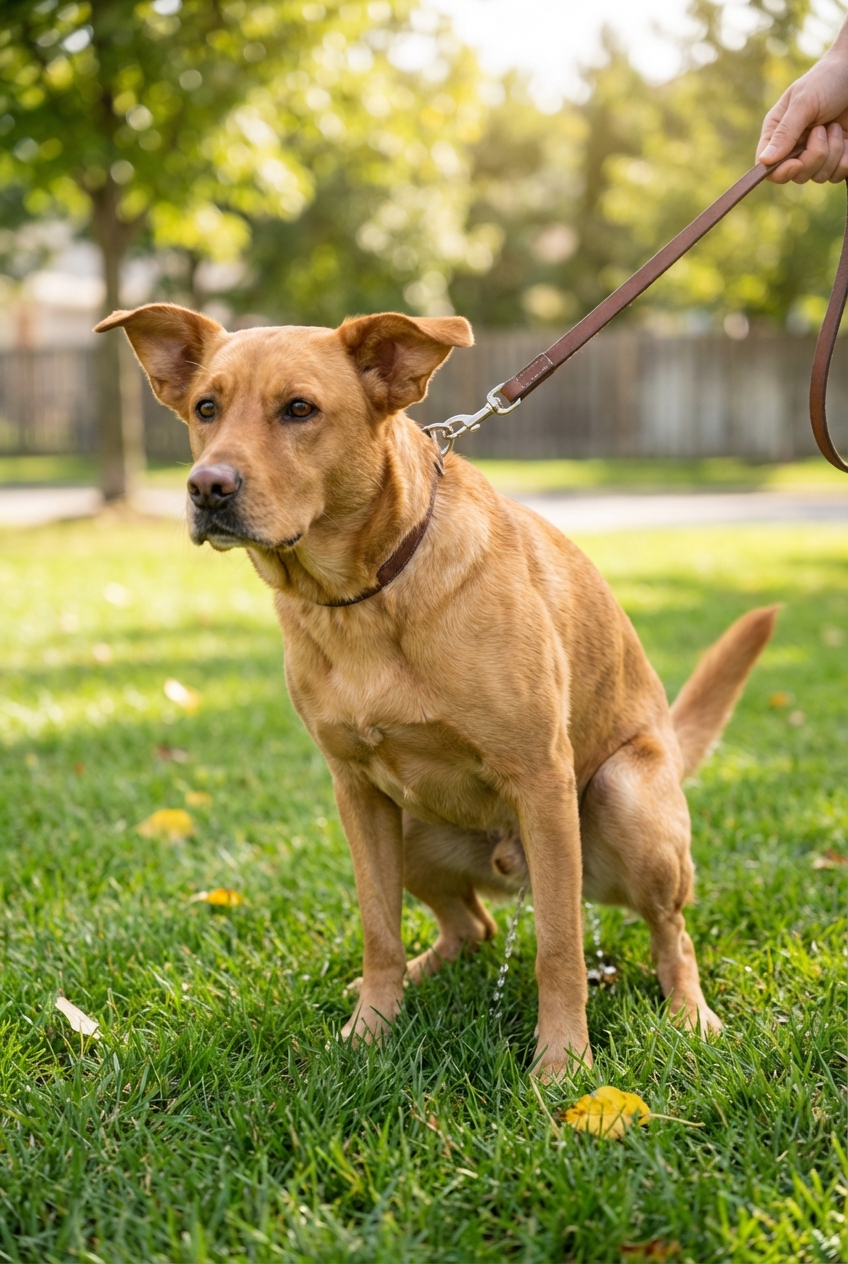
- Frequent trips outside with little urine produced
- Accidents in the house in a previously trained dog
- Straining or taking a long time to start urinating
- Dribbling urine or leaking while resting
- Increased thirst and larger urine volume (can also suggest diabetes or kidney disease)
What you might see in the urine
- Blood-tinged urine (pink or red)
- Cloudy urine or stronger-than-usual odor
- Licking the vulva or penis more than normal
Signs your dog feels unwell
- Restlessness or trouble settling
- Decreased appetite
- Low energy
- Fever (not always obvious at home)
Important: If your dog is straining and producing no urine, that can be an emergency, especially in males. A urinary blockage can become life-threatening quickly. Go to an emergency hospital right away, even after hours.
Also urgent: urinary signs plus repeated vomiting, collapse, or severe lethargy can mean your dog is systemically ill and needs immediate care.
When to call the vet
Contact your vet within 24 hours if you notice:
- Blood in urine
- Straining or repeated squatting
- Accidents plus genital licking
- Foul-smelling urine plus discomfort
In most appointments, your vet will recommend a urinalysis, which is a lab test that checks the urine for things like blood, white cells, crystals, and signs of bacteria. Depending on your dog’s history, they may also recommend a urine culture and sensitivity, which grows any bacteria present and helps pick the most effective antibiotic.
Culture is especially helpful for repeat infections, senior dogs, or dogs who do not improve quickly.
You may also see imaging recommended if UTIs are recurring, if there is blood in urine, or if crystals are present:
- X-rays or ultrasound to check for stones, masses, or anatomical concerns
- Bloodwork to assess kidneys and screen for endocrine disease
Care at home
Home care is supportive, not a replacement for veterinary treatment. If it is a true bacterial UTI, most dogs need prescription medication to fully resolve it.
What you can do right now
- Increase potty breaks so your dog is not holding it. More frequent emptying can reduce pressure and irritation.
- Encourage hydration: offer fresh water, add water to food, or offer vet-approved low-sodium broth.
- Keep the area clean: gently wipe the vulva or prepuce with a damp cloth after accidents to reduce skin irritation.
- Track symptoms: note frequency, straining, any blood, and appetite changes. This helps your vet.
What to avoid
- Do not give human antibiotics or leftover pet antibiotics. Wrong choices and wrong doses can worsen resistance and delay proper care.
- Avoid harsh cleaners on your dog. Use pet-safe wipes or plain water for the skin.
- Do not restrict water to stop accidents. That can worsen dehydration and bladder irritation.
Gentle rule of thumb: your dog is not being “stubborn.” If urination changes suddenly, assume discomfort first and training second.
Training tips for accidents
UTIs commonly create accidents even in well-trained dogs. The goal during treatment is to protect your bond and prevent your dog from feeling anxious about eliminating.
1) Treat it like a temporary medical setback
- Pause any punishment or scolding. It can increase anxiety and make accidents more likely.
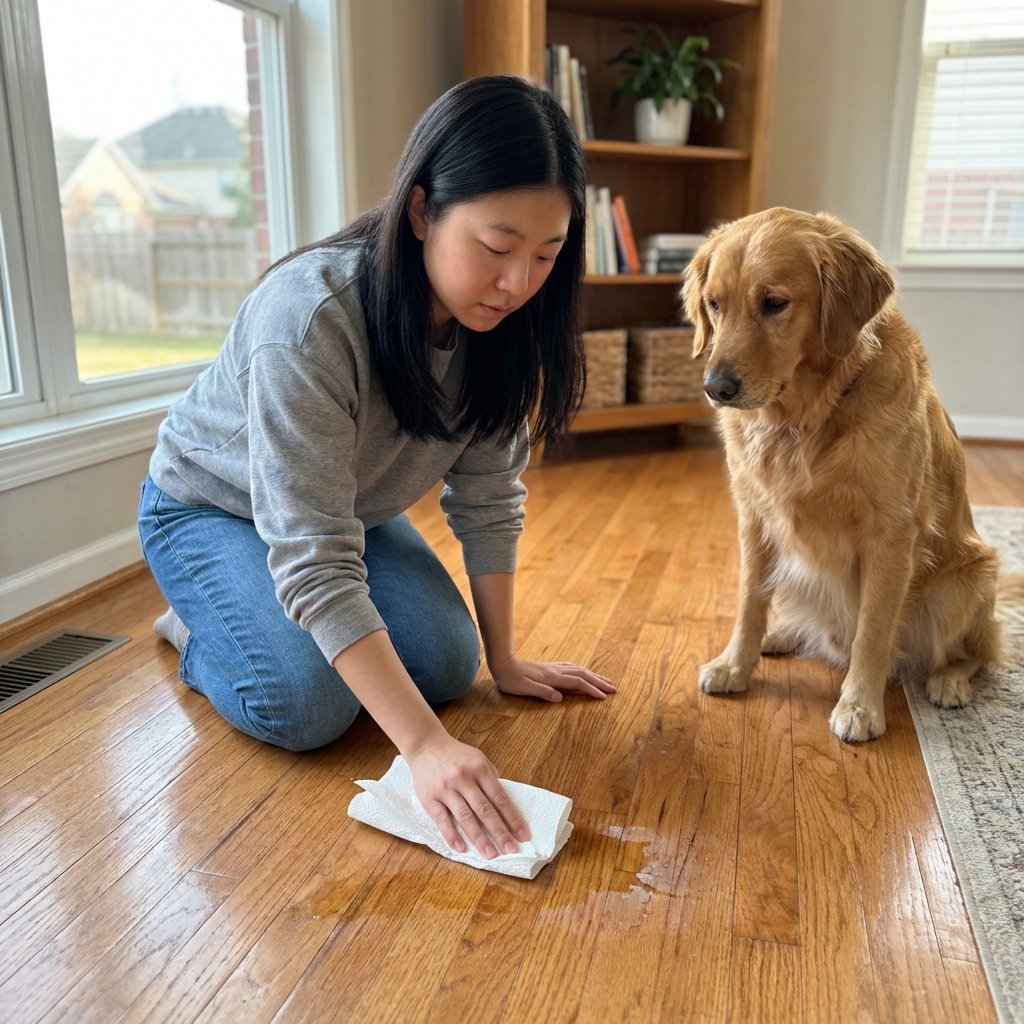
- Use calm, neutral cleanup. No drama, no shame.
2) Tighten the potty schedule
While your dog heals, schedule breaks like you would for a puppy:
- First thing in the morning
- After meals
- After naps
- After play
- Before bedtime
- One extra mid-day break if possible
3) Reward the right behavior
When your dog urinates outside, reward immediately with a treat and praise. This is especially important after painful urination because some dogs start avoiding the act itself.
4) Manage your home
- Use baby gates or keep your dog near you when symptoms are active.
- Consider a waterproof washable blanket on favorite resting spots.
- If needed, use a properly fitted belly band (males) or dog diaper (females) temporarily, and change often to protect skin.
5) Clean accidents the right way
Use an enzymatic cleaner made for pet urine. Regular household cleaners can leave scent behind that tells your dog, “This is a bathroom spot.”
Preventing future UTIs
Some dogs only have one UTI in their whole life. Others are prone to repeat infections. Prevention depends on the “why,” but these strategies are widely helpful.
Hydration and routine
- Make fresh water easy to access in multiple rooms.
- Do not let your dog hold urine for long stretches. Add a midday walk if possible.
Weight and mobility
Overweight dogs may have more difficulty fully emptying the bladder and may have skin folds that trap moisture. Keeping your dog lean supports overall urinary health.
Hygiene for longer coats
- Trim hair around the vulva or prepuce if it stays damp or collects debris.
- After swimming or baths, dry the area thoroughly.
Address underlying causes
If UTIs keep coming back, ask your vet about screening for:
- Diabetes
- Cushing’s disease
- Bladder stones
- Allergies and chronic skin infections
- Vulvar anatomy or perivulvar dermatitis
Supplements
Some vets recommend supplements such as cranberry extracts, D-mannose, or probiotics for recurrent urinary issues. Evidence in dogs is limited and product quality varies, and supplements are not a substitute for antibiotics when bacteria are present. Always ask your veterinarian before adding supplements, especially if your dog has a history of stones, kidney disease, or is on medications.
Urine sample tips
If your clinic requests an at-home urine sample, these basics can help:
- Use a clean, dry container (a washed, well-rinsed food container can work). Avoid containers with soap residue.
- Try for a midstream catch if you can. Let your dog start to pee, then catch a small amount without touching fur or skin.
- Bring it to the clinic as soon as possible. If there is a delay, refrigerate it and deliver it the same day if you can. Ask your clinic what timeframe they consider acceptable.
- If your dog has repeat UTIs or you are doing a culture, your vet may prefer an in-clinic sterile collection (cystocentesis) for the clearest results.
Meds and follow-up
If your vet prescribes antibiotics or pain relief, give them exactly as directed. Even if your dog seems better in a day or two, it is important to finish the full course unless your veterinarian tells you to stop. Stopping early can allow bacteria to come back and can contribute to antibiotic resistance.
For recurring cases, complicated infections, or persistent symptoms, your vet may recommend a recheck urinalysis or a repeat culture after treatment to confirm the infection is truly gone.
Bottom line
When a dog suddenly starts having accidents, straining, or urinating frequently, it is often a medical problem, not a behavior problem. Trust your gut, call your veterinarian, and support your dog with extra potty breaks, hydration, and positive reinforcement. With early treatment and a smart prevention plan, most dogs bounce back quickly and confidently.