Cut through Lyme disease hype with a vet-informed plan: early symptom recognition, smart testing, doxycycline treatment, pain support, kidney monitoring, and...
Article
•
Designer Mixes
Canine Lyme Disease Treatment Advice

Shari Shidate
Designer Mixes contributor
Lyme disease can feel scary because it is tied to tick bites, and the symptoms in dogs can be vague at first. The good news is that most dogs do very well with prompt veterinary care, the right antibiotic plan, and thoughtful follow-through at home. Rarely, Lyme can lead to more serious complications, which is why early action and monitoring matter.
As a veterinary assistant in Frisco, Texas, I have seen how much difference it makes when families act quickly, ask the right questions, and stay consistent with prevention. Below is the essential, evidence-based Lyme disease treatment advice I want every dog parent to have.
What Lyme is and how dogs get it
Canine Lyme disease is caused by a bacterium called Borrelia burgdorferi, transmitted through the bite of infected black-legged ticks (often called deer ticks). In many cases, ticks need to be attached for a significant amount of time to transmit infection, commonly cited as around 24 to 48 hours, but timing can vary. This is why prompt tick removal matters.
Not every dog exposed to Lyme becomes sick. Many dogs will test positive on screening tests but never develop symptoms. When illness does occur, the most common signs involve joints and energy levels.
Lyme risk also varies a lot by region and travel. A dog who visits or moves between areas with higher tick activity may have a different risk profile than a dog who stays local year-round.
Common symptoms to watch for
- Limping that may shift from leg to leg
- Stiffness, soreness, or reluctance to move
- Fever
- Low appetite
- Lethargy
- Swollen lymph nodes
One reason Lyme deserves respect is that a small percentage of dogs can develop a serious kidney complication often referred to as Lyme nephritis. It is rare but serious, not fully predictable, and one of the biggest reasons early veterinary involvement and follow-up urine testing are so important.
Step 1: Get a vet diagnosis
If you suspect Lyme disease because you found a tick, your dog is suddenly limping, or a screening test came back positive, your veterinarian will put the whole picture together. A positive test alone does not always mean active disease, and joint pain alone does not always mean Lyme.
What your vet may recommend
- A physical exam with careful joint and fever assessment
- A Lyme antibody screening test (often part of a 4DX or similar test). This type of test typically indicates exposure and antibody presence, not necessarily active illness.
- Additional labs depending on symptoms, especially a urinalysis and kidney values to check for protein loss or kidney involvement
- Testing for other tick-borne infections, since co-infections can happen (for example, Anaplasma or Ehrlichia)
Action step: If your dog tests positive for Lyme, ask your vet whether a urinalysis and urine protein check (often a urine protein:creatinine ratio) is appropriate for your dog, even if symptoms are mild.
Core treatment: Antibiotics
For dogs with clinical signs consistent with Lyme disease, veterinarians typically prescribe antibiotics. Doxycycline is commonly used because it is effective against Lyme and several other tick-borne infections. Some dogs may be treated with alternatives if doxycycline is not a good fit.
Many protocols use a course of about 28 days, but your veterinarian may adjust the duration based on your dog’s symptoms, test results, and overall health.
Antibiotic tips that matter
- Give the medication exactly as prescribed. Stopping early can allow symptoms to return and may complicate the clinical picture.
- Ask about dosing with food and water. Doxycycline can irritate the esophagus in some dogs. Many clinics recommend giving it with a small meal and following with water, but follow your veterinarian’s instructions.
- Ask about timing with supplements. Some supplements or medications that contain calcium, iron, or magnesium can interfere with doxycycline absorption. Your clinic can tell you if you should separate doses.
- Do not share leftover antibiotics. Wrong drug or wrong dose can delay proper treatment.
- Expect improvement, but do not panic if it is not immediate. Many dogs improve within a few days, but full resolution of soreness may take longer.
It is also important to know that a dog can remain antibody-positive even after successful treatment. In other words, treatment success is based on your dog’s comfort, function, and lab monitoring when indicated, not solely on turning a test negative.
Comfort care: Pain control
Many dogs with Lyme disease feel achy and inflamed. Your veterinarian may prescribe a non-steroidal anti-inflammatory drug (NSAID) for pain control, depending on your dog’s health history and lab work.
Safety reminders
- Never give ibuprofen or naproxen. These are not safe for dogs.
- Do not give acetaminophen unless your veterinarian specifically directs you. It can sometimes be used under strict veterinary dosing, but it is not a DIY medication.
- Avoid mixing NSAIDs and steroids unless your veterinarian has a specific plan. Combining them can increase the risk of gastrointestinal ulceration.
- Call your vet if you see vomiting, diarrhea, black stools, appetite loss, or lethargy after starting a pain medication.
At home, keep activity gentle. Short leash walks and lots of rest are usually better than pushing through, especially during the first week of treatment.
Kidney risk: Do not skip this
Most Lyme cases are about joint pain and fever. But kidney involvement is the reason Lyme can be more than an ache. Dogs with Lyme-associated kidney issues may develop protein loss in the urine and progressive kidney dysfunction.
Monitoring often includes a urinalysis and, when appropriate, a urine protein:creatinine ratio plus a kidney blood panel. Your veterinarian may recommend checking now and then repeating testing later, often in a few weeks to months depending on your dog’s situation.
Signs to call the same day
- Vomiting or persistent nausea
- Loss of appetite
- Increased thirst or urination
- Swollen limbs or fluid buildup
- Sudden severe lethargy
If your veterinarian identifies protein in the urine or kidney changes, the plan may expand beyond antibiotics to include kidney-supportive medications and diet changes. This is highly individualized, so it is one area where partnering closely with your clinic is essential.
Food and hydration support
Food is not a substitute for antibiotics, but good nutrition supports immune function, gut health, and recovery. If your dog is on doxycycline or has an upset stomach from illness, you may need a temporarily simpler menu.
Practical at-home support
- Prioritize hydration. Fresh water available at all times. Ask your vet when a low-sodium broth is appropriate.
- Use easy-to-digest meals for a few days if your dog’s appetite is off, such as a veterinarian-approved bland diet plan.
- Ask about probiotics. Antibiotics can disrupt the gut microbiome. Your vet can recommend a canine-specific probiotic and timing.
- Keep treats simple. Avoid rich, fatty extras while your dog is on medications.
If your dog has any evidence of kidney involvement, do not DIY diet changes. This is the time to use targeted veterinary guidance because protein and phosphorus adjustments can matter.
Prevention is part of treatment
Once a dog has Lyme disease, it is easy to think, well, the damage is done. But prevention still matters because ticks can transmit other infections, and dogs can be re-exposed. Tick prevention is not just a summer issue in many regions.
What strong prevention looks like
- Use a veterinarian-recommended tick preventive consistently. Options include oral, topical, and collar products.
- Do daily tick checks during tick season, especially after walks in tall grass, brush, or wooded areas.
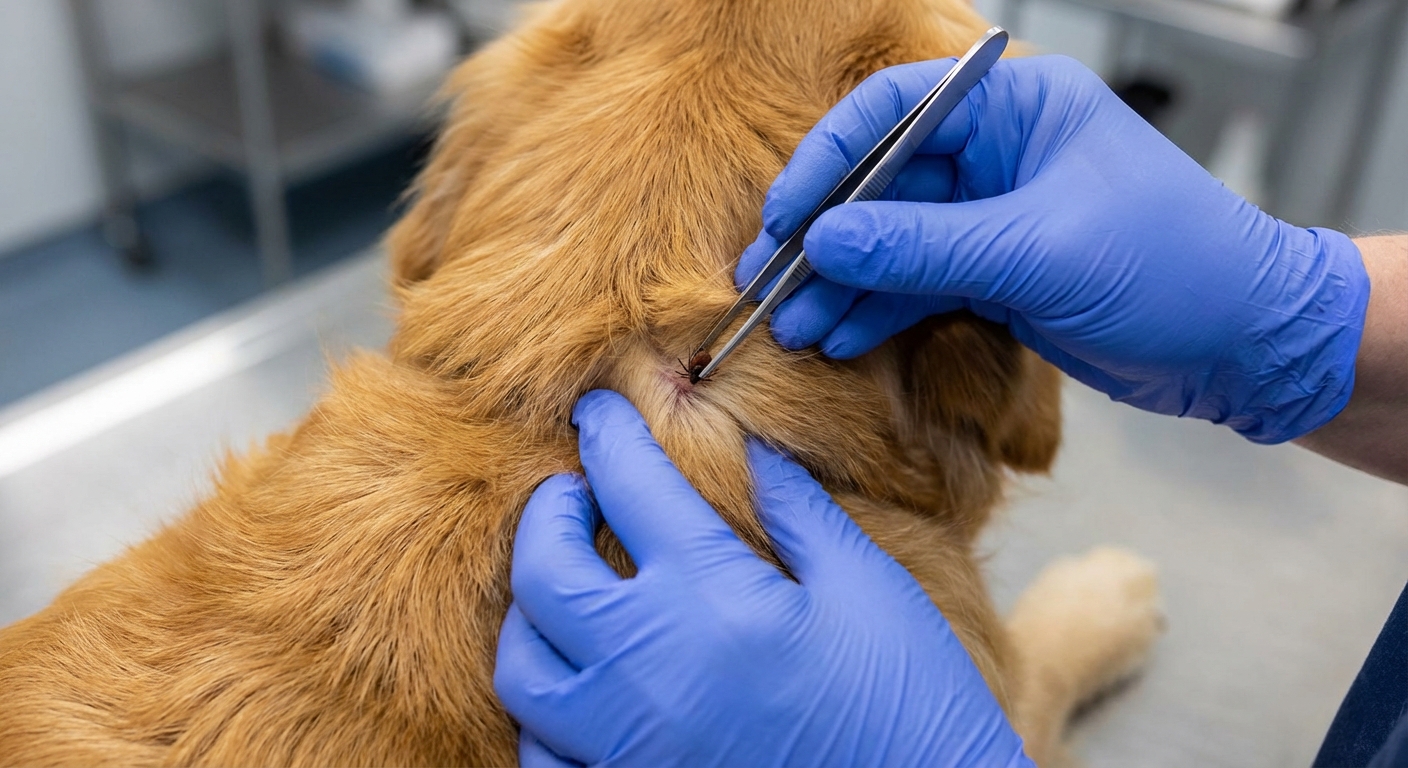
- Remove ticks promptly using fine-tipped tweezers or a tick tool, gripping close to the skin and pulling straight out.
- Talk to your vet about Lyme vaccination if you live in or travel to a higher-risk area. It is not right for every dog, but it can be helpful for some.
Recovery and prognosis
With treatment, many dogs start feeling noticeably better within a few days, especially with fever and joint pain. That said, energy and mobility can take longer to fully normalize, and some dogs need a slower return to regular exercise.
Your veterinarian can help you set expectations based on whether your dog had mild symptoms, significant joint pain, or any kidney-related findings.
Follow-up: What to ask
Good Lyme care is not only about the first prescription. It is about follow-through, especially if your dog tested positive without obvious symptoms or if there is any kidney concern.
Helpful questions for your next visit
- Based on my dog’s test and symptoms, do you believe this is active Lyme disease or exposure only?
- Do you recommend a urinalysis or urine protein test now, and when should we repeat it?
- Should we run a kidney panel now or at recheck?
- What side effects should I watch for with this antibiotic and pain medication?
- When can my dog return to normal activity?
- Should we adjust tick prevention or consider Lyme vaccination?
If your dog’s limping or fever returns after finishing antibiotics, do not restart medication on your own. Call your veterinarian so they can reassess and rule out co-infections, orthopedic issues, or other causes.
When to seek urgent care
Trust your instincts. If your dog looks significantly worse, it is always okay to call and ask what to do next.
Go to urgent care or emergency if you notice
- Repeated vomiting, especially with lethargy or dehydration
- Collapse, severe weakness, or trouble breathing
- Refusal to eat for more than 24 hours, especially with other symptoms
- Signs of severe pain or inability to walk
- Very pale gums or evidence of bleeding
Lyme disease is treatable, and most dogs recover beautifully. Prompt veterinary care plus steady prevention is the combination that protects your dog’s comfort today and their long-term health tomorrow.