Is your spayed female dog leaking urine while sleeping? Learn the common cause (USMI), risk factors, how vets diagnose it, and treatment options like Proin a...
Article
•
Designer Mixes
Canine Incontinence in Older Dogs

Shari Shidate
Designer Mixes contributor
When a senior dog starts having accidents, it can feel confusing and even a little heartbreaking. I have seen many families assume their dog is being “stubborn” or “forgetful,” when the truth is usually simpler: aging bodies change, and some of those changes affect bladder control.
The good news is that older-dog incontinence is often manageable once you know what type you are dealing with. This guide will help you understand what’s normal aging, what’s a medical red flag, and what behavior and home changes can make life easier for you and your sweet senior.
Incontinence vs. housetraining problems
First, let’s separate two issues that look similar but need different solutions.
Incontinence
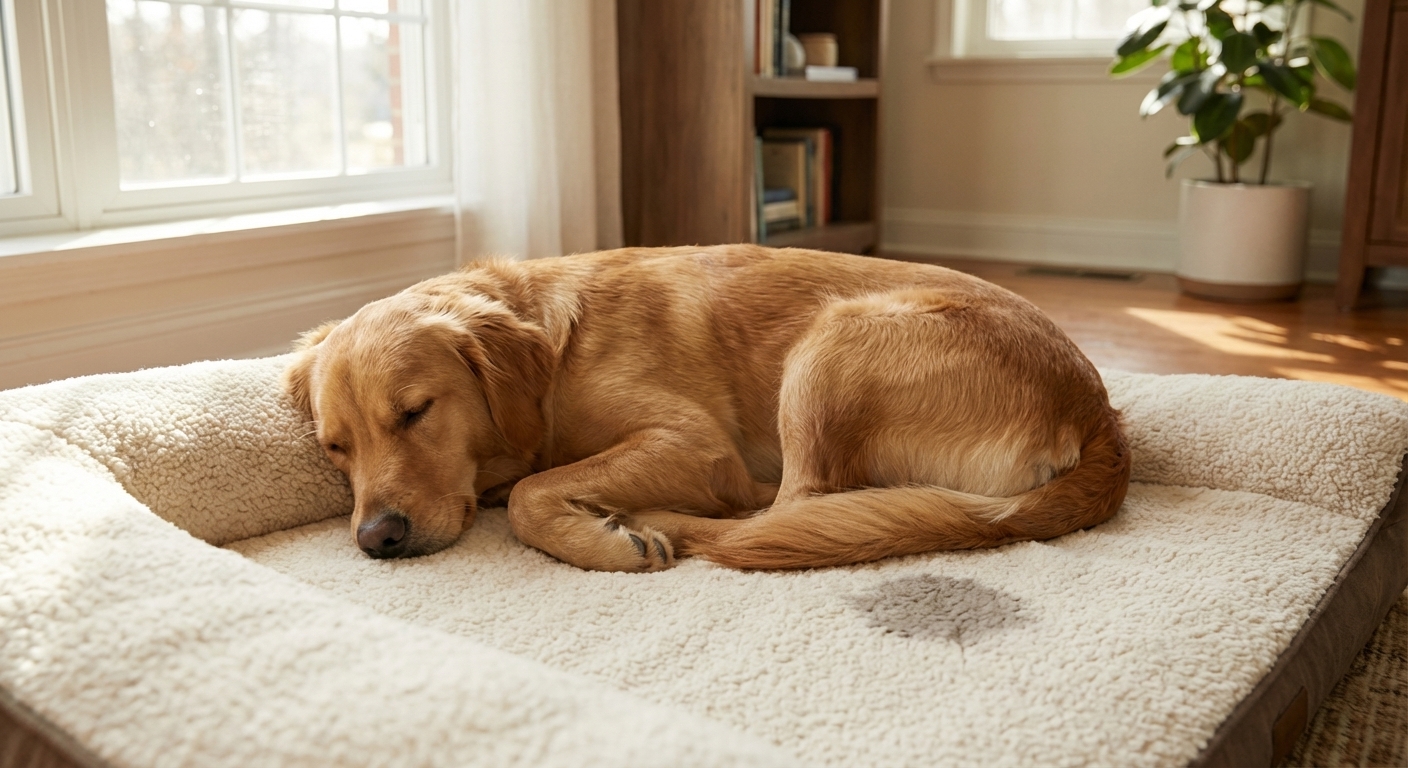
Incontinence means urine leaks without your dog intending to pee. You might notice damp fur, wet bedding, or drips when your dog stands up. Many dogs seem surprised when it happens.
Behavioral or routine-related accidents
These are intentional urination events that happen in the wrong place. Common causes include stress, changes in schedule, insufficient potty breaks, cognitive changes, or mobility issues that make it hard to reach the door in time.
If you are unsure which category you’re seeing, your vet can help you sort it out quickly with history, an exam, and basic lab work.
Common causes of incontinence in senior dogs
In older dogs, leaking urine is usually a symptom, not a diagnosis. These are some of the most common underlying causes veterinarians look for.
- Urethral sphincter mechanism incompetence (USMI): Often called “spay incontinence,” this is common in spayed female dogs and causes leakage, especially during sleep or rest.
- Urinary tract infection (UTI): Can cause urgency, frequent small pees, straining, or accidents. Senior dogs are more prone, and UTIs can recur if there is another issue underneath.
- Bladder stones or crystals: May cause blood in urine, straining, or frequent attempts to pee.
- Kidney disease: Often causes increased thirst and increased urine volume, which can overwhelm bladder control.
- Diabetes mellitus: Another common cause of increased thirst and larger urine output in older dogs.
- Cushing’s disease (hyperadrenocorticism): Can increase thirst and urination and may also contribute to infections.
- Arthritis or mobility limitations: Your dog may know they need to go, but cannot get up quickly or cannot manage stairs.
- Canine cognitive dysfunction: Similar to dementia-like changes. Dogs may seem disoriented, forget routines, or wake at night and wander, leading to accidents.
- Neurologic issues: Problems in the spine or nerves can affect bladder control. This can be urgent, especially if paired with weakness or wobbliness.
When to call the vet right away
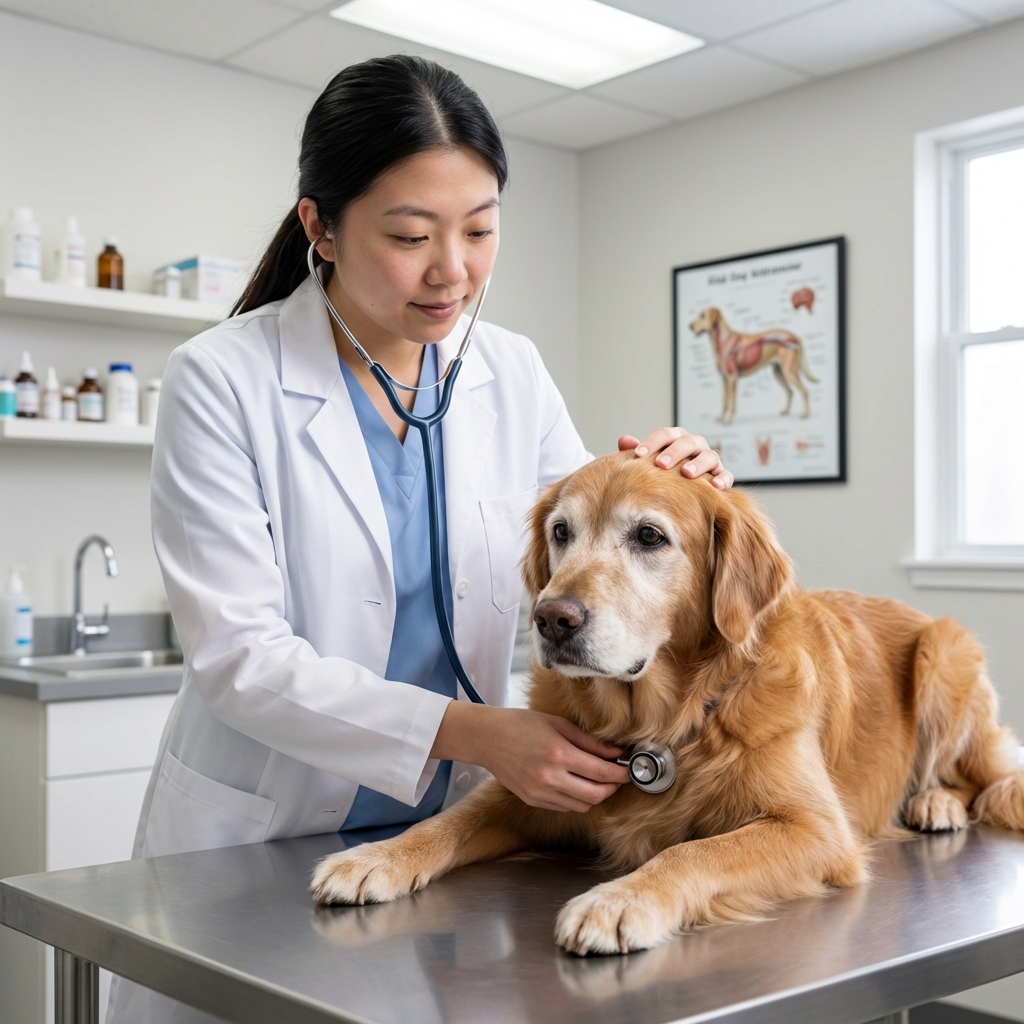
Some symptoms should never be handled at home first. Contact your veterinarian promptly if you notice any of the following:
- Straining to urinate or producing only drops
- Crying, panting, or signs of pain when trying to pee
- Blood in urine
- Vomiting, severe lethargy, or refusal to eat
- Sudden back leg weakness, wobbliness, or a hunched posture
- A very distended or firm abdomen
- Strong urine odor, fever, or sudden behavior change
A blocked urinary tract is an emergency. While it is more common in male cats, male dogs can also become obstructed.
What your vet may recommend (and why)
A compassionate, thorough workup often saves time and money because it targets the real cause.
Typical diagnostic steps
- History and pattern: leaking during sleep, frequent urges, large urine volume, new nighttime accidents
- Physical exam: including mobility, abdominal palpation, and sometimes a rectal exam
- Urinalysis: checks concentration, signs of infection, crystals, and glucose
- Urine culture: important for confirming UTIs and choosing the right antibiotic, especially in seniors
- Bloodwork: evaluates kidney values, blood sugar, and overall organ health
- Imaging: X-rays or ultrasound to check for stones, masses, or anatomic changes
Common treatments
- Medications for USMI: Your veterinarian may prescribe meds that improve urethral tone. These can be very effective for sleep leakage.
- Antibiotics: For confirmed infections, ideally based on culture results.
- Diet changes: For stones, kidney disease, or diabetes, nutrition can be a cornerstone of management.
- Pain control and mobility support: Arthritis treatment can reduce accidents by helping your dog get up and out on time.
- Behavioral and environmental plans: Especially helpful for cognitive changes.
Please do not give leftover antibiotics or human bladder products. Dogs need diagnosis-guided care, and some medications are dangerous or simply ineffective for canine urinary issues.
Behavior strategies that actually help
Once medical causes are being treated or ruled out, behavior and routine changes can reduce accidents quickly. Think of this as taking pressure off your dog’s body and brain.
1) Reset the potty schedule
- Increase potty breaks to every 3 to 4 hours while you are troubleshooting.
- Add a late-night potty trip and an early morning trip.
- For dogs who leak at rest, offer a potty break right before naps.
2) Use a simple cue and reward
Even senior dogs love clarity. Use a consistent cue like “Go potty,” then reward with a small treat as soon as they finish outside. This is not bribery. It is training the habit loop.
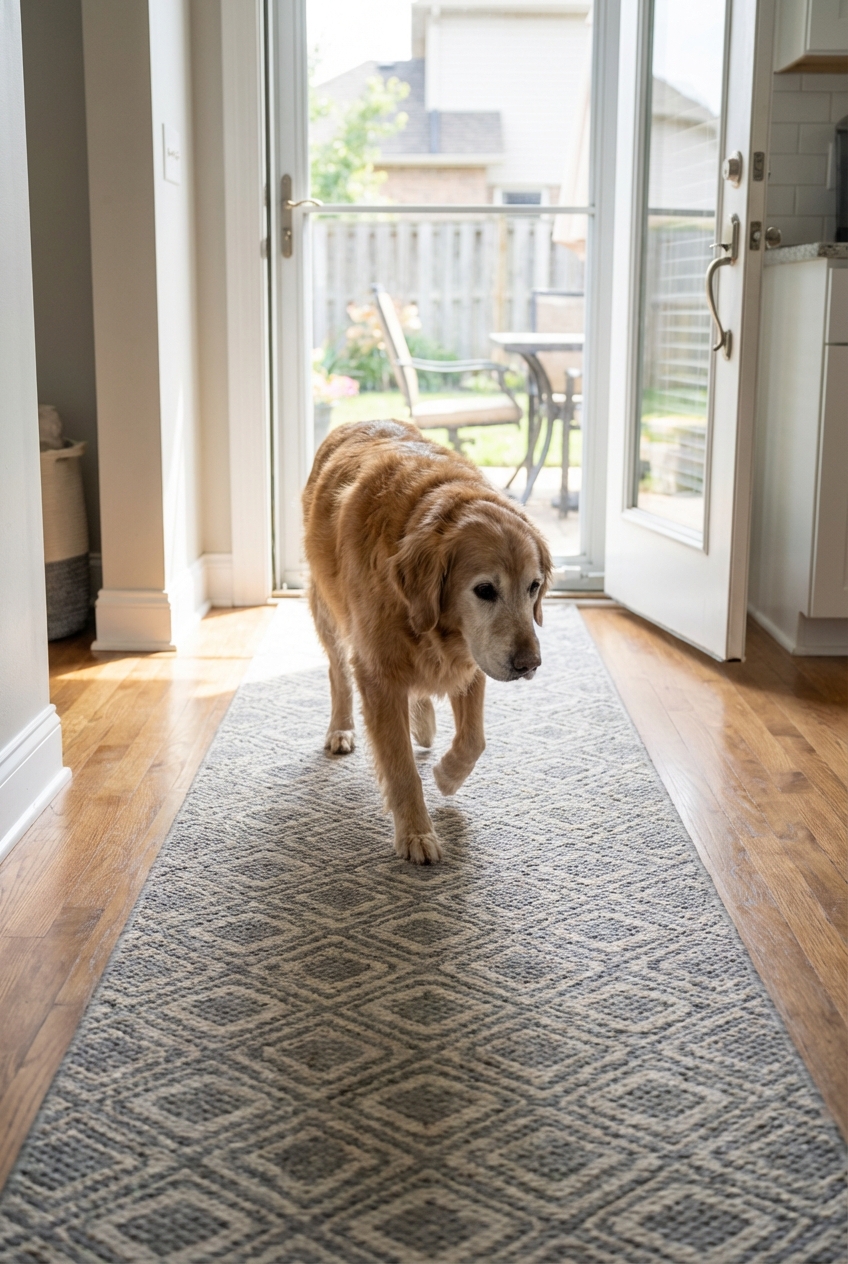
3) Make the path to the door easier
- Add non-slip rugs or runners.
- Use a ramp for stairs or high steps.
- Consider a harness with a handle for support.
4) Create a safe indoor potty option if needed
For some older dogs, especially those with arthritis or cognitive changes, an indoor option prevents anxiety and reduces mess.
- Try a dog litter box, pee pads, or a grass-style potty tray in a consistent location.
- Keep it away from food and sleeping areas.
- Reward your dog for using it, just like you would outdoors.
5) Avoid punishment
If a dog is leaking or confused, punishment increases stress and can make accidents worse. Instead, clean thoroughly and adjust the plan. Senior dogs do best with calm, predictable support.
Home setup for comfort and cleanliness
You can protect your home without making your dog feel “banished.” These tools help many families keep normal routines.
Helpful supplies
- Washable waterproof bedding: Look for beds with removable waterproof liners.
- Waterproof throw blankets: Great for couches and car rides.
- Enzyme cleaner: Standard cleaners leave behind scent markers. Enzymes break down urine proteins.
- Dog diapers or belly bands: Useful for short periods, car trips, or overnight for some dogs. Change frequently to prevent skin irritation.
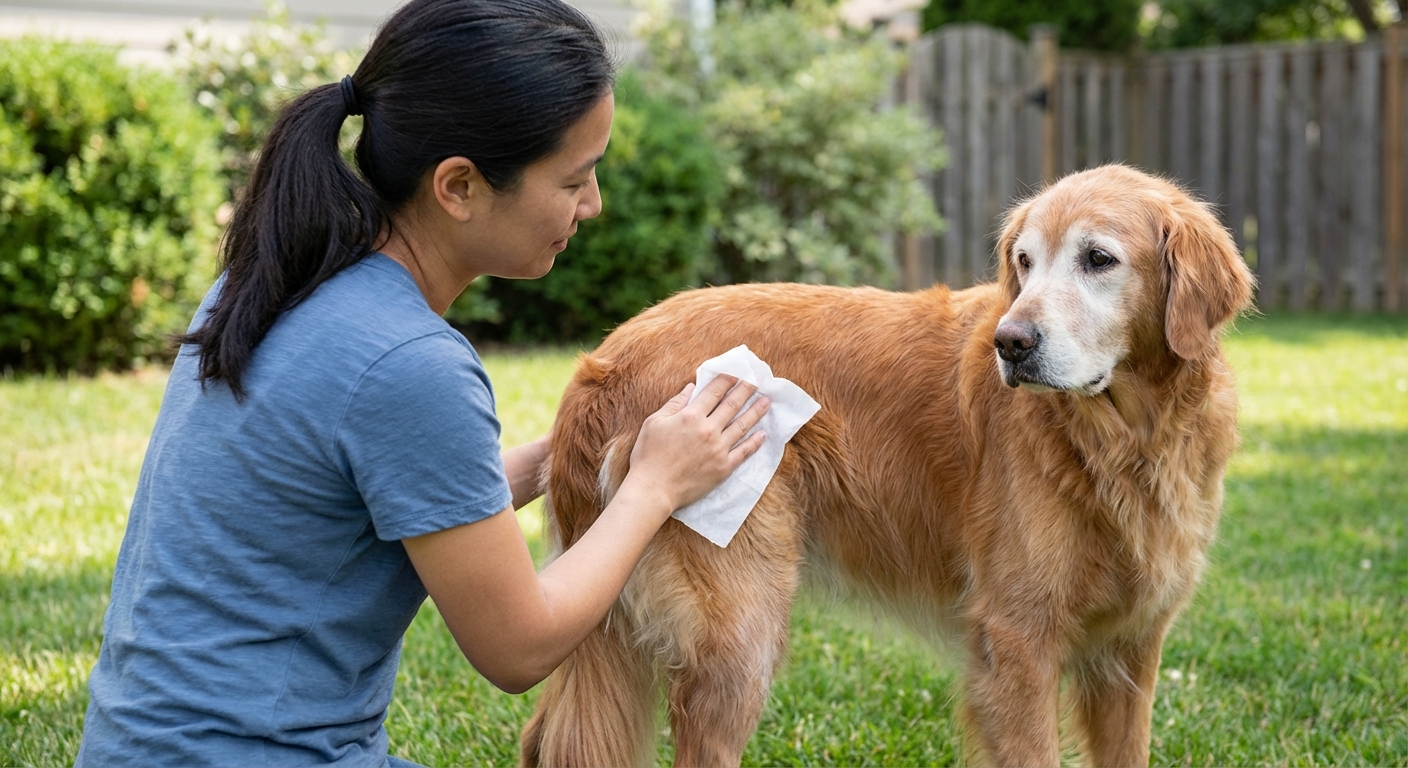
- Unscented baby wipes or pet wipes: For gentle cleanup of urine on fur.
Skin care matters
Urine scald is real, especially with frequent leaking. Keep the area clean and dry, and ask your vet about barrier creams that are dog-safe. Do not use zinc oxide creams unless your vet approves, since ingestion can be toxic.
Nutrition and hydration: what to do and what not to do
It’s tempting to restrict water when accidents start, but that can backfire. Concentrated urine can irritate the bladder and raise UTI risk.
- Keep fresh water available. If your dog is drinking dramatically more than usual, that is a diagnostic clue. Tell your vet.
- Support a healthy weight. Extra pounds increase pressure on joints and can worsen mobility-related accidents.
- Ask about diet if stones, kidney disease, or diabetes are suspected. In those cases, food is part of treatment.
If you feed homemade food, work with your veterinarian or a veterinary nutritionist to keep meals balanced for a senior dog’s needs. Older dogs may have different protein, phosphorus, and calorie requirements depending on health conditions.
Cognitive changes: gentle support for “senior moments”
If your dog seems awake at night, stares at walls, gets stuck in corners, or forgets the usual potty routine, cognitive dysfunction may be contributing. Talk to your vet. There are medications, supplements, and structured routines that can help.
At-home routine tips
- Keep furniture placement consistent.
- Use nightlights for easy navigation.
- Stick to the same feeding and potty schedule daily.
- Add short, low-impact enrichment like sniff walks and food puzzles that are easy to solve.
A simple tracking plan you can start today
One of the most evidence-based things you can do at home is track patterns. It helps your vet and it helps you see progress.
For 7 days, write down:
- Times your dog drinks and approximate amount
- Potty break times and whether urination was normal
- Accident time, location, and what your dog was doing right before it happened
- Any straining, blood, strong odor, or licking
- Medications, treats, and any new foods
Bring this log to your appointment. It often speeds up diagnosis.
Closing encouragement
If you are dealing with senior incontinence, please know this: you are not failing your dog, and your dog is not “being bad.” With a medical check, a little routine support, and a home setup that meets your dog where they are, most families find a rhythm again.
Your older dog has given you years of loyalty. This season is about comfort, dignity, and small changes that add up to big relief.