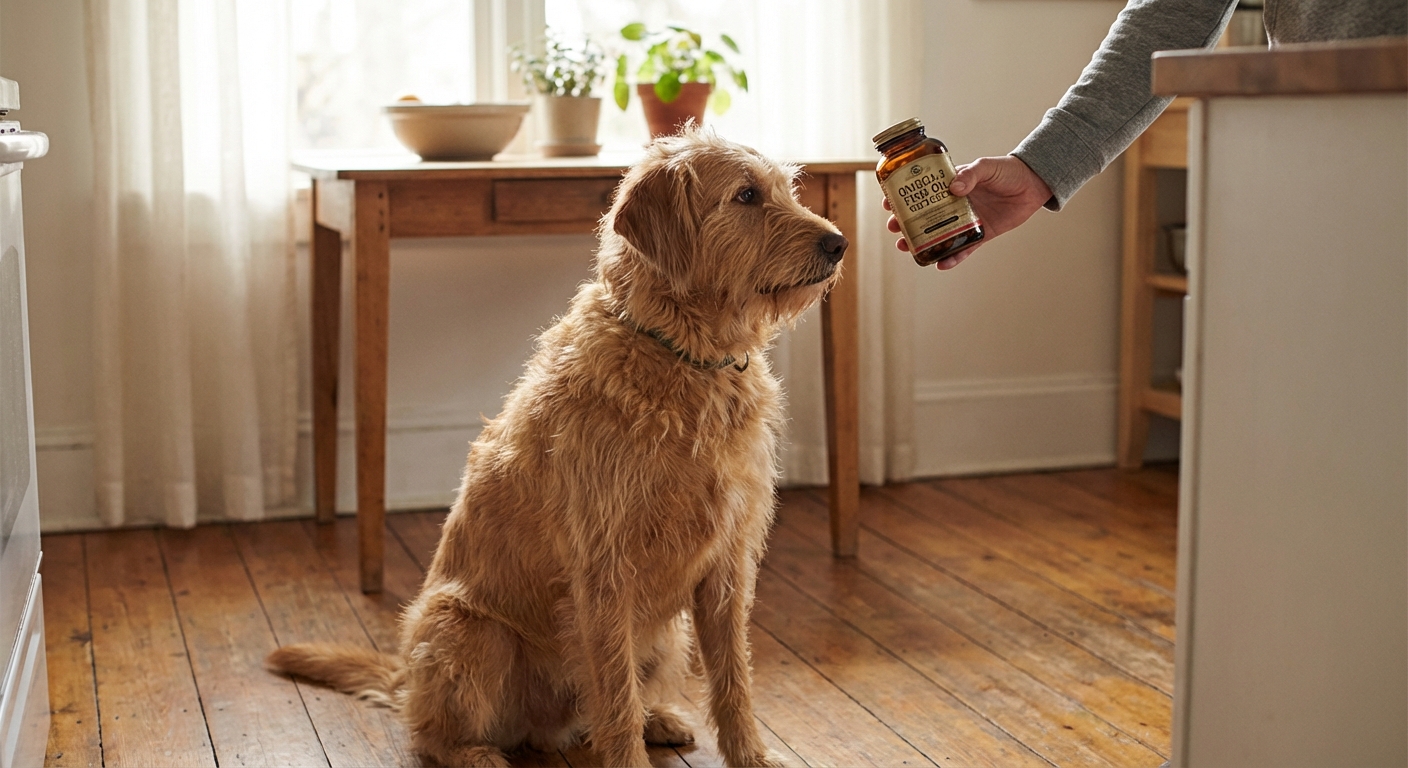
Vet-assistant tips to ease dog allergy itch safely at home: rinses, oatmeal baths, omega-3s, cool compresses, and lick prevention—plus remedies to avoid an...
Article
•
Designer Mixes
Canine Hot Spot Treatment Tips

Shari Shidate
Designer Mixes contributor
Hot spots can show up fast and look alarming, especially on fluffy mixed breeds where irritated skin hides under a thick coat. As a veterinary assistant here in Frisco, Texas, I have seen how quickly a small itch can turn into a wet, painful patch when dogs lick, chew, and scratch nonstop. The good news is that many hot spots improve quickly with the right first steps, smart hygiene, and a plan to prevent the next flare.
Important note: This article is educational and not a substitute for veterinary care. If your dog seems very painful, the area is spreading rapidly, there is a bad odor or pus, your dog is lethargic, or the hot spot is near the eyes or genitals, please call your veterinarian the same day.
What hot spots are
A hot spot is the common name for acute moist dermatitis, also called pyotraumatic dermatitis. It is a localized area of intense skin inflammation that often starts with itching. As licking and scratching damage the skin barrier, secondary bacterial overgrowth or infection is common. The area becomes warm, red, moist, and very itchy or painful, which triggers more licking and scratching. It can snowball in a matter of hours.
Common triggers
- Allergies (environmental allergies, food sensitivities, flea allergy dermatitis)
- Fleas, even a few bites in a sensitive dog
- Moisture trapped in the coat after swimming or bathing, especially in dense coats
- Ear infections that cause head shaking and scratching around the neck and cheeks
- Skin folds or friction areas (armpits, groin, under collars or harnesses)
- Stress or boredom licking
If hot spots keep coming back, it is rarely “bad luck.” There is usually an underlying itch trigger that needs attention.
Quick look-alikes to keep in mind: Not every red, irritated patch is a hot spot. Ringworm, mange/mites, bite wounds or abscesses, anal gland problems (often near the rump), and more generalized skin infections can look similar and may need different treatment. If you are not sure what you are seeing, it is safer to have your veterinarian take a look.
First aid at home
The goal is to stop the self-trauma, dry and disinfect the skin, and prevent the irritation from spreading. If your dog is in significant pain, the skin is bleeding, your dog will not let you handle the area safely, or you are worried you might get bitten, skip home care and go straight to your veterinarian.
Step 1: Stop licking
- Use an E-collar (cone) or an inflatable collar right away.
- If the spot is on a limb, a vet-approved recovery sleeve can help, but only if it stays dry and does not rub.
Stopping licking is not optional. Without this step, almost nothing else works.
Step 2: Clip the fur
Hot spots hide and spread under matted fur. If you can do this safely, clip fur at least 1 to 2 inches beyond the red, wet area. Use electric clippers if possible. Scissors can cut skin easily, especially when the dog flinches.
Clipping safety tips: Clip with the grain, go slowly, and stop if the skin is very raw or your dog is reacting strongly. Many clinics use a #10 blade for safe, close clipping. If the matting is tight, the spot is large, or your dog is painful, have a clinic clip it. Some dogs need pain control or light sedation for a thorough clip and clean.
Step 3: Clean and disinfect
Rinse away surface debris with saline or lukewarm water, then use one of these commonly veterinarian-recommended options:
- Chlorhexidine: Many veterinary-labeled pet products are around 2%. Stronger products exist and can be irritating for some dogs, so follow label directions or your veterinarian’s guidance.
- Dilute povidone-iodine (looks like weak tea): helpful when chlorhexidine is not available.
Apply with gauze or cotton rounds, do not scrub hard, and avoid getting solutions in eyes or ear canals.
Step 4: Dry the area
Pat dry. Moisture feeds hot spots. If you use a hair dryer, use cool and keep it moving.
Step 5: Use a vet-approved topical
Many dogs benefit from a veterinary hot spot spray or mousse containing chlorhexidine, sometimes paired with an antifungal. If the area is very inflamed, your veterinarian may prescribe a topical that includes an anti-inflammatory plus an antibiotic.
Avoid: hydrogen peroxide (can delay healing), alcohol (stings and inflames), essential oils (can irritate, and some are toxic to pets), thick ointments that trap moisture, zinc oxide diaper creams, topical lidocaine or benzocaine products, and steroid-only creams without veterinary direction.
When to see the vet
Home care is best reserved for small, early hot spots when your dog is comfortable and you can clip, clean, and prevent licking. Call your veterinarian promptly if you notice any of the following:
- The hot spot is larger than a couple of inches, or spreading
- Pus, a strong odor, or thick yellow discharge
- Your dog is very painful, restless, or cannot sleep
- Hot spots near the eye or inside or around the ear
- Fever, lethargy, poor appetite
- No improvement in 24 to 48 hours with correct at-home steps
- Repeated hot spots, which suggests allergies, fleas, ear disease, or another primary issue
Veterinary treatment may include clipping and deep cleaning, prescription topicals, oral antibiotics when warranted, and itch control with anti-inflammatory medication. Oral antihistamines are sometimes helpful for mild itch in some dogs, but for a true hot spot flare many dogs need stronger itch relief prescribed by a veterinarian to break the lick-scratch cycle.
Preventing hot spots
Once the skin is calmer, prevention matters. Think of hot spots as a symptom, not a personality trait.
1) Flea prevention
Flea allergy is one of the most common triggers, and some dogs react to just one bite. Ask your veterinarian which flea preventative is best for your dog’s age, weight, and health history, and keep it consistent.
2) Keep thick coats dry
- After swimming or baths, towel dry thoroughly and use a cool blow-dry for dense coats.
- Pay extra attention to under the collar, armpits, groin, and under ears.
- Consider a shorter trim during humid months if your dog is prone to flare-ups.
3) Treat ear issues early
If your dog is head-shaking, scratching ears, or has ear odor, get the ears checked. Ear infections frequently trigger neck and cheek hot spots from scratching.
4) Support the skin barrier
Nutrition matters for skin resilience. A balanced diet with appropriate fatty acids can support coat and skin health. Talk with your veterinarian before adding supplements, but many dogs benefit from vet-approved omega-3 fatty acids (EPA and DHA) when itching is a recurring issue.
5) Reduce licking habits
Some dogs lick due to stress, boredom, or pain. More structured exercise, enrichment toys, training games, and addressing joint discomfort with your vet can make a real difference for chronic “lickers.”
Home kit checklist
If your dog has had hot spots before, it helps to be ready. Here is a simple kit many owners keep on hand:
- E-collar or inflatable collar
- Electric clippers with a clean blade
- Saline or gentle rinse
- Veterinary-labeled chlorhexidine solution or antiseptic wipes (follow label directions)
- Gauze pads or cotton rounds
- Clean towel for drying
- Vet-approved hot spot spray or mousse
Tip: Always check expiration dates and store products per label directions.
FAQ
How long do hot spots take to heal?
With proper clipping, cleaning, and licking prevention, mild hot spots often look improved in 24 to 48 hours and can heal in about 7 to 14 days. Timing varies based on size, how quickly licking is stopped, whether a deeper infection is present, and whether the underlying itch trigger is controlled.
Should I bandage a hot spot?
Usually no. Bandages can trap moisture and worsen infection. There are exceptions for certain locations, but bandaging should be guided by your veterinarian.
Is a hot spot contagious?
The hot spot itself is not typically contagious. However, some underlying causes can be, such as fleas, mites, or ringworm, and some bacterial infections can be harder to manage. If multiple pets have skin lesions, or people in the home develop a rash, contact your veterinarian.
Can diet help with recurring hot spots?
Sometimes. If hot spots are driven by allergies, your veterinarian may recommend a diet trial or a balanced nutrition plan that supports skin health. The biggest win is identifying and controlling the underlying itch trigger.
Quick takeaway
Clip the fur, clean with a veterinarian-recommended antiseptic, dry the skin, stop licking with a cone, and involve your veterinarian early if the spot is large, painful, smelly, or not improving quickly.
If you want, tell me your dog’s breed mix, where the hot spot is located, and whether you are seeing ear scratching, fleas, or recent swimming. Those details can point us toward the most likely trigger and the best prevention plan.