Understand dog bloat (gastric dilatation) vs life-threatening GDV. Learn key symptoms like unproductive retching, who’s at risk, what to do fast, vet treat...
Article
•
Designer Mixes
Canine Bloat Symptoms

Shari Shidate
Designer Mixes contributor
As a veterinary assistant here in Frisco, Texas, I have learned one hard truth the hands-on way: when it comes to canine bloat, minutes matter. “Bloat” can look like an upset tummy at first, but it can turn into a life-threatening emergency fast.
This guide will help you recognize the most important canine bloat symptoms, understand what is happening inside your dog’s body, and know exactly what to do next.
What “bloat” means
In everyday conversation, people use “bloat” to mean a swollen belly. In veterinary medicine, we worry most about GDV, which stands for Gastric Dilatation-Volvulus.
- Gastric dilatation: the stomach fills with gas, food, or fluid and expands.
- Volvulus: the stomach twists, trapping the contents and interfering with circulation.
GDV can quickly lead to shock, organ damage, and death without emergency treatment. A big reason dogs crash so fast is that the swollen, twisted stomach can reduce blood flow back to the heart and affect nearby organs (including the spleen). A dog can also have stomach dilatation without the twist, but you cannot safely tell the difference at home. If you suspect bloat, treat it like GDV until a veterinarian proves otherwise.
High-risk dogs
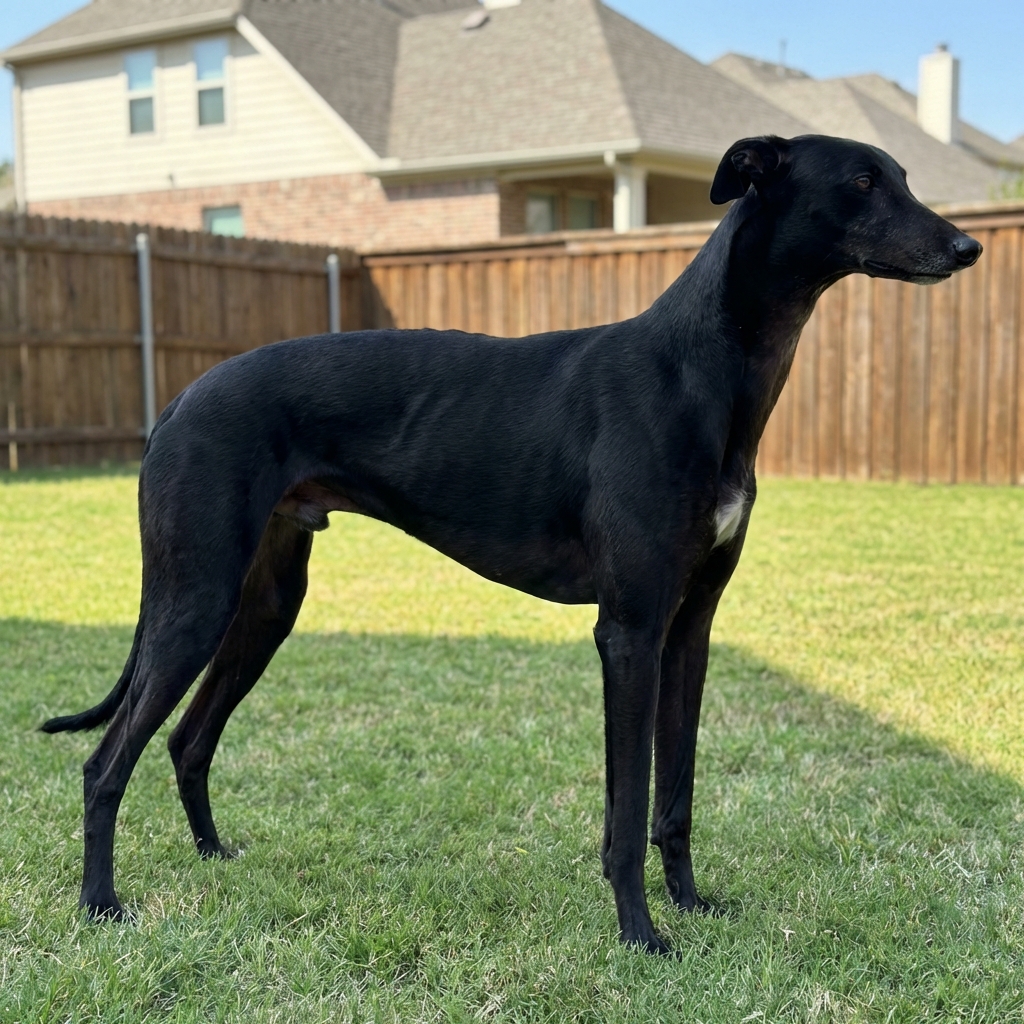
Any dog can bloat, but risk is higher in dogs with deep, narrow chests and in certain situations. If your dog fits any of these, it is worth reading this section twice.
Breeds and body type
- Great Danes, German Shepherds, Standard Poodles, Dobermans, Weimaraners, and other deep-chested breeds
- Large and giant breed mixes with a “tall, tucked up” build
Common risk factors
- Older age (risk increases as dogs get older, especially after about age 7)
- Eating one large meal per day
- Fast eating (gulping air while eating)
- Heavy exercise or rough play right after meals
- Stressful events (boarding, travel, storms)
- History of bloat in a close relative
Canine bloat symptoms you should never ignore
Bloat symptoms often come in clusters. Some dogs show classic signs, and others are subtle at first. If you see more than one sign, especially in a large or deep-chested dog, take it seriously.
1) Unproductive retching or repeated gagging
This is one of the biggest red flags. Your dog looks like they need to vomit, but little or nothing comes up. Sometimes you will only see foam or stringy saliva.
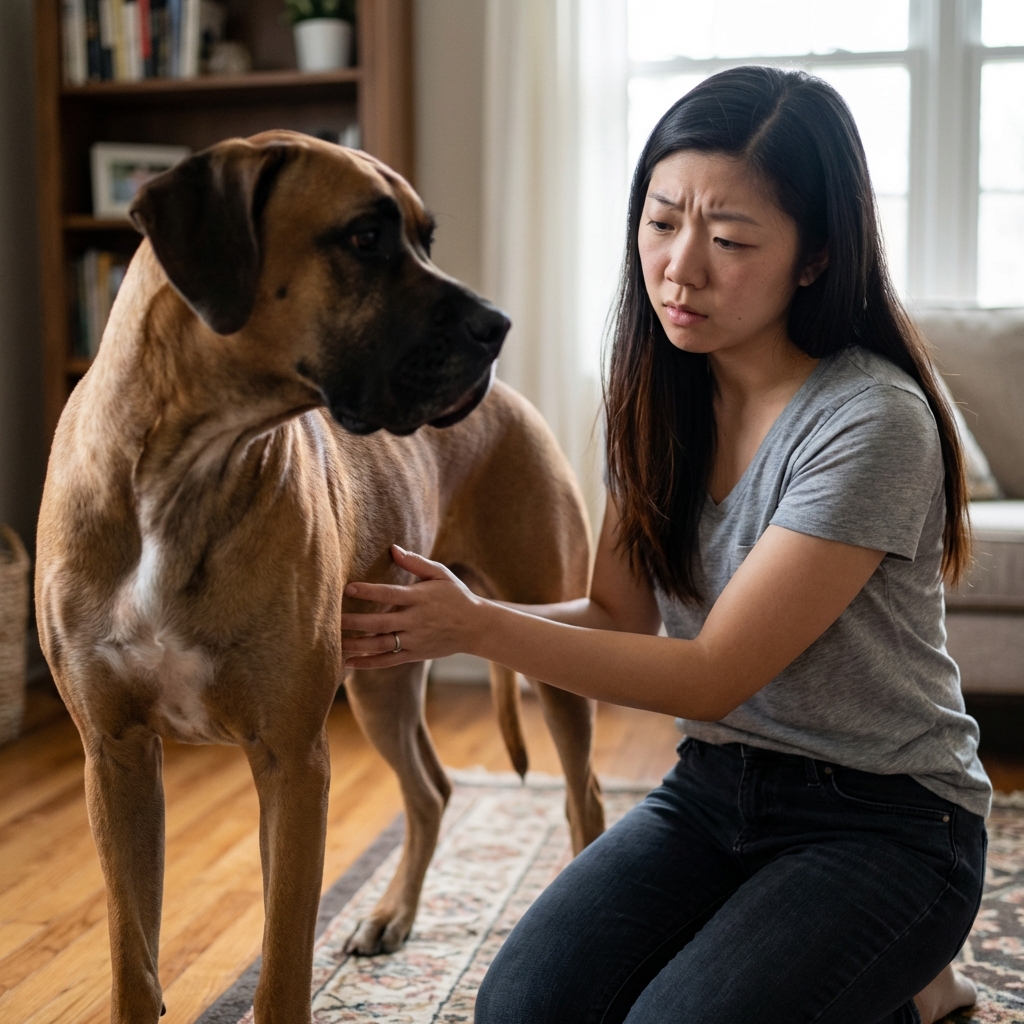
2) A tight, painful, or enlarging abdomen
The belly may look distended, feel drum-tight, or appear larger behind the ribs. Some dogs are too painful to let you touch them.
3) Restlessness and inability to get comfortable
Pacing, repeatedly lying down and getting up, looking back at the belly, or acting panicky can all be early signs.
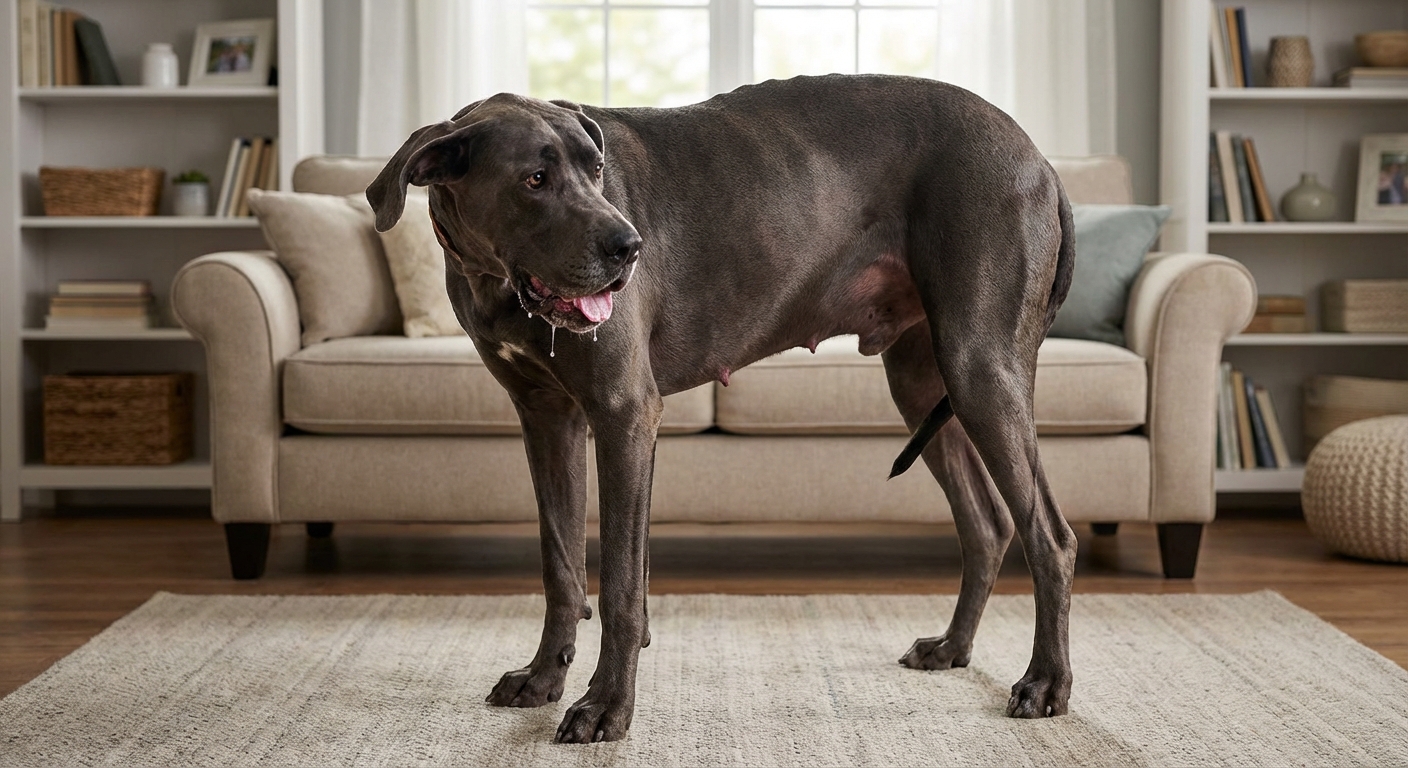
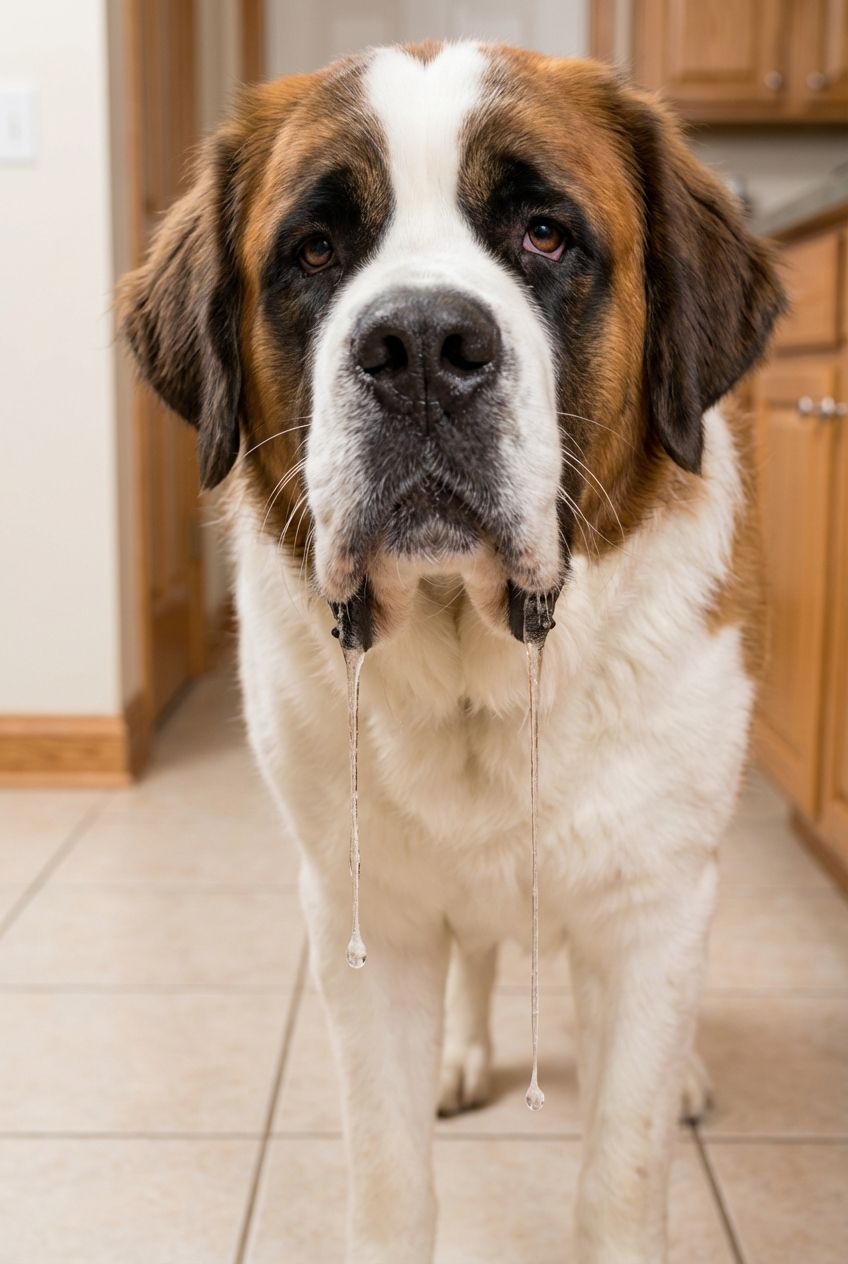
4) Excess drooling
Drool can be thick and ropey. This is often nausea plus pain plus stress.
5) Rapid breathing or effortful breathing
A swollen stomach can press on the diaphragm, making it harder to breathe. You might see fast panting, shallow breathing, or a “can’t catch my breath” look.
6) Pale gums, weakness, or collapse
These can be signs of shock. Check gums if your dog allows it. Healthy gums are usually bubblegum pink and moist. Pale, tacky gums are concerning.
7) Elevated heart rate
You may feel a fast heartbeat or notice your dog seems shaky and unsteady. This is another possible sign the body is going into shock.
If your dog is retching without vomiting, has a swollen belly, or seems suddenly painful and panicked, do not “wait and see.” Call an emergency veterinarian and go.
How to tell bloat from a simple upset stomach
Many tummy troubles cause vomiting, diarrhea, or gassiness. Bloat (possible GDV) is different because it often includes trapped pressure and rapid decline.
- Simple stomach upset often improves after vomiting, passing gas, or having a bowel movement.
- Possible bloat (possible GDV) often includes unproductive retching, increasing discomfort, and a tight belly that does not resolve.
And here is the tricky part: some dogs do not look dramatically bloated early on. If the behavior is wrong for your dog, trust that instinct.
What to do right now
If you take only one thing from this article, let it be this: suspected bloat (possible GDV) is an emergency. Home remedies do not fix a twisting stomach.
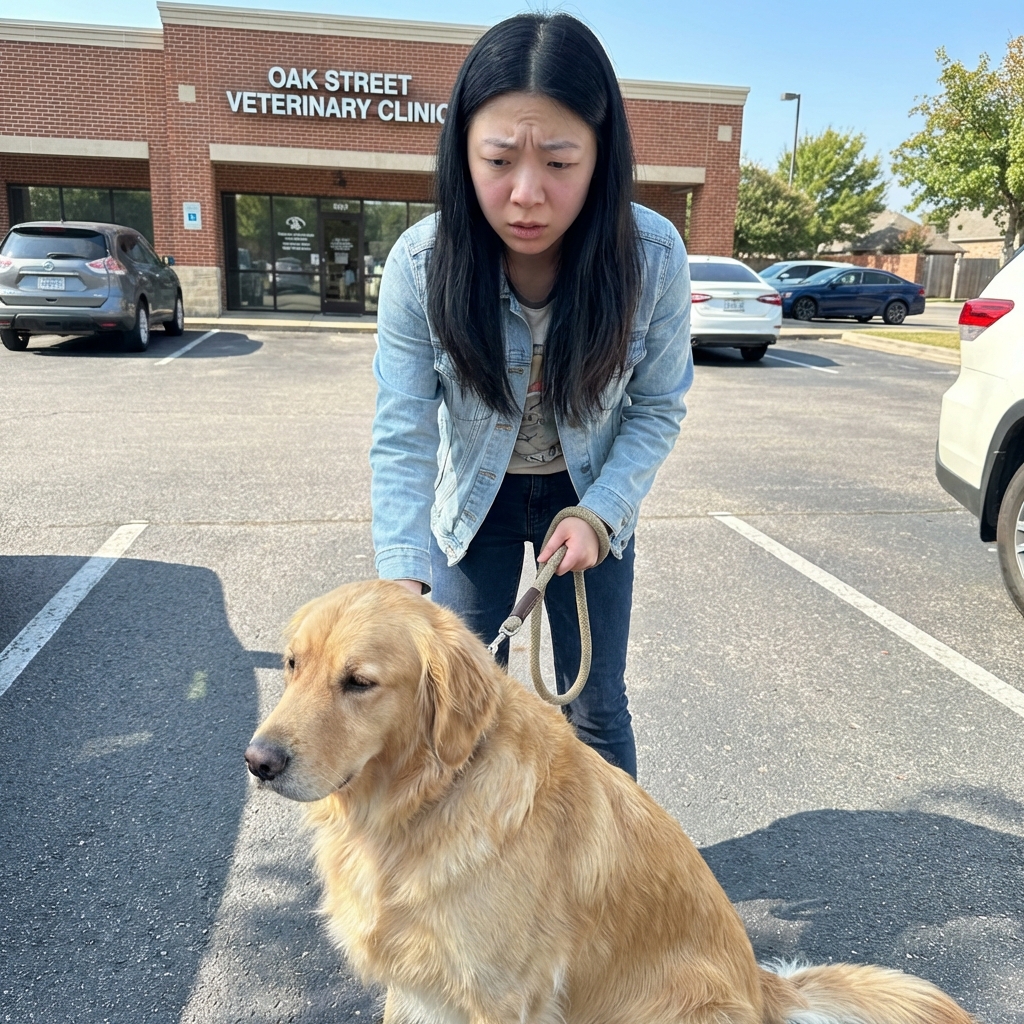
Step 1: Call the nearest emergency vet while you are moving
Tell them you are coming in for suspected GDV or bloat. Ask if they can take you immediately and if they have surgery available. If not, ask where to go next.
Step 2: Skip food, water, and medications unless a vet instructs you to
It is normal to want to soothe nausea, but adding anything by mouth may worsen distension and can complicate anesthesia and safety during treatment.
- Do not try to make your dog vomit.
- Do not massage or press on the abdomen.
- If you are considering an over-the-counter product, call the ER first and follow their instructions.
Step 3: Transport safely and quickly
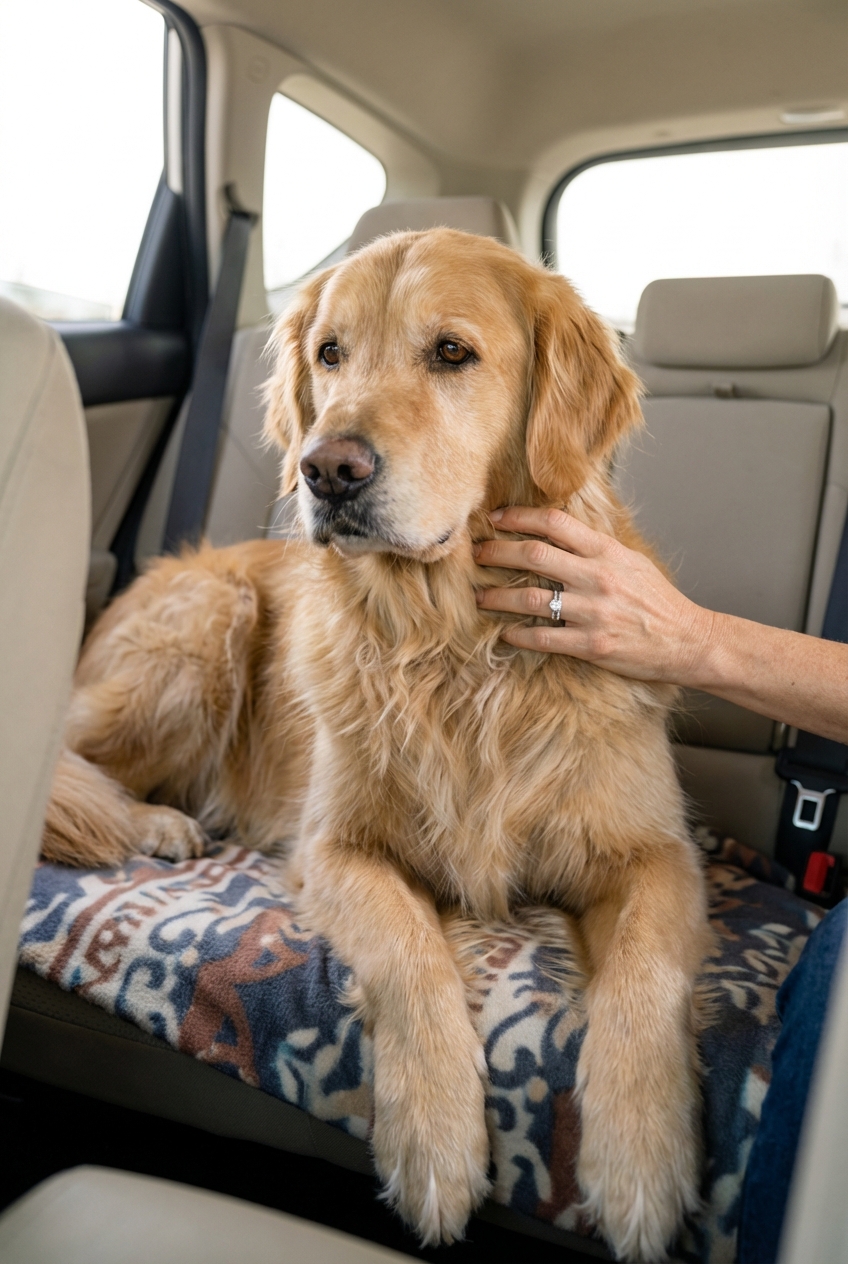
- Keep your dog as calm and still as possible.
- Use help lifting large dogs to avoid injury to you and your dog.
- If your dog seems painful, avoid pressing on the abdomen.
Step 4: If your dog collapses
Get to the ER immediately. If you can safely do so, have someone else drive while you stay with your dog. Let the clinic know you are arriving with a collapsing dog so they can be ready at the door.
What the vet may do
Knowing the typical plan can reduce panic and help you make decisions quickly.
- Rapid exam and shock stabilization: IV catheter, fluids, pain control, oxygen if needed.
- X-rays: often used to confirm GDV and assess severity.
- Decompression: removing stomach gas with a tube or needle to relieve pressure.
- Surgery: if the stomach is twisted, surgery is the lifesaving step to untwist it and assess the stomach and spleen.
- Gastropexy: tacking the stomach in place to reduce the chance of recurrence.
GDV treatment is intense, but many dogs do very well when they get care quickly.
Prevention tips
We cannot prevent every case, but these steps may help reduce risk, especially in deep-chested dogs.
Feeding routines
- Feed two to three smaller meals instead of one large meal.
- Encourage slower eating with a slow feeder bowl or spreading food out.
- Many vets recommend avoiding intense exercise for about 1 to 2 hours after meals as a practical guideline.
Reduce air gulping
- Manage competition in multi-dog homes by feeding separately.
- Address anxiety around meals if your dog acts frantic.
Ask about preventive gastropexy
If you have a Great Dane or another high-risk, deep-chested dog, ask your veterinarian about a preventive gastropexy. It is often done at the same time as a spay or neuter, and it is commonly recommended for certain giant breeds and other high-risk dogs. It does not prevent gas buildup, but it can prevent the deadly twist.
A quick checklist
If you are scanning in a hurry, use this checklist. If you check more than one box, call an emergency vet now.
- Retching or gagging with little or no vomit
- Swollen, tight abdomen
- Sudden restlessness or panic
- Excess drooling
- Rapid breathing or difficulty breathing
- Weakness, pale gums, collapse
When in doubt, go in
I know it is scary and it is not always clear at first. But bloat (possible GDV) is one of those conditions where it is far better to feel “a little silly” at the ER than to arrive too late. You are not overreacting. You are protecting your best friend.
Action step: Save your nearest emergency vet’s number in your phone today, and if you have a large or deep-chested dog, map the route now so you are not figuring it out under stress.
Quick note: This article is educational and is not a substitute for veterinary care. If you think your dog may be bloating, call an emergency clinic right away.
Sources
- American College of Veterinary Surgeons (ACVS). Gastric Dilatation-Volvulus (GDV) information for pet owners. https://www.acvs.org/
- VCA Animal Hospitals. Gastric Dilatation-Volvulus (Bloat) in Dogs. https://vcahospitals.com/
- Merck Veterinary Manual. Gastric Dilatation and Volvulus in Small Animals. https://www.merckvetmanual.com/