Dog UTI symptoms can mimic stones or other issues. Learn the full treatment plan: urinalysis and culture, correct antibiotics, pain control, hydration, home ...
Article
•
Designer Mixes
Canine Bladder Infections: Tips & Advice

Shari Shidate
Designer Mixes contributor
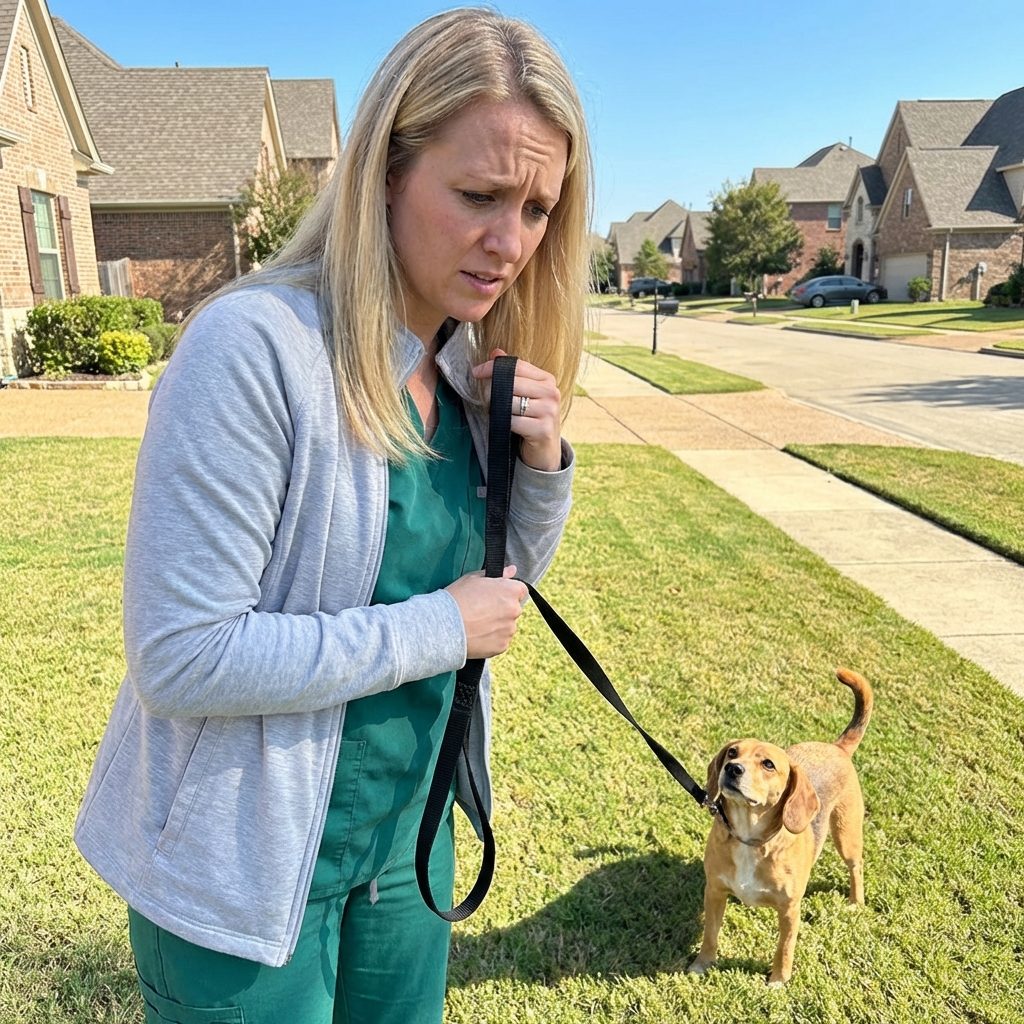
As a veterinary assistant here in Frisco, Texas, I see it all the time: a sweet dog who suddenly needs to pee every few minutes, has an “oops” accident in the house, or seems uncomfortable. Bladder infections are very treatable, but they can also be sneaky. The sooner you recognize the signs and get the right help, the faster your pup can feel like themselves again.
Quick note on wording: most “UTIs” in dogs are lower urinary tract infections, meaning the bladder (cystitis) and sometimes the urethra. Less commonly, infections can involve the kidneys, which is more serious.
What it is (and what it is not)
A canine bladder infection usually means bacteria have irritated the bladder lining, causing inflammation and pain. Many people use “UTI” as a catch-all term, but there are a few different possibilities your veterinarian is sorting through:
- Simple bacterial cystitis: A straightforward bladder infection, common in female dogs (male dogs can get them too, but when males do, vets are more likely to look for an underlying cause).
- Complicated UTI: Infection plus an underlying issue (diabetes, Cushing’s disease, anatomical changes, prostate disease, immune suppression, etc.).
- Bladder stones or crystals: These can look like a UTI and can also cause UTIs.
- Sterile inflammation: UTI-like symptoms with no bacterial growth on culture (though recent antibiotics or hard-to-grow organisms can sometimes mask infection).
The big takeaway: symptoms alone cannot tell you which one it is. That is why testing matters.
Common signs at home
Dogs cannot tell us “it burns,” so we watch behavior. Classic lower urinary tract infection signs include:
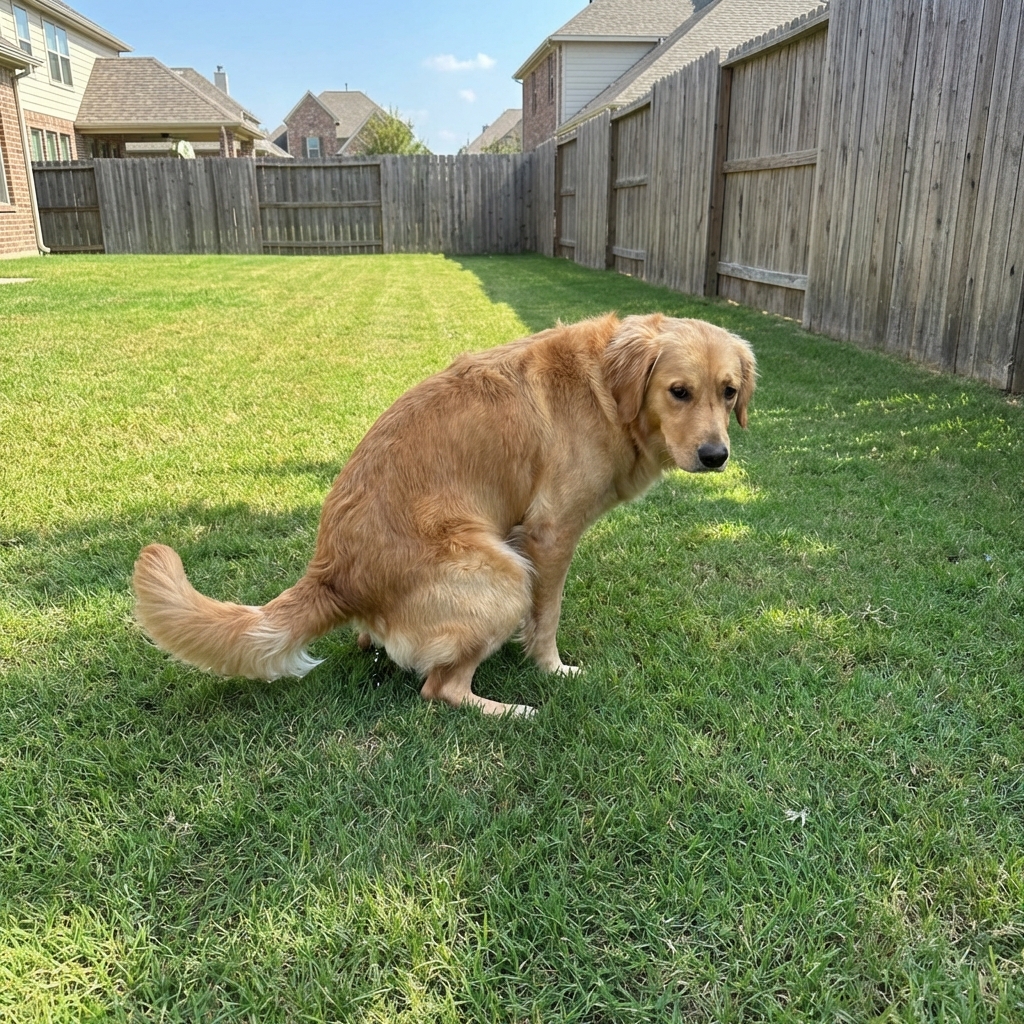
- Frequent squatting or lifting the leg with only small amounts of urine
- Straining to urinate or taking a long time to pee
- Blood-tinged urine or urine that smells stronger than usual
- Accidents in a previously house-trained dog
- Licking the vulva or penis more than normal
- Restlessness, discomfort, or mild belly sensitivity
Some dogs show very subtle signs, especially seniors, and some still act totally happy while their bladder is inflamed. If your gut says something is off, trust it.
When it is an emergency
Please seek urgent veterinary care right away if you notice any of these red flags:
- Inability to urinate (or only a few drops) with repeated attempts
- Vomiting, severe lethargy, or collapse
- Fever (a temperature over 103°F if you have a reliable thermometer, otherwise let your vet confirm)
- Back pain or signs of significant illness
A blocked urinary tract, especially in male dogs, can become life-threatening fast. And if an infection has traveled up toward the kidneys, dogs often act much sicker, which is another reason these signs are not a “wait and see” situation.
Diagnosis: what your vet checks
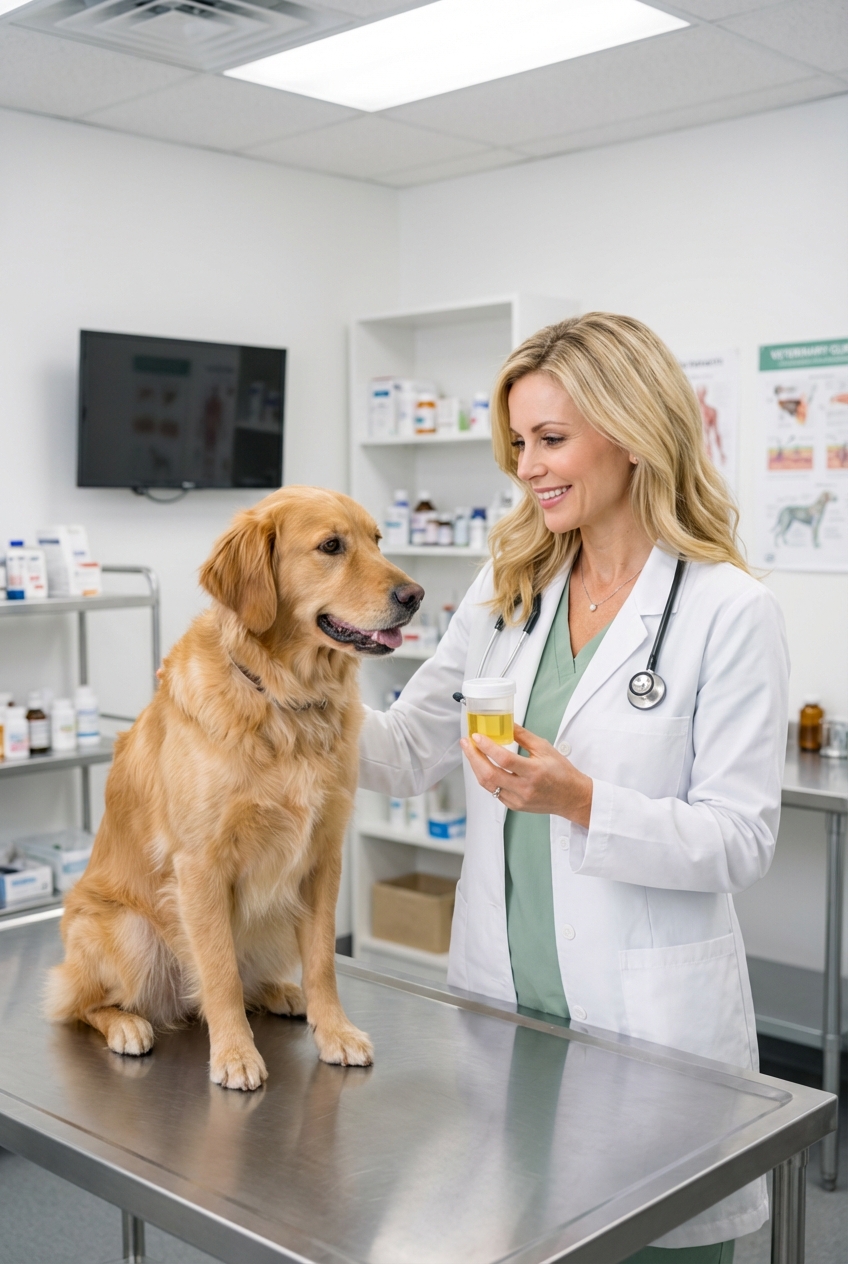
The most helpful starting point is a urinalysis, and often a urine culture and sensitivity (especially for recurrent infections, male dogs, or when symptoms are severe). Here is what those tests help your vet determine:
- Is bacteria present?
- Are there white blood cells? (a clue for inflammation or infection)
- Is there blood in the urine?
- Are crystals present? (which may suggest stone risk or diet considerations)
- What antibiotic will actually work? (culture and sensitivity)
How the urine is collected matters. Many clinics prefer collecting urine via cystocentesis (a quick needle draw from the bladder) because it reduces contamination and improves culture accuracy. A home “free-catch” sample can still be useful for a basic urinalysis, but it is not always ideal for culture.
Treatment basics
Treatment depends on the cause, but commonly includes:
- Antibiotics prescribed based on testing and your dog’s history
- Pain relief when appropriate (your vet may use anti-inflammatories or other medications)
- Follow-up testing in recurrent or complicated cases
Treatment length can vary. Some simple infections may need a shorter course, while complicated infections often require longer treatment and a recheck to confirm the urine is truly clear.
If your dog seems better after a couple of days, that is wonderful, but it does not mean the infection is gone. Stopping antibiotics early can lead to relapse and can contribute to antibiotic resistance. If side effects happen (vomiting, diarrhea, loss of appetite, itchiness), call your veterinarian right away so they can adjust the plan safely.
One of the best things you can do for your dog is simple: give medications exactly as directed and do not skip the recheck if your vet recommends one.
Supportive care at home
While your vet treats the infection, home care can make your dog more comfortable and may help prevent recurrence.
1) Encourage water intake
More water helps flush the bladder. Try:
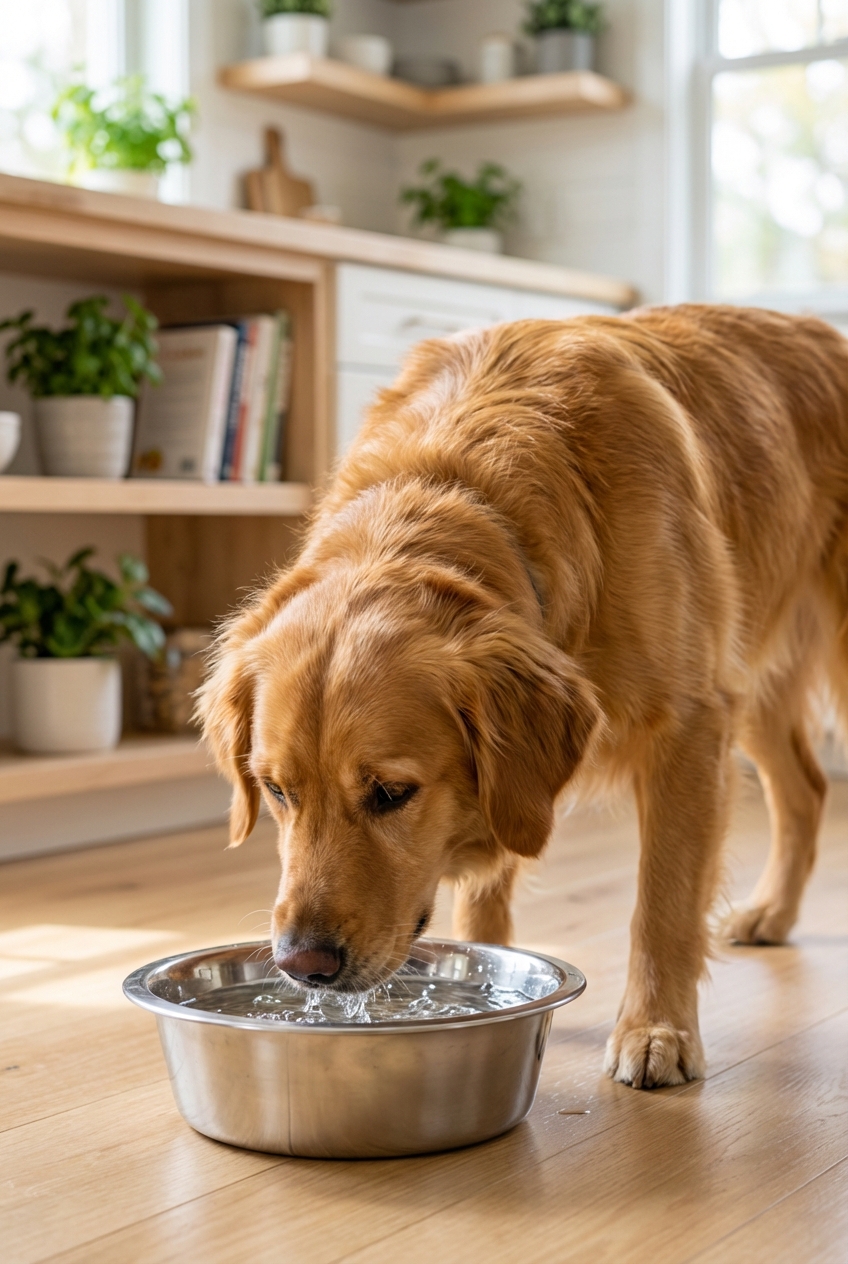
- Offer fresh water in multiple bowls around the home
- Use a pet water fountain if your dog likes moving water
- Add a splash of low-sodium broth to water (ask your vet if your dog has heart, kidney, or pancreatitis concerns)
- Feed moisture-rich foods when appropriate (many dogs drink more when they eat wet food)
2) Give more potty breaks
Holding urine can worsen irritation. Aim for more frequent opportunities to urinate, especially for small dogs and seniors.
3) Keep the area clean and dry
If your dog has accidents, gently clean the vulva or penis area with a soft, damp cloth and dry well. Avoid harsh soaps that can irritate skin.
4) Skip unapproved “natural antibiotics”
I love whole-food support, but a true bacterial infection typically needs targeted treatment. Over-the-counter or internet remedies can delay proper care and may not be safe for every dog. Always check with your veterinarian before adding supplements, especially if your dog takes other medications.
Prevention basics
Some dogs get one UTI and never see it again. Others get recurrent infections, and that is when prevention becomes a true game plan.
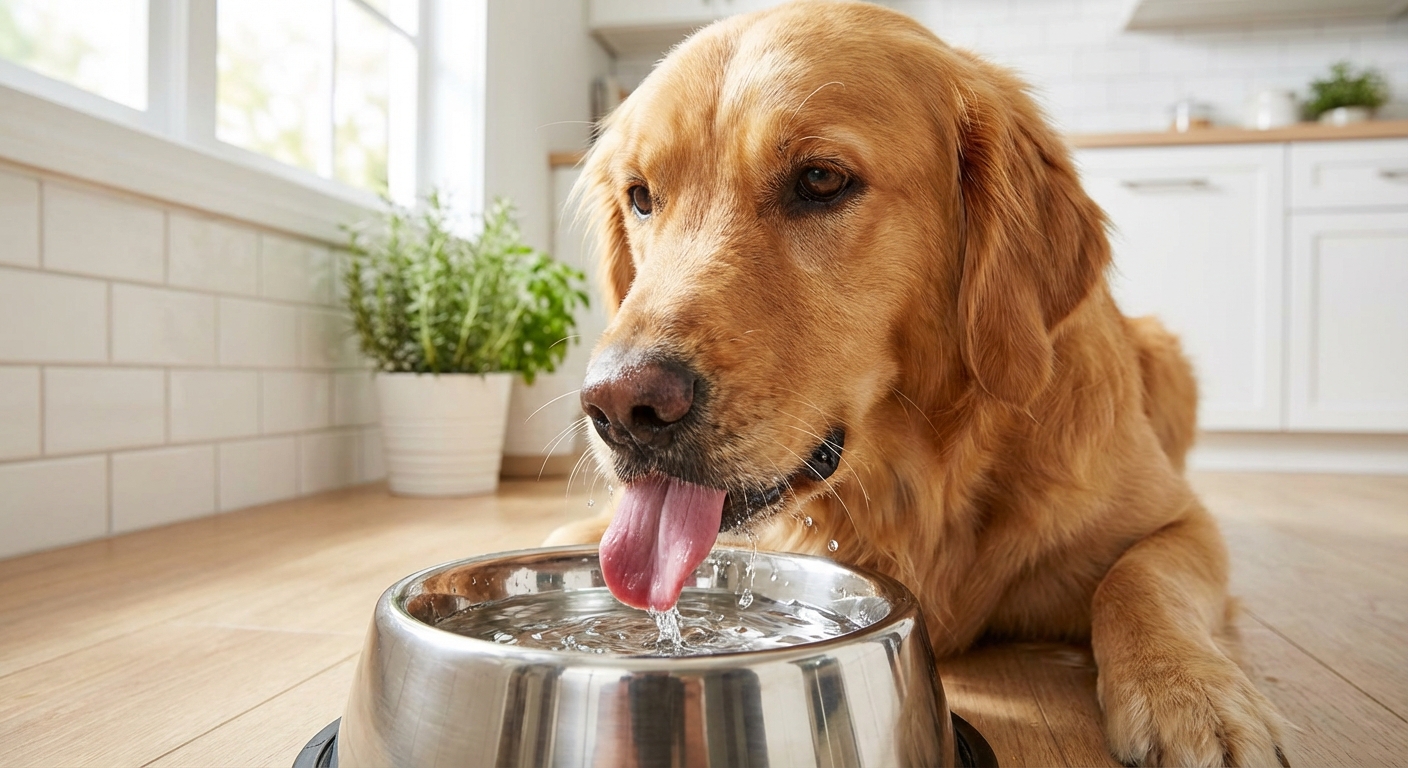
Hydration helps
If there is one “low effort, high impact” habit, it is promoting hydration. Concentrated urine can be more irritating to the bladder lining, and it may contribute to crystal formation in susceptible dogs (along with factors like urine pH, minerals, infection, and genetics).
Weight management matters
Extra weight can contribute to inflammation and can make hygiene harder. If your dog is overweight, ask your vet for a safe, gradual plan. Even small improvements can make a big difference over time.
Look for root causes
Recurring UTIs are often a symptom of something else. Your vet may recommend blood work, imaging, or additional testing to look for:
- Bladder stones
- Diabetes
- Cushing’s disease
- Vaginal or vulvar anatomy issues
- Prostate disease in intact males
- Medication-related immune suppression
Ask about food if stones are involved
Crystals and stones are a nutrition conversation, but also a medical one. Some dogs truly need a prescription urinary diet, and others do well with targeted adjustments guided by urinalysis trends. Do not change diets drastically without a plan, because urine pH and mineral balance can shift quickly.
Common questions
Can I treat a dog UTI at home?
You can support comfort and hydration at home, but you cannot reliably clear a bacterial infection without proper diagnosis and medication. The symptoms of a UTI can also be caused by stones or blockage, which require different care.
Is cranberry safe for dogs?
Some cranberry products are used as supportive care for urinary health, but results are mixed and dosing is not one-size-fits-all. Cranberry may also be a poor fit for certain stone types. If you want to use it, ask your vet which product and dose is safest for your dog’s history. Also, avoid sweetened human cranberry products and never use anything containing xylitol.
Why does my dog keep getting bladder infections?
Recurrent infections usually mean we need to look deeper. It can be anatomy, stones, endocrine disease, resistant bacteria, or incomplete clearing of the prior infection. A culture and follow-up urinalysis can be very helpful here.
A simple action plan
- Step 1: Call your veterinarian when you notice frequent urination, straining, blood, or accidents.
- Step 2: Request a urinalysis and ask if a culture is recommended, especially for repeat episodes or male dogs.
- Step 3: Follow medication directions exactly and finish the full course.
- Step 4: Encourage water intake and provide more potty breaks while healing.
- Step 5: If UTIs are recurring, ask about investigating underlying causes and prevention.
Your dog does not have to “just live with it.” With the right testing and a thoughtful prevention plan, most pups get real relief and stay comfortable long-term.