
Wondering if Zyrtec can help your dog’s itching? Learn when plain cetirizine may work, what to avoid (Zyrtec-D), dosing basics, side effects, and red-flag ...
Article
•
Designer Mixes
Canine Benadryl Dosage: Understanding & Solutions

Shari Shidate
Designer Mixes contributor
If your dog is itchy, swollen from a bug bite, or suddenly sneezing like crazy, it is completely normal to wonder, “Can I give Benadryl?” As a veterinary assistant, I have seen Benadryl help some dogs feel more comfortable, but I have also seen it cause problems when the dose or product is wrong.
One quick note on sneezing: allergies can cause it, but so can dust or smoke irritation, a nasal foreign body (like a foxtail), or an infection. If sneezing is intense, one-sided, bloody, or not improving, it is worth a vet call.
This guide walks you through evidence-based Benadryl dosing basics, what it can and cannot do, which dogs should avoid it, and when it is time to skip home care and call your veterinarian.
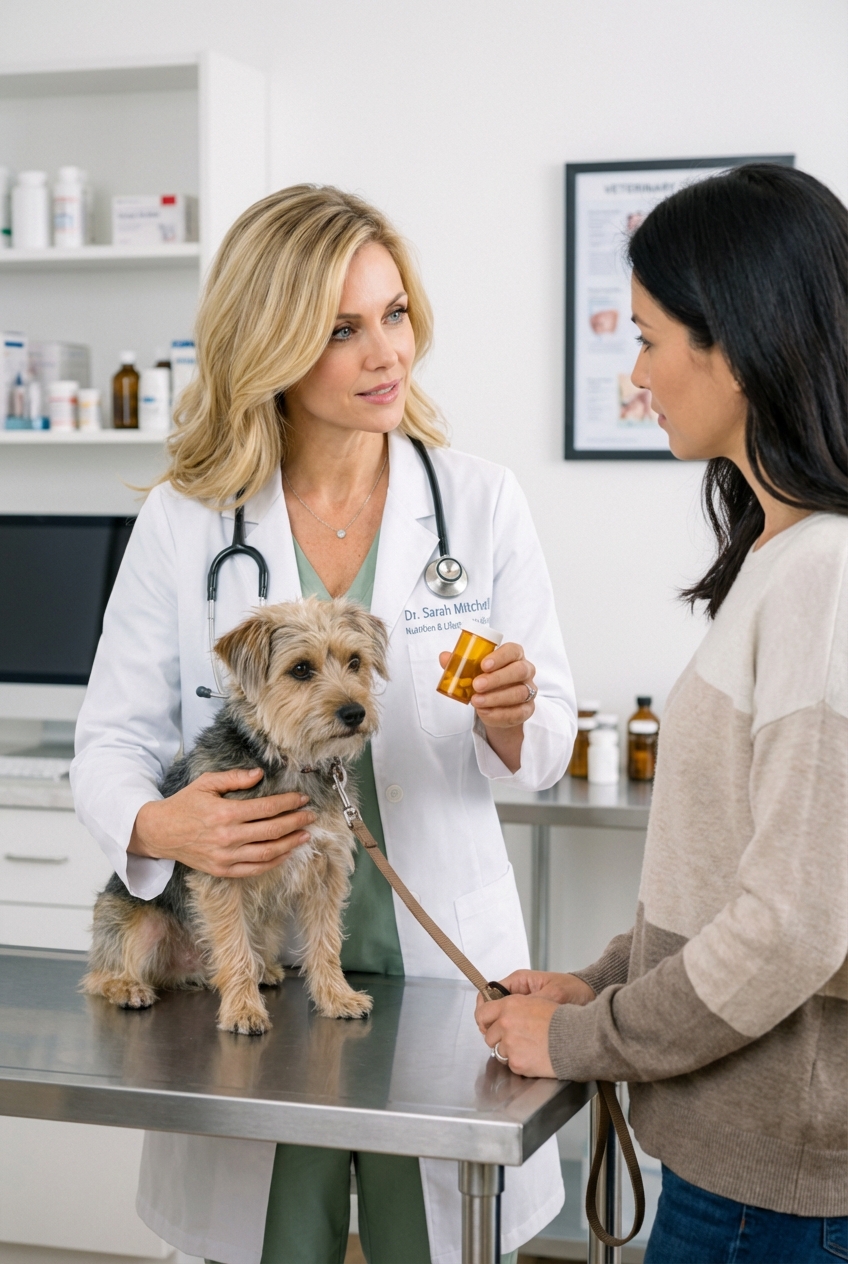
What Benadryl is and why vets use it
Benadryl is the brand name most people recognize for diphenhydramine, an antihistamine. In dogs, veterinarians commonly use diphenhydramine to help with:
- Mild allergic reactions (hives, facial puffiness, itchy skin)
- Insect bites or stings causing minor swelling or itchiness
- Vaccine-related itchiness or mild hives, under veterinary guidance
- Motion sickness in some cases, though results vary
Benadryl is not a cure for allergies. It is usually a short-term symptom helper. Many dogs with ongoing itchiness need a broader plan (flea control, diet trial, medicated baths, or prescription allergy meds).
Standard Benadryl dosage for dogs
The commonly referenced starting point for plain diphenhydramine in dogs is:
About 1 mg per pound of body weight by mouth, typically every 8 to 12 hours.
That guideline is a typical reference dose, not a universal rule. In metric terms, many veterinary references cite a range around 2 to 4 mg/kg. Your veterinarian may adjust the dose and interval based on your dog’s age, health conditions, other medications, and how sensitive your dog is to sedation.
Frequency safety note: Do not give it more often than every 8 hours unless your veterinarian specifically tells you to.
Quick examples (using the 1 mg per pound guideline)
- 10 lb dog: about 10 mg per dose
- 25 lb dog: about 25 mg per dose
- 50 lb dog: about 50 mg per dose
- 75 lb dog: about 75 mg per dose
Reality check: Benadryl products are often 25 mg tablets or 25 mg capsules, and that makes accurate dosing tricky for small dogs. If you have a small breed or a puppy, ask your vet about a liquid formulation and the exact milliliters to give.
Practical tip: Tablets can sometimes be split if your veterinarian recommends it, but do not try to split gelcaps. If the dose is awkward, ask your clinic about a pet-safe liquid or compounded option.
Weight matters: Use a recent, accurate weight (a scale is best, especially for small dogs) instead of guessing.

How to choose the right Benadryl product
This is where many well-meaning pet parents get into trouble. You want diphenhydramine only.
What to look for on the label
- Active ingredient: diphenhydramine HCl
- Single-ingredient product whenever possible
What to avoid
- Benadryl-D or any product containing pseudoephedrine (can be dangerous for dogs)
- “Multi-symptom” cold and flu products (often contain additional medications that are unsafe)
- Some liquids may contain xylitol or high alcohol content (both are dangerous). Always check inactive ingredients.
- Topical Benadryl creams, gels, or sprays unless your veterinarian directs you (dogs can lick them, and some formulas include extra ingredients you do not want ingested).
If you are unsure, take a clear photo of the front and the Drug Facts label and call your vet clinic. This is one of those moments where a 2-minute call can prevent a real emergency.
When Benadryl can help and when it will not
Benadryl is often reasonable for
- Mild hives and itchiness
- Minor facial swelling from an insect bite (as long as breathing is normal)
- Seasonal allergy flare-ups for some dogs (although results can be modest)
Benadryl is usually not enough for
- Moderate to severe allergic skin disease (chronic itching, ear infections, recurrent hot spots)
- Food allergies (requires a structured diet trial)
- Flea allergy dermatitis (needs strict flea prevention and often anti-inflammatory treatment)
Benadryl is not a substitute for emergency care
If your dog is having trouble breathing, vomiting repeatedly after a sting, collapsing, or their gums look pale, do not wait for Benadryl to “kick in.” Seek emergency care immediately.
How fast it works and what to expect
Most dogs start to feel effects within 30 to 60 minutes. The biggest thing many families notice is sleepiness.
In many dogs, effects can last roughly 6 to 8 hours, which is one reason veterinarians often recommend dosing intervals like every 8 to 12 hours depending on the situation.
Common side effects
- Drowsiness (most common)
- Dry mouth
- Urinary retention (more concerning in some senior dogs)
- GI upset (less common, but can happen)
Not-so-common but important
Some dogs have the opposite reaction and become restless or hyper. If that happens, stop and call your veterinarian before giving another dose.
Dogs who should not take Benadryl without veterinary guidance
Always check with your veterinarian first if your dog has any of the following:
- Glaucoma
- Heart disease or high blood pressure
- Seizure history
- Thyroid disorders (ask your vet)
- Prostate issues or trouble urinating
- Liver disease
- Pregnancy or nursing
Also, be cautious if your dog is already taking sedating medications (certain pain meds, anxiety meds, some anti-nausea meds). Combining sedatives can lead to excessive drowsiness or coordination issues.
Drug interaction reminder: Tell your vet about all medications and supplements your dog is on, including flea and tick products. Certain medications can interact with antihistamines, and your clinic can quickly confirm what is safe together.

Emergency red flags: when to call a vet now
Please seek urgent veterinary care or call an animal poison hotline if any of these are happening:
- Labored breathing, wheezing, or blue-tinged gums
- Rapidly worsening facial swelling, especially around the throat
- Collapse, severe weakness, or disorientation
- Repeated vomiting or severe diarrhea after a sting or suspected allergen exposure
- Possible overdose (wrong product, too much given, or a dog got into the bottle)
If you suspect an overdose, bring the packaging to the clinic so the team can see the exact ingredients and strength.
Solutions beyond Benadryl for common problems
If you are reaching for Benadryl often, it is usually a sign your dog needs a bigger plan. Here are practical, vet-supported next steps to discuss with your clinic.
For itchy skin and seasonal allergies
- Consistent flea prevention (even indoor pets can be affected)
- Medicated baths or wipes for yeast and bacterial overgrowth
- Prescription options such as Apoquel, Cytopoint, or vet-directed steroids when appropriate
- Omega-3 fatty acids, as recommended by your veterinarian
For recurring ear infections
- Ear cytology at the vet to identify yeast vs bacteria
- Prescription ear medication, plus a safe cleaning routine
- Addressing the underlying allergy trigger
For hives and acute reactions
- Benadryl may be part of the plan, but your vet may add an anti-inflammatory or recommend observation depending on severity
- Identify the trigger when possible (new treats, shampoos, plants, stings)
Benadryl dosing checklist (print-friendly)
- Confirm the product is diphenhydramine only
- Know your dog’s current weight (use a scale when possible)
- Use a typical reference dose: about 1 mg per lb every 8 to 12 hours (unless your vet directs otherwise)
- Do not dose more often than every 8 hours unless directed
- Avoid combination products like Benadryl-D
- Avoid topical Benadryl products unless your vet tells you to
- If using liquid, measure with an oral syringe, not a kitchen teaspoon
- Watch for sedation, agitation, vomiting, or trouble urinating
- If symptoms are severe or worsening, seek veterinary care
My best advice: If this is your first time giving Benadryl, call your vet clinic and confirm the dose for your specific dog. It is quick, and it is the safest way to turn a stressful moment into a calm plan.