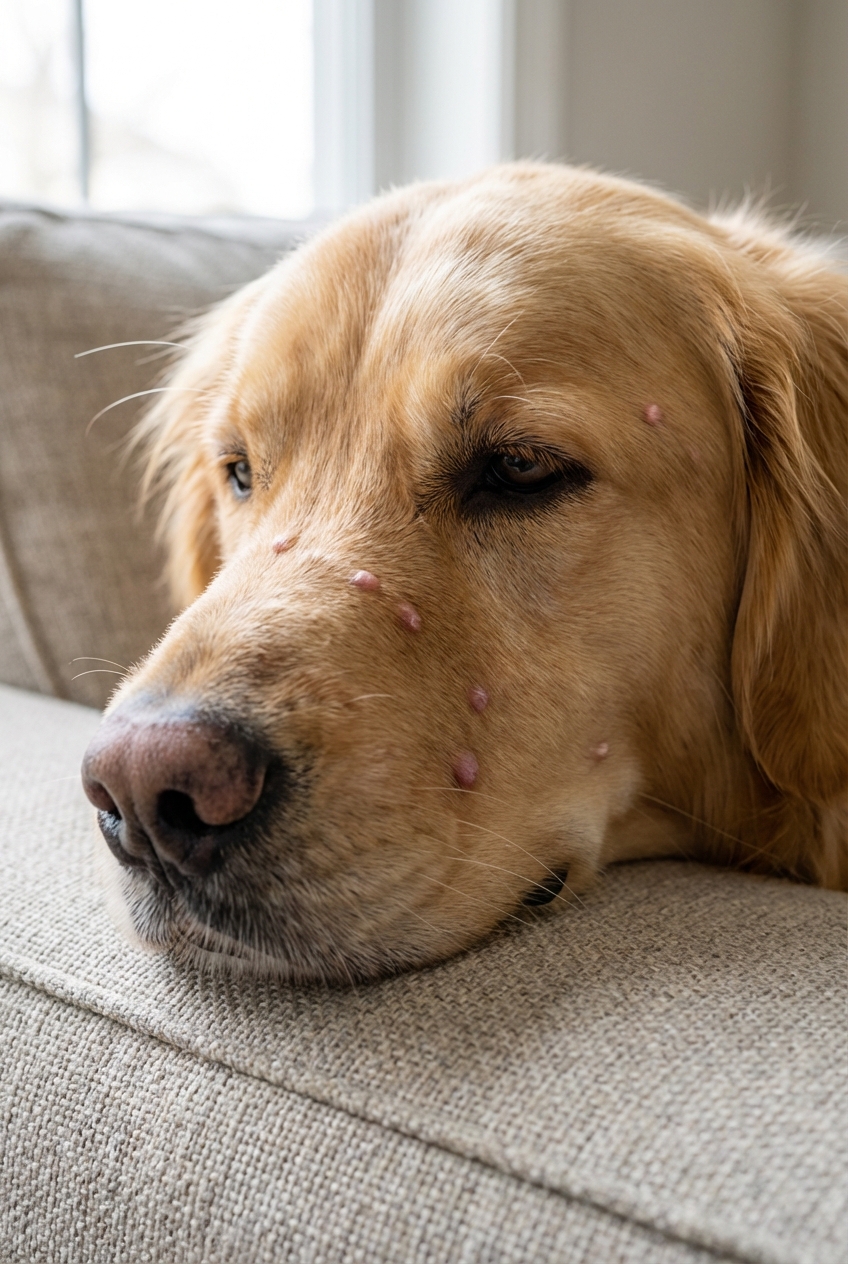
Is your dog licking paws or getting a red belly in spring or fall? Learn common symptoms, top triggers (pollen, grass, mold), easy home relief steps, and whe...
Article
•
Designer Mixes
Can You Give Dogs Benadryl?

Shari Shidate
Designer Mixes contributor
As a veterinary assistant here in Frisco, Texas, I get this question a lot: “Can I give my dog Benadryl?” Sometimes, but only if your vet says it fits the situation and your dog is the right candidate. Benadryl is a human medication, and dogs do not metabolize every drug the same way people do.
This guide will help you understand when Benadryl may be helpful, when it is not, and how to use it more safely. If your dog is having trouble breathing, has facial swelling, collapses, or seems severely unwell, skip the internet and go to an emergency vet.
What Benadryl is and what it does
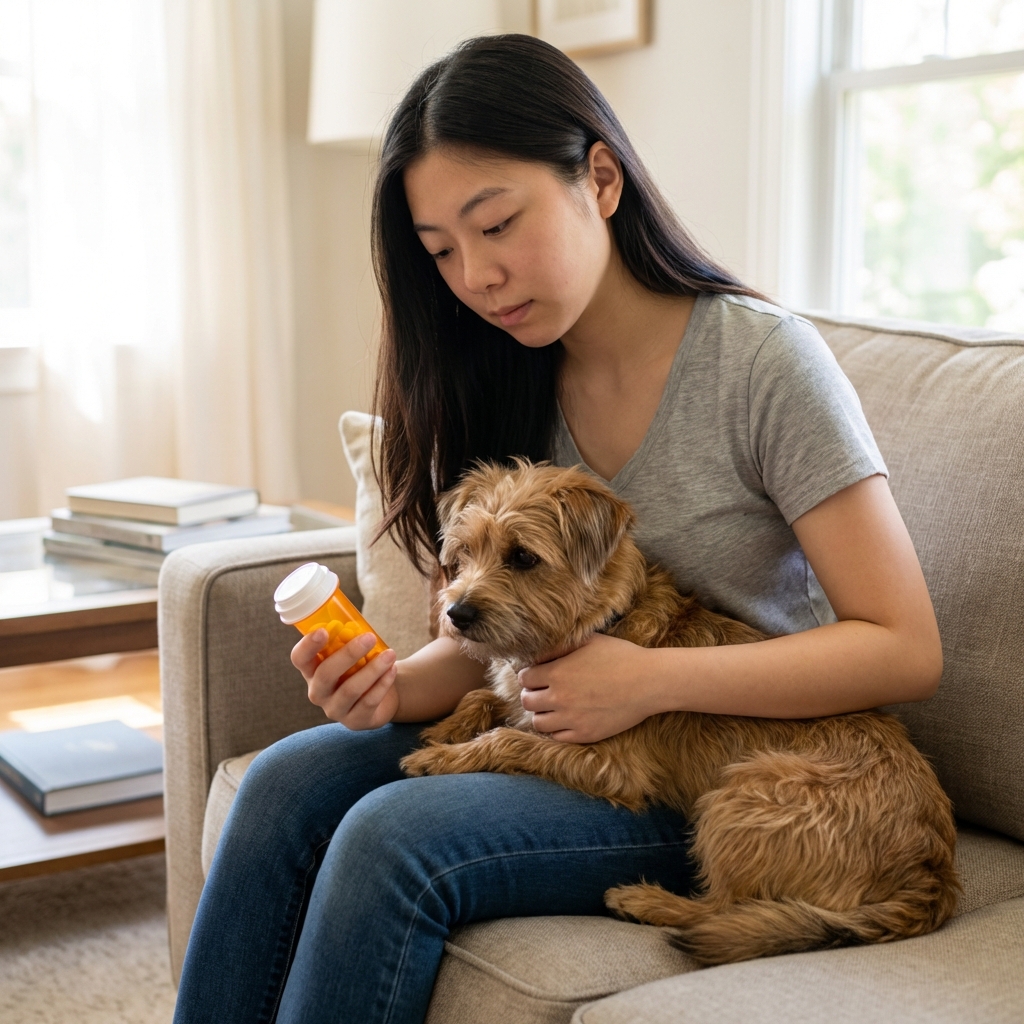
Benadryl is the brand name for diphenhydramine, an antihistamine. Histamine is one of the chemicals your dog’s body releases during allergic reactions. By blocking histamine receptors, diphenhydramine can reduce symptoms like itching, hives, and mild swelling.
It can also cause sleepiness, which is why some dogs seem calmer after taking it. That “calm” is usually sedation, not true anxiety relief.
When Benadryl may help dogs
Benadryl is most commonly used for mild allergy symptoms. It may be recommended by your veterinarian for:
- Itchy skin due to environmental allergies (seasonal pollen, grasses)
- Hives or mild facial puffiness from an allergic trigger
- Insect bites or stings with mild localized swelling
- Motion sickness in some dogs (response is variable, and other meds often work better)
Important: Benadryl does not treat the underlying cause of itching like fleas, mites, skin infections, or food allergies. Also, antihistamines can be hit or miss for many allergy dogs, so if you do not see improvement, do not keep repeating doses without a plan. If itching keeps coming back, your dog needs a real workup, not repeated Benadryl.
When Benadryl is not the right choice
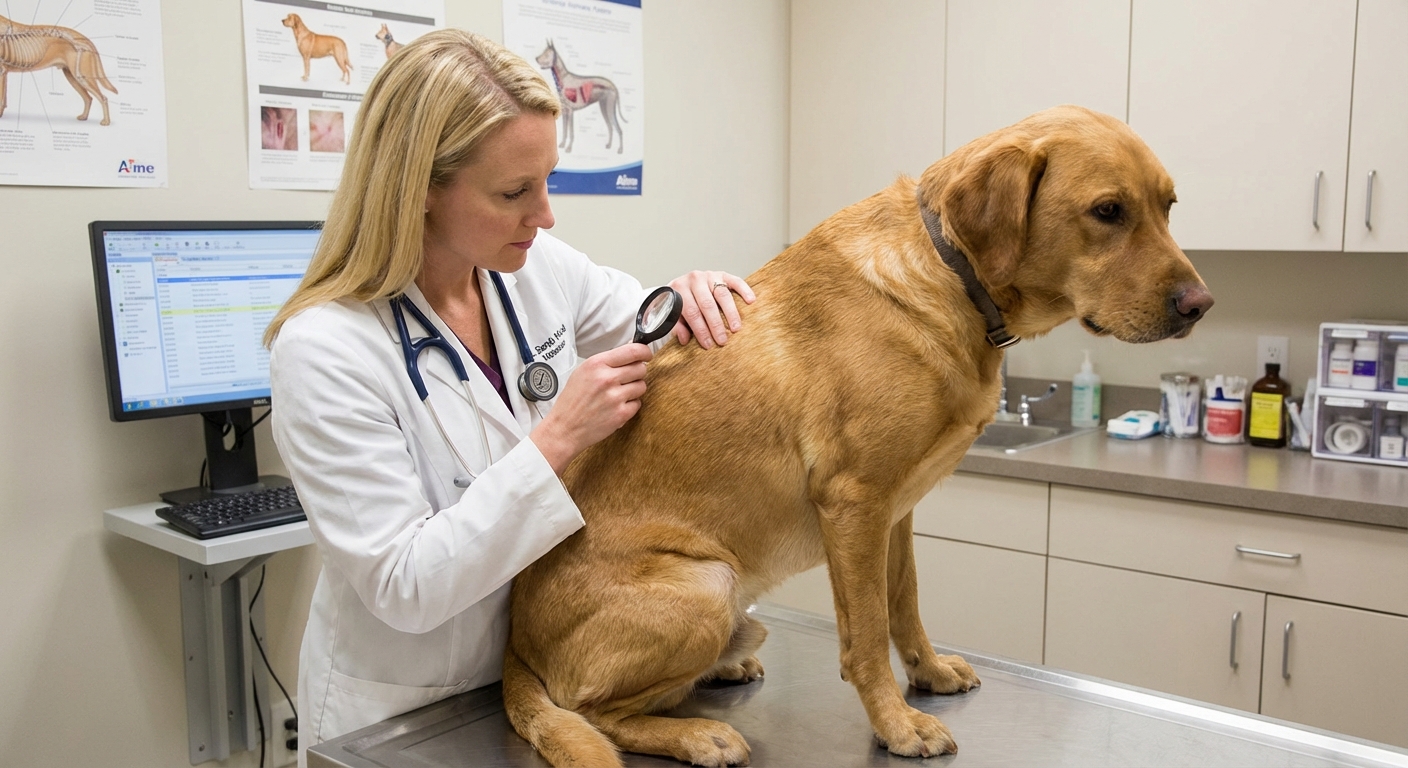
There are times Benadryl can waste precious time or even make things worse. Avoid using it as a DIY fix if:
- Your dog is having trouble breathing, repeated vomiting, collapse, or severe lethargy
- You suspect anaphylaxis (life-threatening allergic reaction)
- There is facial swelling with noisy breathing (stridor), weakness, or pale gums
- Your dog may be at higher risk due to conditions like glaucoma, significant heart disease, urinary retention, prostate disease, or other serious medical issues (confirm with your vet)
- Your dog is pregnant, nursing, very young, or medically fragile
Also, Benadryl is often not strong enough for moderate to severe allergic skin disease. Many dogs do better with modern veterinary allergy medications, medicated shampoos, or targeted treatment plans.
Benadryl dosage for dogs (general guidance)
Many veterinarians commonly use a dose of about 1 mg per pound of body weight per dose. It is often given every 8 to 12 hours, but plenty of clinics lean toward every 12 hours for some dogs due to sedation and individual response. Dosing should be confirmed with your veterinarian, especially if your dog is on other medications or has health conditions.
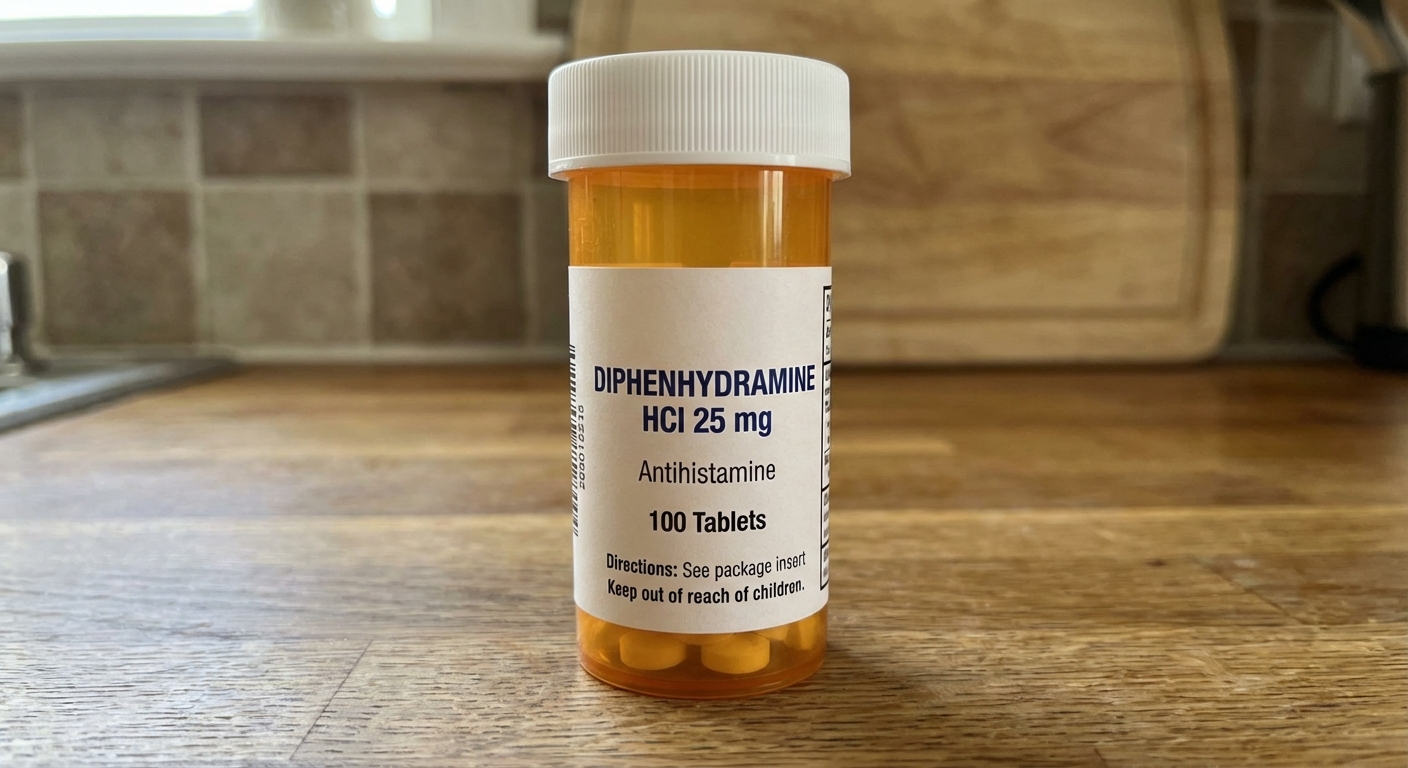
Before you give any dose, confirm the strength on the label. Diphenhydramine commonly comes as 25 mg tablets and 50 mg tablets. Mixing those up is an easy way to accidentally double dose.
Quick examples (not a substitute for vet advice)
- 10 lb dog: about 10 mg per dose
- 25 lb dog: about 25 mg per dose
- 50 lb dog: about 50 mg per dose
Small dogs and giant breeds: tiny dogs often need doses that are hard to measure safely with tablets, and giant breeds may require multiple tablets which increases mistake risk. If you are not sure how to measure the dose exactly, stop and call your vet.
Choose the right product: Plain diphenhydramine only. Avoid multi-symptom products that may include decongestants, pain relievers, or cough medicines.
Always check the label. Some “Benadryl” products contain added ingredients that can be dangerous for dogs.
Which Benadryl forms are safest?
Usually preferred
- Tablets/capsules with only diphenhydramine as the active ingredient
Use caution
- Liquids: can be easier for small dogs, but you must read the full ingredient list. Some liquid medications (including some allergy liquids) may contain xylitol, and some contain alcohol. Both can be dangerous. Measure carefully and avoid any product with xylitol.
- Chewables: confirm every inactive ingredient, especially sweeteners.
Avoid
- Benadryl-D or any product with pseudoephedrine or phenylephrine
- Products with acetaminophen or ibuprofen
- Anything with xylitol (highly toxic to dogs)
- Extended-release forms unless your veterinarian specifically instructs you to use them
Possible side effects and what to watch for
Many dogs tolerate diphenhydramine well, but side effects happen. The most common are:
- Drowsiness or “wobbly” walking
- Dry mouth
- GI upset (drooling, nausea, mild diarrhea)
Less common, but important:
- Excitability or restlessness (some dogs react opposite and get hyper)
- Rapid heart rate
- Urinary retention
What is expected vs concerning: mild sleepiness is common. Profound sedation (hard to wake, very weak, or not acting like themselves) is not.
Call your vet or pet poison support right away if you see severe sedation, agitation, tremors, weakness, vomiting that will not stop, or any breathing concerns.
Interactions to keep in mind
Diphenhydramine can stack sedation with other medications. Always tell your vet if your dog takes anything that can cause drowsiness, such as some pain medications, anti-anxiety meds, seizure meds, sleep aids, or other antihistamines. If your dog is on multiple meds, it is worth a quick call before you add Benadryl.
Care tips for itchy or reactive dogs
If your dog is itchy, swollen, or breaking out in hives, here are supportive steps you can take while you contact your veterinarian:
- Remove the trigger if you can: rinse paws and belly after yard time, stop a new treat, or move away from insects.
- Cool compress on a sting or localized swelling for 5 to 10 minutes at a time.
- Bath for pollen: a gentle, dog-safe shampoo can help remove allergens from the coat.
- Check for fleas: fleas are a top cause of itching, even if you rarely see them.
And if you do use Benadryl with your vet’s approval, give your dog a calm, safe place to rest since drowsiness is common.
Training tips: keeping dogs away from human meds
Accidental ingestion is one of the most common emergencies I see. The best “Benadryl plan” is preventing your dog from self-serving the whole bottle.
Simple, effective habits
- Store all medications in a closed cabinet, not on nightstands or counters.
- Use a lidded container for pill organizers and keep them out of reach.
- Teach “Leave it”: start with treats in your hand, reward disengagement, then progress to safe objects on the floor.
- Teach “Drop it”: trade the object for a high-value reward so your dog happily releases items.
If your dog is a determined counter-surfer, management matters. Use baby gates, keep counters clear, and consider crate training during busy times like guests arriving or meal prep.
When to call the vet now
Get urgent veterinary help if you notice:
- Difficulty breathing, wheezing, or noisy breathing
- Facial swelling that is increasing
- Repeated vomiting or diarrhea, especially with weakness
- Pale gums, collapse, or disorientation
- A known sting or exposure plus rapidly worsening symptoms
- You think your dog got into the bottle, you accidentally double-dosed, or you are unsure of the amount taken
When you call, have your dog’s weight, the exact product name, and the strength (mg) ready. It saves time, and time matters.
The bottom line
Yes, dogs can sometimes take Benadryl, and it can be helpful for mild allergic symptoms when used correctly. But it is not a cure-all, and it is not a substitute for veterinary care when symptoms are severe, rapidly worsening, or recurring.
If you are unsure, call your veterinarian and ask what they recommend for your dog’s size, health history, and current symptoms. A quick phone call can prevent a very long night.