Vomiting or diarrhea can be scary. Learn common causes, vet red flags, and safe at-home steps like hydration and bland meals—plus what not to do and when t...
Article
•
Designer Mixes
Can You Give a Dog Pepto Bismol? Dosage and Safety

Shari Shidate
Designer Mixes contributor
If you have ever watched your dog pace, lick their lips, or rush outside with diarrhea, you know how helpless it can feel. Pepto Bismol is a common human over-the-counter stomach remedy, and many pet parents wonder if it is safe for dogs.
In some cases, veterinarians do use bismuth subsalicylate (the active ingredient in Pepto Bismol) for dogs. But it is not a harmless, universal fix. It can interact with other medications and it is not appropriate for certain dogs and situations. Below is a clear, vet-aligned way to think about when it may help, how dosing is typically calculated, and when you should skip it and call your vet.
Is Pepto Bismol safe for dogs?
Sometimes, for short-term use in otherwise healthy dogs. Many veterinarians will consider Pepto Bismol for mild, uncomplicated diarrhea or mild stomach upset. The key word is mild.
Pepto Bismol contains bismuth subsalicylate. It can coat and soothe the GI tract and has mild anti-inflammatory and anti-secretory effects. The salicylate portion is related to aspirin, which is exactly why it can be risky in some dogs.
Important: Different Pepto products contain different ingredients and different strengths. This article is about Pepto Bismol (bismuth subsalicylate), not “Pepto” generics, combination cold products, or products with extra add-ons.
When Pepto Bismol can help
Pepto Bismol may be helpful when a dog has:
- Mild diarrhea without blood and without significant lethargy
- Mild stomach upset such as nausea, gurgling, or “off” appetite for a short time
- Dietary indiscretion (they got into something unusual) and symptoms are mild
It is generally used as a short-term, symptom-relief option. If the underlying cause is parasites, pancreatitis, a foreign body, poisoning, or infection, Pepto will not fix the problem and can delay proper care.
When NOT to give Pepto Bismol
Skip Pepto and contact your veterinarian if any of these apply:
- Cats: Do not give Pepto to cats unless a veterinarian specifically directs it. Salicylates are higher-risk for cats due to their limited ability to metabolize them.
- Puppies (especially very young): dehydration can happen fast, and diarrhea needs a more cautious approach.
- Pregnant or nursing dogs: avoid unless your veterinarian specifically directs it.
- Dogs on NSAIDs or steroids (examples include carprofen, meloxicam, deracoxib, firocoxib, prednisone): combined GI ulcer and bleeding risk increases.
- Bleeding disorders, clotting problems, or dogs taking blood thinners or antiplatelet medications.
- History of stomach ulcers or GI bleeding.
- Kidney or liver disease, unless your veterinarian says it is OK.
- Allergy or sensitivity to aspirin or salicylates.
- Blood in stool, black tarry stool, or vomiting blood.
- Repeated vomiting, severe diarrhea, collapse, fever, or marked lethargy.
- Bloat signs: unproductive retching, a tight painful abdomen, extreme restlessness. This is an emergency.
- Suspected toxin ingestion (xylitol, grapes/raisins, rodenticides, human meds): call a vet or pet poison hotline right away.
As a veterinary assistant, my rule of thumb is simple: if your dog looks sick overall, not just “tummy upset,” skip the home meds and call your clinic.
Pepto Bismol dosage for dogs
Call your vet first whenever you can. Dosing depends on your dog’s weight, symptoms, and the exact product you bought. Pepto comes in multiple formulations and concentrations.
First, check the strength
This is where people get into trouble.
- Regular Strength liquid Pepto Bismol (US) is typically 262 mg per 15 mL of bismuth subsalicylate (about 17.5 mg/mL).
- Pepto “Ultra” or “Extra Strength” products may be more concentrated (often about 2x). If you use an Ultra product with a Regular Strength mL chart, you can accidentally double-dose.
Bottom line: If the label does not match what the chart assumes, do not use the chart. Ask your veterinarian to convert the dose for your specific bottle.
Typical vet-style dosing range
Veterinary references commonly list bismuth subsalicylate dosing in dogs in the ballpark of 1 to 2 mL per kg by mouth every 6 to 8 hours for short-term use. That is approximately 0.5 to 1 mL per pound.
Use the lower end if you are unsure, and avoid using it longer than 24 hours without veterinary guidance (that is usually no more than 3 to 4 doses, depending on the schedule). If diarrhea continues, your dog needs a real plan, not just symptom coverage.
Quick dosage chart (liquid)
Chart below uses 0.5 mL per lb (a conservative starting dose) and assumes Regular Strength liquid (typically 262 mg per 15 mL).
- 5 lb: 2.5 mL
- 10 lb: 5 mL (1 teaspoon)
- 15 lb: 7.5 mL (1.5 teaspoons)
- 20 lb: 10 mL (2 teaspoons)
- 25 lb: 12.5 mL (2.5 teaspoons)
- 30 lb: 15 mL (1 tablespoon)
- 40 lb: 20 mL
- 50 lb: 25 mL
- 60 lb: 30 mL
- 70 lb: 35 mL
- 80 lb: 40 mL
- 90 lb: 45 mL
- 100 lb: 50 mL
Measuring tips
- 1 teaspoon (tsp) = 5 mL
- 1 tablespoon (Tbsp) = 15 mL
- A dosing syringe is more accurate and less messy than a spoon.
Quick safety note: Pepto can turn stool black and may darken the tongue. That can look like melena (digested blood). If your dog seems weak, is vomiting, will not eat, has pale gums, or the black stool persists, contact your vet.
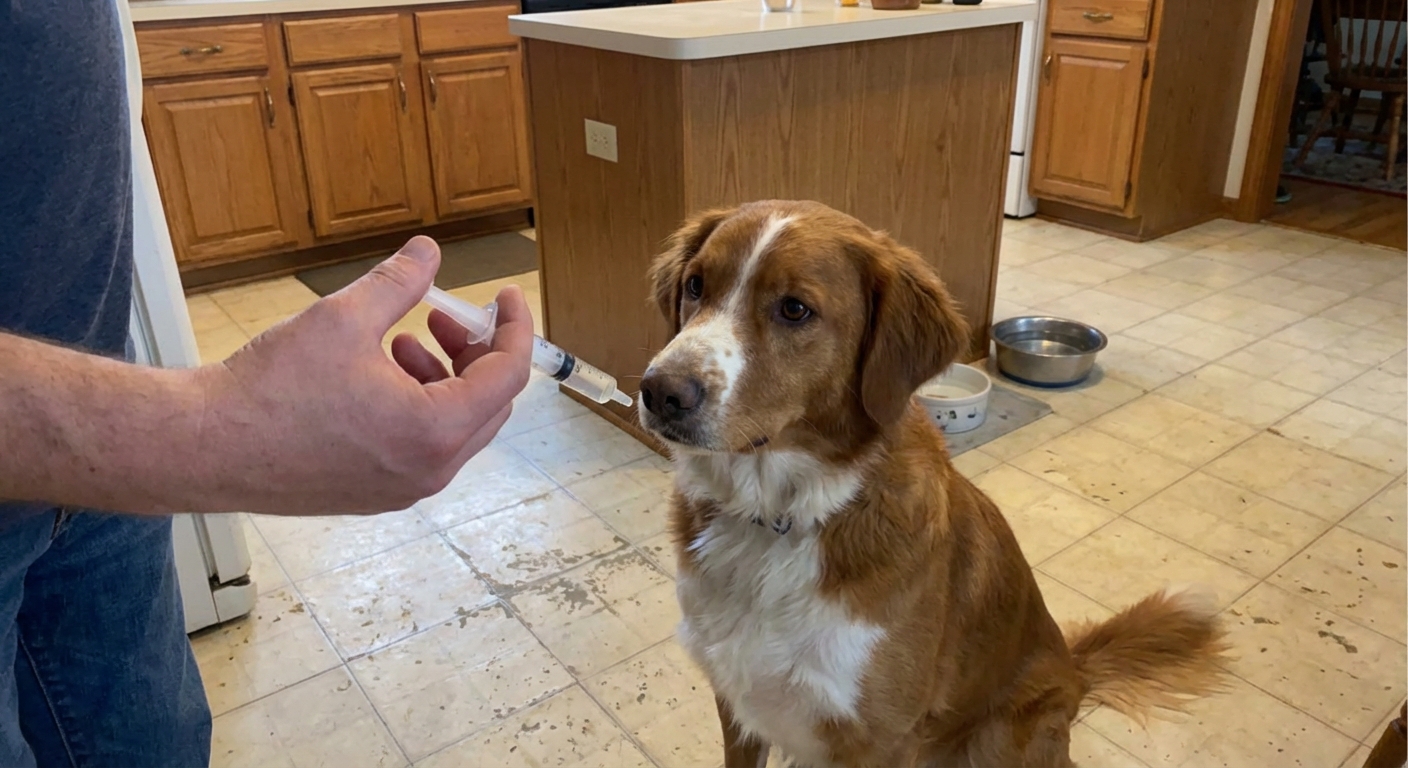
Tablets vs liquid
For most dogs, liquid is easier to dose accurately based on weight. Tablets can be challenging to split precisely, and flavored chewables can contain extra ingredients that are not ideal for some dogs.
If you only have tablets, call your veterinarian for help converting the dose because tablet strength varies by product.
Side effects and what to watch for
Some effects are expected, while others are red flags.
Common or expected
- Dark stool (bismuth can darken stools and sometimes the tongue)
- Mild constipation
- Mild nausea in some dogs
Stop and call your vet
- Vomiting that continues or your dog cannot keep water down
- Diarrhea that worsens or lasts over 24 hours
- Blood in stool or black tarry stool, especially if your dog seems ill overall
- Weakness, pale gums, collapse
- Restlessness, panting, tremors, abnormal breathing or other concerning neurologic signs
Because Pepto contains a salicylate, toxicity and GI ulceration are possible, especially with higher doses, prolonged use, or when combined with NSAIDs, steroids, or blood thinners.
When diarrhea is an emergency
Even “just diarrhea” can become serious fast, especially in small dogs. Seek urgent veterinary care if your dog has:
- Diarrhea with repeated vomiting
- Bloody stool or black tarry stool
- Dehydration (dry gums, sunken eyes, weakness)
- A swollen or painful abdomen
- Diarrhea in a very young puppy, senior dog, or a dog with chronic disease (kidney, liver, diabetes, Addison’s)
- Possible contagious viral illness (for example, parvovirus risk in an unvaccinated puppy)
Safer alternatives to try first
For many dogs with mild stomach upset, these are often better first steps than reaching for Pepto:
1) Hydration and a short rest
- Offer small, frequent sips of water.
- Ask your vet about an electrolyte solution if your dog is having diarrhea.
2) Bland diet (short term)
A common vet-recommended option for 1 to 3 days is:
- Boiled chicken breast (no skin, no seasoning) and
- Plain white rice
Feed small meals and gradually transition back to regular food once stools normalize. If your dog has a history of pancreatitis, ask your vet before doing any diet change.
3) Probiotics made for dogs
Veterinary probiotics can be very helpful for uncomplicated diarrhea. Look for products formulated for dogs, and follow the label instructions or your veterinarian’s advice.
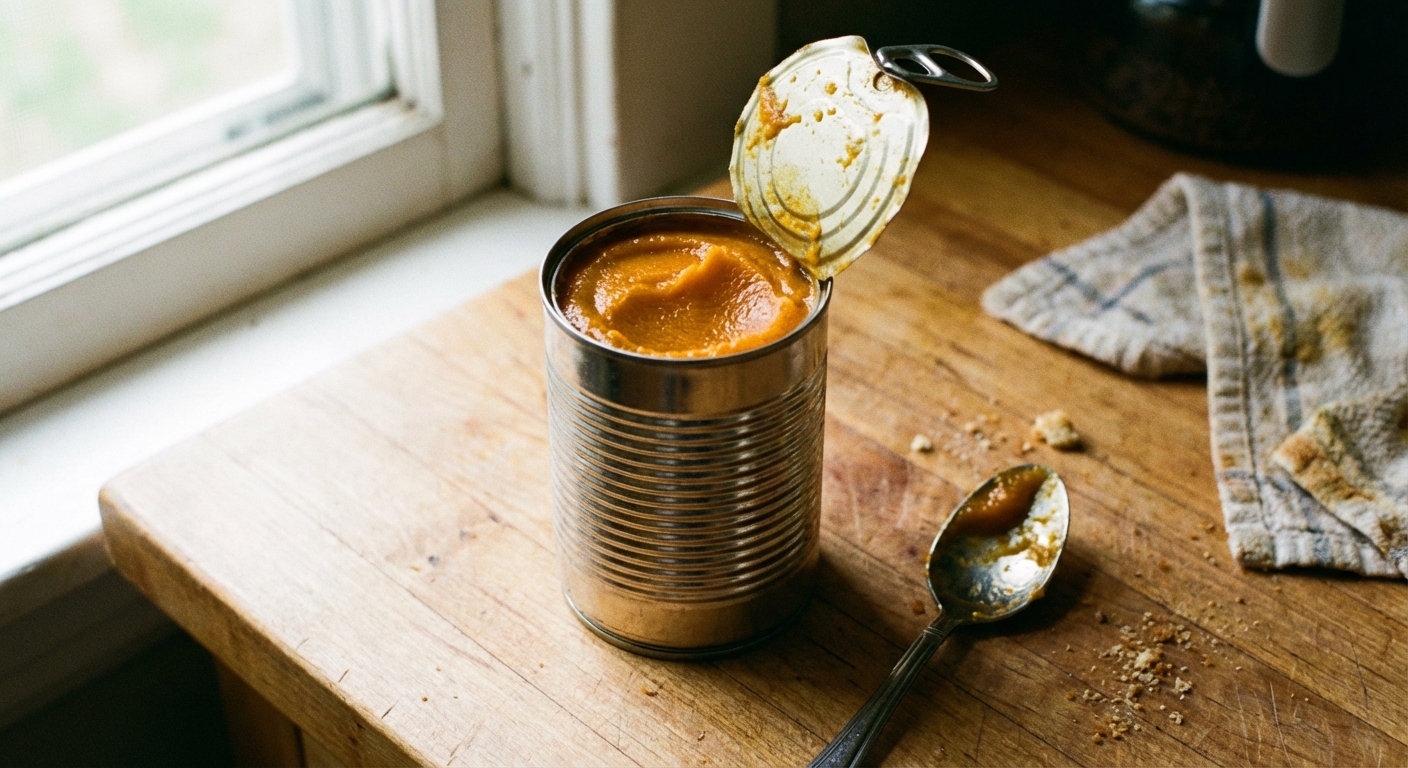
4) Pumpkin (plain)
Plain canned pumpkin (not pumpkin pie filling) can help some dogs by adding gentle soluble fiber. Use a small amount and stop if symptoms worsen.
Pepto Bismol FAQ
How long does Pepto take to work in dogs?
Some dogs improve within a few hours. If there is no improvement after a dose or two, or symptoms worsen, stop and call your veterinarian.
Can I give Pepto with other medications?
Be cautious. Because of the salicylate component, do not combine it with NSAIDs, steroids, or blood-thinning medications unless your veterinarian specifically approves it. Also, Pepto can interfere with some lab tests, so tell your vet if you have given it recently.
Why is my dog’s poop black after Pepto?
Bismuth can darken stool. However, black tarry stool can also signal GI bleeding. If your dog is weak, vomiting, not eating, has pale gums, or the black stool persists, contact your vet.
The bottom line
Yes, some dogs can take Pepto Bismol short-term for mild stomach upset or diarrhea, and dosing is typically based on weight. But because it contains a salicylate and comes in multiple strengths, it is not the best option for every dog.
If you are unsure, call your veterinarian and describe your dog’s symptoms, age, weight, current meds, and any health conditions. In my experience, that quick phone call saves a lot of worry and can prevent a simple stomach issue from turning into something much bigger.