Vet-assistant guide to supportive “caring food” for dog diarrhea: bland chicken and rice, pumpkin for fiber, probiotics, hydration, safe portions, and re...
Article
•
Designer Mixes
Can You Give a Dog Imodium?

Shari Shidate
Designer Mixes contributor
As a veterinary assistant here in Frisco, Texas, I get this question a lot: Can I give my dog Imodium for diarrhea? Sometimes, yes. But only in the right dog, at the right dose, and for the right reason. Diarrhea can be something simple like a diet change or stress, but it can also be an emergency, especially in puppies, seniors, and small dogs.
This article walks you through the evidence-based facts every owner should know, including when Imodium (loperamide) can help, when it can be dangerous, and what to do instead.

What Imodium Is and How It Works
Imodium is the brand name for loperamide, an anti-diarrheal medication used in people and sometimes in dogs.
- It slows down intestinal movement, which can reduce urgency and help stools become more formed.
- It may reduce intestinal secretion, which can help decrease watery stools.
- It does not treat the cause of diarrhea, such as parasites, toxins, infections, pancreatitis, food intolerance, Addison’s disease, or foreign bodies.
That last point is the big one. If the diarrhea is your dog’s way of flushing out something harmful, stopping it too early can backfire.
When Imodium Might Help
Veterinarians sometimes recommend loperamide for short-term, uncomplicated diarrhea in otherwise healthy adult dogs.
Imodium may be considered when
- Your dog is a healthy adult and acting mostly normal.
- Diarrhea is mild and your dog is still drinking water.
- There is no vomiting or it was a single, mild episode that resolved.
- There is no blood (red blood or black, tarry stool).
- There is no known exposure to toxins or chance of a foreign object being eaten.
- Your dog is not on medications that could interact.
Important: Even in these cases, I recommend calling your vet first. Many clinics can advise you quickly based on your dog’s weight, breed, and symptoms.

When NOT to Use Imodium
There are situations where Imodium can be risky or even life-threatening.
Do not give Imodium if your dog has
- Bloody diarrhea (bright red) or black, tarry stools
- Repeated vomiting, severe lethargy, fever, or obvious abdominal pain
- Suspected toxin exposure (human meds, xylitol, THC, rodent poison, etc.)
- Suspected foreign body (toy, sock, corn cob, bone pieces)
- Known infectious diarrhea (parvo risk, kennel outbreaks) unless a vet directs you
- Constipation or a history of constipation
- Liver disease or other serious chronic illness unless your vet approves
- A very small or toy-breed dog unless your vet specifically directs you (dosing errors happen easily)
Do not use in cats
If you have a multi-pet household, keep in mind that you should not give Imodium to cats unless a veterinarian specifically instructs you to. Cats are more sensitive to many medications, and you can do harm by guessing.
Breed warning: MDR1 (ABCB1) sensitivity
Some dogs have a genetic mutation called MDR1 (also known as ABCB1-1Δ) that can allow certain drugs, including loperamide, to cross into the brain. This can cause serious neurologic side effects.
Breeds commonly associated include:
- Collies
- Australian Shepherds
- Miniature American Shepherds
- Shetland Sheepdogs
- English Shepherds
- Old English Sheepdogs
- Longhaired Whippets
- Border Collies (less common, but possible)
- German Shepherds (occasionally affected)
- Many herding breed mixes
If your dog is a herding breed or mix, please do not guess. Ask your vet about MDR1 risk and consider genetic testing if you are unsure. Also remember that any mix can carry the mutation if there is herding-breed ancestry.
Interactions to Know About
Loperamide is not a good DIY medication partly because drug interactions can increase side effects, including sedation and neurologic signs. Call your vet if your dog takes any prescriptions or preventives.
Examples of medications that can raise risk include (not a complete list):
- Some antibiotics, including certain macrolides
- Some antifungals, including azole antifungals
- Sedatives and other CNS-depressing drugs
- Some antiparasitics and other drugs affected by P-glycoprotein
Your clinic can quickly check your dog’s medication list for red flags.
Side Effects and Overdose Signs
Even in dogs who can safely take it, Imodium can cause side effects.
Common side effects
- Constipation
- Gas and bloating
- Sedation or mild lethargy
Serious side effects (seek urgent veterinary care)
- Marked sedation, weakness, or unsteadiness
- Pinpoint pupils or abnormal mental status
- Slow breathing
- Tremors or seizures
- Severe abdominal swelling or pain
If you suspect an overdose or a bad reaction, contact your veterinarian, an emergency hospital, or a pet poison helpline right away.
Imodium Dosing and Products
Owners often want a simple “per pound” answer, but safe dosing depends on your dog’s weight, age, medical history, breed risk, and what else they take. Over-the-counter products also differ in strength, and some include added ingredients.
Please do not use this article as a substitute for veterinary dosing instructions. Call your veterinarian before giving Imodium. If your vet approves it, follow their exact dose and duration guidance.
A few safety rules
- Use only plain loperamide if your vet okays it. Avoid multi-symptom or combination products unless your vet tells you exactly what to buy.
- Do not “stack” diarrhea meds. For example, do not combine loperamide with other anti-diarrheals without vet direction.
- Keep the course short. If your dog is not improving within 12 to 24 hours, or is worsening at any point, stop and seek veterinary care.
If you are standing in the pharmacy aisle unsure which box is safe, this is a good moment to call your vet’s office. It can save you a scary mistake.
Safer First Steps for Mild Diarrhea
If your dog is bright, alert, and the diarrhea is mild, many vets recommend supportive care first.
1) Hydration first
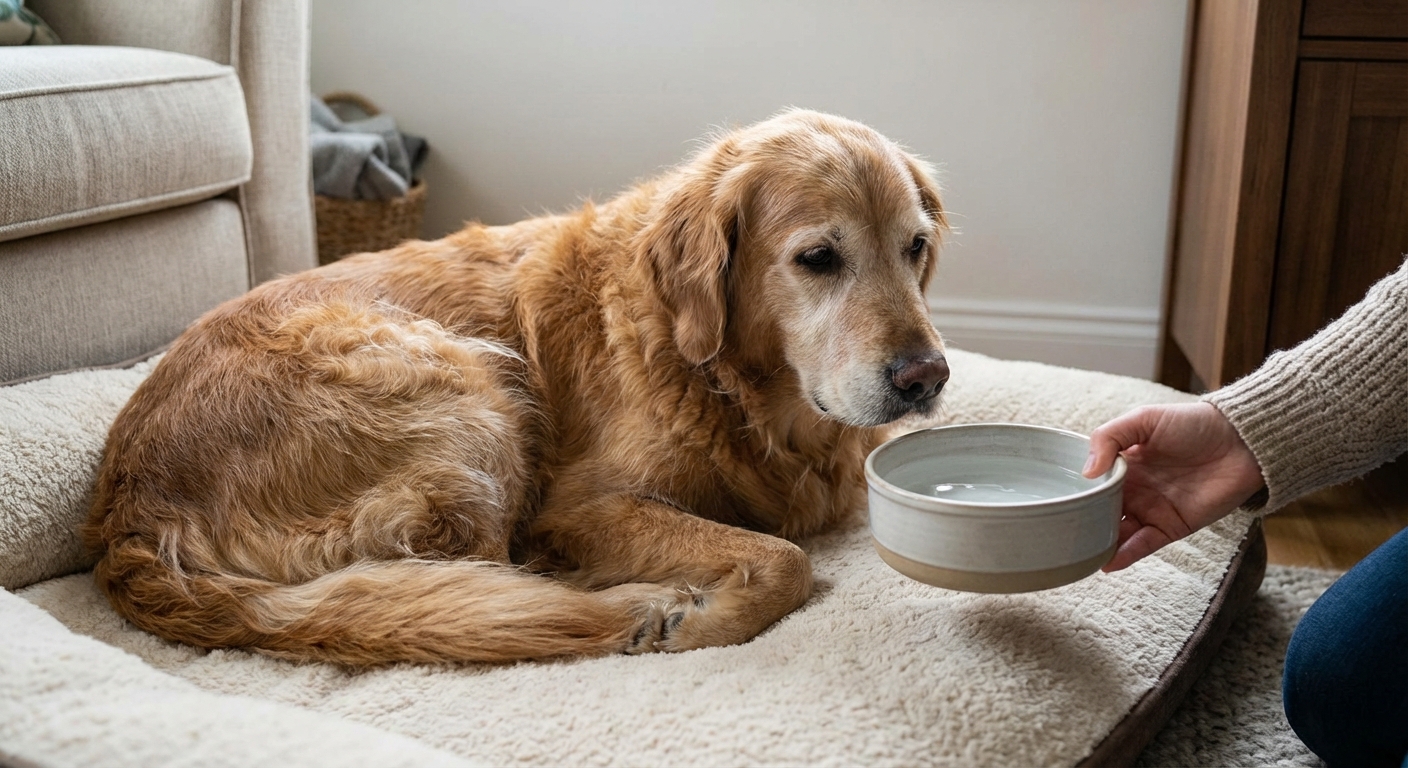
- Offer fresh water at all times.
- Call your vet promptly if your dog will not drink, seems weak, or is very small or very young.
2) Gentle food (if your vet says it fits)
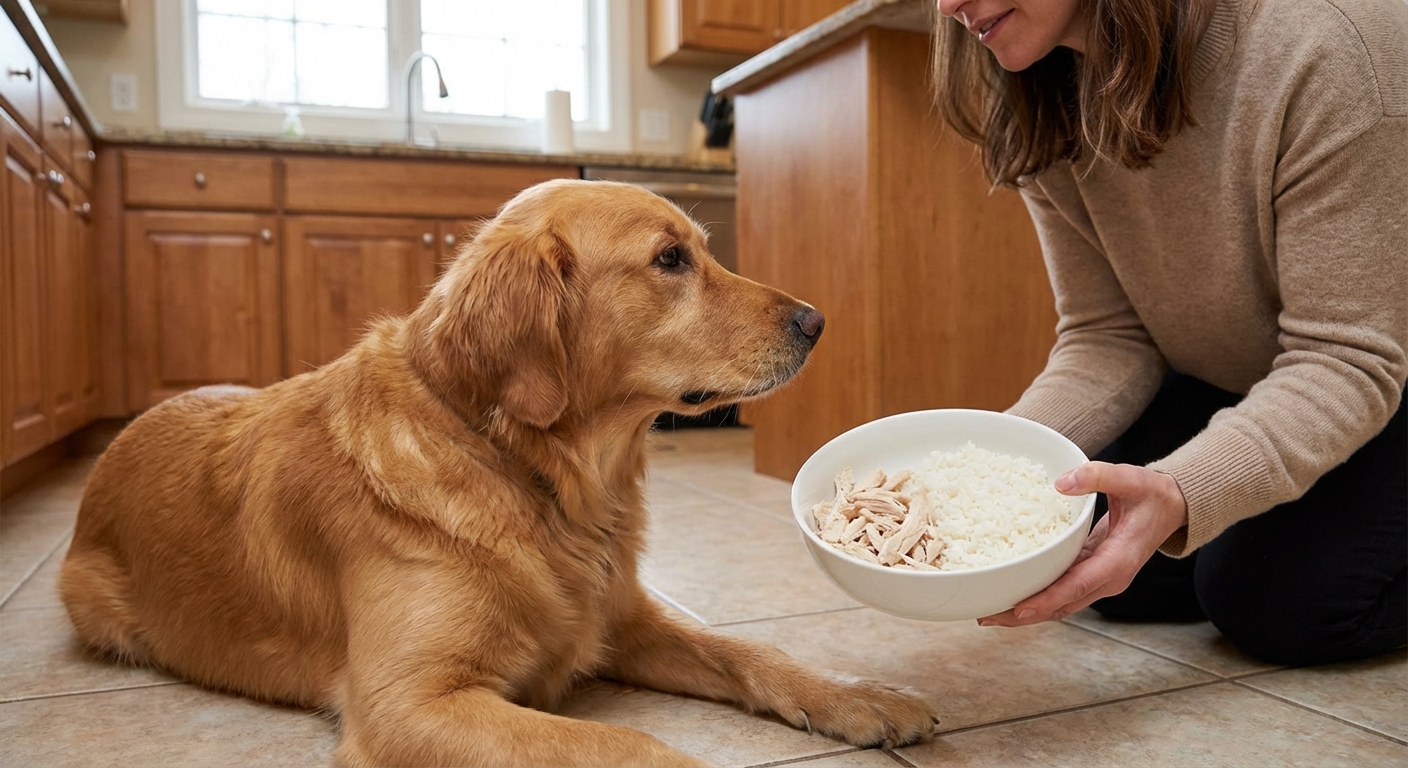
A bland diet for a short period can help many dogs. Common vet-approved options include:
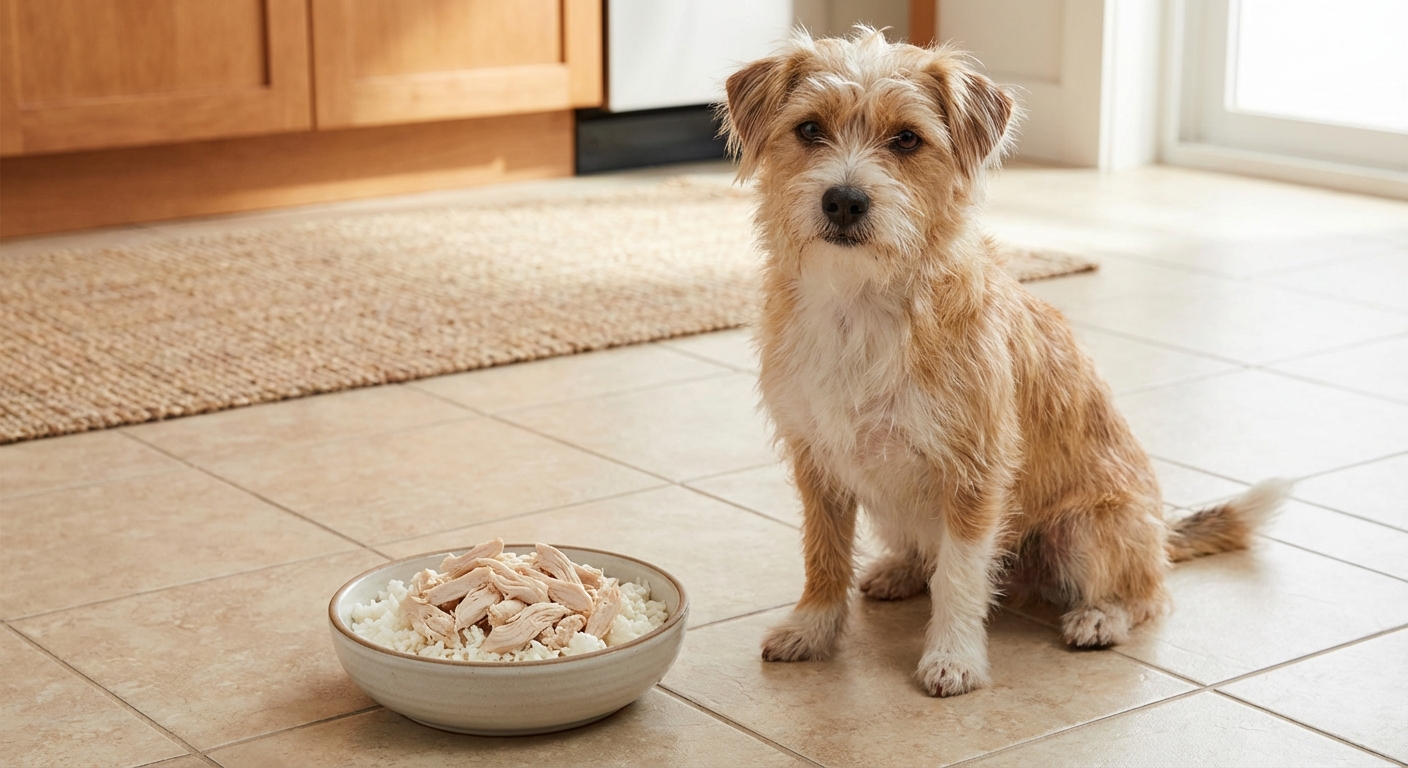
- Boiled, skinless chicken and white rice
- Lean turkey and rice
- A veterinary gastrointestinal diet
Avoid fatty foods and rich treats during recovery.
3) Ask about probiotics
Veterinary probiotics can help restore a healthier gut balance during diarrhea episodes. Not all human probiotics are appropriate, so ask your clinic for a brand they trust.
4) Fiber, with guidance
Plain canned pumpkin (not pie filling) is sometimes recommended for mild diarrhea because it adds soluble fiber, but dosing depends on size and symptoms.
5) What to monitor at home
- Stool frequency and volume: Is it slowing down or getting worse?
- Hydration: Are gums moist? Is your dog still drinking? Is urination normal?
- Energy and appetite: Bright and hungry is reassuring. Weak, painful, or refusing food is not.
- Vomiting: New or repeated vomiting is a big reason to call or go in.

When Diarrhea Is an Emergency
Here’s the rule I use in clinic: if you feel that uneasy feeling in your gut, trust it. Get help sooner rather than later.
Go to the vet urgently if
- Your dog is a puppy, senior, or has a chronic condition
- Diarrhea is profuse or happening very frequently
- There is blood or the stool is black and tar-like
- There is repeated vomiting
- Your dog is weak, painful, bloated, or collapses
- You suspect parvo (especially in unvaccinated puppies)
- Symptoms last more than 24 hours in a typical adult dog
Dehydration can happen quickly, and it can become dangerous.
What Your Vet May Recommend
Depending on the cause, your veterinarian may recommend:
- Fecal testing for parasites like giardia and worms
- Prescription probiotics and gastrointestinal diets
- Anti-nausea medication if vomiting is present
- De-worming even if you do not see worms
- Fluids for dehydration
- Antibiotics only when truly indicated
- X-rays or ultrasound if a foreign body is suspected
Sometimes diarrhea is “just diarrhea,” but sometimes it is your dog waving a big red flag that something else is going on.
Bottom Line
Yes, some dogs can take Imodium, but it is not a safe blanket remedy for every case. The biggest risks are giving it to the wrong dog (especially MDR1-sensitive breeds), masking a serious illness, or delaying proper treatment.
If your dog has mild diarrhea and is otherwise acting normal, call your veterinarian and ask whether supportive care, probiotics, or a short-term medication is best. You do not have to figure it out alone.