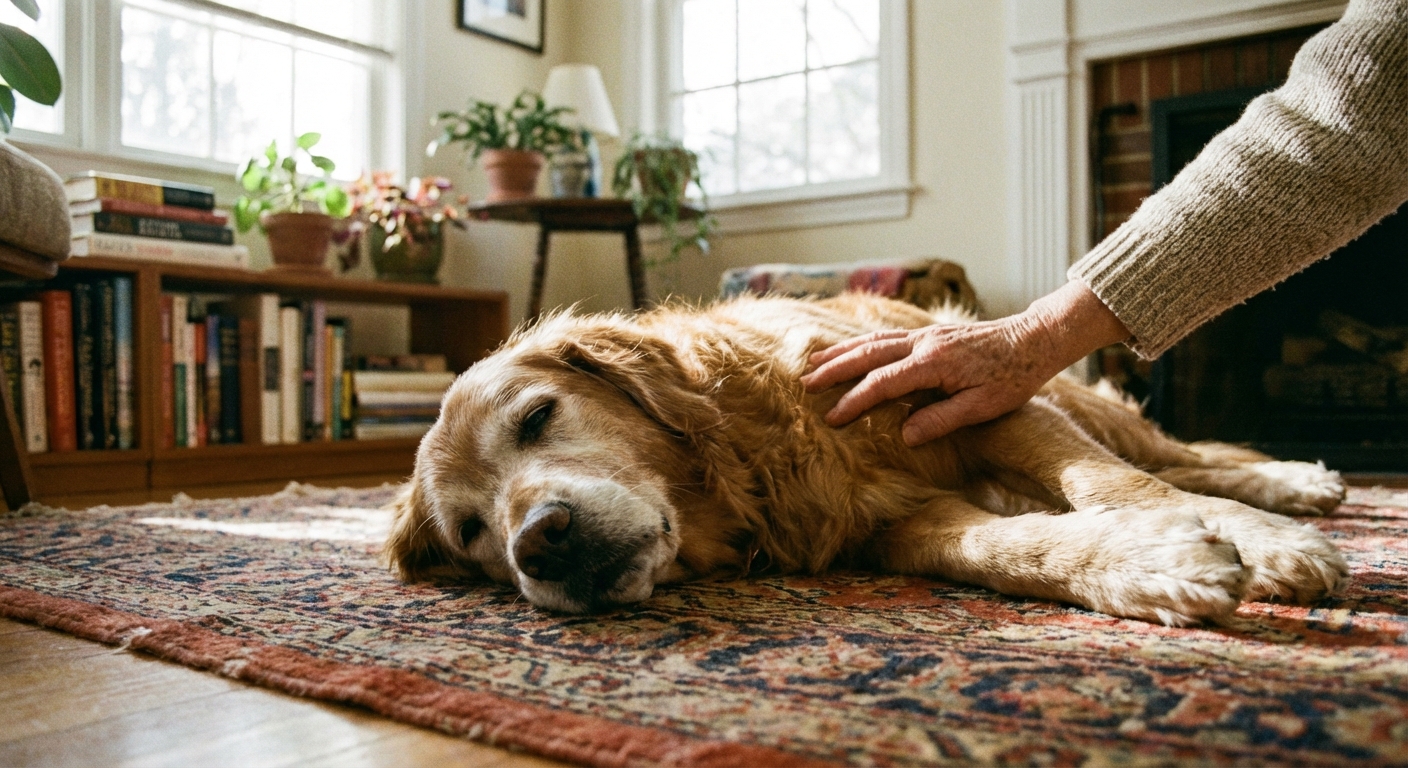
Vet assistant guide to Benadryl (diphenhydramine) for dogs: the 1 mg/lb dosing rule, how often to give it, which products to avoid, side effects, and emergen...
Article
•
Designer Mixes
Can I Give My Dog Benadryl for Pain?

Shari Shidate
Designer Mixes contributor
As a veterinary assistant in Frisco, Texas, I hear this question all the time: “Can I give my dog Benadryl for pain?” It is such a relatable instinct. Benadryl is common in many households, and we want to help our dogs fast.
But here is the most important takeaway up front: Benadryl (diphenhydramine) is an antihistamine, not a pain medication. It may make some dogs sleepy and seem “more comfortable,” but it does not treat pain or inflammation the way true pain relievers do. In some situations, using it can delay proper care.
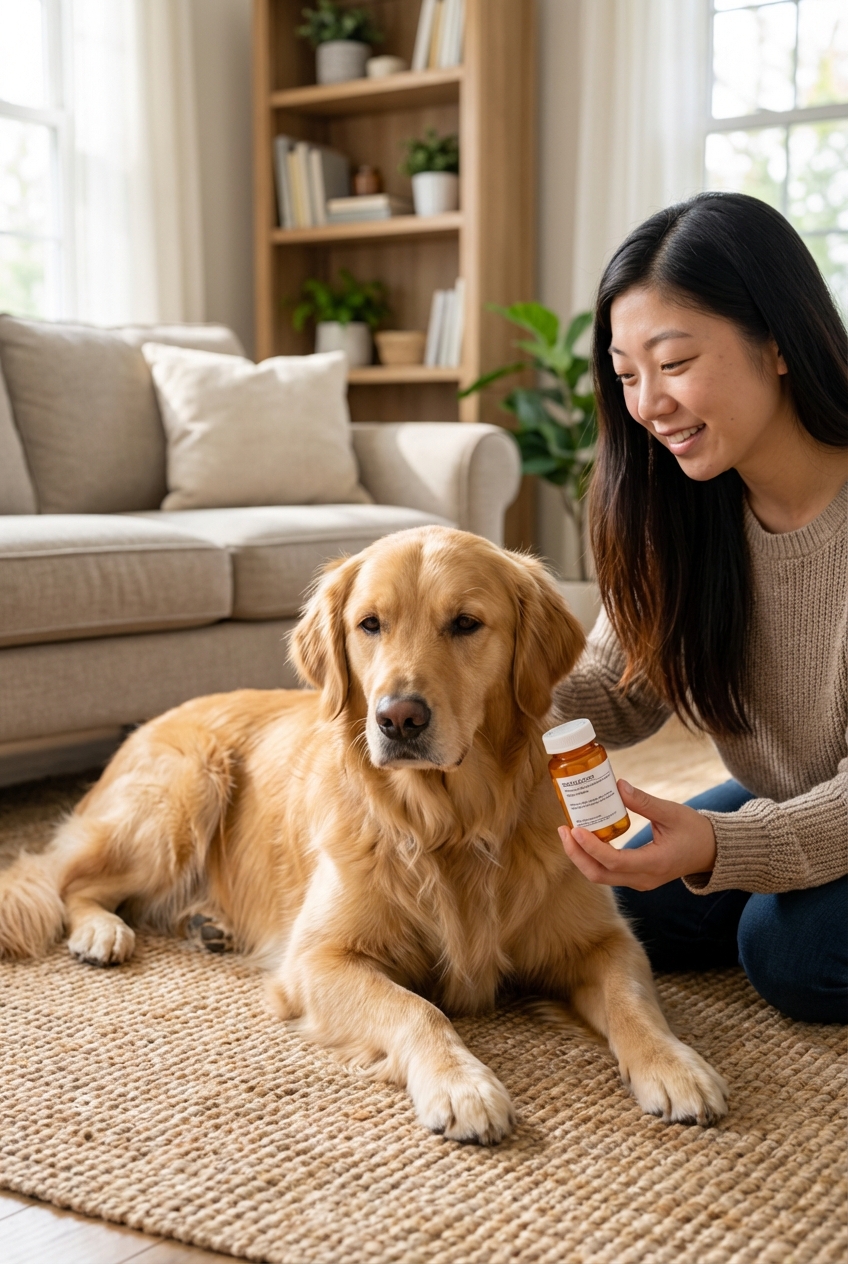
Benadryl basics
- Usually used for: mild allergy signs like itching, hives, or mild swelling (with veterinary guidance)
- Not for: limping, injuries, arthritis flares, dental pain, belly pain, or other illness-related pain
- Call a vet urgently if: breathing changes, collapse, severe facial swelling, widespread hives, or repeated vomiting
What Benadryl does
Benadryl works mainly by blocking H1 histamine receptors. Histamine is one of the chemicals the body releases during allergic reactions. In dogs, diphenhydramine is most commonly used under veterinary guidance for:
- Mild allergy symptoms like itching, hives, or mild swelling
- Insect bites or stings with mild facial puffiness
- Some vaccine reactions (only with veterinary direction)
- Sometimes for mild motion sickness (your vet may prefer other options depending on your dog)
What it does not do well: reduce joint inflammation, treat injuries, relieve dental pain, or address internal pain. If your dog is limping, yelping, panting at rest, hunched, or unwilling to eat, those are signs you need a plan that targets the cause, not just sleepiness.
Why it can seem to help
Benadryl often causes sedation. A sleepy dog may move less and seem calmer. That can look like pain relief, but it is usually just reduced activity and fewer visible signs.
This matters because sedation can reduce visible symptoms while the underlying problem progresses. If your dog has serious pain or illness, you do not want to lose time. (For example, bloat is its own emergency. If you see a swollen belly, unproductive retching, restlessness, or rapid decline, go in immediately.)
When Benadryl might fit
Benadryl can be a reasonable option when your dog’s discomfort is clearly tied to mild allergy symptoms. Examples include:
- Itchy skin after being in grass or weeds
- Small hives
- Mild swelling after a bug bite
If your dog has trouble breathing, collapse, severe facial swelling, widespread hives, or repeated vomiting, skip home treatment and seek urgent veterinary care immediately. Vomiting by itself can happen for many reasons, but vomiting plus swelling, weakness, or breathing changes is especially concerning.
Benadryl dose (general)
Many veterinarians use a general rule of thumb for plain diphenhydramine of:
About 1 mg per pound of body weight by mouth.
How often to give it (and whether it is appropriate at all) depends on the case. Frequency is commonly in the 8 to 12 hour range, but your veterinarian may choose a different schedule, a different dose, or a different medication based on your dog’s age, other medications, and health conditions. If your publication needs strict precision, the safest statement is: use the dose and schedule your vet provides.
Use the right product
- Use plain diphenhydramine only.
- Avoid combination products (for example “Benadryl-D” which often contains pseudoephedrine). These can be dangerous for dogs.
- Be cautious with liquids. Check inactive ingredients carefully. Some formulations may contain ingredients like xylitol, alcohol, or other additives, and liquid dosing is easier to get wrong.
Timing can vary, but many dogs show effects (like drowsiness) within about 1 hour.

When not to use it
Always call your veterinarian first if any of the following apply. Benadryl may be inappropriate or require extra caution in dogs with:
- Glaucoma
- Heart disease or high blood pressure
- Prostate enlargement or urinary retention issues
- Seizure history
- Liver disease
- Pregnancy or nursing
Also use caution if your dog is taking other medications that cause drowsiness or have anticholinergic effects. Some dogs are very sensitive to sedation, especially small dogs, seniors, and dogs with airway issues. If your dog gets overly sedated, there is also a risk of poor coordination and, in rare situations, aspiration if they vomit and cannot protect their airway.
Side effects and overdose signs
Many dogs do fine with diphenhydramine, but side effects can happen. Contact your vet if you notice:
- Extreme sedation or trouble waking up
- Paradoxical excitement (restlessness, pacing, agitation)
- Dry mouth, drooling, or vomiting
- Diarrhea
- Fast heart rate
- Difficulty urinating
Possible overdose red flags can include severe agitation, tremors, very fast heart rate, disorientation, or collapse. If you suspect an overdose or your dog is struggling to breathe, seek emergency care right away. You can also contact a pet poison control resource for guidance if your vet is not immediately available.
Better options for pain
If your dog is in pain, the safest path is to talk to your veterinarian about dog-specific pain control and treatment of the underlying cause. Common veterinary options include:
- NSAIDs made for dogs (for inflammation and orthopedic pain)
- Prescription pain relievers based on the type and severity of pain
- Root-cause treatment (ear medication for ear infections, dental care for tooth pain, wound care, and so on)
Do not use human pain meds
Many “normal” human pain medications can seriously harm dogs unless a veterinarian specifically instructs you, including:
- Ibuprofen
- Naproxen
- Acetaminophen
- Aspirin (sometimes used in limited cases, but only with vet direction)
These can cause stomach ulcers, kidney damage, liver damage, and dangerous bleeding.

Pain or allergies?
Here are a few quick clues. These are not a diagnosis, but they can help you decide what to do next.
More like allergies
- Itching, licking paws
- Red skin, mild hives
- Watery eyes, sneezing
- Symptoms started after being outdoors or after a new food or treat
More like pain or illness
- Limping, yelping, reluctance to jump
- Panting at rest, shaking, tense belly
- Hiding, sudden irritability
- Not eating, vomiting, diarrhea
- Whining when picked up
If you are unsure, it is always okay to call your vet and describe the symptoms. A quick conversation can prevent a long night of worry.
What to do now
- If breathing is affected, swelling is severe, your dog is collapsing, or you see repeated vomiting with other concerning signs: go to an emergency vet immediately.
- If signs point to allergies and your dog is otherwise normal: call your vet to confirm whether plain diphenhydramine is appropriate and get an exact dose and schedule.
- If signs point to pain or illness: skip Benadryl and schedule a vet visit. Ask about dog-safe pain relief options.
- If you already gave Benadryl and your dog seems worse: call your veterinarian or a pet poison control resource right away.
FAQs
Can Benadryl reduce inflammation?
Not in the way pain medications do. It can reduce allergy-related itch and swelling by blocking histamine signaling, but it does not meaningfully treat inflammatory pain from injuries, arthritis, or dental disease.
Is children’s Benadryl okay for dogs?
It depends on the exact product. Some liquid forms include inactive ingredients that may not be safe for dogs, and dosing liquids accurately is tricky. Always check the ingredient list and confirm the product and dose with your veterinarian.
My dog is itchy and also limping. Should I try Benadryl?
Itch could be allergies, but limping suggests pain or injury. I would call your vet first. Your dog may need an exam to rule out a paw injury, sprain, thorn, bite, or infection.
Bottom line
Benadryl is not a pain reliever for dogs. It can be helpful for mild allergies under veterinary guidance, but it should not be used as a substitute for real pain management. If your dog is acting painful, the kindest and safest next step is to get the cause checked and treat it directly.
When you call your vet, it helps to have ready: your dog’s weight, age, current symptoms, any medications or supplements, and any health conditions.