
Vet-assistant tips to ease dog allergy itch safely at home: rinses, oatmeal baths, omega-3s, cool compresses, and lick prevention—plus remedies to avoid an...
Article
•
Designer Mixes
Can I Give a Dog Benadryl for Itching?

Shari Shidate
Designer Mixes contributor
If your dog is chewing, scratching, or licking nonstop, it is completely natural to reach for what works in your own medicine cabinet. Benadryl is one of the most common human medications pet parents ask about, especially for itchy skin and seasonal allergies.
As a veterinary assistant, I can tell you this: Benadryl can be appropriate for some dogs, but it is not always the right choice, and it is not a cure for every itch. The safest path is to understand what Benadryl does, what it cannot do, and when you need your veterinarian involved.

What Benadryl is and why vets use it
Benadryl is the brand name for diphenhydramine, an antihistamine. Histamine is a chemical released during allergic reactions, and it can contribute to symptoms like itching, hives, and swelling.
Veterinarians may recommend diphenhydramine for certain dogs with:
- Mild allergy symptoms (seasonal itchiness, mild skin irritation)
- Hives or facial swelling from an allergic trigger
- Insect bites or stings (in some cases)
- Motion sickness (sometimes used for its sedating effect, and only when your vet recommends it)
Fun fact: Diphenhydramine tends to make many dogs become sleepy, which is why some people think it is “working” even when the underlying itch is still there. Less scratching can simply be sedation, not true symptom control.
Also, many itchy dogs with moderate to severe environmental allergies (often called atopic dermatitis) do better with newer veterinary allergy options. Your veterinarian can tell you what makes the most sense for your dog.
When Benadryl is not the best answer
Itching is a symptom, not a diagnosis. If the itching is driven by something other than histamine, Benadryl may do little or nothing.
Common itch causes that often need different treatment include:
- Fleas (even one bite can trigger intense itching, especially with flea allergy dermatitis)
- Skin infections (bacterial or yeast, often needs prescription medication)
- Mites (like sarcoptic mange, very itchy and contagious)
- Hot spots (moist dermatitis that can spread quickly)
- Food sensitivities (often itch that is year-round, plus ear issues or licking paws)
- Environmental allergies that are moderate to severe (often needs a targeted plan)
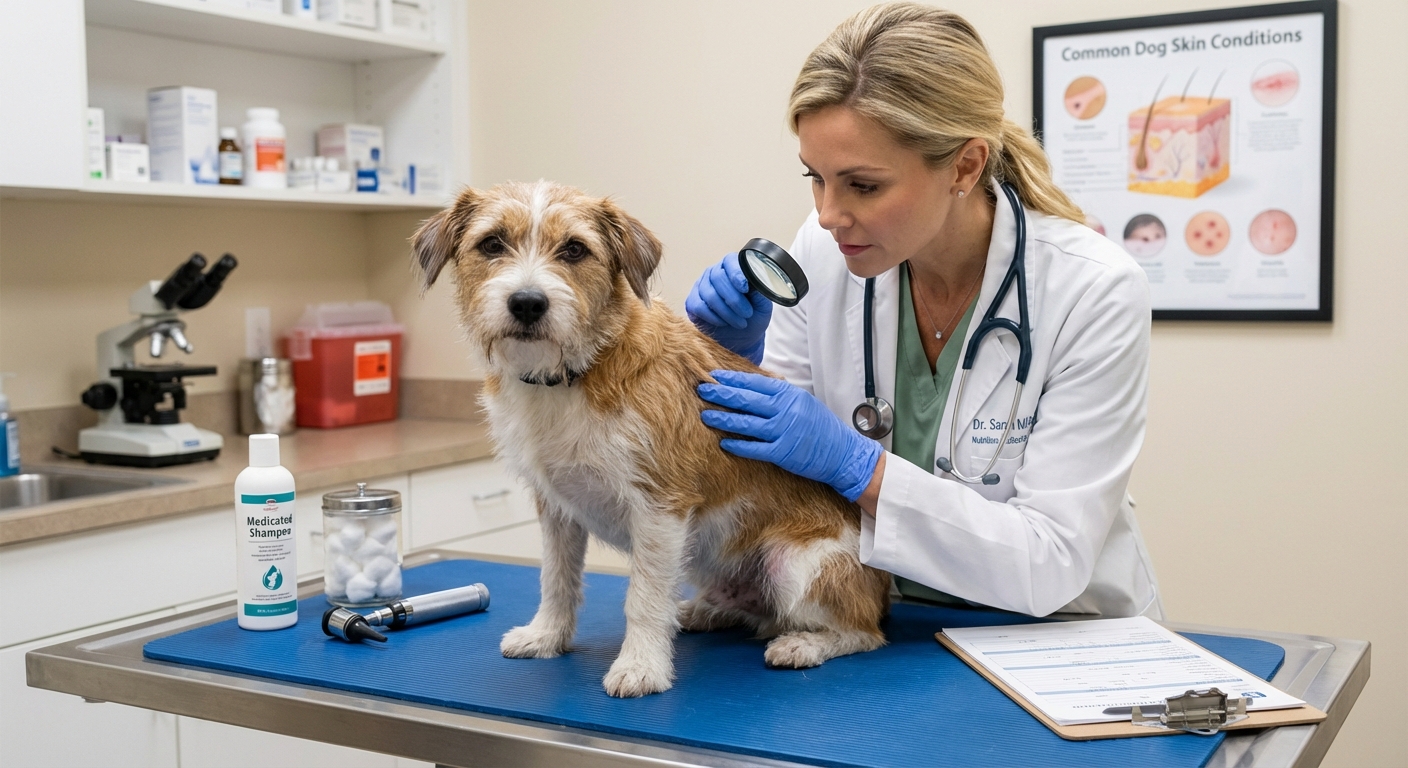
If your dog has a strong odor, greasy coat, red thickened skin, recurring ear infections, or constant paw licking, Benadryl alone is rarely enough.
Benadryl safety basics
Only your veterinarian can tell you whether Benadryl is appropriate for your specific dog, because safety depends on your dog’s health history, current medications, and the exact product you are using.
Important: Do not guess at dosing or frequency. Call your veterinarian for instructions, especially if your dog is very small, very young, senior, pregnant, or has any ongoing medical conditions.
Product matters
Many “Benadryl” products are not plain diphenhydramine. Some contain added ingredients that can be dangerous for dogs.
- Avoid multi-symptom formulas (especially those with decongestants like pseudoephedrine or phenylephrine).
- Avoid combo pain relievers and cold medications.
- Ask your vet about liquids. Some liquids may contain alcohol or sweeteners like xylitol, depending on the brand and formulation. Always check the inactive ingredients and call your veterinarian if you are not sure.
- Be cautious with topical Benadryl (creams, gels, sprays). Many dogs lick them off, which can lead to unintended ingestion and can also irritate the skin. Use only with veterinary guidance.
Dogs who need extra caution
Veterinarians are especially careful with diphenhydramine in dogs with certain conditions, including:
- Glaucoma
- Certain heart conditions, arrhythmias, or high blood pressure
- Prostate enlargement or urinary retention issues (especially in older male dogs)
- Seizure history
- Liver disease
- Pregnancy or nursing
Also, Benadryl can interact with other medications, including some sedatives and certain behavior medications.
Side effects to watch for
Most dogs that tolerate diphenhydramine do fine with veterinarian guidance, but side effects can happen.
Common side effects include:
- Drowsiness
- Dry mouth (you may notice more drinking)
- Urinary retention or difficulty urinating
- Upset stomach
Less commonly, dogs can become restless or agitated instead of sleepy.
Urgent red flags: If you see severe lethargy, wobbliness, vomiting that will not stop, tremors, collapse, trouble breathing, or significant facial swelling, contact an emergency veterinarian right away. Do not wait and see if breathing is affected.
Quick itch relief at home
If your dog is uncomfortable and you are waiting to hear back from your veterinarian, these steps can help reduce itching without guessing on medication.
1) Check for fleas now
Use a flea comb over the rump and base of the tail. Look for live fleas or “flea dirt” (tiny black specks that turn reddish-brown when wet). If fleas are possible, talk to your vet about fast, effective flea control. Over-the-counter options vary widely in effectiveness and safety.
2) Wipe paws and belly after outdoor time
For many itchy dogs, pollen and grass are major triggers. A simple wipe with a damp cloth (or pet-safe wipes) after walks can reduce exposure.
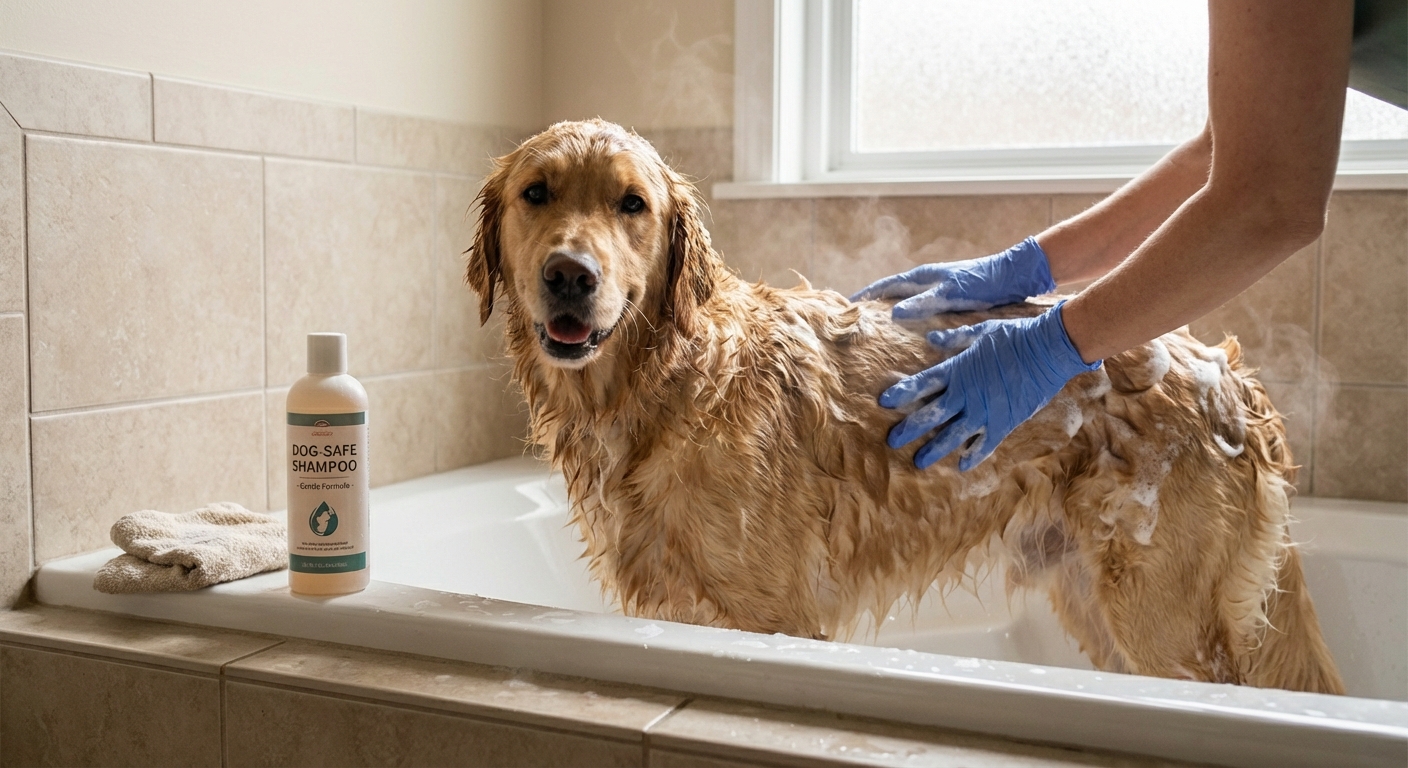
3) Use a soothing bath
Cool or lukewarm baths with a dog-safe soothing shampoo can help. Let the lather sit for about 5 to 10 minutes if the label allows, then rinse very well. Avoid human shampoos because they can dry the skin.
4) Prevent self-trauma
Hot spots can appear fast. If your dog is chewing one area, use an e-collar (cone) or a recovery collar to prevent the “lick and worsen” cycle until you get medical advice.
Itching facts
- The itch threshold is real. Dogs can handle a little allergy irritation until something else stacks on top, like fleas, stress, or a mild infection.
- Ear infections and itchy skin are connected. Many dogs with underlying allergies show it first as ear redness, head shaking, or pawing at the ears.
- “Seasonal” does not always mean spring. In warmer climates and in regions with long allergy seasons, dogs can flare in fall, winter, or anytime indoor allergens and molds are high.
- Benadryl is not a steroid. It may blunt histamine, but it does not address deeper inflammation the way some prescription allergy medications can.
When to call the vet
Call your veterinarian promptly if:
- The itching is severe or sudden
- You see hair loss, scabs, open sores, or “wet” oozing skin
- Your dog has a strong skin odor, greasy flakes, or recurring ear issues
- Your dog seems painful
- There is facial swelling, hives, vomiting, or trouble breathing
- The itching lasts more than a few days
Helpful details to share:
- Where your dog is itching (paws, belly, ears, rear end)
- Any new foods, treats, shampoos, bedding, or lawn products
- Flea prevention used and when
- Photos of the rash taken in good lighting
If the itch is chronic or keeps coming back, ask your veterinarian what diagnostics make sense. Common next steps can include skin cytology (checking for yeast or bacteria), a flea control trial, mite testing, and a veterinarian guided diet trial.
If you are ever unsure, treat Benadryl like any other medication: it can be helpful, but the best dose and the best plan should come from your vet who knows your dog.
Bottom line
Yes, some dogs can take Benadryl for itching, but it is not the right fit for every dog or every itch. The most important step is making sure you are treating the true cause, whether that is allergies, fleas, an infection, or something else.
To get help faster, bring your veterinarian your dog’s current weight, age, a list of medications and supplements, and a quick description of where the itching is happening (paws, ears, belly) and whether it is seasonal or year-round. That information helps your vet decide whether Benadryl is appropriate, and what the next best step should be.