Veterinary assistant guidance on giving dogs Benadryl (diphenhydramine): when it can help, correct dose by weight, safe products, side effects, and emergency...
Article
•
Designer Mixes
Can Dogs Take Benadryl?

Shari Shidate
Designer Mixes contributor
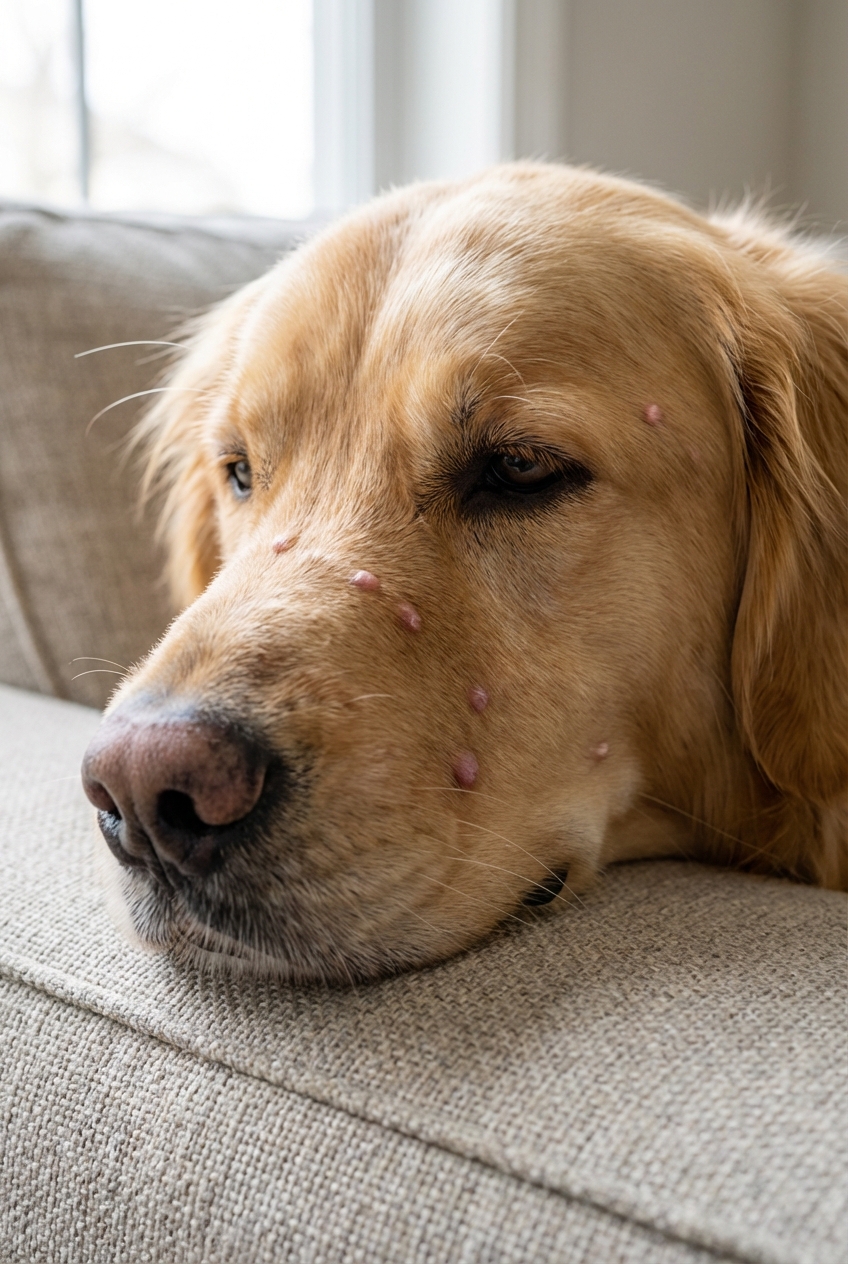
If you have ever watched your dog itch nonstop or break out in hives after a surprise encounter with pollen, a bee, or a new shampoo, you have probably wondered: Can dogs take Benadryl? The short, evidence-based answer is that many dogs can, but it is not a one-size-fits-all fix, and the details matter a lot.
As a veterinary assistant here in Frisco, Texas, I have seen Benadryl (diphenhydramine) help some dogs feel more comfortable. I have also seen it delay care when a dog needed immediate veterinary treatment. This article will help you make a safer, clearer decision.
Note: This guide is for dogs only.
What Benadryl does for dogs
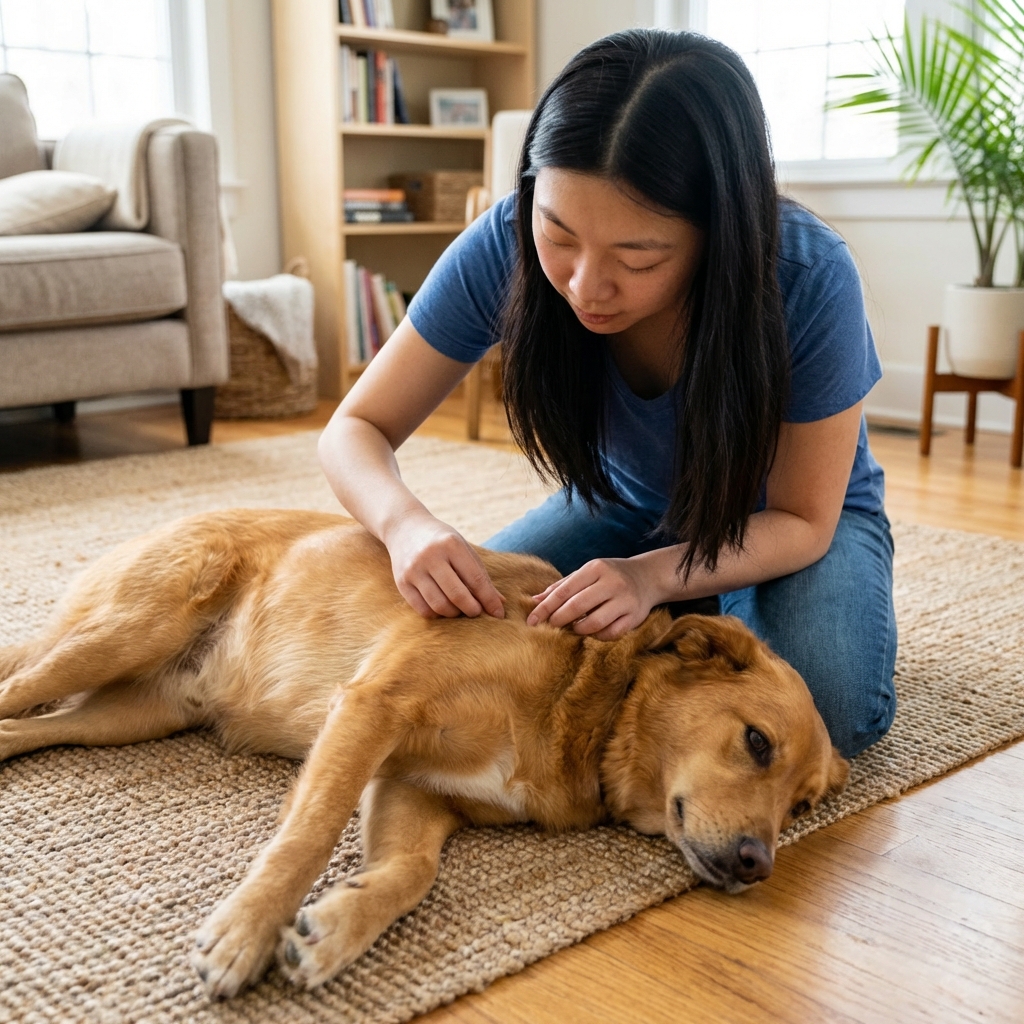
Benadryl is an antihistamine. Histamine is one of the chemicals the body releases during allergic reactions. By blocking histamine receptors, diphenhydramine can reduce some allergy symptoms like itching and hives.
Common situations where vets may use it
- Mild allergic reactions: hives, mild facial puffiness, itchy skin triggered by environmental allergies or contact irritation
- Insect bites or stings: to reduce itching and mild swelling (not a substitute for emergency care if breathing is affected)
- Vaccine reactions: sometimes used under veterinary guidance
What it does not reliably fix
- Severe allergic reactions (anaphylaxis): Benadryl alone is not enough
- Ear infections, skin infections, or flea allergy dermatitis: these often need targeted treatment
- Chronic environmental allergies (atopy): Benadryl may help some dogs, but many get limited relief and need newer veterinary options
- Anxiety: it may make some dogs sleepy, but it is not an anxiety medication and can sometimes cause restlessness
Anaphylaxis vs mild hives
One reason I am cautious about Benadryl is that owners sometimes treat an emergency like it is a simple allergy flare.
- Mild reaction often looks like: scattered hives, mild itchiness, normal breathing, and your dog is still alert.
- Anaphylaxis can look like: breathing changes, collapse, weakness, repeated vomiting or diarrhea, pale gums, or swelling of the throat or tongue.
If you suspect anaphylaxis, do not wait to see if Benadryl helps. Go in right away.
When Benadryl can be risky (or a flat no)
Benadryl is considered fairly safe for many dogs when used correctly and under veterinary guidance, but there are important exceptions. Call your veterinarian first if your dog has chronic conditions, takes other medications, or is very young, elderly, pregnant, or nursing.
Check with your vet first if your dog has
- Glaucoma
- Heart disease or high blood pressure
- Seizure history
- Thyroid disease (some dogs are more sensitive to heart effects, so dosing and safety should be individualized)
- Prostate enlargement or trouble urinating
- Liver disease
Medication interactions to watch for
Diphenhydramine can stack with other medications that cause sedation or have anticholinergic effects. It can also be a concern with certain behavior and pain medications. Tell your vet if your dog takes:
- opioid pain meds or gabapentin
- sedatives or anxiety meds
- seizure medications
- SSRIs or SNRIs, trazodone, or MAOIs (your vet will decide if the combination is appropriate)
- any antihistamines already
Do not use combo products
This is a big one. Many human allergy products contain other active ingredients that can be dangerous for dogs.
- Benadryl-D (contains pseudoephedrine): unsafe for dogs unless specifically directed by a veterinarian
- Multi-symptom cold meds: often contain ingredients that can be toxic
- "Non-drowsy" allergy meds: may be a different drug entirely
Safe dosing basics (ask your vet first)
Dose depends on your dog’s weight, health, and the reason you are using it. Many veterinarians use a typical guideline of about 1 mg per pound of body weight given every 8 to 12 hours. That is a common range used by some vets, not a blanket recommendation for every dog.
Dogs who are very small, brachycephalic (short-nosed), elderly, or dealing with other medical issues may need different guidance, and some dogs should not have it at all.
Action step: Call your vet with your dog’s weight, age, medical conditions, and current medications, and ask for the exact dose and schedule for your dog. Also ask what the maximum per dose and maximum daily amount should be for your dog, since tablet sizes can make mistakes easy.
Check the label before you give it
- Use a product that lists diphenhydramine as the only active ingredient.
- Avoid extended-release or time-release products unless your vet specifically prescribes them.
- Double-check the mg per tablet (common tablets vary), and do not guess.
Which form is usually preferred?
- Plain diphenhydramine tablets or capsules are commonly used.
- Liquid and children’s formulations can be tricky because dosing is easier to mismeasure, and some may contain xylitol or other ingredients that are not dog-safe. Check inactive ingredients and confirm with your vet.

How fast it works and when to reassess
For mild allergic symptoms, many owners notice an effect within about 1 to 2 hours. If your dog is getting worse, is not improving after a couple of doses, or the problem keeps returning, that is a sign you need a vet visit. Benadryl can take the edge off symptoms, but it does not fix infections, fleas, or more serious inflammation.
If your dog vomits after a dose
Do not automatically redose. Call your veterinarian for guidance, especially if you are not sure how much stayed down.
If you miss a dose
Skip it and go back to your vet’s schedule unless your veterinarian tells you otherwise. Do not double up.
Side effects: what to expect and what is not normal
Some dogs tolerate Benadryl with minimal issues, while others feel noticeably off. Side effects can also be stronger if the dose is too high.
Common side effects
- Sleepiness or quieter behavior
- Dry mouth and mild thirst
- Upset stomach (less common)
Less common but important
- Paradoxical excitement: pacing, whining, restlessness, or hyperactivity
- Urinary retention: straining to pee or not peeing
- Rapid heart rate
Possible overdose signs (seek urgent care)
- Extreme sedation or unresponsiveness
- Agitation, tremors, or seizures
- Vomiting, diarrhea, or severe drooling
- Very fast heart rate
- Difficulty breathing
Benadryl for allergic reactions: quick triage
Here is a practical way to think through it at home.
Benadryl may be reasonable (after a vet confirms dosing) when
- Your dog has mild itching or a few hives
- Your dog is breathing normally
- Your dog is alert and acting mostly like themselves
Skip Benadryl and go now if you see
- Facial swelling that is worsening quickly
- Vomiting, collapse, weakness, pale gums, or repeated diarrhea
- Breathing changes: noisy breathing, rapid breathing, open-mouth breathing, blue or gray gums
- Swelling around the throat or tongue
If your dog is having trouble breathing or seems to be crashing, do not wait to see if Benadryl helps. That is an emergency.
Why the itch might not be allergies
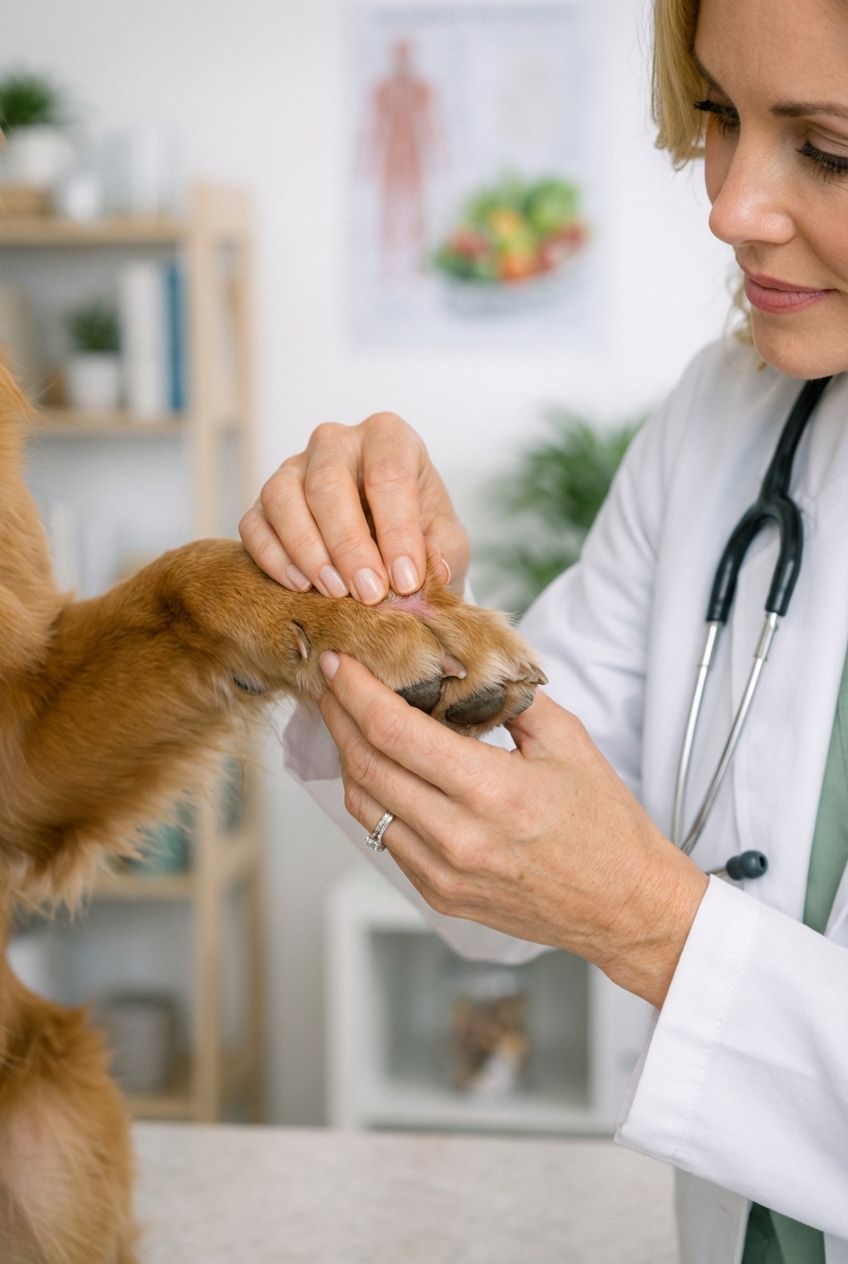
Benadryl can be helpful for some allergy-type symptoms, but itching has many possible causes. If your dog is licking paws, rubbing their face, or scratching constantly, consider these common culprits:
- Fleas (even one bite can trigger intense itching in sensitive dogs)
- Skin infection from bacteria or yeast
- Ear infection (often shows up as head shaking and ear scratching)
- Food sensitivity
- Environmental allergies (seasonal pollen, dust mites, grasses)
Action step: If itching lasts more than a few days, if the skin looks red or smells off, or if you notice hair loss, schedule a vet visit. The best relief comes from treating the real cause, not just quieting the symptoms.
Alternatives and support
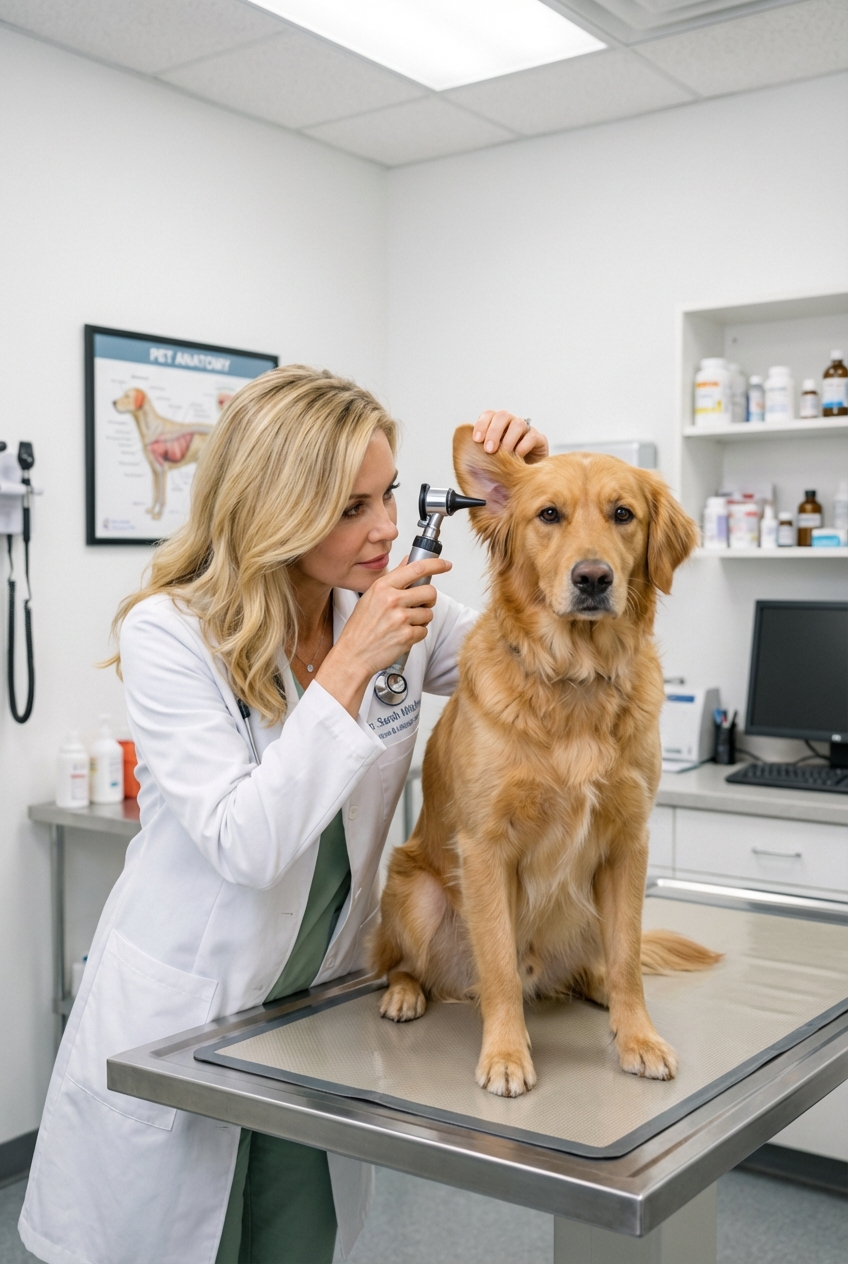
Your vet may recommend a different approach depending on the type of allergy and your dog’s overall health.
Common veterinary options
- Other antihistamines (some work better for certain dogs)
- Prescription anti-itch medications for allergic dermatitis (often more effective than Benadryl for chronic itch)
- Medicated shampoos or wipes for yeast and bacterial overgrowth
- Omega-3 fatty acids to support skin barrier health
- Allergy testing and immunotherapy for long-term control
At-home support you can start today
- Flea prevention year-round (Texas fleas do not take many breaks)
- Rinse paws after outdoor walks during high pollen days
- Use fragrance-free detergents and pet-safe grooming products
- Track flare-ups in a notebook: season, food, treats, shampoos, and symptoms
Bottom line
Yes, many dogs can take Benadryl, and it can be a helpful tool for mild allergy symptoms when your veterinarian confirms it is appropriate for your dog and provides the correct dose.
But Benadryl is not harmless, and it is not a substitute for urgent care in a serious allergic reaction. When in doubt, call your vet. You will never regret getting clear guidance early, especially when breathing, swelling, or sudden vomiting is involved.