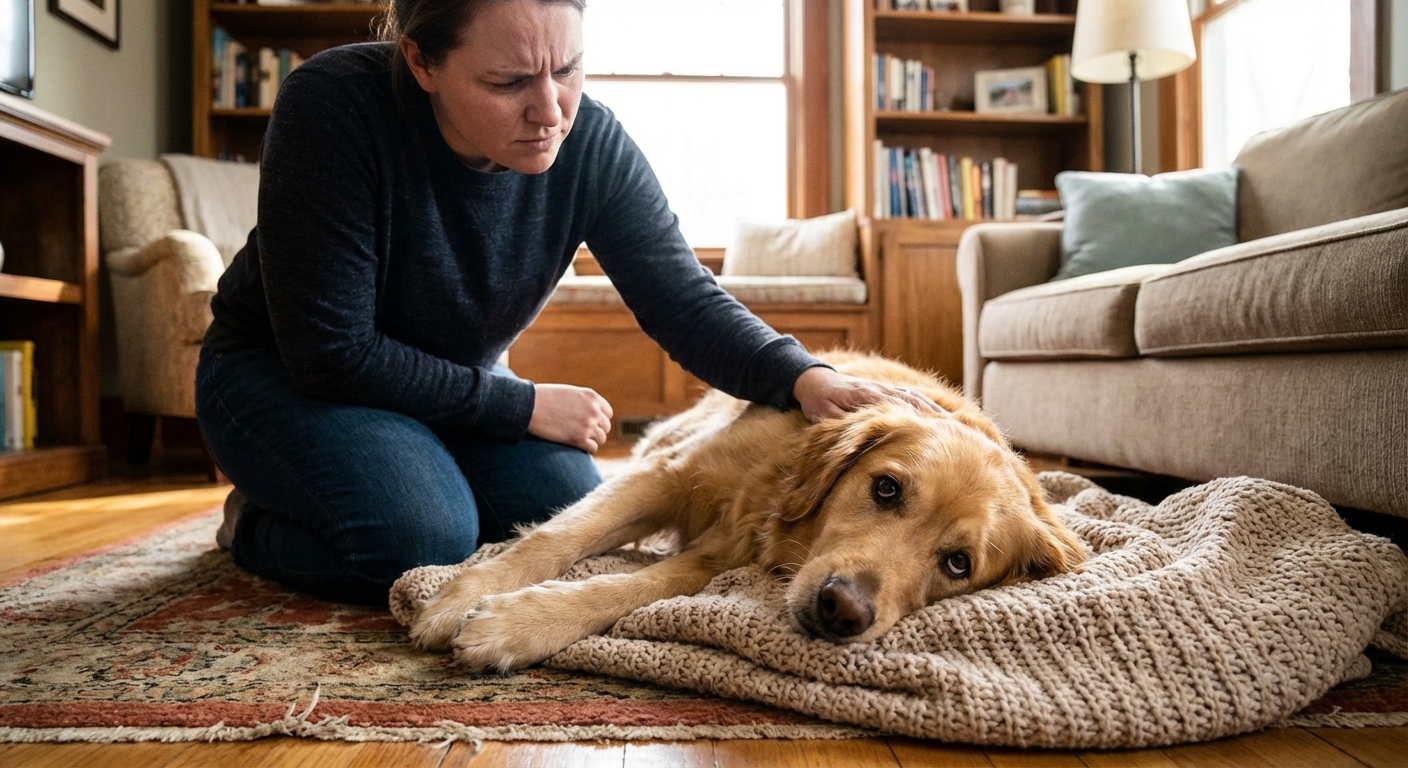
Dogs often sense when something is off—through smell, routine shifts, and body language. Learn common signs, what research says, and when it may signal str...
Article
•
Designer Mixes
Can Dogs Smell Cancer?

Shari Shidate
Designer Mixes contributor
As a veterinary assistant here in Frisco, Texas, I have seen dogs do truly surprising things with their noses. Many pet parents have shared stories that sound almost unbelievable: a dog that keeps sniffing one spot on a person’s body, pawing at a breast, pressing their nose to a mole, or suddenly becoming clingy and “on alert” around one family member.
So, can dogs smell cancer? The evidence so far suggests dogs can sometimes detect odor patterns associated with certain cancers, likely by sensing subtle chemical changes in the body. And just as important, a quick boundary up front: I am not offering medical diagnosis or advice. I am sharing what I have observed in dogs, plus what research suggests, so you can make grounded choices with your healthcare team.
The bigger question most families ask next is: how do dogs “alert,” and what should you do if your dog starts acting strange?
Can dogs really smell cancer?
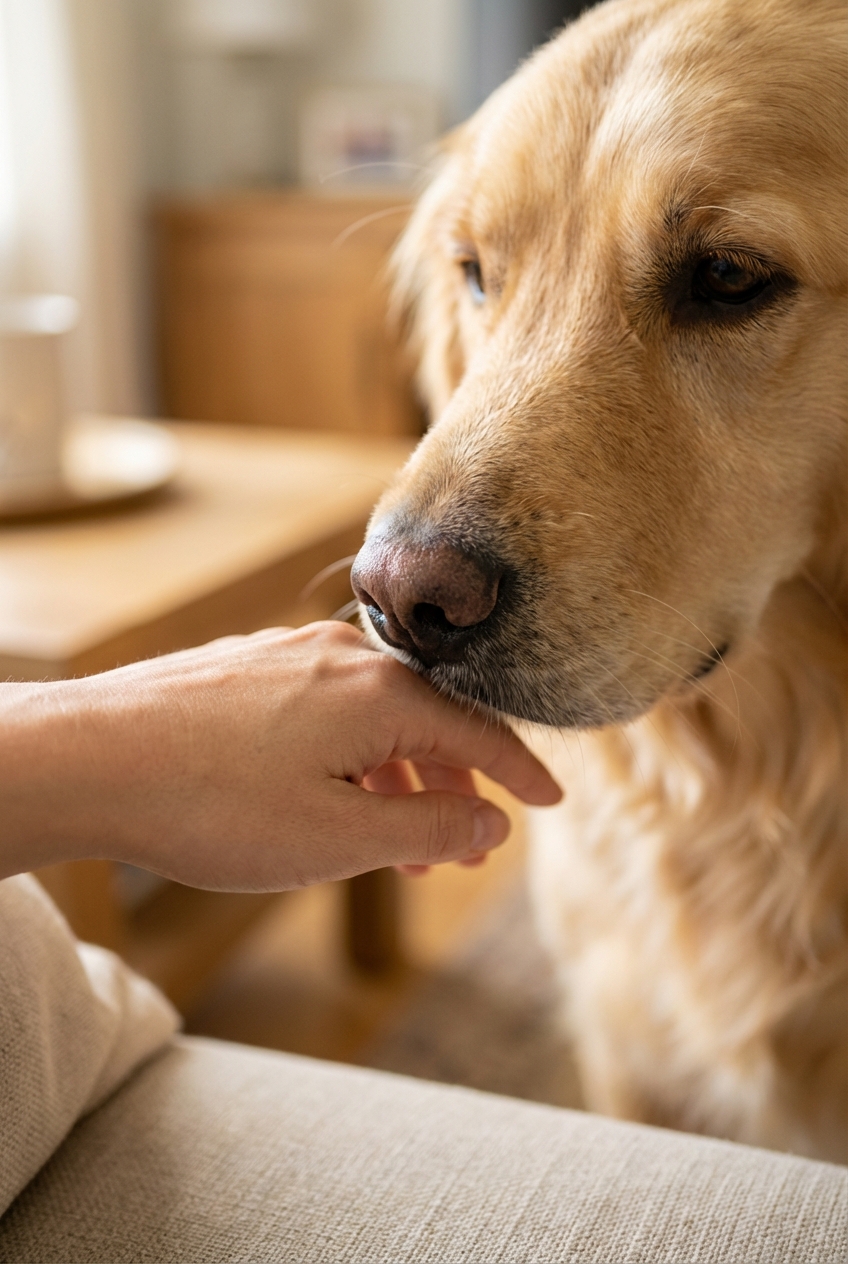
Yes, in some cases, especially in research settings with trained dogs. A dog’s sense of smell is dramatically more sensitive than ours. Humans are often cited at around 5 to 6 million olfactory receptors, while many dog breeds have roughly 100 to 300 million (and some may have more), depending on the breed.
Dogs also have a larger scent-processing setup than we do, including a relatively larger olfactory epithelium and olfactory bulb (the brain region that helps interpret scent). All of that adds up to an animal that can notice tiny differences in odor mixtures that humans would never detect.
Researchers believe some cancers can shift the body’s chemistry in ways that create distinct patterns of volatile organic compounds (VOCs). These VOC patterns can show up in breath, urine, sweat, skin oils, and sometimes in lab-handled samples from tissues.
In controlled studies, trained dogs have sometimes distinguished samples from people with cancer versus those without. Results vary widely by study design, cancer type, and training methods, but overall, research supports the idea that some dogs can detect cancer-associated odor changes under certain conditions.
What might dogs be smelling?
Dogs are not “smelling cancer” the way we name it in everyday conversation. They are likely detecting a pattern of scent changes linked to things like:
- Metabolic changes as abnormal cells grow and use energy differently
- Inflammation and immune system activity around affected tissues
- Tissue changes that can alter skin oils or local odor
- Secondary effects like infection, bleeding, or tissue breakdown that can add their own scent markers
It is also important to say this clearly: dogs can detect many medical and non-medical changes that are not cancer. They may react to hormonal shifts, skin infections, blood sugar changes, medication scents, or stress-related body chemistry. A dog’s alert is a signal to pay attention, not a diagnosis.

How dogs alert when something feels off
When pet parents tell me “my dog tried to tell me something,” they usually describe a consistent, repeated behavior focused on one person or one specific area of the body. Dogs do not all alert the same way, but these are common patterns reported:
Focused sniffing or staring
A dog may repeatedly sniff one area, hover, or stare with intensity. Some will nose-bump the same location again and again, especially during calm moments like watching TV or getting ready for bed.
Pawing, nudging, or licking
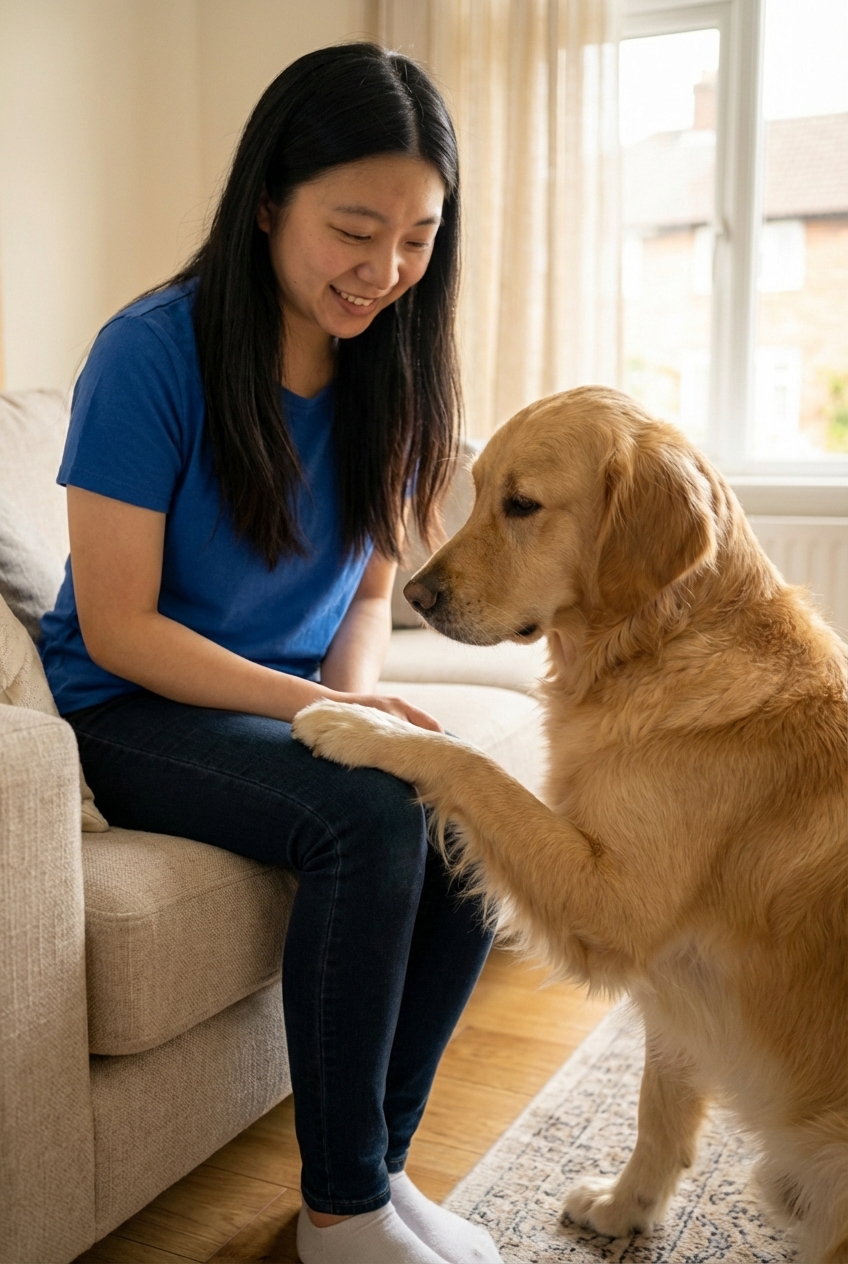
Some dogs paw at a leg, hip, chest, or abdomen. Others lick persistently. If you see this behavior increase and it is unusually targeted, it is worth paying attention.
Clinginess or guarding
A dog might suddenly refuse to leave a person’s side, block others from approaching, or become protective in a new way. It can look like anxiety, but sometimes it is simply the dog reacting to a scent change they cannot ignore.
Agitation or vocalizing
Dogs that are normally relaxed may whine more, pace, or seem unsettled around one person. Some families describe it as the dog being “pushy” about getting their attention.
Clear alerts in trained dogs
In formal medical detection programs, dogs are trained to give a clear, repeatable alert like sitting, pawing a target, or freezing and staring. Most family dogs are not trained medical detection dogs, so their behavior may be less consistent and easier to misread.
Which cancers have been studied most?
Research has explored canine scent detection for several cancers, most commonly:
- Lung cancer (often using breath samples)
- Breast cancer
- Colorectal cancer
- Prostate cancer (often using urine samples)
- Ovarian cancer (in some studies)
Keep in mind that studies do not always agree on accuracy rates, and detection depends heavily on training methods, sample handling, and study controls. Researchers also note limitations such as small sample sizes, risk of unintentional handler cues, sample contamination, and challenges with reproducibility across settings.
Still, the pattern is compelling enough that scientists continue exploring whether dogs, or dog-inspired “electronic nose” technology, could support future screening tools.
Why your dog might alert even without cancer
This is where I like to be evidence-based and gentle at the same time, because anxiety can spike quickly when someone reads about dogs detecting cancer.
A dog may become fixated on a person for many reasons, including:
- Skin infections or wounds
- New lotions, perfumes, or laundry detergent
- Hormonal changes including pregnancy or menstrual cycle shifts
- Diabetes-related blood sugar changes
- Stress and adrenaline shifts that change sweat and breath
- Seizures (some dogs appear to anticipate seizures, though it is not guaranteed)
- Medication scents or supplements
So if your dog is acting “weird,” do not jump straight to the scariest conclusion. Think of it as a nudge to check in with your body and your medical care, especially if the behavior is new and persistent.
What to do if your dog keeps sniffing one spot
If your dog repeatedly focuses on a specific area of your body or a particular family member, here are practical next steps that keep you grounded and proactive:
- Notice the pattern. Is it the same spot every time? Is it getting more frequent? Does it happen at specific times of day?
- Do a simple self-check. Look for swelling, a lump, a sore that does not heal, a new or changing mole, heat, redness, or bruising.
- Schedule a medical visit. Lead with what you are noticing in your body first, then mention your dog’s unusually focused behavior as added context.
- Keep up with routine screenings. Many cancers are caught through recommended screenings before obvious symptoms appear.
- Do not punish the dog. If your dog is persistently nudging or pawing, redirect gently. Punishment can increase anxiety and does not address the underlying cause of the behavior.
Seek urgent care (or emergency help) if you have severe symptoms like chest pain, trouble breathing, fainting, signs of stroke, uncontrolled bleeding, or a rapidly worsening condition. Otherwise, a prompt appointment with your doctor or clinic is a smart next step.
And if the behavior is accompanied by symptoms like unexplained weight loss, unusual fatigue, night sweats, persistent pain, a changing mole, or a new lump, please do not wait. Getting checked is an act of self-care, not overreacting.
Warm reminder: A dog’s behavior can be a helpful prompt, but it cannot replace medical testing. The safest move is to use your dog’s alert as motivation to stay current with your healthcare.
Can dogs be trained to detect cancer?
Yes, dogs can be trained to recognize specific VOC patterns in controlled settings. This work is specialized and typically done by experienced trainers and research programs using strict protocols. Training often involves:
- Introducing the target odor (often from samples like breath, urine, or swabs)
- Rewarding a consistent alert behavior
- Testing against control samples to reduce false alerts
- Ongoing training to maintain reliability
Even with training, real-world use is complex. Human odor is influenced by diet, medications, hygiene products, smoking status, and many health conditions. That is one reason dogs are not currently used as a standalone cancer screening tool in routine clinics.
What this means for pet parents
I love the idea that our dogs are tuned in to us in ways we cannot fully measure. But I also want you to feel empowered, not scared.
If your dog starts alerting in a new, consistent way, take it seriously in the sense that you should pay attention and follow up. Use it as a prompt to get that checkup, schedule that screening, or ask your doctor about a symptom you have been ignoring.
The bottom line is this: dogs may be able to detect some cancer-associated odor patterns, and their behavior can be an early nudge. Your best next step is the same one we recommend in veterinary medicine too when something feels off: observe, document, and get a professional evaluation.

Quick FAQs
Can my dog smell cancer before doctors find it?
It is possible in some cases, based on anecdotal reports and some study results. But it is not reliable enough to treat as proof. If you are concerned, medical evaluation is the right next step.
Does a dog alert always mean cancer?
No. Dogs can react to many health and lifestyle changes. A focused behavior is a reason to pay attention, not a diagnosis.
What if my dog suddenly avoids someone?
Sudden avoidance can be stress, pain, fear, a new scent, or a negative experience. If it is persistent, consider both a vet check for the dog and a health check for the person, depending on the situation.
Sources
- National Cancer Institute: Volatile organic compounds and cancer research (overview resources)
- Peer-reviewed research on canine olfactory detection of cancer (breath, urine, and swab sample studies in journals such as BMJ, Integrative Cancer Therapies, and other medical research publications)
- Merck Veterinary Manual: canine olfaction and scent capabilities (general reference)