Dog UTI symptoms can mimic stones or other issues. Learn the full treatment plan: urinalysis and culture, correct antibiotics, pain control, hydration, home ...
Article
•
Designer Mixes
Can Dogs Get UTIs?

Shari Shidate
Designer Mixes contributor
If your dog is suddenly having accidents, asking to go out every hour, or squatting without much coming out, it is completely understandable to worry about a urinary tract infection (UTI). I see this concern often, and the good news is that most UTIs are very treatable when you catch them early. The tricky part is that UTI-like signs can also happen with bladder stones, prostate issues, diabetes, kidney disease, and even pain or anxiety. So the best “UTI care” starts with the right diagnosis.
What a UTI is (and what it is not)
A UTI is an infection somewhere in the urinary tract. In dogs, most infections are in the lower urinary tract, meaning the bladder and sometimes the urethra. Most UTIs in dogs are bacterial, which is why testing and targeted antibiotics matter.
It helps to know one important distinction:
- UTI (infection) usually means bacteria are involved.
- Cystitis (inflammation) means the bladder is irritated. Infection can cause cystitis, but so can stones, tumors, anatomic issues, and other noninfectious problems. (Stress-related or idiopathic cystitis can happen in dogs, but it is much more common in cats.)
Because these problems can look very similar at home, a urine test is how we separate “likely UTI” from “something else,” including sterile (noninfectious) cystitis.
Common signs of a UTI in dogs
Some dogs show very obvious symptoms, while others are subtle. Watch for:
- Needing to urinate more often
- Straining to urinate, or taking longer than usual
- Only producing small amounts of urine
- Accidents in the house, especially in a previously house-trained dog
- Blood-tinged urine or urine that looks darker than normal
- Strong or unusual urine odor
- Excessive licking of the vulva or penis
- Discomfort, restlessness, or vocalizing while urinating
If your dog seems painful, is leaking urine, or is suddenly refusing to go, take that seriously. Urinary issues can escalate quickly.
When it is an emergency
Some urinary problems can become life-threatening, especially if your dog cannot pass urine.
Go to an emergency vet now if:
- Your dog cannot urinate or is producing only a few drops despite repeated attempts
- Your dog’s belly looks swollen or feels painful
- There is repeated vomiting, collapse, extreme lethargy, or signs of shock
- Your dog is male and repeatedly straining with little or no urine coming out (obstruction is more common and more dangerous in males)
- There is fever or you suspect a kidney infection (often includes back pain, poor appetite, and lethargy)
A complete blockage can cause toxins to build up and can also trigger dangerous electrolyte changes (like high potassium). This can be fatal without rapid treatment. When in doubt, treat “can’t pee” as an emergency.
What causes UTIs in dogs
Most UTIs happen when bacteria travel up the urethra into the bladder. Dogs are not “dirty” if they get UTIs. It is usually a mix of anatomy, underlying health, and opportunity.
Common risk factors include:
- Female anatomy (shorter, wider urethra can make infections more likely)
- Age (older dogs may have weaker defenses or concurrent disease)
- Bladder stones that irritate the bladder lining and can trap bacteria
- Endocrine disease such as diabetes or Cushing’s disease
- Kidney disease or decreased immune function
- Vulvar conformation issues (for example, a recessed vulva, which can trap moisture and bacteria)
- Incomplete bladder emptying (neurologic issues, pain, mobility problems)
- Prostate disease (especially in intact males, recurrent infections may involve prostatitis or benign prostatic enlargement)
If UTIs keep returning, it is worth looking for a “why” rather than repeatedly treating only the infection.
How vets diagnose a UTI
Because symptoms overlap, diagnosis matters. The gold standard involves testing urine, and in some cases, culturing it to identify the exact bacteria.
Common tests include:
- Urinalysis: checks for white blood cells, blood, protein, crystals, pH, and more
- Urine culture and sensitivity: grows any bacteria present and tests which antibiotics are most likely to work
- Imaging (x-rays or ultrasound): looks for stones, masses, or structural problems
- Bloodwork when kidney infection, diabetes, dehydration, or systemic illness is suspected
One helpful detail: urine collected directly from the bladder with a sterile needle (cystocentesis) is often preferred for culture because it reduces contamination.
If you are able, ask your clinic if they want you to bring a urine sample. Some clinics are happy to run a basic urinalysis on a fresh home sample, but many prefer an in-clinic sample (especially for culture) due to contamination risk.
If your clinic says a home sample is OK, try to collect a clean, mid-stream sample in a clean container, refrigerate it right away, and bring it in as soon as possible (often within a few hours). Your clinic will give you their preferred timing and instructions.
Treatment: what UTI care involves
Treatment depends on severity, whether it is a first-time infection, and whether there are complicating factors like stones, prostate disease, or endocrine disease.
Typical vet-directed treatment includes:
- Antibiotics (often started after urinalysis, ideally guided by culture for recurrent or complicated cases)
- Pain relief as appropriate (some dogs have significant bladder discomfort)
- Hydration support and a plan to increase water intake
- Follow-up testing, especially if symptoms recur or the infection was complicated
Please do not use leftover antibiotics or human antibiotics. The wrong drug or wrong dose can fail to treat the infection and can contribute to antibiotic resistance.
How fast should you see improvement?
Many dogs start feeling better within 24 to 48 hours after starting the correct antibiotic, but that does not mean the infection is fully gone. Finishing the full course matters, even if your dog seems back to normal.
Home care that helps (safe and practical)
Home care does not replace veterinary treatment, but it can make your dog more comfortable and support healing.
1) Encourage hydration
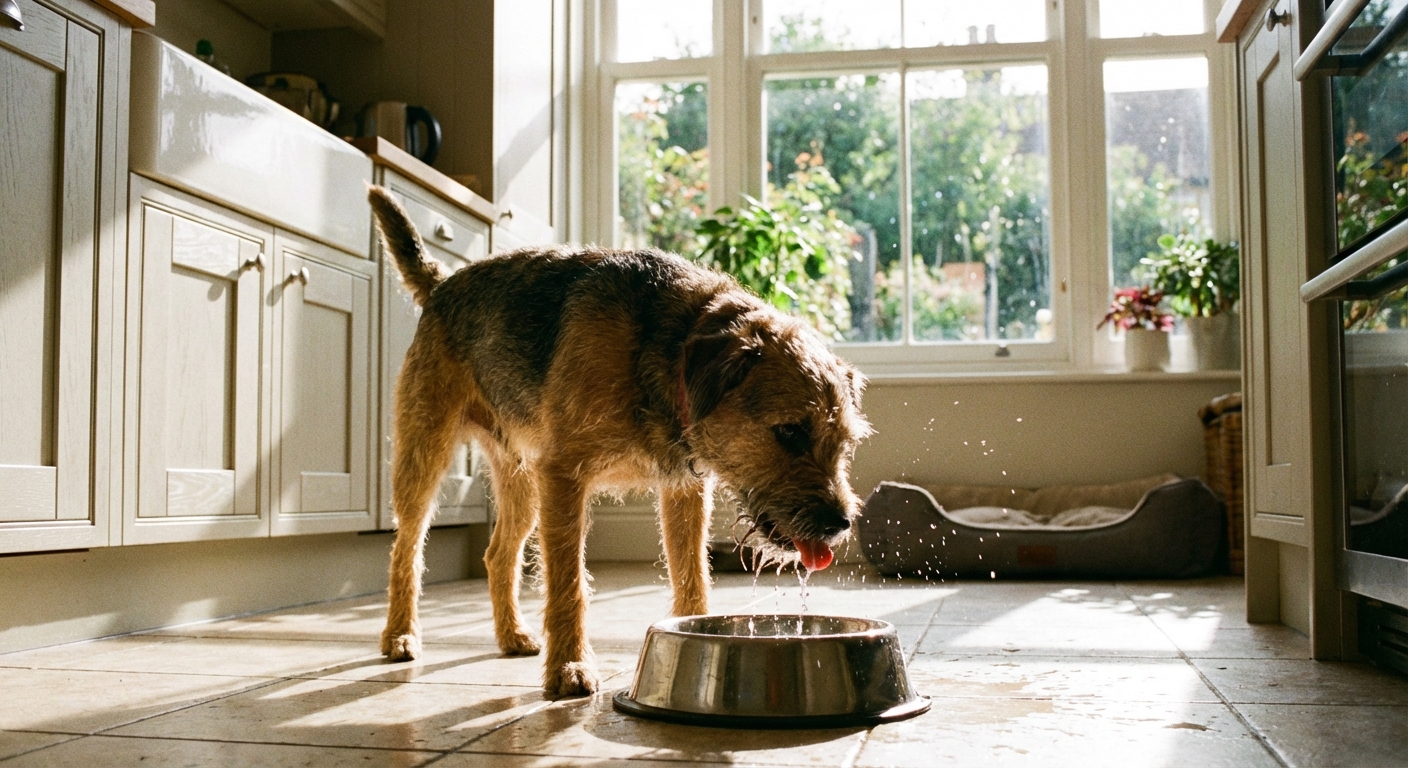
- Offer multiple water bowls and keep them fresh.
- Add water or low-sodium broth to food.
- Consider a pet water fountain if your dog likes moving water.
2) Increase potty breaks
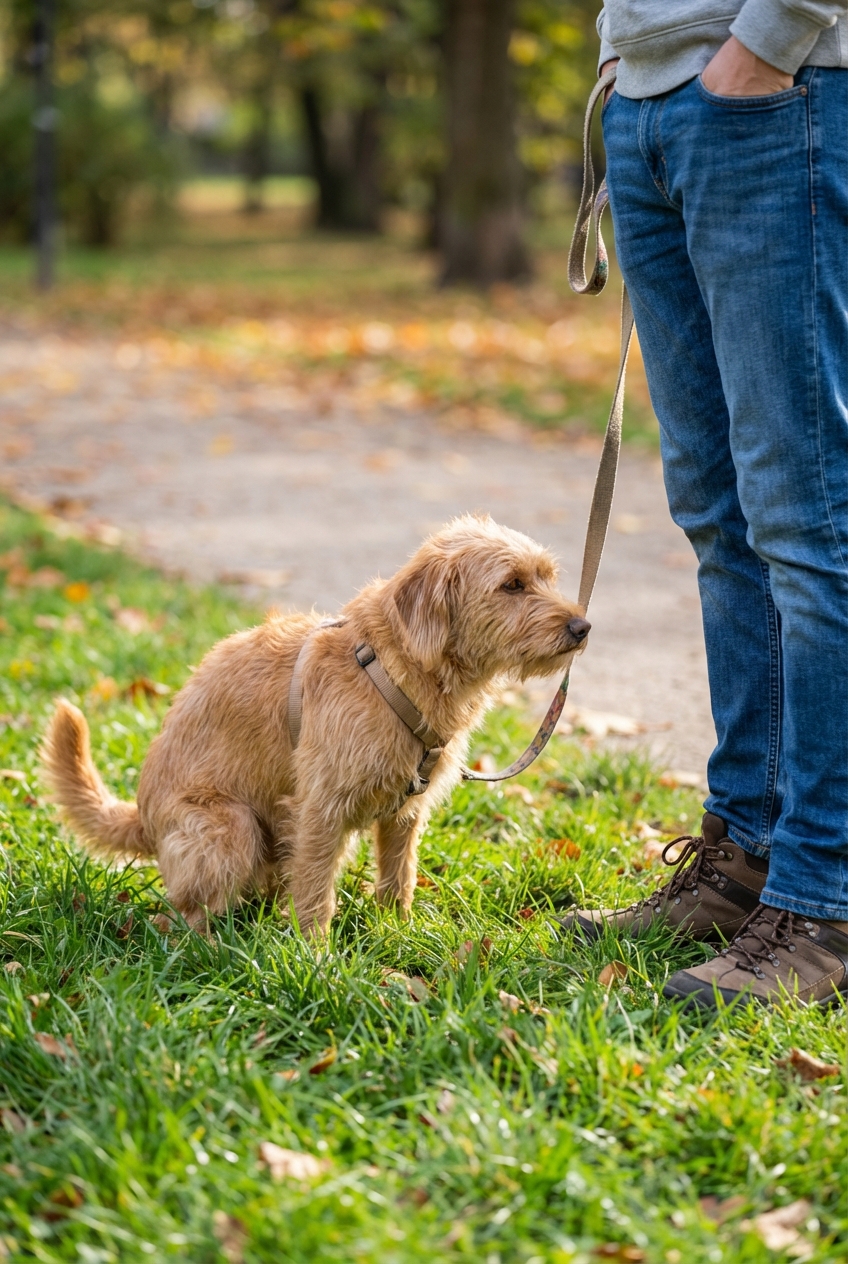
More frequent bathroom trips can reduce bladder irritation and help flush the urinary tract. Try short, calm potty trips every few hours while symptoms are active.
3) Keep the genital area clean and dry
For dogs prone to irritation, gently wipe with a soft, damp cloth after potty breaks, then pat dry. This is especially helpful for dogs with a recessed vulva or heavy coat around the area.
4) Feed for overall urinary health
Nutrition cannot “cure” an infection on its own, but food can support hydration, weight management, and gut health during antibiotics.
- Moisture matters: wet food or adding water to meals helps many dogs.
- Balance matters: if you feed homemade, make sure it is complete and balanced for your dog’s life stage. An unbalanced diet can create other problems over time.
- During antibiotics: ask your vet if a probiotic is appropriate to support the gut microbiome.
If your dog has bladder stones or crystals, do not change diets without guidance. Some stones require very specific nutrition and urine pH targets.
Natural supplements: what to know
Many pet parents ask about “natural UTI remedies.” I like gentle, evidence-informed support options, but I also want you to be protected from common pitfalls.
Cranberry
Cranberry is often discussed for urinary health. In people it may help reduce bacterial adhesion in some cases, but it does not reliably treat an active infection. In dogs, the evidence is limited and products vary widely.
D-mannose
D-mannose may help prevent certain bacteria (especially E. coli) from sticking to the urinary tract in some species, but canine research is still emerging. It is not a substitute for antibiotics when an infection is present.
Probiotics
Probiotics can be helpful for gut support, especially during antibiotic treatment. Some research in people suggests a possible role in reducing recurrence, but strain and dosing matter.
Important safety note
Skip essential oils, undiluted apple cider vinegar, and any product that claims to “replace antibiotics.” If your dog has blood in the urine, pain, fever, vomiting, or repeated straining, home remedies can delay needed care.
Recurrent UTIs: how to break the cycle
If your dog keeps getting UTIs, it is time for a deeper look. Repeated infections can mean the bacteria were not fully cleared, the antibiotic was not the best match, or there is an underlying issue that keeps setting the stage.
Ask your vet about:
- Urine culture (before antibiotics when possible)
- Antibiotic washout if your dog has recently been on antibiotics (this is a short period your vet may recommend waiting before collecting a culture so results are more accurate)
- Imaging to check for stones or anatomic issues
- Screening for diabetes or Cushing’s disease
- Prostate evaluation in male dogs, especially intact males with recurrent issues
- Vulvar conformation and skin fold management if applicable
- Bladder emptying problems, especially in seniors or dogs with back pain
Some dogs also benefit from targeted prevention plans. Those can include diet changes for stone formers, weight management, hygiene routines, or in select cases, carefully monitored long-term strategies guided by culture results.
How to prevent UTIs in dogs
You cannot prevent every infection, but you can lower the odds and catch issues sooner.
- Keep water intake up and offer frequent potty breaks.
- Maintain a healthy weight, since obesity can affect mobility, inflammation, and hygiene.
- Groom around the genital area if your dog has long hair that traps moisture.
- Address chronic allergies or skin infections, which can contribute to bacteria around the area.
- Schedule wellness checks, especially for seniors, so underlying conditions are not missed.
If your dog’s urinary habits change, trust your instincts. A simple urine test can save your dog days of discomfort and can help prevent a small infection from becoming a bigger problem.
Quick FAQs
Can puppies get UTIs?
Yes. Puppies can get UTIs, and because they may not show classic signs, your vet may also consider congenital issues or vulvar conformation in females.
Can dogs get UTIs from holding their pee?
Long stretches without a potty break can contribute to bladder irritation and may increase risk in some dogs, but it is usually not the only factor. If urinary signs keep happening, an underlying medical issue is often the bigger driver.
Can a UTI go away on its own?
Sometimes symptoms wax and wane, but true bacterial infections typically require treatment. Waiting can allow the infection to worsen or travel upward to the kidneys.
Is blood in the urine always a UTI?
No. Blood can come from infection, stones, tumors, prostate disease, trauma, or severe inflammation. It always deserves a veterinary workup.
My take as a veterinary assistant
UTIs are one of those issues that feel “simple,” but the urinary tract can surprise you. If your dog is uncomfortable or their habits change, you are not overreacting by calling your vet. The most loving, practical next step is a urine test and a plan tailored to your dog’s specific situation.