Understand canine cognitive dysfunction (CCD) in senior dogs. Learn DISHA signs, rule-outs to discuss with your vet, and home + routine changes to ease pacin...
Article
•
Designer Mixes
Can Dogs Get Dementia or Alzheimer’s?

Shari Shidate
Designer Mixes contributor
As a veterinary assistant here in Frisco, Texas, I get this question more often than you might think: Can dogs get dementia or Alzheimer’s? This is a tough topic because it can feel like you are slowly losing pieces of the dog you know so well.
The evidence-based answer is: dogs can develop a dementia-like condition called Canine Cognitive Dysfunction (CCD). It is not the same as Alzheimer’s disease in humans, but it can look similar at home. The good news is that some dogs show real improvement in specific symptoms with early support, environmental changes, and veterinary-guided treatment.
Dementia in dogs vs. Alzheimer’s in people
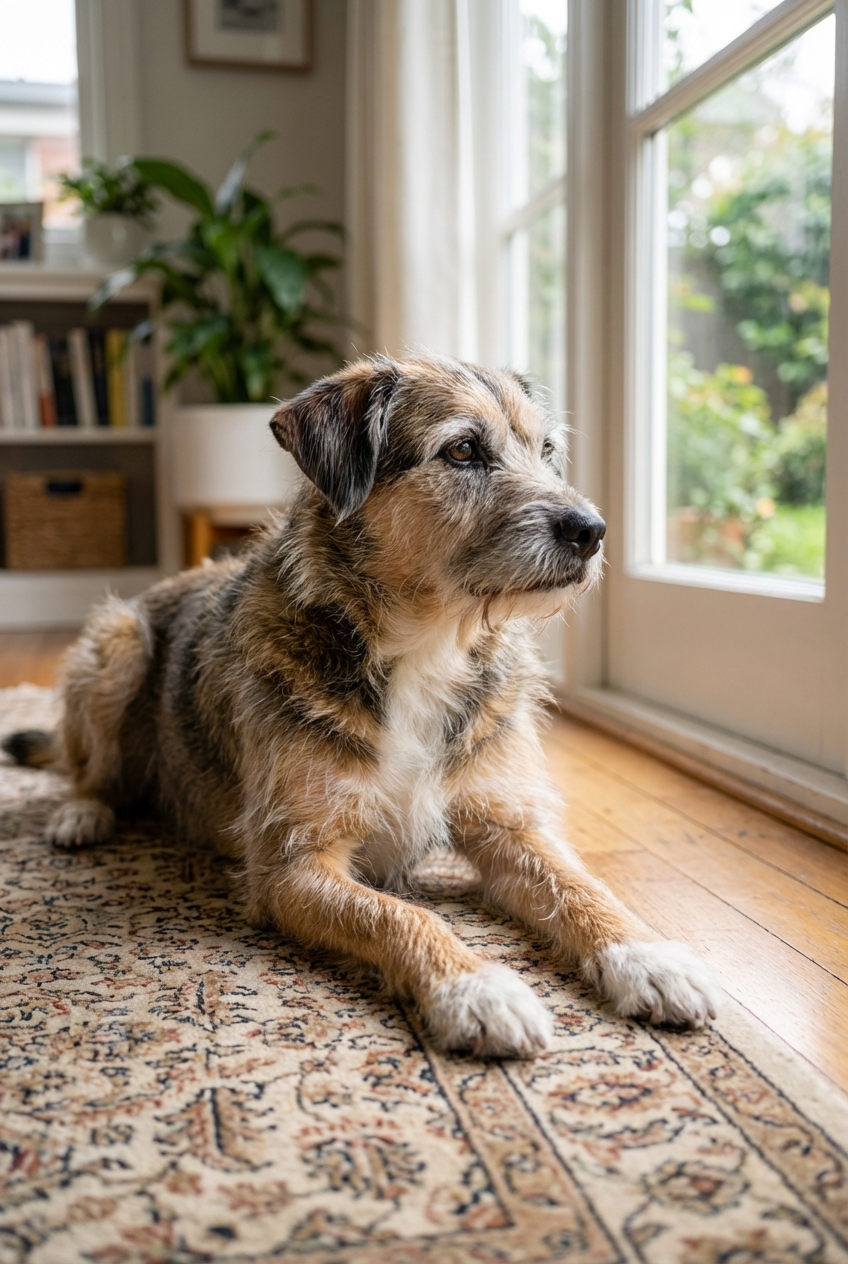
Most veterinarians do not diagnose dogs with “Alzheimer’s” as a formal label. Instead, we use Canine Cognitive Dysfunction, which is an age-related decline in brain function.
Why the confusion? Because CCD and Alzheimer’s share some overlapping features, including:
- Changes in memory and learning
- Sleep-wake disruption
- Altered social behavior
- Age-related brain changes (some aging dogs develop beta-amyloid deposits, which is one reason CCD is sometimes compared to Alzheimer’s, but CCD is not considered identical to human Alzheimer’s and does not match all human diagnostic features)
So, while CCD is not a one-to-one match with human Alzheimer’s, it is fair to say dogs can experience a dementia-like syndrome that deserves real attention.
Signs of canine cognitive dysfunction
CCD can be subtle at first. Many families assume the behavior is “just old age,” but there is a difference between normal senior changes and cognitive decline.
A common way to remember the categories is DISHA:
- Disorientation: getting stuck behind furniture, staring at walls, seeming lost in familiar places
- Interactions change: more clingy, more withdrawn, less interested in greeting people
- Sleep-wake cycle changes: pacing at night, waking frequently, sleeping more during the day
- House soiling: accidents despite being previously house-trained
- Activity changes: restlessness, repetitive pacing, less play, decreased interest in walks
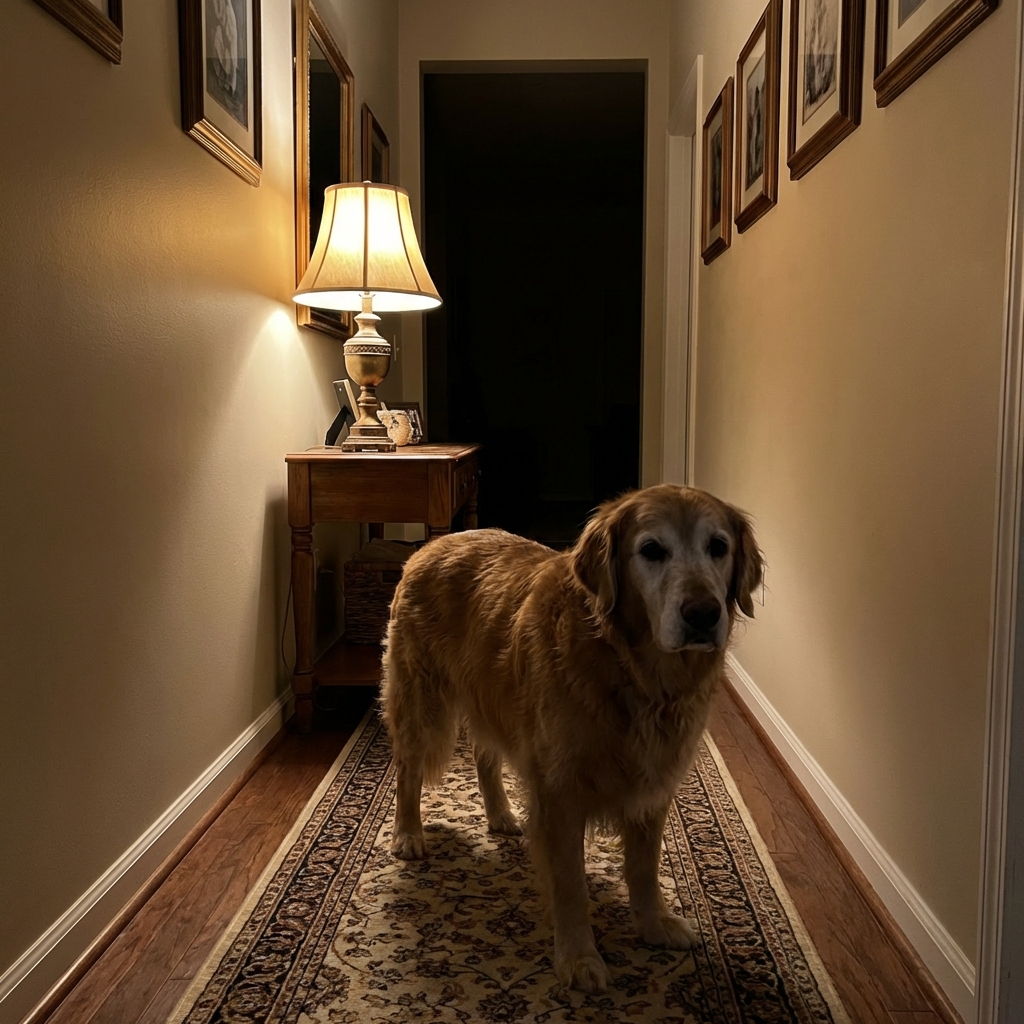
Important: These signs can also happen with pain, arthritis, vision loss, hearing loss, urinary tract infections, kidney disease, diabetes, thyroid disease, or side effects from medications. That is why a veterinary check is step one.
What causes CCD?
CCD is considered multifactorial, meaning several age-related processes may contribute. Research suggests potential roles for:
- Oxidative stress and chronic inflammation
- Changes in brain blood flow
- Neurotransmitter changes (the chemical messengers that help brain cells communicate)
- Protein accumulation (including beta-amyloid in some dogs)
In real life, what matters most is this: it is not your fault, and you are not imagining it. If your dog’s behavior has changed in consistent, concerning ways, it is worth investigating.
How vets diagnose CCD
There is no single quick test for CCD. Diagnosis usually looks like a combination of:
- Your observations (a behavior timeline is extremely helpful)
- Physical exam including neurologic assessment
- Lab work to rule out medical causes (commonly bloodwork and urinalysis)
- Blood pressure check when indicated
- Additional testing if needed (for example, imaging or endocrine testing depending on symptoms)
A practical tip: bring a short list of examples like “pacing from 1 to 3 a.m.” or “got stuck behind the couch twice this week.” Specific details speed up the process.
Vet-guided ways to help
CCD is often managed best with a multi-layer plan. Think: medical support, lifestyle support, and home safety.
1) Medical options
Your veterinarian may discuss medications, prescription diets, or both depending on your dog’s health status and symptoms. Options your vet may bring up include:
- Selegiline (an FDA-approved medication in the US for canine cognitive dysfunction)
- Targeted support for anxiety and sleep when nighttime restlessness is a problem
- Pain control if arthritis or other discomfort is contributing to pacing and sleep disruption
- Prescription diets formulated for cognitive support when appropriate
Because every dog is different, this is one area where “DIY” is not ideal. If you are noticing nighttime agitation or sudden house soiling, schedule a visit sooner rather than later.
2) Brain-friendly enrichment
Just like people, dogs can do better when their brains get gentle workouts. The key is easy wins that do not frustrate your dog.
- Food puzzles with soft, senior-friendly treats (for example, a simple snuffle mat or a treat ball set to an easy level)
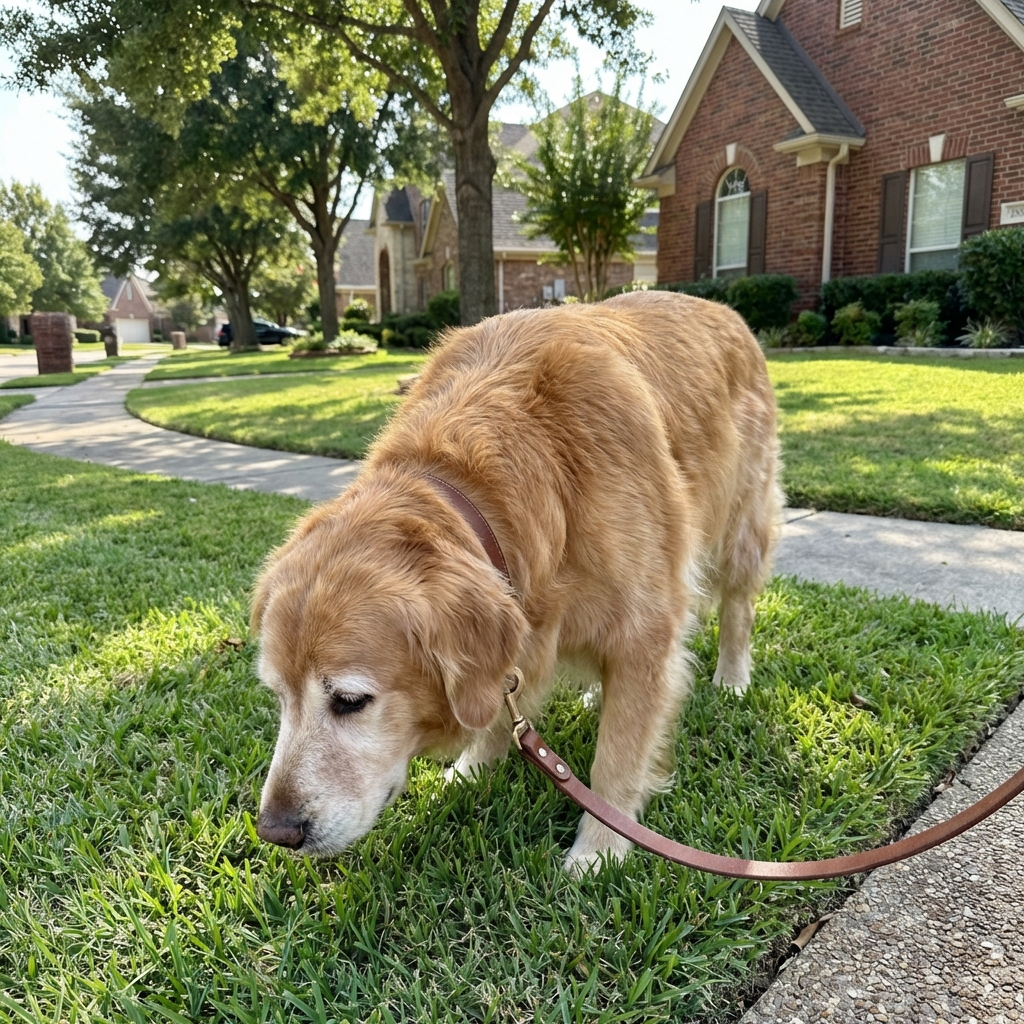
- Sniff walks at a slow pace (sniffing is real mental work)
- Short training refreshers like “touch,” “sit,” or name recognition (3 to 5 minutes is plenty)
3) Nutrition and supplements (with vet guidance)
Nutrition will not “cure” CCD, but it can be part of an evidence-based support plan. Many veterinarians focus on:
- Omega-3 fatty acids (DHA and EPA) for brain health support
- Antioxidants and diets formulated for senior cognitive support
- Consistency in feeding schedule to reduce confusion and anxiety
It is also worth saying out loud: supplement quality and results vary, and the evidence is mixed depending on the product and the individual dog. Your vet can help you choose options that fit your dog’s medical history and current diet.
If you feed homemade or partially homemade meals, it is especially important to ensure the overall diet is balanced. A board-certified veterinary nutritionist can be a wonderful partner here.
4) Home setup and safety
Small changes at home can make a big difference in your dog’s confidence.
- Night lights in hallways to reduce disorientation
- Rugs or runners for traction to prevent slipping
- Baby gates to block stairs or risky areas
- Predictable routines for meals, potty breaks, and bedtime
- More frequent potty breaks to prevent accidents and stress
When it is not dementia
Please do not assume every behavior change is cognitive decline. Call your veterinarian promptly if you see:
- Sudden confusion or behavior shift over hours or days
- Seizures or collapse
- Head tilt, circling, or loss of balance
- Not eating or vomiting with behavior changes
- Signs of pain (crying out, reluctance to stand, trembling)
These can point to issues that may need urgent treatment.
What to expect over time
CCD is usually progressive, but that does not mean there is nothing you can do. The goal is to reduce stress, protect sleep, improve comfort, and keep your dog engaged in safe, simple ways.
One thing I tell families in our clinic all the time: plan on re-checks. If a new routine, diet, or medication helps at first but the symptoms creep back, that is not failure. It is a sign your dog may need an adjustment and you do not have to guess alone.
Caregiver tips that really help
If CCD is stealing your sleep and peace of mind, you are not alone. A few practical strategies can make the day-to-day more manageable:
- Track patterns: note what time pacing happens, where accidents occur, and what seems to trigger anxiety
- Make nights easier: last potty break right before bed, night lights, and a consistent bedtime routine
- Set up “safe zones”: a familiar bed, water nearby, and blocked-off areas to prevent getting stuck or falling
- Ask early about options: if nighttime restlessness ramps up, call your vet before everyone is exhausted
Living with a cognitively aging dog
I know this can feel heavy. But here is what I have seen help families the most: document the changes, get a veterinary plan, and focus on comfort.
Try this simple weekly check-in:
- How many good nights of sleep did my dog have?
- Any accidents, and were they predictable?
- Is appetite stable?
- Is my dog still enjoying at least one favorite activity?
These notes help you and your veterinarian adjust support early, instead of waiting until everyone is overwhelmed.
Your dog does not need to be “perfect” to have a good quality of life. With the right support, many senior dogs stay happy, connected, and comfortable.
Frequently asked questions
At what age do dogs get dementia?
CCD is more common in senior dogs, and it becomes more likely as dogs age. Many families start noticing changes in the later senior years. Larger breeds may show senior changes earlier due to shorter lifespans, but any dog can be affected.
Can dementia be reversed in dogs?
CCD is typically progressive, but symptoms can often be improved and may be slowed with early intervention, environmental support, and veterinary treatment.
Do certain breeds get CCD more than others?
We see CCD across breeds and mixes. Age is the biggest risk factor. Your veterinarian will also consider other conditions that may mimic dementia.
What to do next
If your dog is showing signs that worry you, take these steps:
- Schedule a vet visit and bring your notes
- Ask about pain, vision, hearing, and lab work to rule out medical causes
- Start small home changes like routine, night lights, and traction rugs
- Discuss nutrition and whether a cognitive-support plan fits your dog
You are doing the right thing by paying attention. Senior dogs are incredibly precious, and they deserve patient, thoughtful care as their needs change.