Understand canine cognitive dysfunction (CCD) in senior dogs. Learn DISHA signs, rule-outs to discuss with your vet, and home + routine changes to ease pacin...
Article
•
Designer Mixes
Can Dogs Get Dementia?

Shari Shidate
Designer Mixes contributor
Yes, dogs can develop a dementia-like condition called Canine Cognitive Dysfunction (often shortened to CCD). I see it most often in senior dogs, and it can be heartbreaking because it looks like your dog is “not themselves” anymore. The encouraging news is that some dogs and many families notice improvement in comfort and day-to-day routines with early support, a thoughtful home setup, and veterinary guidance. Response varies, and CCD is typically progressive.
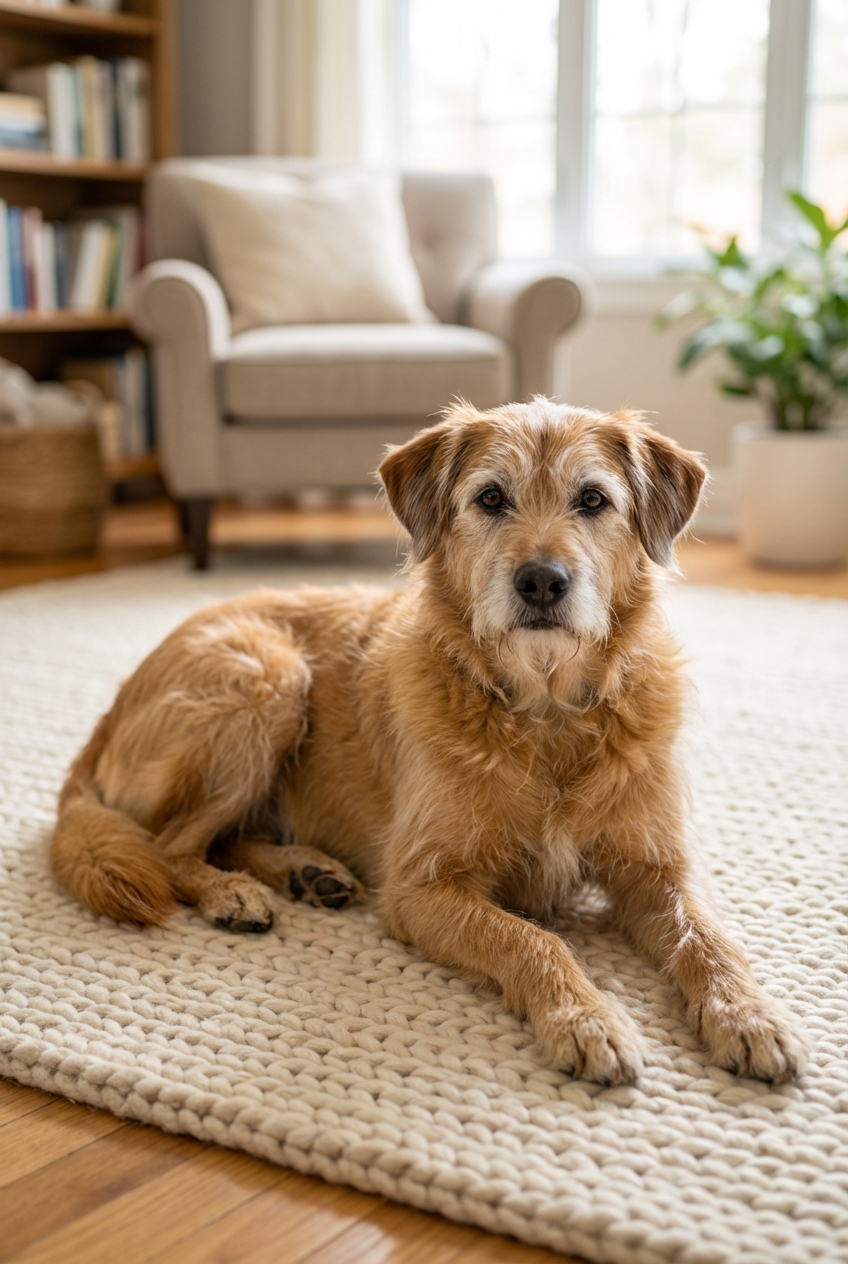
In this article, I will walk you through what CCD is, what signs to watch for, what else can mimic dementia, and what you can do today to help your dog feel safer and more comfortable.
Quick note: This information is educational and not a substitute for veterinary care. If you are worried about new or worsening symptoms, your veterinarian is the best next step.
What CCD is (and is not)
CCD is a brain-aging condition linked to changes in the brain over time. It is often compared to human dementia, but it is not a perfect one-to-one match. CCD can affect:
- Memory and learning (forgetting routines or cues they knew well)
- Sleep patterns (restless nights, pacing, waking up confused)
- Awareness and social behavior (seeming distant, clingy, or disoriented)
- House training (accidents despite a previously solid routine)
Not every “senior moment” means CCD. Aging can bring slower movement, hearing loss, and less tolerance for change. CCD is more about a pattern of cognitive and behavior changes that persist or gradually worsen.
Age notes: CCD is more common as dogs get older. Many dogs show signs around 8 to 10 years, but it varies. Larger breeds often show “senior” changes earlier than smaller breeds.
Common signs (DISHA)
A helpful way to remember many CCD signs is the acronym DISHA. If you notice several of these, especially in an older dog, it is worth a vet visit.
- D: Disorientation (gets stuck behind furniture, stares at walls, seems lost in familiar rooms)
- I: Interaction changes (less greeting, more clingy, avoids touch, new irritability)
- S: Sleep-wake changes (awake at night, sleeping more during the day)
- H: House soiling (new accidents, asks to go out then forgets why)
- A: Activity changes (pacing, repetitive behaviors, less interest in play)
Practical tip: Start a small journal for two weeks. Write down what you see, when it happens, and whether anything seemed to trigger it. This kind of timeline is incredibly helpful for your veterinarian.
When it is urgent
CCD tends to be gradual. If changes are sudden, severe, or paired with neurological or “whole body” symptoms, seek urgent veterinary care. Examples include:
- Seizures, collapse, or fainting
- Sudden head tilt, loss of balance, or circling
- Inability to stand or walk normally
- Severe lethargy, extreme weakness, or unresponsiveness
- Not eating or drinking for a day, or repeated vomiting
- Sudden blindness, obvious eye pain, or very dilated pupils
What can look like CCD
Before we assume CCD, we have to rule out medical issues that can cause similar changes. Some common look-alikes include:
- Pain (arthritis, dental pain, back pain). Pain often causes sleep disruption and irritability.
- Hearing or vision loss. A dog may startle easily, seem to be “ignoring,” or appear disoriented.
- Thyroid disease (hypothyroidism). This more commonly causes lethargy and weight changes, but it can contribute to behavior and energy shifts that muddy the picture.
- Urinary tract infection which can cause accidents and restlessness.
- Kidney or liver disease which can affect appetite, sleep, and mental clarity.
- Brain disease (tumors, inflammation) which may show up as sudden changes or seizures.
Because these can be treatable, a veterinary exam matters. Your vet may recommend bloodwork, a urine test, a blood pressure check, and sometimes imaging, depending on symptoms.
What to do next
1) Book a senior checkup
Bring your journal and, if possible, short videos of pacing, staring, nighttime restlessness, or confusion. Video helps because many dogs act “normal” at the clinic.
2) Make the home easier
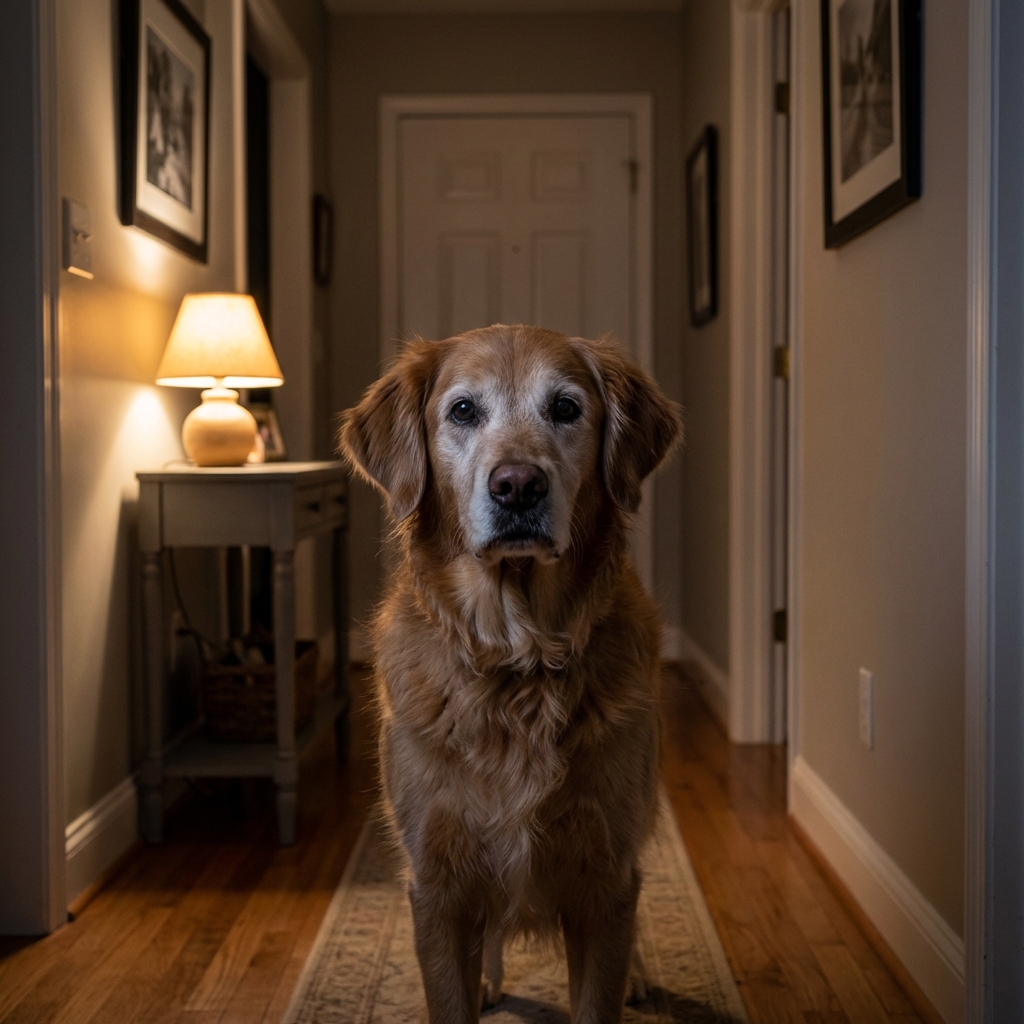
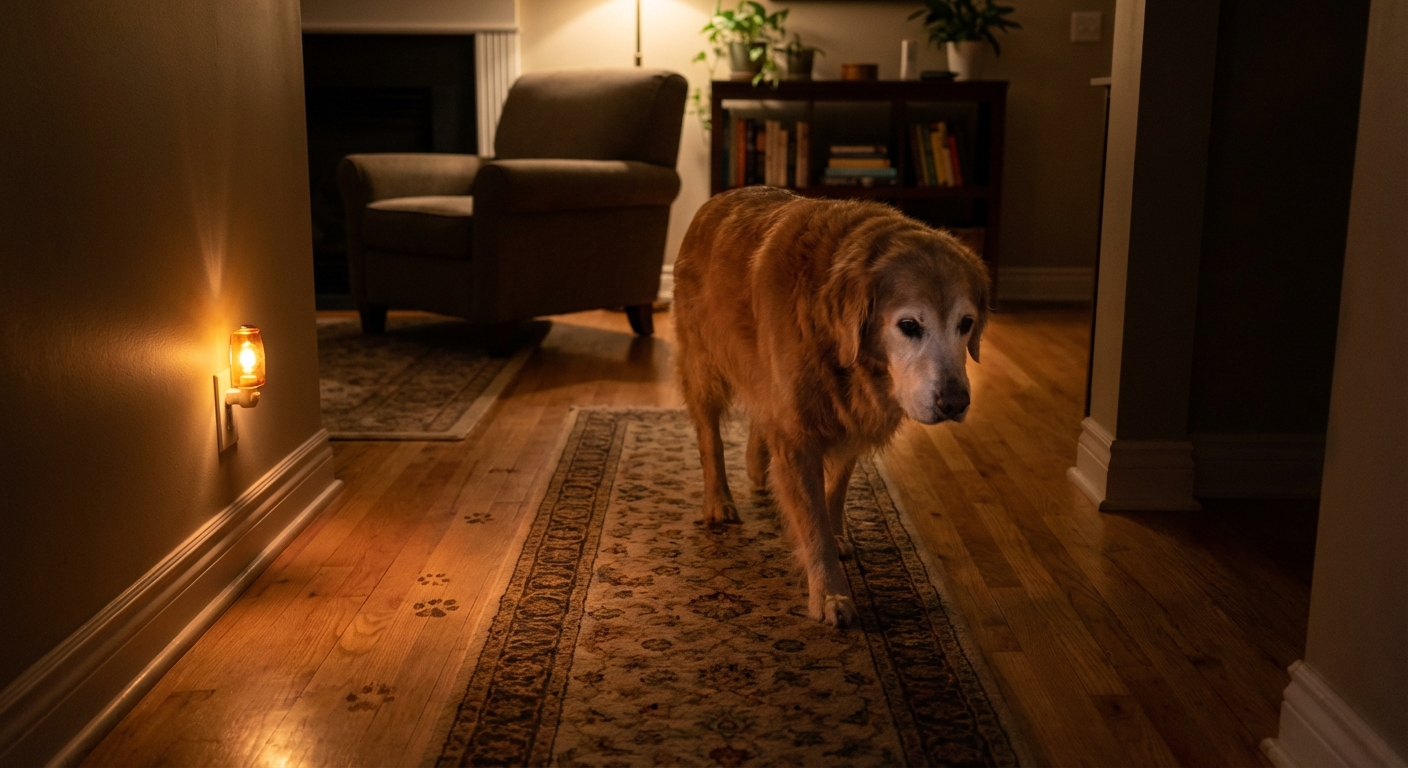
- Use night lights in hallways and near the water bowl.
- Add non-slip rugs to reduce anxiety and falls on slick floors.
- Block off hazards like stairs if your dog wanders.
- Keep furniture consistent. Avoid rearranging if your dog is disoriented.
- Offer easier potty access. More frequent trips reduce accidents and stress.
3) Keep routines gentle and predictable
Dogs with CCD often do best when their day is predictable. Feed, walk, play, and rest at roughly the same times. If your dog gets “sundowning” (worse confusion late day), plan a calm evening routine with a short potty break and a quiet wind-down.
4) Add easy enrichment
Keep it simple and success-based.
- Snuffle mats or scatter feeding on a towel
- Food puzzles that are not overly challenging
- Short training refreshers with high-value treats (sit, touch, find it)
- Gentle walks for sniffing time and mobility
Think “little and often.” Five minutes of enrichment can be more helpful than a long session that frustrates an older dog.
Nutrition and supplements
Food matters because the brain is metabolically active and sensitive to inflammation and oxidative stress. While no diet “cures” CCD, nutrition can support brain function and overall health.
Diet ideas for seniors
- Highly digestible protein to maintain muscle and strength
- Omega-3 fatty acids (especially DHA and EPA) which support brain and joint health
- Antioxidants (vitamins E and C, plus colorful fruits and veggies in dog-safe amounts)
- Consistent calories to maintain a healthy weight
If you feed homemade meals, do it with guidance so nutrients stay balanced. Senior dogs, especially, need careful attention to calories, calcium to phosphorus balance, and essential fatty acids.
Supplements to ask your vet about
Research is still evolving and benefits vary by dog, dose, and underlying health. Use these as adjuncts, not stand-alone solutions, and follow your veterinarian’s plan.
- Fish oil (EPA/DHA)
- MCT oil (medium-chain triglycerides). Some studies suggest it may support brain energy metabolism in older dogs, but dosing and tolerance vary.
- SAMe. Often used for liver support, and sometimes included in senior care plans. Evidence for CCD-specific cognitive improvement is limited, so think of it as a vet-directed add-on when appropriate.
- Veterinary cognitive support diets formulated for brain aging (typically with targeted fatty acids and antioxidant blends)
Safety note: Do not combine multiple supplements without a plan. Seniors may have kidney, liver, or pancreas considerations that change what is appropriate. Also avoid products sweetened with xylitol, which is toxic to dogs.
Vet treatments
Depending on your dog’s symptoms and medical history, your veterinarian may recommend:
- Selegiline (a medication commonly used for CCD in dogs)
- Anxiety support for nighttime restlessness (this can include medications or calming aids)
- Pain management if arthritis or other pain is contributing to sleep issues and irritability
Many dogs improve most when we address the full picture: pain, sleep, anxiety, and cognition together.
Nighttime pacing tips
Nighttime confusion is one of the hardest parts for families. These steps can help:
- Increase daytime light exposure and gentle activity to support a healthier sleep cycle.
- Keep evenings calm with a consistent bedtime routine.
- Do a last potty break right before bed.
- Set up a comfort station: a familiar bed, water nearby, and a night light.
- Loop in your vet early if nights are getting rough. Sleep matters for both of you.
Quality of life
CCD is usually progressive, but the speed varies. Management aims to improve comfort and function, and in some dogs may help slow decline. Reassess monthly or whenever symptoms shift. I like using simple questions:
- Is my dog still enjoying meals and treats?
- Do they have more good days than hard days?
- Can they rest comfortably?
- Are they able to connect with the family in small ways?
If you are unsure, ask your vet for a quality-of-life scale and talk through what “comfort” looks like for your individual dog.
You are not failing your dog if they are aging. Your job is not to stop time. Your job is to keep them comfortable, safe, and loved while you navigate changes together.
Quick action list
- Track symptoms for 2 weeks (notes plus short videos).
- Schedule a senior exam and rule out treatable conditions.
- Add night lights and non-slip rugs, and simplify the environment.
- Keep a predictable routine and offer short enrichment.
- Ask your vet about omega-3s, cognitive diets, and CCD medications if appropriate.