Dog UTI symptoms can mimic stones or other issues. Learn the full treatment plan: urinalysis and culture, correct antibiotics, pain control, hydration, home ...
Article
•
Designer Mixes
Can Dogs Get a UTI?

Shari Shidate
Designer Mixes contributor
Yes, dogs can absolutely get urinary tract infections (UTIs). As a veterinary assistant, I can tell you this is one of those issues that can look “minor” at first, then quickly become painful and complicated if it is ignored. The good news is that most UTIs are very treatable, especially when you catch them early and work closely with your veterinarian.
This guide will help you spot common signs, understand why UTIs happen, and know what to do next so your dog can feel better fast.
What a UTI is and what it is not
A urinary tract infection means germs (most often bacteria) are present in part of the urinary system. In dogs, most infections involve the lower urinary tract, especially the bladder. This is commonly called bacterial cystitis. Less commonly, infection can involve the kidneys (an upper urinary tract infection), which tends to make dogs feel much sicker.
Dogs can also have urinary signs that are not a UTI, including:
- Bladder stones (can mimic a UTI and can also cause UTIs)
- Sterile inflammation (irritation without bacterial infection)
- Urinary crystals (often an incidental finding, but in some dogs they can contribute to irritation or help form stones)
- Incontinence (leaking urine, often seen after spay in females, but it can occur in other dogs too)
- Prostate disease (in male dogs)
- Kidney infection (more serious, often with systemic signs)
That is why “it looks like a UTI” is not the same as “it is a UTI.” Testing matters.
Common signs of a UTI in dogs
Some dogs act obviously uncomfortable. Others are subtle. Watch for:
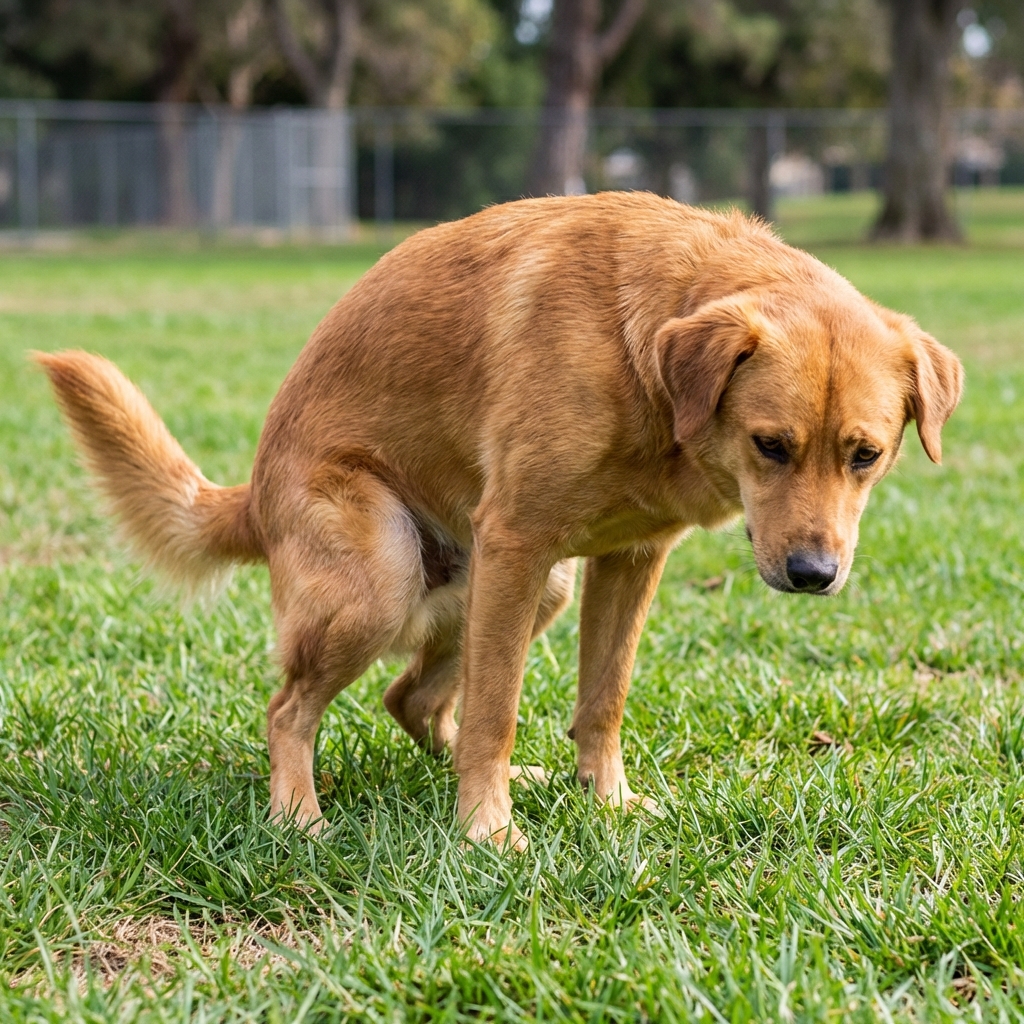
- Frequent attempts to pee, often producing only small amounts
- Straining or taking longer to urinate
- Accidents in the house in a previously house-trained dog
- Blood in the urine (pink, red, or brownish tint)
- Strong-smelling urine
- Increased licking of the vulva or penis area
- Discomfort, restlessness, or whining when trying to urinate
These same signs can also happen with bladder stones or, more urgently, a blockage, so do not assume it is “just a UTI” without checking.
If the problem is moving beyond the bladder, you might also see lethargy, fever, vomiting, poor appetite, or overall “not acting like themselves” (for example, less playful or hiding). That deserves prompt veterinary attention.
When it is an emergency
Some urinary signs can indicate a urinary blockage, which is a true emergency (especially in male dogs). Go to an ER or urgent vet if you notice:
- Repeated straining with little or no urine produced
- Crying out or severe pain while trying to urinate
- Distended belly or sudden weakness
- Vomiting along with urinary trouble
A blockage can become life-threatening in a short time.
Why dogs get UTIs
Many UTIs are “simple” and happen once, then resolve with the right treatment. Others are “complicated” and keep returning because there is an underlying cause. Common risk factors include:
- Female anatomy (shorter urethra can make bacterial entry easier)
- Bladder stones or certain urinary abnormalities
- Diabetes (sugar in urine can promote bacterial growth)
- Cushing’s disease or immune suppression
- Vulvar skin folds, obesity, or chronic moisture around the genitals
- Prostate issues in intact male dogs
- Reduced mobility or habits that may lead to holding urine longer (this can contribute in some dogs)
If your dog has recurrent UTIs, your veterinarian may recommend a deeper workup to stop the cycle rather than just repeatedly treating symptoms.
Diagnosis and why it matters
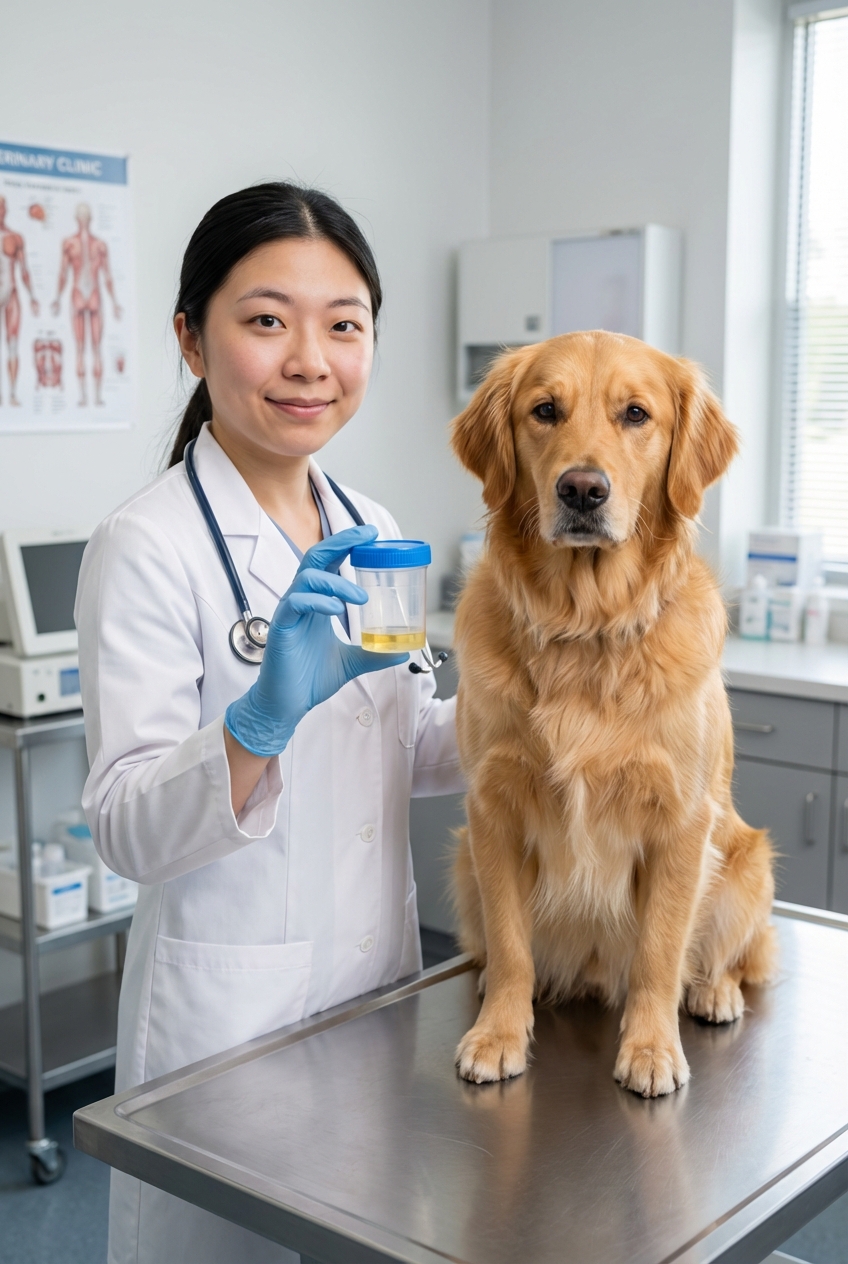
Diagnosis usually starts with a urinalysis, which looks for things like white blood cells, blood, crystals, urine concentration, and bacteria.
If infection is suspected, your vet may recommend a urine culture and sensitivity, which tells:
- What bacteria is present
- Which antibiotic is most effective
This matters because antibiotic resistance is real. Treating “blind” with leftover antibiotics or a random prescription can reduce symptoms temporarily while the infection continues or returns stronger.
How the urine sample is collected
Collection method matters, especially for culture. Your veterinarian may collect urine by:
- Cystocentesis (a sterile sample taken from the bladder using a needle, often best for culture)
- Catheterization (sometimes used in certain situations)
- Free-catch (a sample caught while your dog urinates, which can be useful but is more likely to be contaminated)
If your dog has recurring issues, many veterinarians also recommend imaging such as X-rays or ultrasound to check for stones, masses, or structural issues.
When bacteria does not mean infection
Occasionally, bacteria can be found in a urine sample even when a dog has no symptoms. This is sometimes called subclinical bacteriuria. Treatment decisions vary depending on the dog, the medical history, and upcoming procedures. This is another reason it is important to follow your veterinarian’s guidance rather than treating based on a test result alone.
Treatment: what to expect
Most uncomplicated UTIs are treated with:
- Antibiotics for a prescribed duration (ideally guided by culture when appropriate)
- Pain relief if needed (your vet may prescribe an anti-inflammatory or other medication)
- Recheck testing if symptoms persist or if the infection was complicated
Important: even if your dog seems better after a day or two, finish the full course unless your veterinarian tells you otherwise. Stopping early is one of the easiest ways to set the stage for recurrence.
How fast dogs improve
Many dogs start to feel noticeably more comfortable within 24 to 48 hours of starting the correct treatment. Contact your veterinarian sooner if your dog is not improving within that window, seems worse at any point, or shows any emergency signs (like inability to pass urine).
Supportive care at home
You can do a lot to support healing, alongside veterinary care.
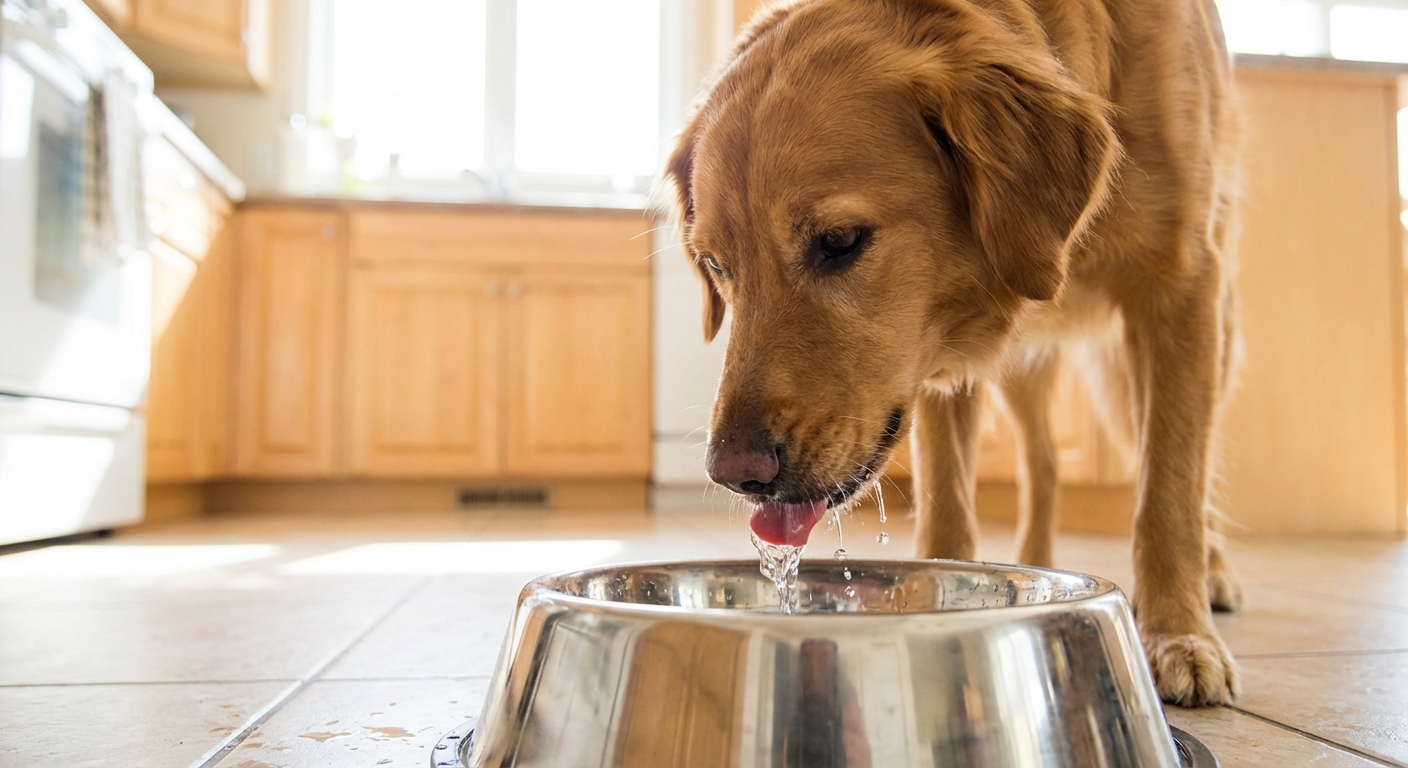
Encourage more water
More hydration can help dilute urine and promote bladder flushing. Try:
- More water bowls around the home
- A pet fountain
- Adding water or low-sodium broth to meals (only if appropriate for your dog’s health conditions)
More frequent potty breaks
Holding urine can worsen irritation. Offer extra breaks, especially for older dogs and small dogs.
Keep the area clean and dry
For dogs with longer hair or skin folds, gently cleaning and drying the area can reduce bacterial buildup.
Do not give human UTI medications
Products meant for people can be unsafe for dogs or can mask symptoms while the underlying problem worsens.
Prevention and long-term help
Food and hydration habits can make a meaningful difference, especially for dogs prone to urinary issues.
Moisture-rich meals
Some dogs do better when they eat more moisture overall. For many families, that means adding gently cooked, balanced homemade components or using canned food. If you want to explore homemade meals, do it thoughtfully and aim for a complete and balanced plan, especially if your dog has a history of stones or crystals.
Ask about stone risk
Not all urinary stones are the same. Some are influenced by urine pH and diet, others less so. If your dog has crystals or stones, the “right” diet is very specific to the type.
Supplements: be cautious
You may hear about cranberry, D-mannose, probiotics, or urinary supplements. Some dogs may benefit, but evidence in dogs is mixed and not definitive. These are not a replacement for antibiotics when there is an active bacterial infection. Always check with your vet first, especially if your dog is on other medications or has a history of stones.
Recurring UTIs: go upstream
If infections keep coming back, long-term success usually comes from addressing root causes, which may include stone management, weight management, hygiene for vulvar folds or chronic moisture, and screening for conditions like diabetes or Cushing’s disease.
UTI vs stones
This is worth repeating because it causes so much frustration for dog parents. Bladder stones can cause:
- Straining
- Blood in urine
- Frequent urination
- Recurrent infections
If a dog keeps “getting UTIs,” the real issue may be stones that irritate the bladder and create a place for bacteria to hide. Imaging is often what finally solves the mystery.
Questions to ask your veterinarian
- Was a urinalysis performed, and what did it show?
- How was the urine sample collected, and do we need a urine culture to choose the best antibiotic?
- Should we do a recheck urine test after treatment?
- Is there concern for stones, diabetes, Cushing’s, or other underlying causes?
- What signs would mean we should come back sooner or go to the ER?
You are your dog’s best advocate. If something feels off, trust that instinct and ask.
Bottom line
Dogs can get UTIs, and they are common. The most helpful approach is simple: recognize the signs early, get urine testing, follow the treatment plan fully, and investigate deeper if UTIs keep coming back. With prompt care and a little prevention, most dogs get comfortable again quickly.