Most dogs can enjoy plain cucumber as a crunchy, low-calorie treat. Get vet-friendly serving tips, portion guides by size, choking precautions, and when to a...
Article
•
Designer Mixes
Can Dogs Eat Zucchini? Serving Sizes Guide

Shari Shidate
Designer Mixes contributor
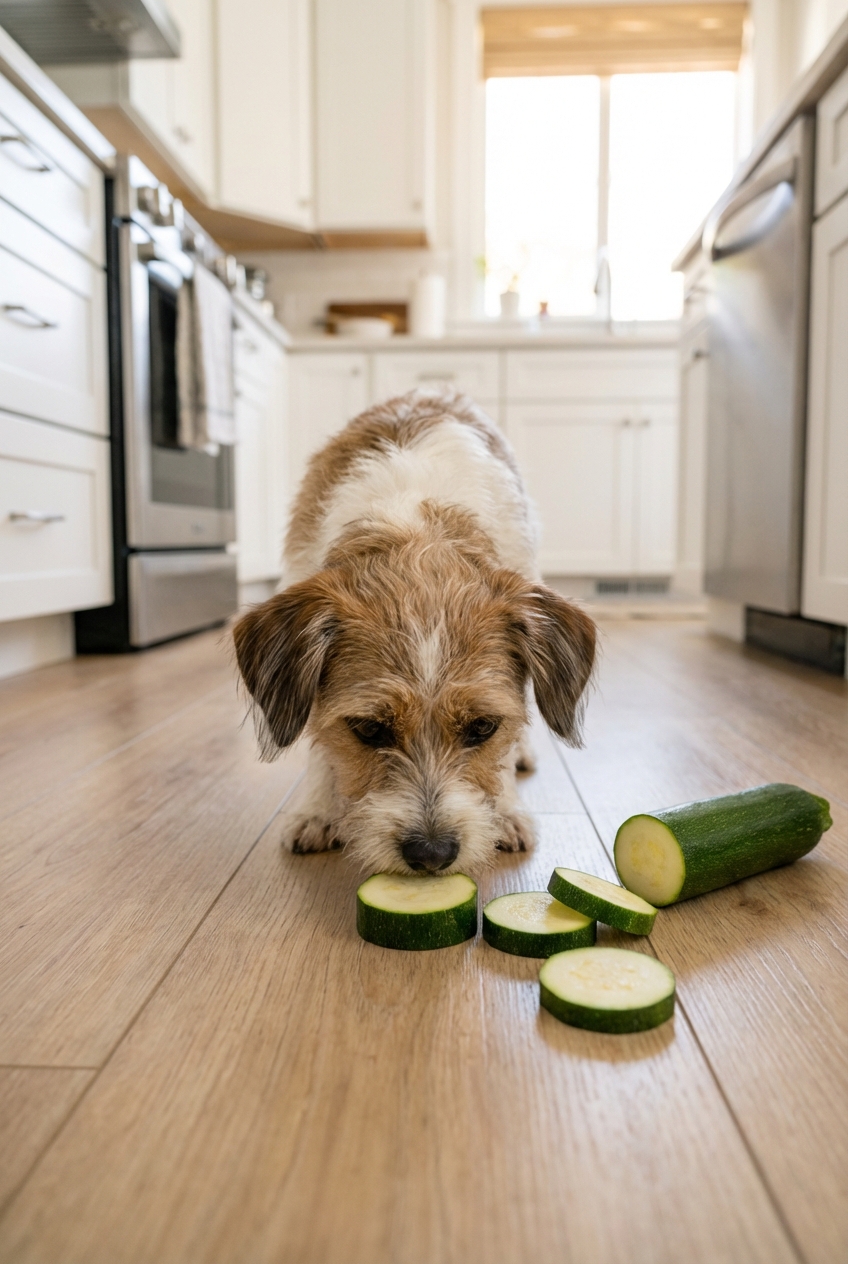
Yes, most dogs can eat zucchini, and it can be a wonderful low-calorie, high-water snack that adds a little extra fiber to your pup’s day. As a veterinary assistant here in Frisco, Texas, I like zucchini because it is simple, affordable, and easy on many dogs’ stomachs when served the right way.
The key is portion size and preparation. Too much zucchini can still upset your dog’s stomach and intestines, especially if they are not used to vegetables.
Quick safety note: This is general guidance. Your veterinarian knows your dog’s medical history and can give the most personalized advice.
Is zucchini safe for dogs?
For healthy dogs, plain zucchini is generally safe. It is not considered toxic to dogs, and it is a common vegetable used in many homemade dog food recipes.
One rare exception: bitter zucchini
Store-bought zucchini is rarely a problem, but home-grown zucchini can occasionally contain higher levels of compounds called cucurbitacins, which taste very bitter and can cause severe gastrointestinal upset.
- If you grow your own zucchini: taste a tiny piece first. If it tastes bitter, do not feed it to your dog.
- When in doubt, skip it and choose a different veggie.
What zucchini offers
- Hydration boost: Zucchini has a high water content, which can be a nice extra for many dogs.
- Fiber: A small amount can support regular stools.
- Micronutrients: It contains small amounts of vitamins and minerals such as vitamin C, vitamin B6, potassium, and manganese.
- Weight-friendly crunch: It is low in calories compared to many treats.
Think of zucchini as a healthy “add-on,” not the main course. Your dog still needs a complete and balanced diet with the right protein, fat, vitamins, and minerals.
Also important: Zucchini is not a substitute for drinking water. If your dog consistently does not want to drink, check in with your vet.
Serving sizes by dog weight
When introducing zucchini (or any new food), start small and increase slowly over several days. In general, treats and extras (including veggies) should make up no more than 10% of your dog’s daily calories.
Because calorie needs vary by age, activity level, and diet, the amounts below are best used as conservative starting portions for most healthy dogs.
Simple portion guide (per day)
- Toy dogs (under 10 lb): 1 to 2 teaspoons finely chopped or mashed zucchini
- Small dogs (10 to 25 lb): 1 to 2 tablespoons
- Medium dogs (26 to 60 lb): 2 to 4 tablespoons
- Large dogs (61 to 90 lb): 1/4 to 1/3 cup
- Giant dogs (over 90 lb): 1/3 to 1/2 cup
Tip: If your dog is brand new to veggies, start with half of the amounts above for the first 2 to 3 days.
How often? A few times per week is plenty for most dogs, but it can be offered daily if your dog tolerates it well and it stays within that 10% “extras” limit.
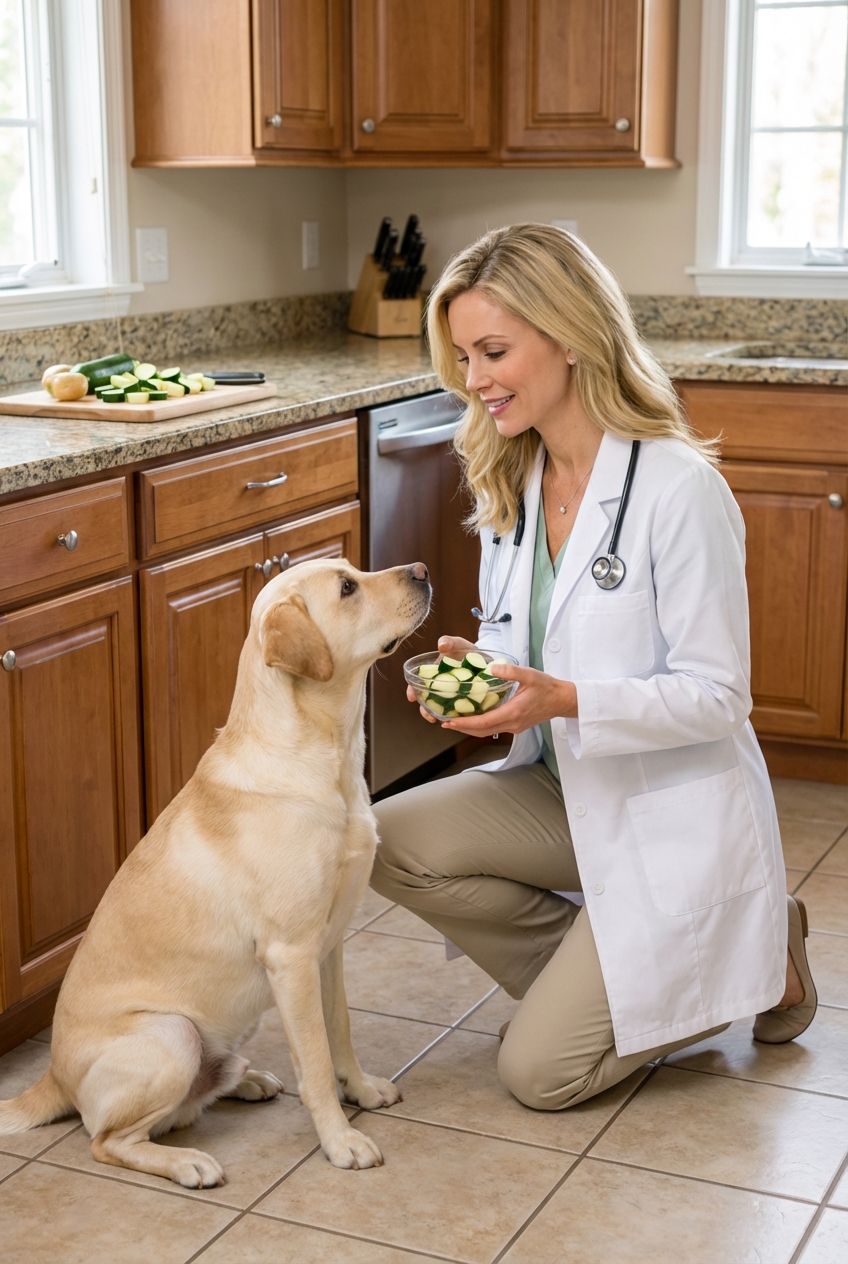
Best ways to prepare zucchini
The healthiest zucchini for dogs is plain. No salt, no garlic powder, no onion, and no buttery sauces. Also skip store-prepared, pre-marinated, or seasoned zucchini sides. Seasoning blends often contain onion or garlic.
Good options
- Lightly steamed: Softens the fiber and is often easiest for sensitive stomachs.
- Grated raw zucchini: Works for many dogs, especially if mixed into their food, but introduce slowly.
- Roasted plain: Roast with no oil, then cool completely before serving.
- Pureed: Great for stuffing a food toy or mixing into a meal.
Quick prep steps
- Wash well.
- Trim the ends.
- Cut into bite-sized pieces to reduce choking risk.
- Serve plain and cooled.
Choking tip: For fast eaters, skip thick raw rounds. Thin sticks, small cubes, grated zucchini, or puree are usually safer.
Peels and seeds: Zucchini skin and seeds are typically fine, but for dogs with very sensitive digestion, peeling and serving cooked zucchini can be gentler.
When zucchini can be a problem
Even safe foods can cause issues in the wrong form or quantity. Watch your dog closely the first few times.
Possible side effects
- Gas or loose stool: Most common when too much is given too fast.
- Vomiting: Can happen if your dog gulps large chunks or has a sensitive stomach.
- Constipation: Less common than diarrhea, but possible with sudden diet changes in some dogs.
Skip it or ask your vet first if
- Your dog has a history of pancreatitis. Plain zucchini is low fat, but oils, butter, cheese, and rich toppers are the danger.
- Your dog is on a prescription diet (for kidney disease, bladder stones, GI disease, or allergies).
- Your dog has diabetes and you are changing snacks regularly, since consistency matters.
Important: Never give zucchini prepared with onions, garlic, chives, or heavy seasonings.
Red flags (call your vet)
Stop feeding zucchini and contact your veterinarian if you see repeated vomiting, blood in the stool, severe diarrhea, marked lethargy, abdominal pain, or facial swelling, hives, or intense itching (allergy is rare, but possible).
Using zucchini as a treat
If your dog loves to snack, zucchini can help you cut calories while still giving them something crunchy and satisfying. Just keep it within the 10% extras guideline and adjust other treats that day.
Easy treat ideas
- Zucchini “confetti” topper: Sprinkle a teaspoon to a tablespoon of grated zucchini over kibble.
- Frozen zucchini bites: Steam, cool, then freeze small pieces for a hot day.
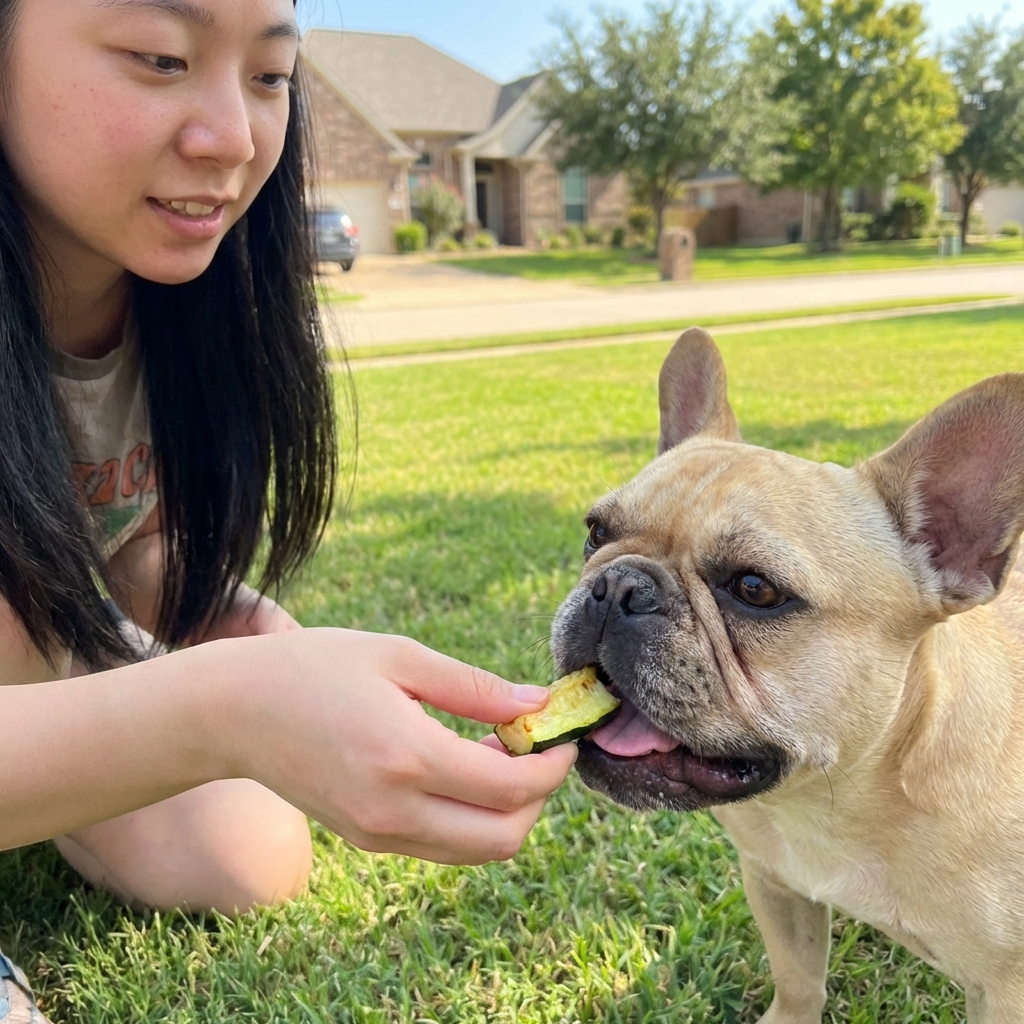
- Training treat swap: Use tiny cooked cubes for quick reward sessions, then reduce other treats that day.
Zucchini bread, chips, or fried?
These are best avoided. Zucchini is the healthy part, but the extras are not.
- Zucchini bread and muffins: Often high in sugar and fat. Some contain xylitol, which is extremely toxic to dogs.
- Zucchini chips: May contain too much salt, seasoning, or oil.
- Fried zucchini: Too greasy for many dogs and can trigger vomiting or diarrhea.
Signs your dog does well
Once your dog tolerates zucchini, you may notice a few small wins:
- Normal, well-formed stools
- Good appetite and energy
- Less begging if zucchini replaces higher-calorie treats
If you see persistent diarrhea, vomiting, or discomfort, stop the zucchini and check in with your veterinarian.
Bottom line
Zucchini can be a safe, gentle, weight-friendly snack for most dogs when served plain and in sensible portions. Start with a small amount, keep treats and extras to 10% or less of daily calories, and let your dog’s stool and comfort level guide you. When you keep it simple, little whole-food additions like this can be a nice step in the right direction.