
A practical guide to dog-safe fruits, smart portions, and safe prep. Learn which fruits to offer (like apples and blueberries) and which to avoid—especiall...
Article
•
Designer Mixes
Can Dogs Eat Watermelon? Rinds, Seeds, and Safe Serving Tips

Shari Shidate
Designer Mixes contributor
Yes, most dogs can eat watermelon, and it can be a refreshing, hydrating treat on a hot Texas day. Watermelon is mostly water, has a little fiber, and offers nutrients like vitamin C and beta-carotene (a vitamin A precursor). The key is serving it the safe way: no rind, remove seeds, and small portions .

Is watermelon good for dogs?
In appropriate amounts, watermelon can be a healthy treat for many dogs. It is not a complete food, but it can be a smart “sometimes snack” when you want something low in calories compared with many commercial treats.
- Hydration: Watermelon is about 90% water, which can help support hydration, especially in warm weather.
- Vitamins: It contains vitamin C (antioxidant support) and beta-carotene (a vitamin A precursor that supports vision and immune health).
- Fiber: Small amounts of fiber may help some dogs, but too much can cause loose stool.
Good rule: Treats, including fruit, should stay under about 10% of your dog’s daily calories .
Seeds and rinds: what’s safe
Can dogs eat watermelon seeds?
It is best to avoid seeds. A few seeds in a big dog probably will not cause a problem, but swallowing many seeds can increase the risk of stomach upset or constipation. In smaller dogs, seeds can be more of a concern because their intestinal tract is narrower, and choking is also a possibility with any hard, swallowable item.
- Seedless watermelon is the easiest option.
- Even “seedless” melons can have small, soft white seeds. Those are usually less concerning, but it is still best to remove what you can.
- If you buy seeded watermelon, remove seeds before serving.
Can dogs eat watermelon rind?
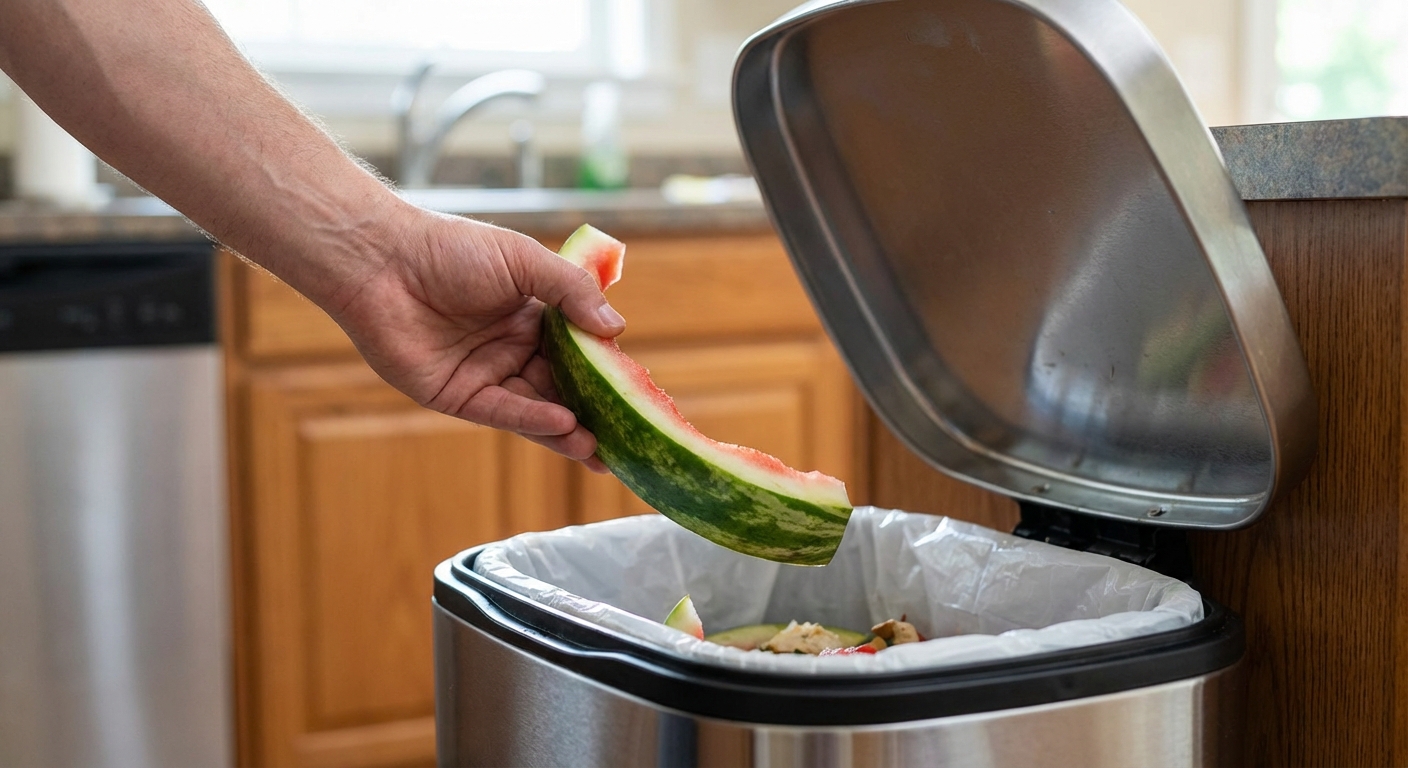
No, skip the rind. Veterinary clinics commonly see rind as one of the most frequent “watermelon problems.” The tough, fibrous rind, including the white layer closest to it, is difficult to digest and can cause:
- Vomiting or diarrhea
- Abdominal discomfort and gas
- GI obstruction risk, especially in dogs that gulp food or in smaller breeds
If your dog steals rind from the trash or counter, watch closely for vomiting, repeated retching, bloated belly, lethargy, loss of appetite, or straining to poop. If you see these signs, call your veterinarian promptly.
How to serve watermelon safely
Keep it simple. Your goal is bite-sized pieces with no choking hazards.
- Wash the outside of the melon before cutting to help reduce transferring bacteria from the rind to the flesh.
- Choose seedless watermelon when possible.
- Remove all rind and any visible seeds.
- Cut into small cubes appropriate for your dog’s size.
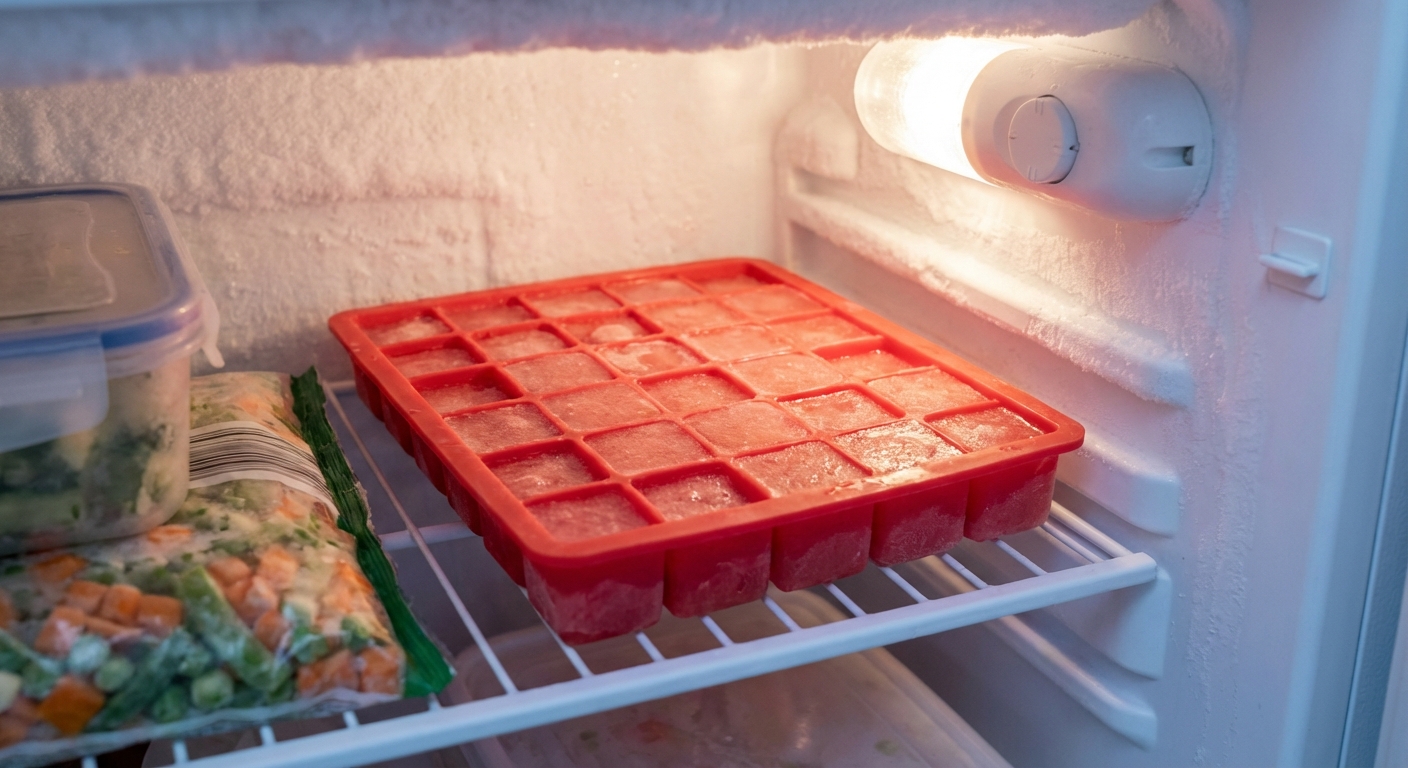
- Serve fresh or frozen for a cooling treat, but supervise frozen treats, especially if your dog tends to gulp food. Consider slightly thawed pieces for fast eaters.
- Offer plain only: no salt, no chili powder, no lime, no sweeteners.
Portion suggestions
Every dog is different, so start smaller if it is your dog’s first time.
- Toy and small dogs: start with 1 to 2 teaspoons (or 1 to 2 small cubes)
- Medium dogs: start with 1 to 2 tablespoons (or 3 to 6 cubes)
- Large dogs: start with 1/4 cup (a small handful of cubes)
Fun, safe ideas
- Frozen cubes: Great for quick enrichment on warm days. Serve a size your dog can safely chew, and supervise.
- Watermelon “pupsicle”: Blend seedless watermelon, then freeze in a silicone mold. (No xylitol, no added sugar.)
- Mix with a spoon of plain yogurt: If your dog tolerates dairy, a small spoon of plain, unsweetened yogurt (ideally with live active cultures) may add a bit of protein. Stop if you notice gas or loose stool.
When watermelon is not a good idea
Watermelon is not right for every dog or every situation. Check with your veterinarian if your dog has medical conditions where sugar, fiber, potassium, or new foods are risky.
- Diabetes or weight management: Watermelon contains natural sugars, so portions should be very small, if offered at all.
- Sensitive stomach: Some dogs get diarrhea from fruit even in small amounts.
- History of pancreatitis: Watermelon is low fat, but dogs with a sensitive GI tract often do best when you stick closely to your veterinarian’s treat plan.
- Kidney disease or prescription diets: Some dogs need tighter control of certain nutrients (including potassium) or overall treats. Ask your vet before adding fruit.
- Food allergies or IBD: Introduce only with guidance and a careful plan.
Signs your dog ate too much
A little too much watermelon usually causes mild stomach upset. Rind is more concerning.
- Loose stool or diarrhea
- Vomiting
- Excess gas
- Decreased appetite
- Straining to poop or producing very little stool
- Restlessness, abdominal pain, or a bloated belly
Call your vet if vomiting is repeated, your dog seems painful or lethargic, there is blood in the stool, or you suspect rind was swallowed.
Quick takeaways
- Yes: Watermelon flesh in small amounts can be a safe treat for most dogs.
- No: Avoid the rind. Remove seeds when possible.
- Start small: Introduce slowly and watch stool and overall comfort.
- Keep it plain: No seasonings or sweeteners.
For a personalized serving size and the safest plan for your dog’s health needs, consult your veterinarian.