A vet assistant’s guide to safe homemade dog treats: vet-friendly ingredients, common toxins to avoid, 3 simple recipes, portion guidance, and storage best...
Article
•
Designer Mixes
Can Dogs Eat Tomatoes? Ripe vs Green

Shari Shidate
Designer Mixes contributor
Tomatoes are one of those kitchen staples that seem harmless, until your dog steals a cherry tomato off the counter or chews a leafy vine in the garden. As a veterinary assistant, I get this question a lot: can dogs eat tomatoes, and does it matter if they are ripe or green?
Here is the practical, veterinary toxicology based answer: ripe tomato fruit is usually safe in small amounts for most dogs, while green tomatoes and the tomato plant (leaves, stems, vines) are higher risk because they contain higher levels of natural toxins called glycoalkaloids, especially tomatine (and related glycoalkaloids).
One more important distinction: some dogs can still get an upset stomach from ripe tomato. That is an intolerance, not necessarily “poisoning.”
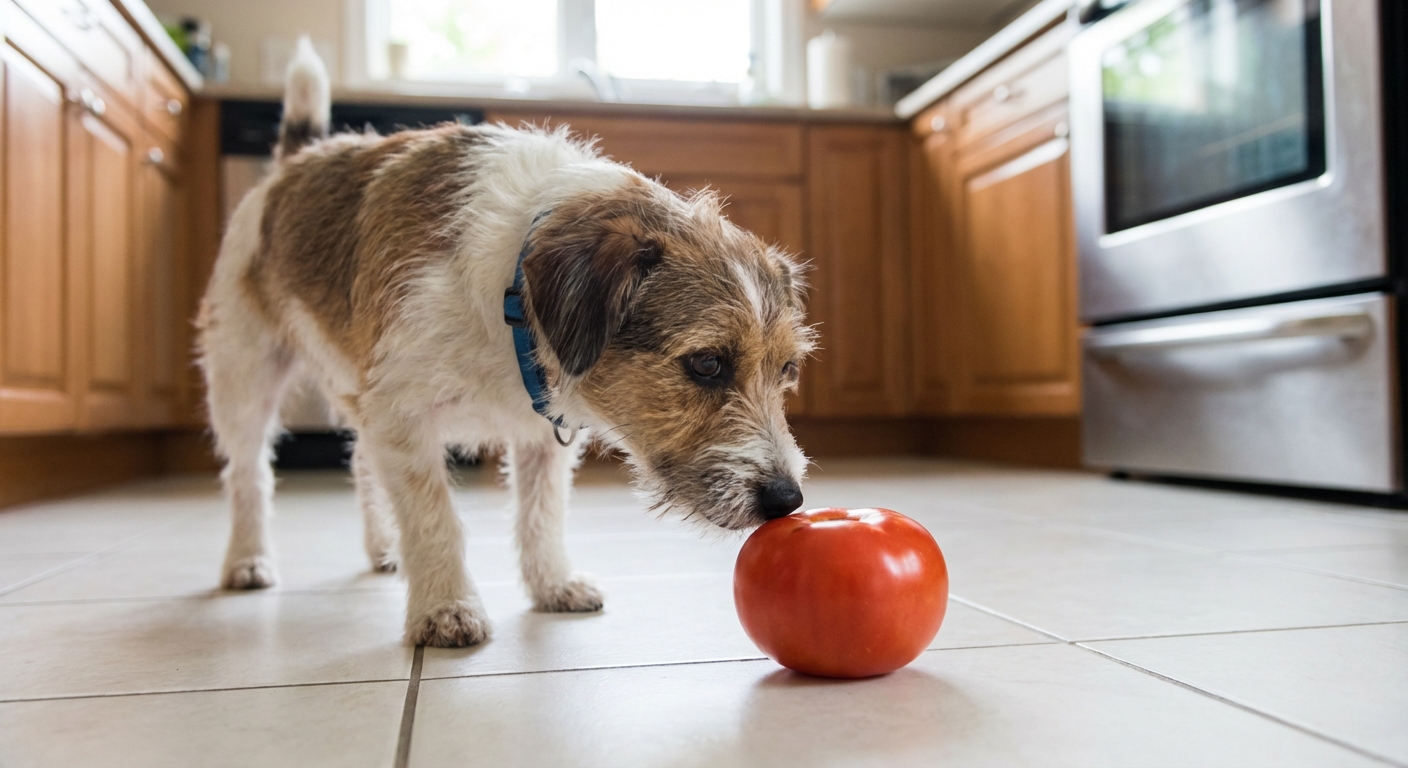
Ripe vs green
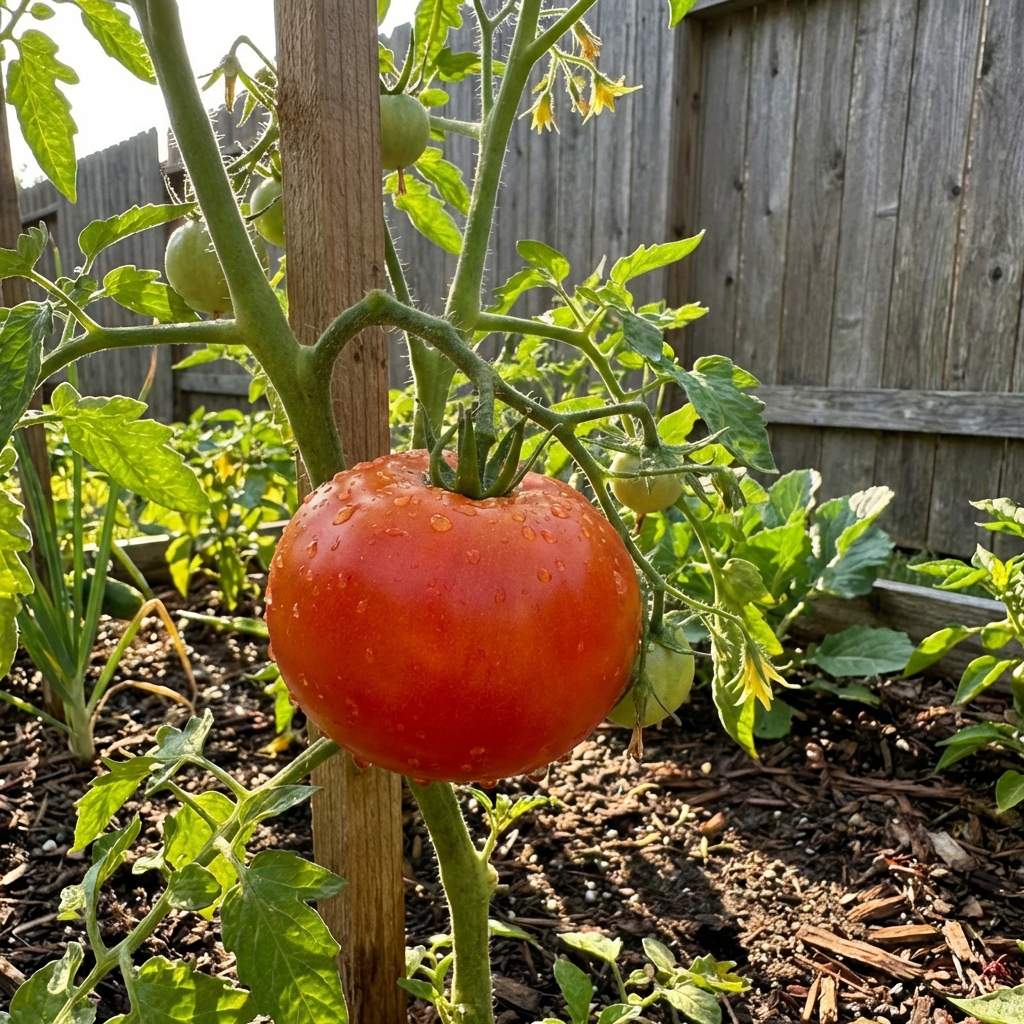
Tomatoes are in the nightshade family. Like other nightshades, they naturally produce glycoalkaloids. The key point is that tomatine levels are much higher in unripe (green) tomatoes and in the plant itself. As tomatoes ripen, glycoalkaloid content generally drops, which is why the fully ripe red fruit is the lowest-risk part.
Quick safety breakdown
- Ripe red tomato flesh: generally safe as an occasional treat in small amounts for healthy dogs.
- Green (unripe) tomatoes: higher tomatine, more likely to cause stomach upset and toxicity if enough is eaten.
- Leaves, stems, vines: highest risk and a common issue for dogs who raid gardens.
- Flowers and small green fruit on the plant: also higher risk than ripe fruit.
Skip the greens. Do not offer the stem, leaves, or “top” bits, and do not let your dog chew on vines.
Sauce, salsa, ketchup
This is where many dogs get into trouble, not from the tomato itself, but from what humans add to it.
- Plain ripe tomato: usually fine in small amounts.
- Tomato sauce and pasta sauce: often contain garlic, onion, excess salt, and sugar. Onion and garlic can damage red blood cells and are a bigger risk than the tomato.
- Salsa: may include onion, garlic, hot peppers, and lots of salt, which can trigger significant GI irritation.
- Ketchup: typically high in sugar and salt, and sometimes includes onion or garlic powder.
- Pizza and seasoned tomato foods: risk increases because of seasonings, fats, and sodium. The fat and rich ingredients can be a pancreatitis concern for some dogs.
If your dog got into a tomato-based human food, check the ingredient list. Very often, the bigger concern is allium ingredients like onion or garlic, not the tomato.
Toxicity signs
Mild exposures often look like an upset stomach. Larger ingestions of plant material or green tomatoes can cause more noticeable symptoms.
Common signs
- Drooling
- Vomiting
- Diarrhea
- Reduced appetite
- Lethargy
- Abdominal discomfort
Less common serious signs (urgent care)
These are rarer and typically tied to larger ingestions, especially of leaves and vines.
- Weakness or trouble walking
- Tremors
- Confusion or unusual behavior
- Slow heart rate
- Worsening, persistent vomiting or diarrhea
Severity depends on how much was eaten, which part (fruit vs plant), and your dog’s size and sensitivity.
What to do
If it was ripe fruit
If your dog ate a small amount of ripe tomato and is acting normal, you can usually monitor at home. Offer water, and skip rich treats for the rest of the day.
Call your veterinarian if you see repeated vomiting, persistent diarrhea, marked lethargy, or if your dog is very small or has other health issues.
If it was green or plant parts
Remove access immediately and try to estimate how much was eaten. Then call your veterinarian or a pet poison hotline for guidance, especially if your dog is small or has any symptoms.
Have this ready
- Your dog’s weight
- What was eaten (ripe fruit, green fruit, leaves, stems)
- Approximate amount
- Time since ingestion
- Current symptoms, if any
When in doubt, call. Early advice can prevent a long night of vomiting, dehydration, and an emergency visit.
Poison help resources (fees may apply): ASPCA Animal Poison Control and Pet Poison Helpline can provide case-specific guidance if your vet is unavailable.
How much is safe?
For most healthy dogs, treat ripe tomato like a small topper or treat, not a meal component. Treats should make up less than 10 percent of your dog’s daily calories.
- Small dogs: 1 to 2 small bites
- Medium dogs: a few small pieces
- Large dogs: several small pieces, if tolerated
Choking tip: whole cherry or grape tomatoes can be a choking hazard, especially for small dogs. Cut them in halves or quarters.
Start smaller than you think, especially if your dog has a sensitive stomach. And always wash the tomato to remove pesticides or garden chemicals.
Who should avoid them?
Even ripe tomatoes are not ideal for every dog. Consider skipping them if your pup has:
- Chronic GI sensitivity or frequent diarrhea
- Food allergies or a restricted veterinary diet
- Kidney or heart disease where sodium management is important (especially avoid sauces)
- History of pancreatitis or needs a low-fat diet (avoid pizza, oily sauces, and rich add-ons)
Also, avoid giving tomatoes to dogs who are likely to go from “a taste” to “I will eat the entire garden.” For those pups, management matters more than the ingredient list.
Garden safety
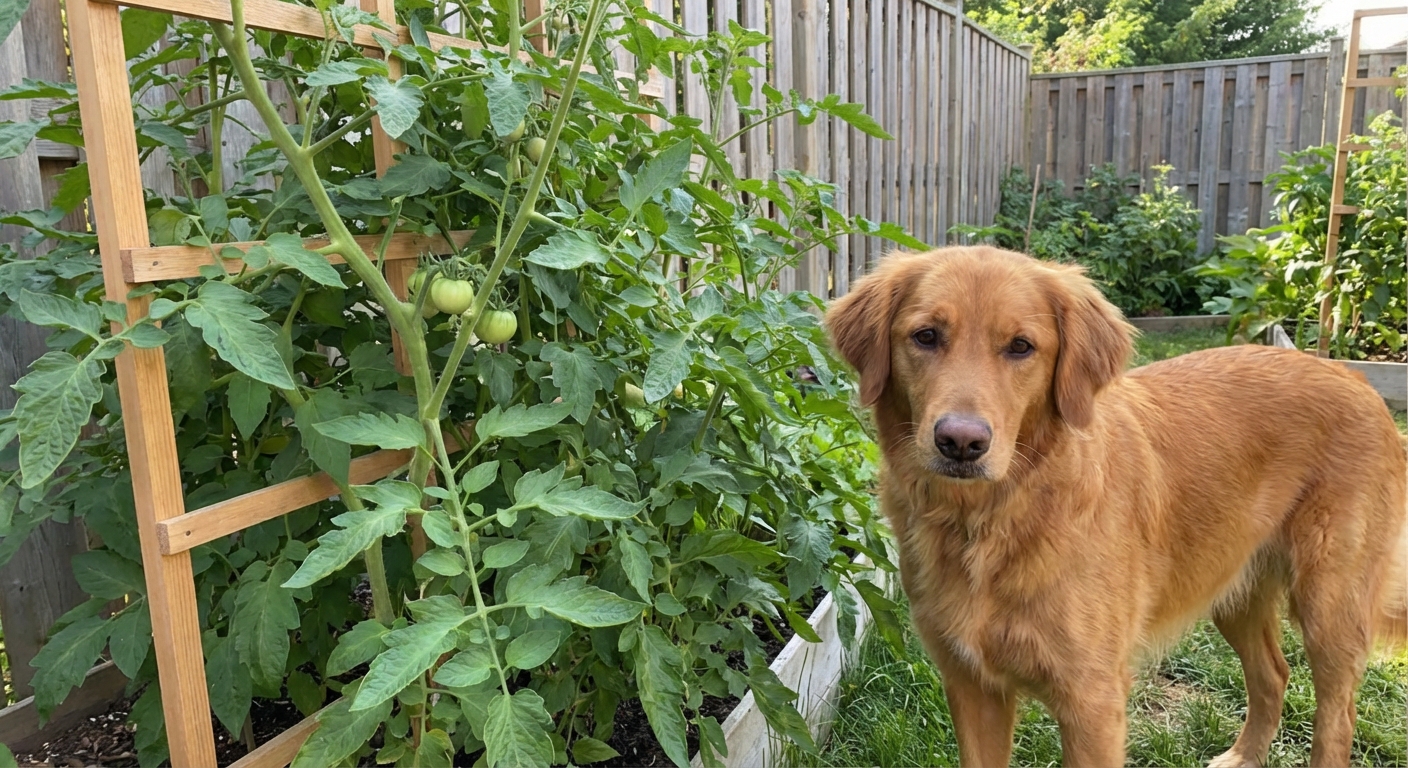
- Fence off tomato plants or use raised beds your dog cannot access.
- Pick ripe fruit promptly so it does not drop to the ground.
- Remove pruned leaves and stems from your yard immediately.
- Store harvested green tomatoes out of reach on counters your dog cannot access.
- Be cautious with fertilizers and pesticides, which can add an additional layer of risk.
Bottom line
Most dogs can eat small amounts of ripe tomato safely. The bigger risks come from green tomatoes and especially tomato plant material, plus human foods made with tomato that contain onion, garlic, heavy salt, and spices.
If your dog ate the plant or a large amount of unripe tomatoes, or if you notice vomiting, diarrhea, weakness, tremors, or unusual behavior, contact your veterinarian right away.