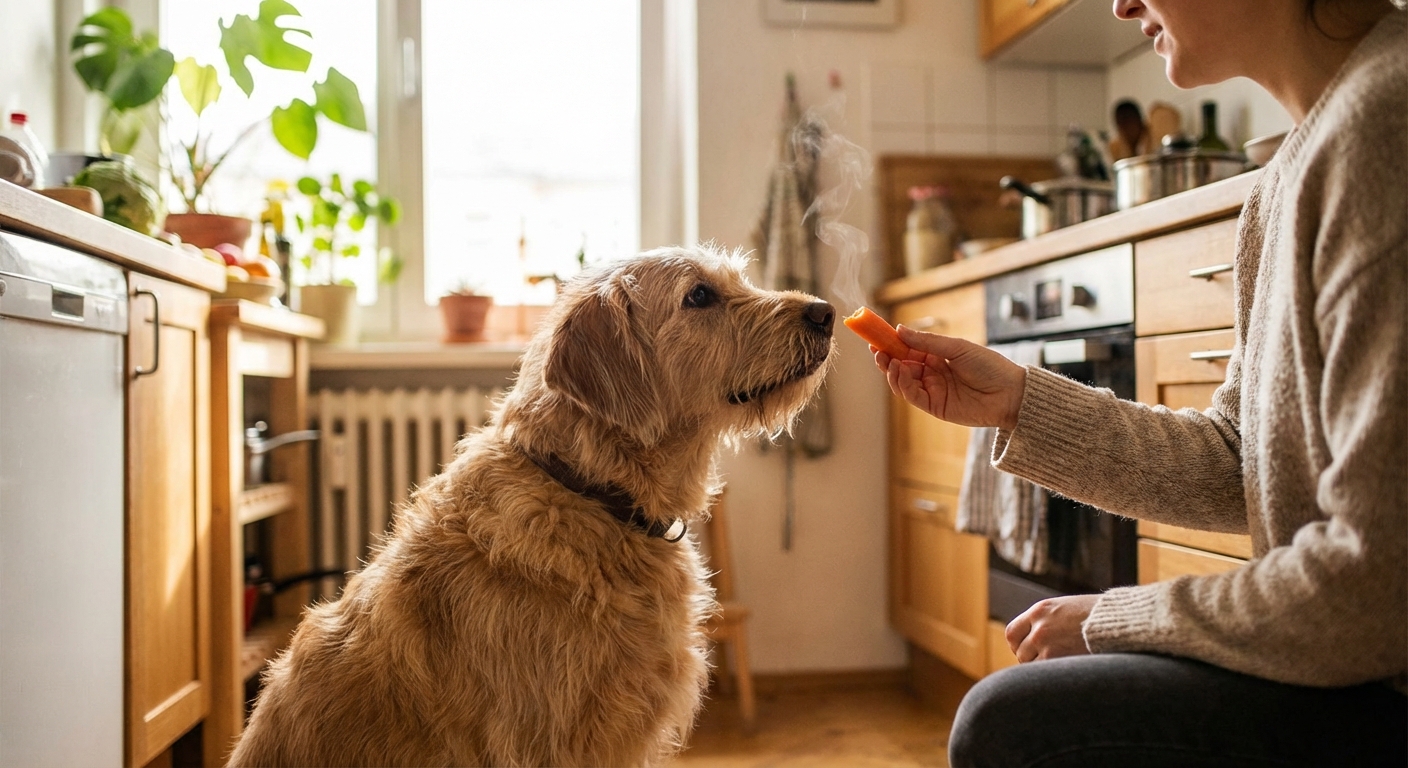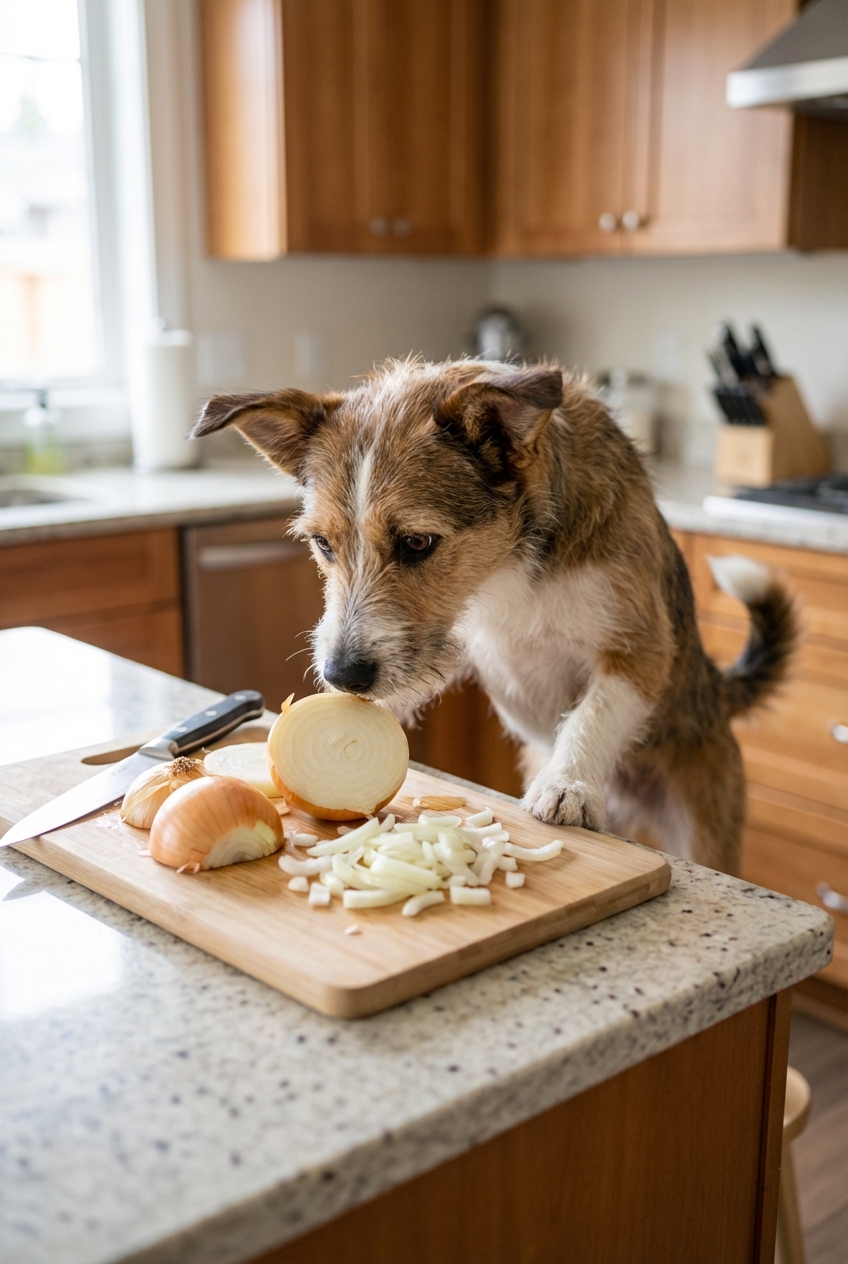
Onions are toxic to dogs—even cooked or in powder. Learn hidden sources in common foods, signs of onion poisoning and anemia, and the steps to take if your...
Article
•
Designer Mixes
Can Dogs Eat Tomatoes?

Shari Shidate
Designer Mixes contributor
Tomatoes are one of those foods that can be both “mostly fine” and “potentially risky” for dogs, depending on which part of the plant they get into and how much they eat. As a veterinary assistant, I see this come up a lot because tomato plants are common in backyards, and curious dogs love to browse.
Here is the simplest way to remember it: ripe red tomato flesh is generally safe in small amounts, but the green parts of the plant can be dangerous.
Quick answer: Are tomatoes safe for dogs?
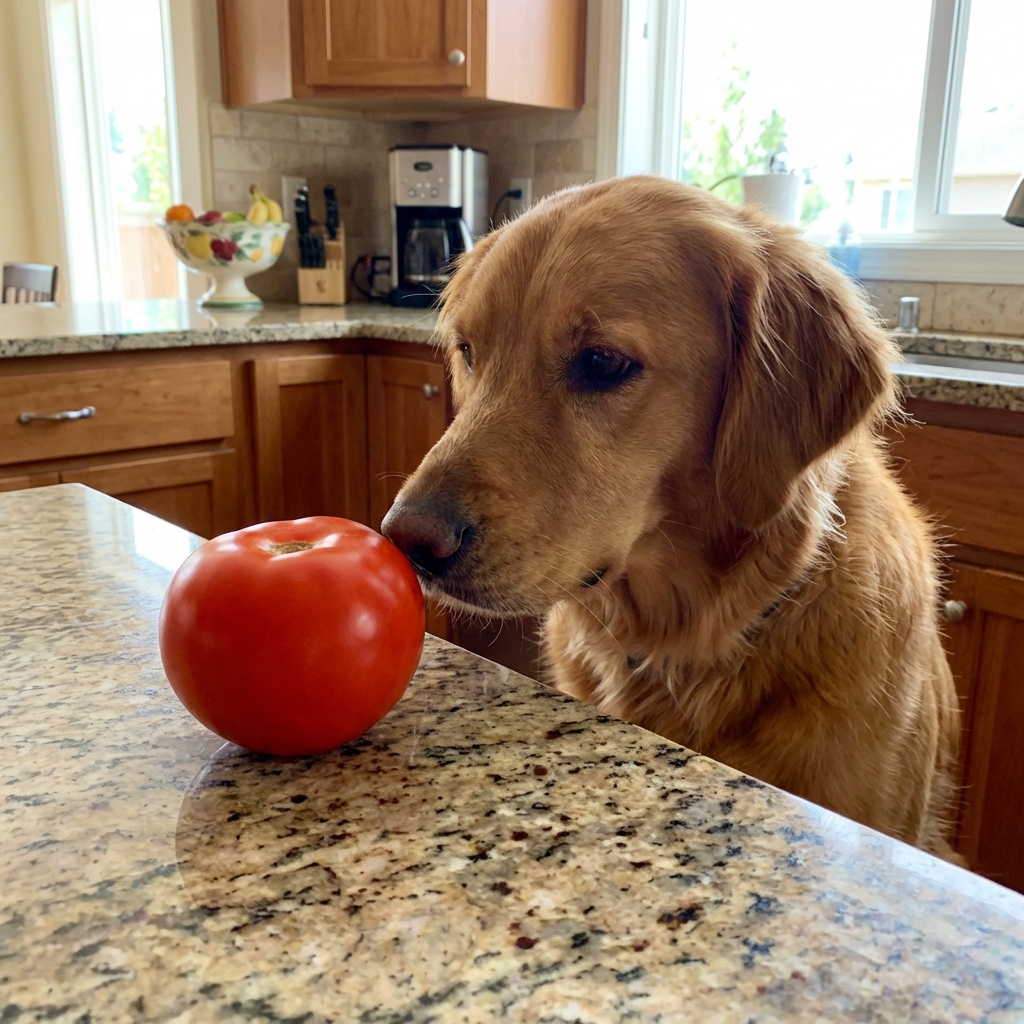
Yes, many dogs can eat ripe tomatoes in small amounts as an occasional treat. Ripe tomato flesh is mostly water and contains small amounts of fiber and nutrients (like vitamin C and potassium), but it is not something dogs need in their diet.
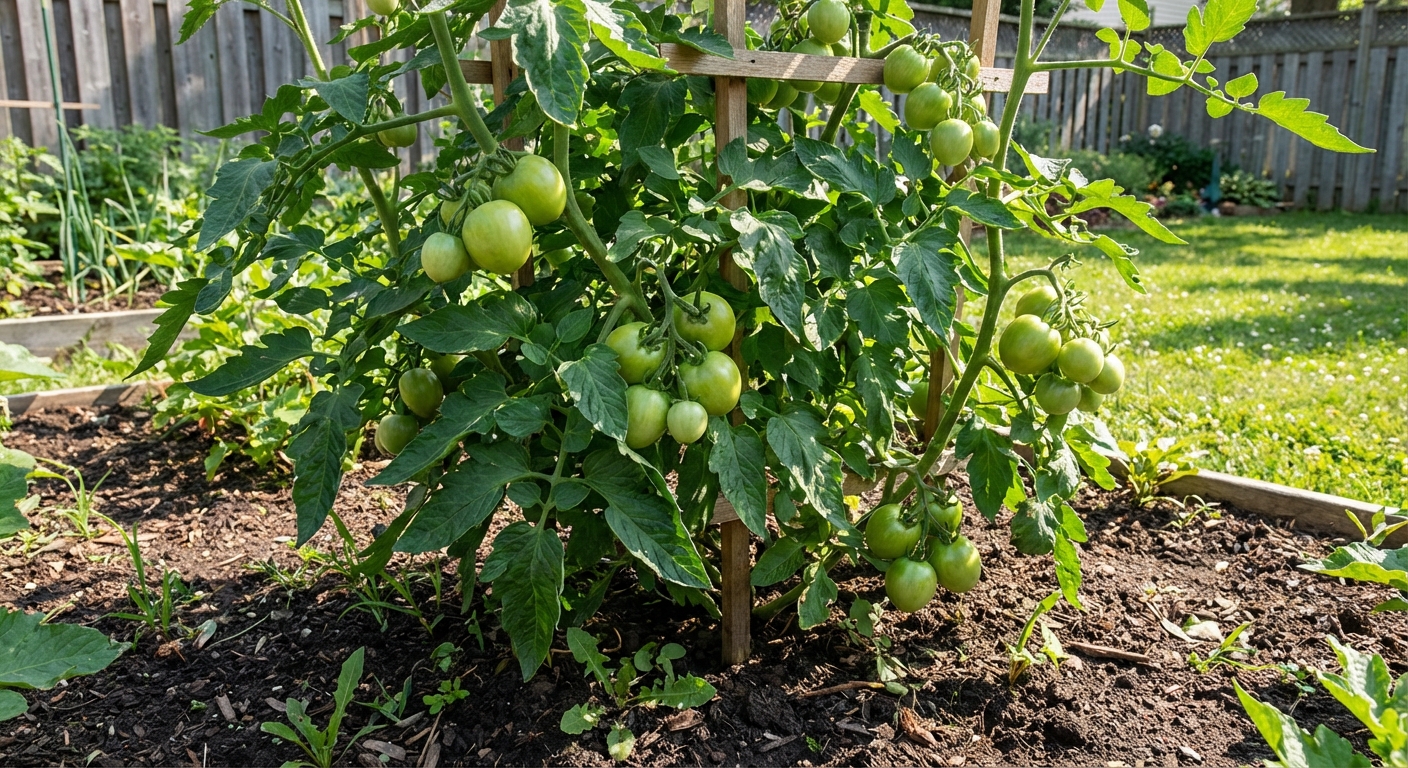
No, dogs should not eat unripe green tomatoes or the green parts of the tomato plant (stems, leaves, vines). Those areas contain higher levels of natural plant chemicals called glycoalkaloids (for example, tomatine and related compounds), which can upset the digestive system and, with larger exposures, cause more serious signs.
Why the green parts are the problem
Tomatoes are in the nightshade family (along with potatoes and eggplant). Nightshades produce glycoalkaloids to protect themselves from pests. In tomato plants, tomatine is one of the main ones we worry about.
These compounds are most concentrated in:
- Leaves
- Stems and vines
- Flowers
- Unripe green tomatoes
As the fruit ripens and turns red, glycoalkaloid levels typically drop. That is why ripe tomato flesh is far less concerning than the plant itself.
How much tomato is okay?
For most healthy dogs, think of ripe tomato like a treat, not a side dish. A good general rule is to keep treats (including tomatoes) to less than 10% of your dog’s daily calories.
- Small dogs: 1 to 2 small bites
- Medium dogs: a few small pieces
- Large dogs: a small handful of pieces
Cherry and grape tomatoes are easy to overdo because they are “just one more,” and they can be a choking risk for some dogs. If you offer them, cut them (especially for small dogs or dogs that gulp food).
Introduce tomato slowly, especially if your dog has a sensitive stomach. Some dogs do fine, and some get gassy or have loose stools from acidic foods. If your dog has a history of GI disease, pancreatitis, or is on a prescription diet, check with your vet before adding new treats.
Signs of tomato plant toxicity in dogs
If a dog eats tomato leaves, vines, stems, or a large amount of unripe tomatoes, you may see gastrointestinal upset. Severe neurologic or heart-related signs are uncommon, but they can happen with large exposures or more sensitive individuals.
Common signs
- Drooling
- Vomiting
- Diarrhea
- Decreased appetite
- Lethargy
Concerning signs (seek veterinary care urgently)
- Weakness or wobbliness
- Tremors
- Very slow or very fast heart rate
- Severe or ongoing vomiting or diarrhea
- Collapse
If your dog is very small, has underlying health conditions, or you suspect they ate a lot of plant material, it is always safer to call your veterinarian right away.
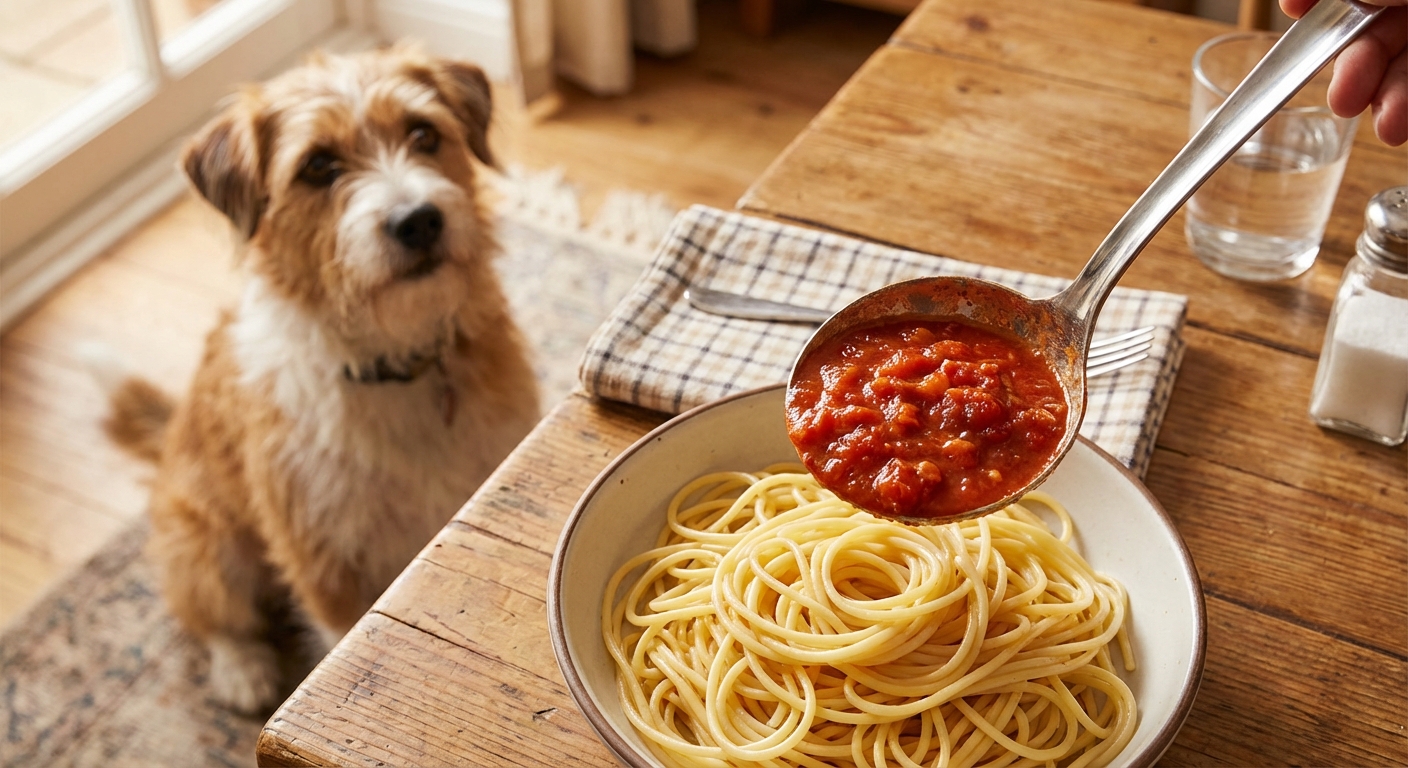
What about tomato sauce, ketchup, and salsa?
This is where tomatoes get tricky. Even though the tomato itself may be okay, many tomato-based foods contain ingredients that are not dog-friendly.
- Onion and garlic: common in sauces and salsas, and can be toxic to dogs in sufficient amounts.
- Salt and sugar: often too high.
- Spices and hot peppers: can cause significant stomach irritation.
- Additives: some condiments contain preservatives or sweeteners that are not ideal for pets. In particular, watch for xylitol in “sugar-free” products, which is extremely toxic to dogs.
Best rule: Skip processed tomato products and stick with a small amount of plain, ripe tomato if you want to share.
Can dogs be allergic to tomatoes?
Yes. Food sensitivities and allergies can happen with almost any ingredient, including tomato. Watch for:
- Itchy skin or ear irritation
- New licking of paws
- Hives
- Vomiting or diarrhea after eating tomato
If you notice a repeatable pattern, stop feeding tomatoes and talk with your vet about next steps.
What to do if your dog eats a tomato plant
Note: This is general information and not a substitute for veterinary advice. When in doubt, call a professional.
Step 1: Remove access and estimate exposure
Move your dog away from the plant, and try to estimate what was eaten (leaves, vine, green fruit, ripe fruit) and how much.
Step 2: Clear the mouth safely
If your dog has plant bits stuck in their mouth, you can gently wipe them out with a damp cloth. You can offer a small amount of water, but do not force water, especially if your dog is stressed or may bite.
Step 3: Call a professional
Contact your veterinarian, an emergency clinic, or a pet poison resource. Be ready to share your dog’s weight, symptoms, and the approximate amount consumed. In the US, you can also contact the ASPCA Animal Poison Control Center (888-426-4435) or Pet Poison Helpline (855-764-7661) (fees may apply).
Step 4: Monitor closely
If your vet recommends home monitoring, watch for vomiting, diarrhea, lethargy, weakness, or worsening signs for the next 24 hours. Keep water available and avoid extra treats while the stomach settles.
How to safely offer tomato as a treat
- Choose ripe, red tomatoes only.
- Wash thoroughly to remove pesticides and dirt.
- Remove the stem and any green tops.
- Cut into small pieces (and cut cherry or grape tomatoes to reduce choking risk).
- Offer a small piece first and see how your dog does.
- Keep it occasional and within the less than 10% of daily calories treat guideline.
If you garden, consider fencing off tomato plants or using raised beds that are harder for your dog to reach. Prevention is always easier than an emergency visit.
The safest tomato for most dogs is a small bite of ripe red tomato flesh. The riskiest “tomato” is actually the plant: leaves, stems, vines, and unripe green fruit.