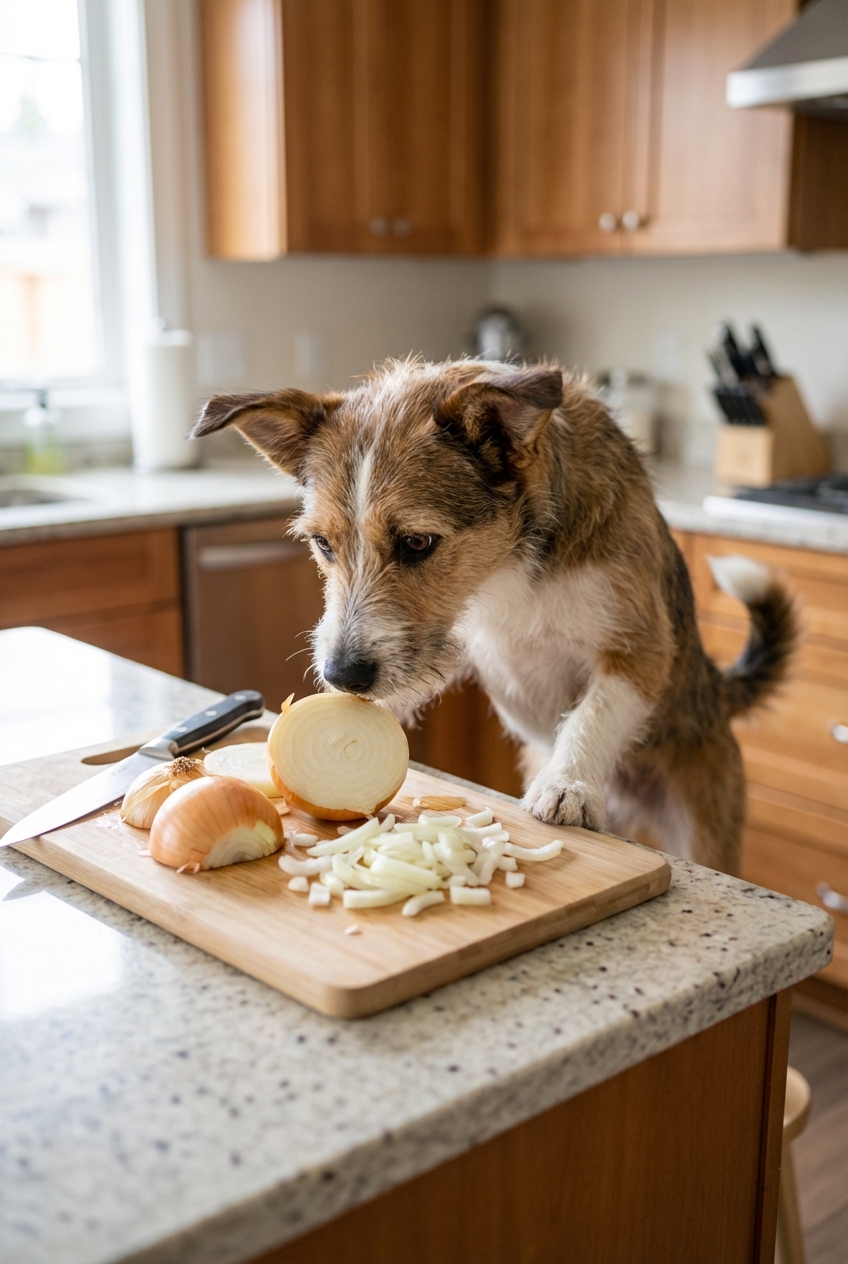
Onions are toxic to dogs—even cooked or in powder. Learn hidden sources in common foods, signs of onion poisoning and anemia, and the steps to take if your...
Article
•
Designer Mixes
Can Dogs Eat Store-Bought Mushrooms?

Shari Shidate
Designer Mixes contributor
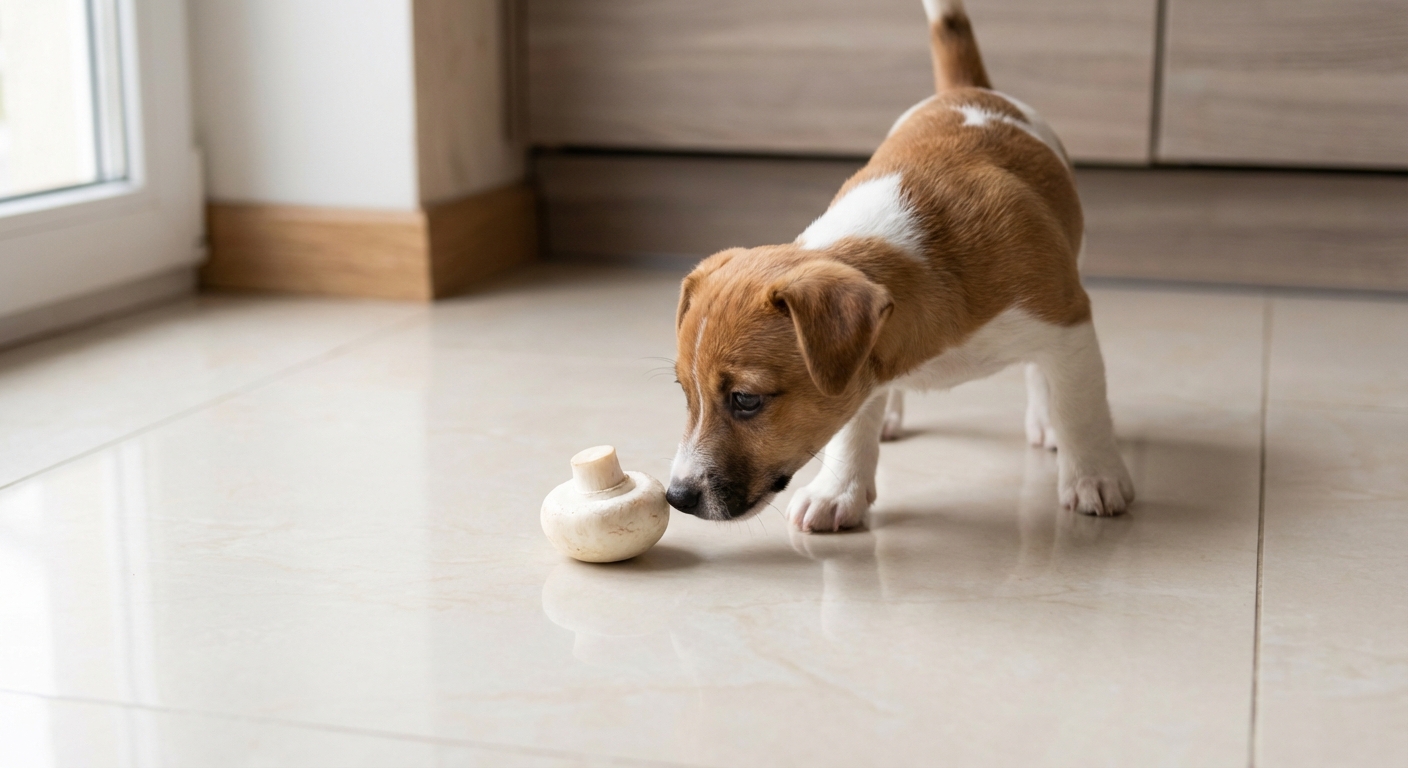
As a veterinary assistant here in Frisco, Texas, I get this question a lot because mushrooms show up everywhere: on pizza, in stir-fries, tucked into omelets, and sometimes rolling onto the floor at just the wrong time. The good news is that many store-bought culinary mushrooms are generally regarded as non-toxic to dogs. The not-so-good news is that mushrooms can still cause stomach upset, and wild mushrooms are a completely different (and much riskier) story.
Let’s walk through what is usually safe, what is not, how to serve mushrooms if you choose to, and what to do if your dog gets into mushrooms when you are not looking.
Quick answer
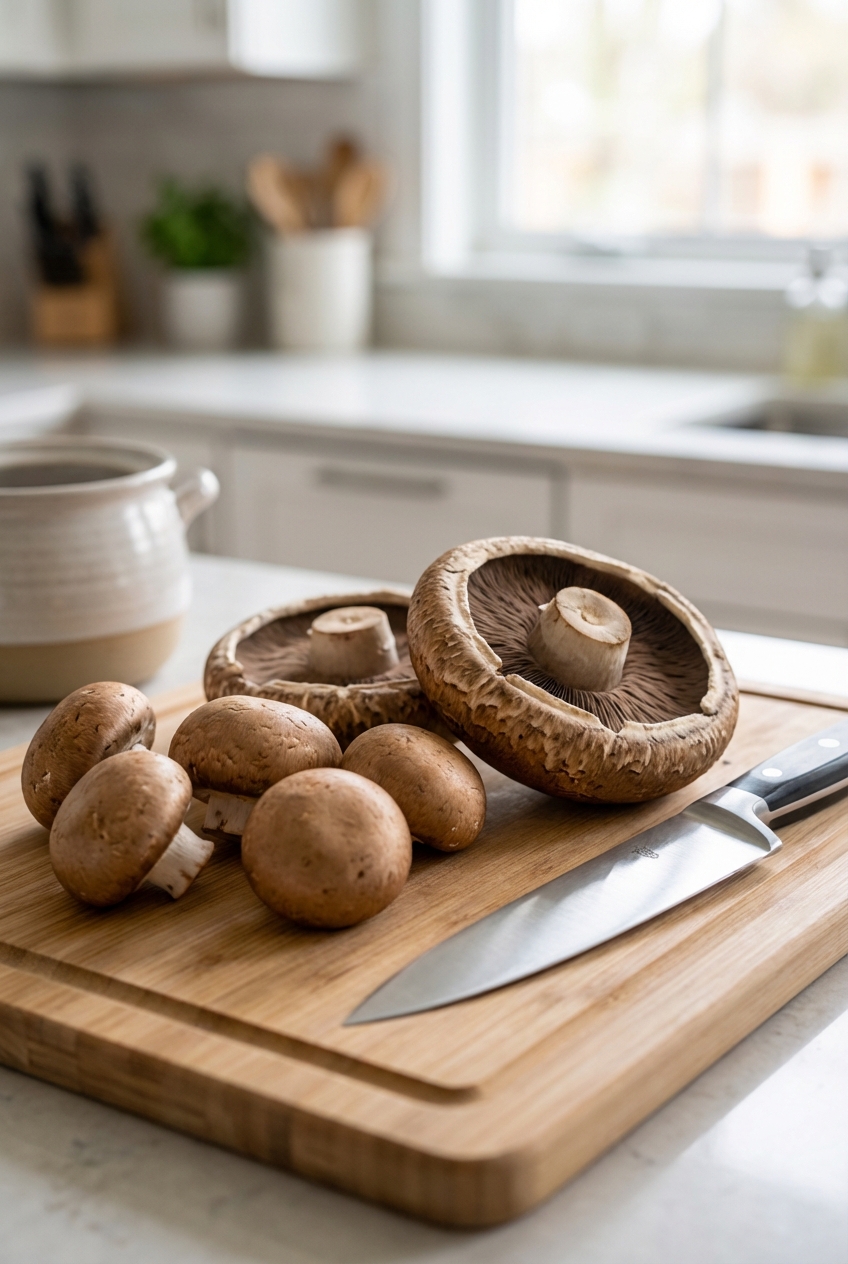
Yes, dogs can often tolerate small amounts of plain, cooked, store-bought mushrooms like white button, cremini, and portobello. These are common culinary mushrooms and are not the same as the poisonous wild mushrooms that can cause severe toxin reactions.
However, “can eat” is not the same as “should eat often.” Mushrooms are not an essential part of a dog’s diet, and individual reactions vary. Some dogs get gas, loose stools, or vomiting from mushrooms, especially if they are raw, served in large amounts, or seasoned.
Safe store-bought types
These mushrooms are commonly available at grocery stores and are generally considered non-toxic for dogs when served plain and in small portions:
- White button
- Cremini (baby bella)
- Portobello
- Shiitake
- Oyster
- Enoki (chop well, see notes below)
Even with “safe” mushrooms, they can still cause GI upset in some dogs. And with enoki, those long, tight clusters can be a gagging or choking risk if they are not chopped into very small pieces.
Also, if mushrooms are mixed into a rich dish, the dish may be the real danger.
When mushrooms become unsafe
Most mushroom-related emergencies I see are not from a plain cremini mushroom. They are from seasonings, sauces, and fatty cooking methods.
Risky ingredients
- Garlic and onions (including powders): can damage red blood cells and lead to anemia.
- Butter, heavy cream, cheese: can trigger vomiting or diarrhea and may raise the risk of pancreatitis in sensitive dogs.
- Salt and salty sauces (soy sauce, gravy): too much sodium can be dangerous. A tiny lick is usually not an emergency, but larger amounts (especially soy sauce) are worth a call to your vet or poison control.
- Spicy ingredients: can irritate the GI tract.
- Breaded and fried mushrooms: high fat, hard to digest.
If your dog ate mushrooms off a plate, the question is not only “Were they store-bought?” It is also “What were they cooked in?”
Processed mushroom foods
Be extra cautious with cream of mushroom soup, canned mushroom soups, stuffed mushrooms, restaurant mushroom sides, and frozen mushroom meals. These often contain onion, garlic, lots of salt, and rich fats.
Raw vs cooked
If you choose to share a little mushroom with your dog, cooked is usually the safer option. Raw mushrooms can be tougher to digest and may cause more gas or loose stool.
Dog-friendly prep
- Cook thoroughly by steaming, boiling, or dry-sautéing in a nonstick pan (no butter, no oil, no seasoning).
- Cut into small pieces to reduce choking risk.
- Offer a tiny amount first to see how your dog tolerates it.
Think of mushrooms like a “sometimes” add-on, not a base ingredient.
How much is okay?
Portion size depends on your dog’s size and sensitivity. As a cautious starting point:
- Small dogs: 1 to 2 small pieces
- Medium dogs: a few bite-size pieces
- Large dogs: a small handful of bite-size pieces
If your dog has a history of pancreatitis, inflammatory bowel disease, frequent vomiting or diarrhea, or food sensitivities, I would skip mushrooms and choose a gentler topper like plain cooked pumpkin or a little steamed carrot instead.
Wild mushrooms outside
This is where I want you to be extra careful. Wild mushrooms are unpredictable and can be deadly. Dogs do not reliably avoid toxic ones. Some toxic mushrooms can cause severe liver failure, neurologic signs (tremors, seizures), and even death.
If your dog ate a mushroom outside and you are not 100% sure it came from a grocery store, call your veterinarian or pet poison help right away, even if your dog seems fine.
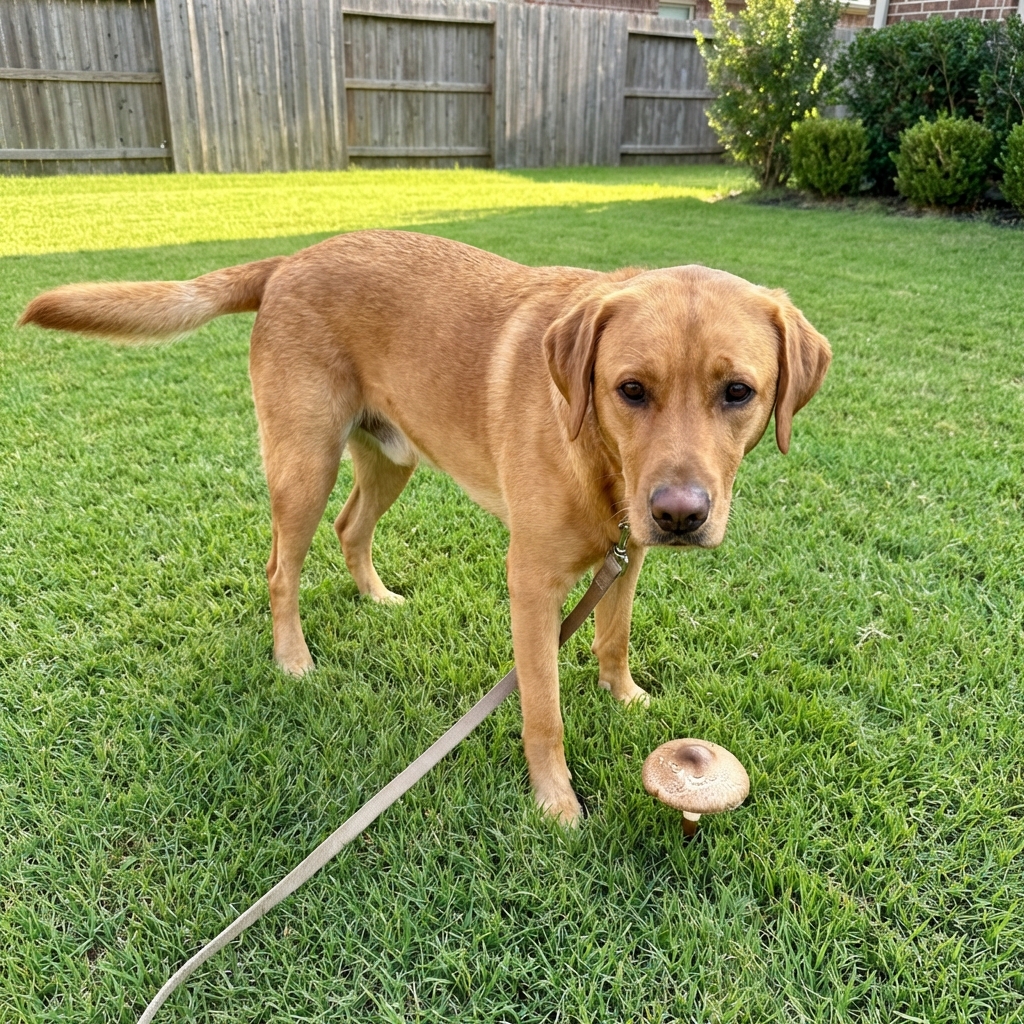
Prevention tips
- Remove mushrooms from your yard promptly (wear gloves if you can).
- Supervise dogs in mushroom-prone areas, especially after wet weather.
- Keep curious dogs on leash in parks or shady lawns where mushrooms pop up.
Symptoms to watch for
Sometimes it is “just” stomach upset. Sometimes it is much more serious. Symptoms can show up quickly or be delayed, depending on what was eaten.
Possible symptoms
- Drooling
- Vomiting
- Diarrhea
- Abdominal pain or bloating
- Lethargy, weakness
- Wobbliness, tremors, seizures
- Yellow gums or eyes (jaundice)
- Excessive thirst, increased urination
What to do
If it was plain store-bought
- Remove access and note how much was eaten.
- Watch for vomiting or diarrhea for the next 24 hours.
- Offer water and keep meals bland if your dog seems mildly off (your vet can guide you).
If it was outside or you are unsure
- Call your veterinarian right away or contact pet poison help.
- If you can, take a clear photo of the mushroom and collect a sample in a paper bag (not plastic) for identification.
- Do not wait for symptoms to get worse. Some toxins cause internal damage before you see obvious signs.
Go in urgently now
Seek urgent care (ER or your vet’s urgent line) if you notice any of the following, or if you have a puppy, senior dog, or a dog with liver or kidney disease:
- Tremors, seizures, severe wobbliness
- Collapse, extreme weakness
- Repeated vomiting, vomiting that will not stop, or bloody vomit or stool
- Jaundice (yellow gums or eyes)
- Signs of significant dehydration (very dry gums, sunken eyes, cannot keep water down)
- Known or suspected wild mushroom ingestion, especially if a large amount may have been eaten
Important: Do not induce vomiting unless your veterinarian or a poison professional specifically tells you to. The safest next step depends on timing, your dog’s size, what else was eaten, and your dog’s medical history.
Poison control resources
- ASPCA Animal Poison Control Center: 1-888-426-4435 (fees may apply)
- Pet Poison Helpline: 1-855-764-7661 (fees may apply)
Bottom line
Store-bought mushrooms like button, cremini, and portobello are generally safe in small amounts when cooked plain, but they can still upset some dogs’ stomachs. The biggest risks come from rich recipes (garlic, onions, butter, salty sauces) and from wild mushrooms outdoors.
If you want to share healthier “people food” with your dog, keep it simple, keep it plain, and introduce new foods slowly. Your dog’s tummy will thank you.