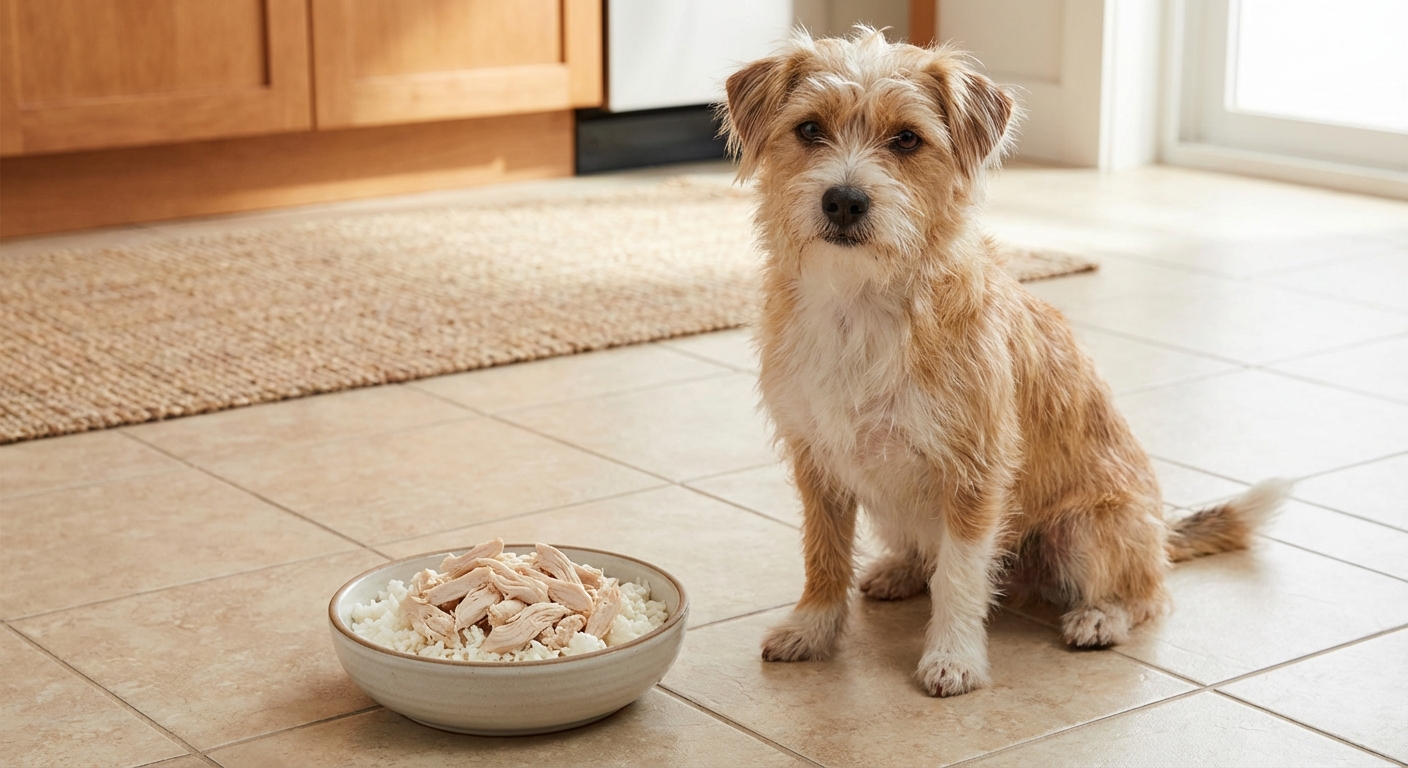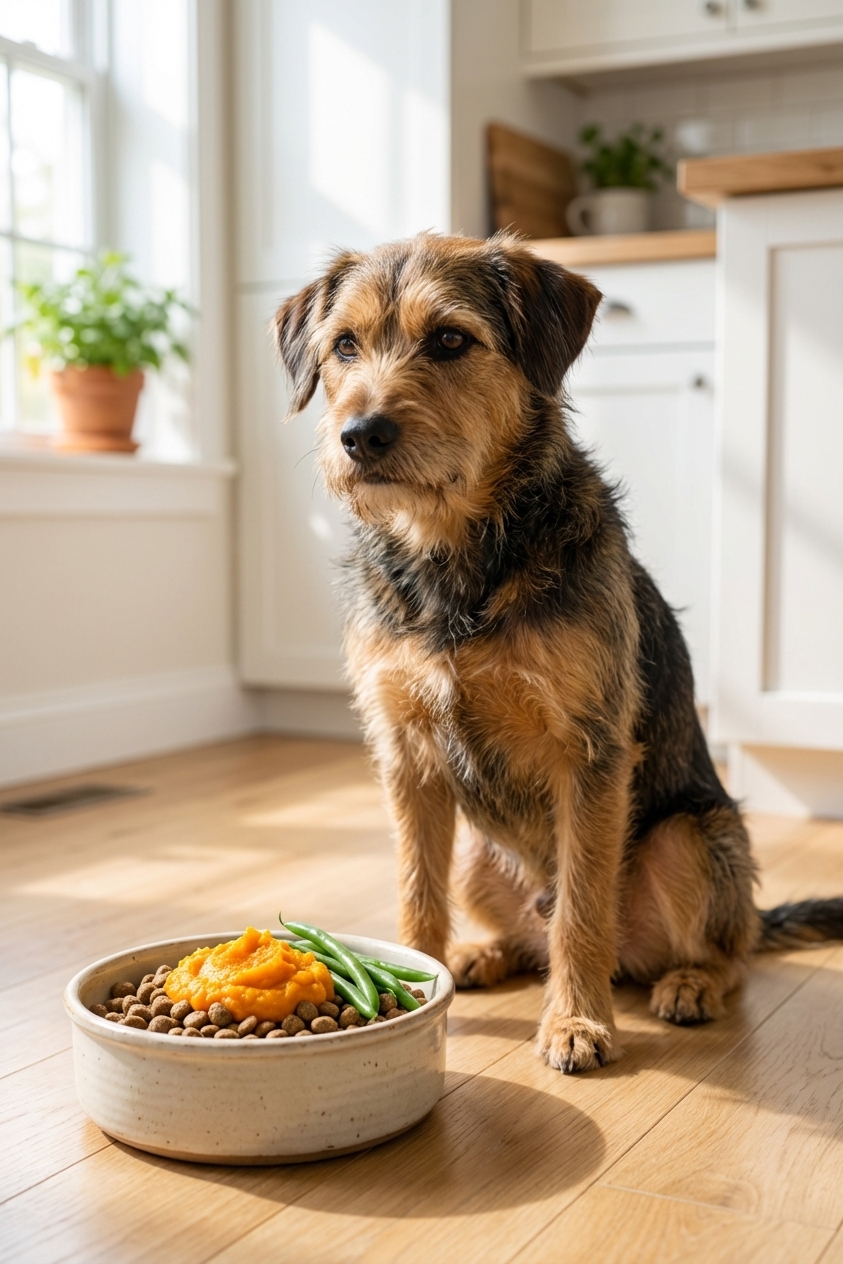
Make meals more tempting and nutritious with simple dog food toppers: bone broth, cooked eggs, sardines, pumpkin, and steamed veggies—plus portions, storag...
Article
•
Designer Mixes
Can Dogs Eat Peas? DCM and Safety Tips

Shari Shidate
Designer Mixes contributor
Yes, most dogs can eat peas in normal food amounts, and many pups genuinely love them. Peas have become a hot topic because they are common in some boutique, grain-free foods that have been investigated for a possible association with dilated cardiomyopathy (DCM), a serious heart disease.
As a veterinary assistant, I want to give you a calm, evidence-based takeaway: peas are not automatically “bad”. The bigger concern is the overall diet pattern, such as heavy reliance on legumes, how a food is formulated and tested, and whether it is truly complete and balanced for your dog.
Scope note: This is general nutrition information, not a substitute for veterinary advice, especially for dogs with known heart disease or other medical conditions.
Quick answer: Are peas safe?
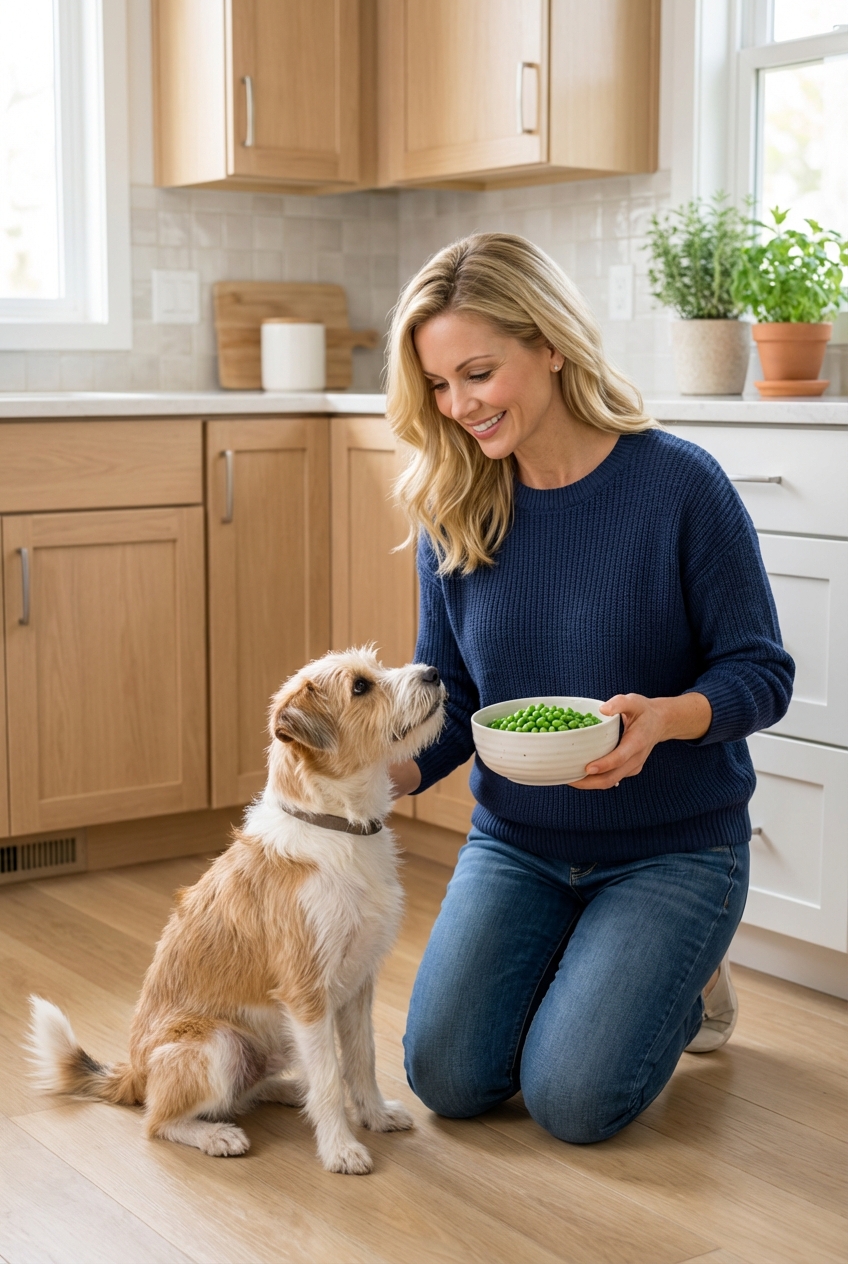
For most healthy dogs, plain peas are safe as an occasional addition to meals or a small treat. Peas provide fiber and nutrients, and they are not toxic like grapes or onions.
Best ways to serve peas
- Fresh or frozen peas (thawed) are great.
- Cooked or steamed peas can be easier on sensitive stomachs.
- Serve them plain, without butter, garlic, onion, added salt, or salty seasonings.
- Use care with canned peas: they are often high in sodium. If you use them, choose low-sodium and rinse well, or skip them.
- For very small dogs, consider mashing peas to reduce choking risk.
How much is too much?
Think of peas as a small add-on, not a major calorie source. Too many peas can cause gas or diarrhea due to the extra fiber.
A simple rule is to keep treats and extras to 10% or less of daily calories.
DCM and why peas come up
Dilated cardiomyopathy (DCM) is a condition where the heart muscle becomes weakened and the chambers enlarge, making it harder to pump blood effectively. Some dogs have a genetic predisposition, but in recent years veterinarians have also been concerned about diet-associated DCM in certain cases.
Peas came into focus because they are often used in some grain-free and “limited ingredient” formulas as a substitute for grains. Ingredients like whole peas and pea fractions can increase measured crude protein and can contribute starch and structure used in kibble processing. In many of the reported diets, legumes (peas, lentils, chickpeas) and sometimes potatoes appeared prominently on the ingredient list.
What research says (and does not)
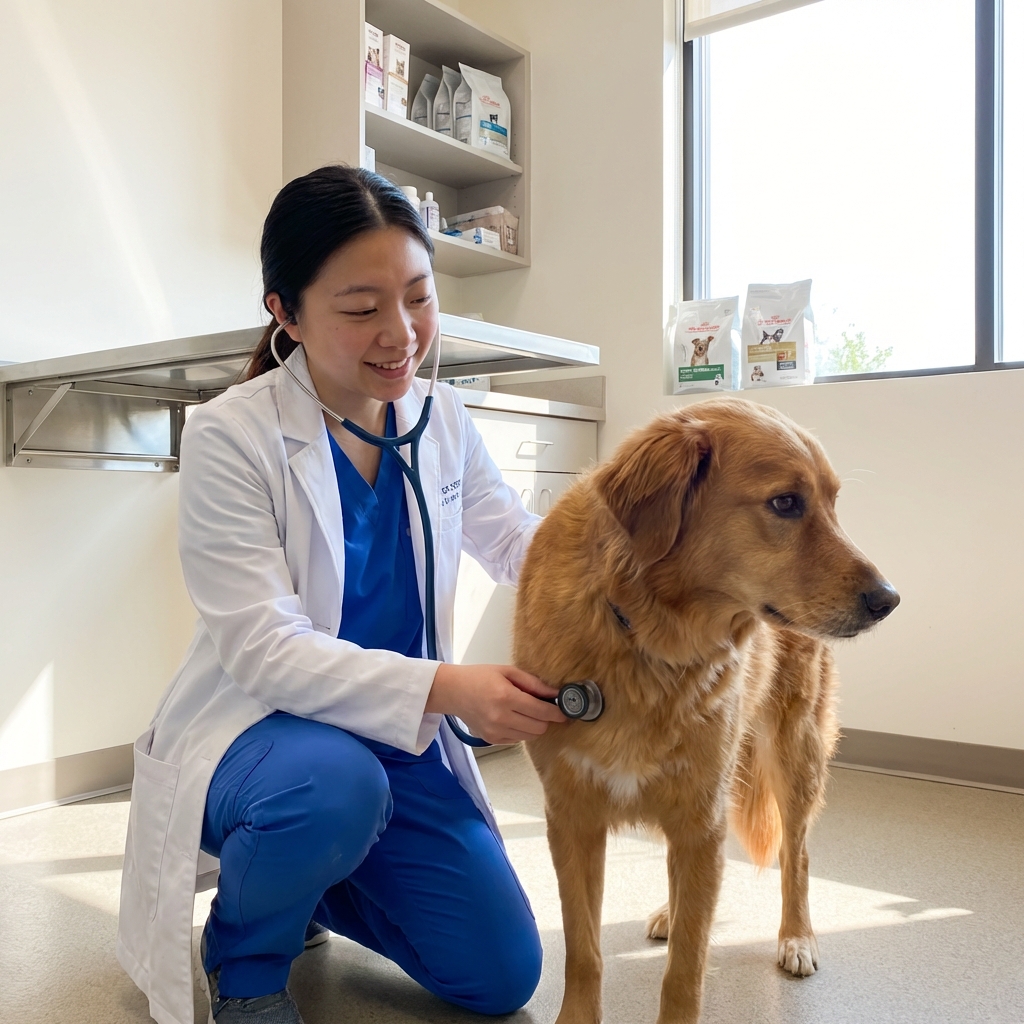
The U.S. FDA investigated reports of DCM potentially associated with certain diets, especially some grain-free formulas that rely heavily on legumes. This remains a complex, multifactorial topic. A few points can help you make confident decisions:
- No single ingredient has been proven as “the cause.” Peas show up frequently in some reported diets, but that does not mean peas alone trigger DCM.
- Evidence is still inconclusive. FDA updates have not established causation, and the concern is best viewed as an association with certain diet patterns and formulations.
- Formulation matters. How ingredients are combined, processed, and balanced matters. Two foods can both contain peas and perform very differently nutritionally.
- Taurine is part of the discussion, but not the whole story. Some affected dogs had low taurine, others did not. That suggests multiple mechanisms may be involved.
- Genetics still matter. Some breeds are at higher risk for DCM regardless of diet.
One label-reading reminder: ingredient lists are ordered by pre-cook weight, and they do not directly tell you the final nutrient contribution. Splitting ingredients into multiple forms can also change how prominent an item appears.
If your dog is doing well on a food and has no risk factors, there is no need to panic. But if your dog is on a diet where legumes dominate the formula, it is reasonable to reassess with your veterinarian.
When peas are more of a concern
Peas are most worth a second look in these situations:
1) Multiple pea ingredients
Ingredient splitting can make peas look less prominent than they are. For example: peas, pea protein, pea flour, pea fiber. When you see several pea components, the formula may be leaning heavily on legumes.
2) Grain-free without a medical reason
Most dogs do not need grain-free food. If grain-free was chosen for marketing reasons rather than a true allergy diagnosis, ask your vet whether a well-formulated diet with grains is a better fit.
3) Higher DCM risk
Some breeds are predisposed (for example, Doberman Pinschers and Great Danes). Also consider any dog with a family history of heart disease or unexplained fainting, coughing, or exercise intolerance.
4) Other medical conditions
If your dog has a medical condition, check with your veterinarian before adding lots of “extras,” including peas:
- Pancreatitis history: keep peas plain, and avoid butter or fatty toppers.
- Kidney disease: diet details (including protein and phosphorus targets) matter.
- Diabetes or weight management: treats still count toward calories and carbs.
5) Unbalanced homemade or boutique diets
Homemade can be wonderful, but it must be balanced. Boutique diets are not automatically bad either, but some companies do less feeding trial testing and have less published nutrition expertise.
Signs of DCM
DCM can be silent at first, which is why routine wellness exams matter. If you notice any of the following, call your veterinarian:
- Decreased stamina or tiring quickly on walks
- Coughing, especially at night or after exercise
- Rapid breathing or breathing effort at rest
- Fainting or weakness episodes
- Distended belly (fluid) or unexplained weight changes
If your vet is concerned, they may recommend diagnostics such as chest X-rays, an ECG, bloodwork (sometimes including taurine), and an echocardiogram.
Using peas the smart way
If you like the idea of adding vegetables for variety and fiber, you have options. The goal is not to fear peas, but to keep your dog’s overall diet balanced and heart-smart.
Safer ways to include peas
- Use peas as a topper, not a major ingredient. A spoonful mixed into a meal is plenty for most dogs.
- Rotate vegetables. Variety helps broaden nutrients and reduces overreliance on any one ingredient.
- Watch the stool. If you see gas, loose stool, or discomfort, cut back.
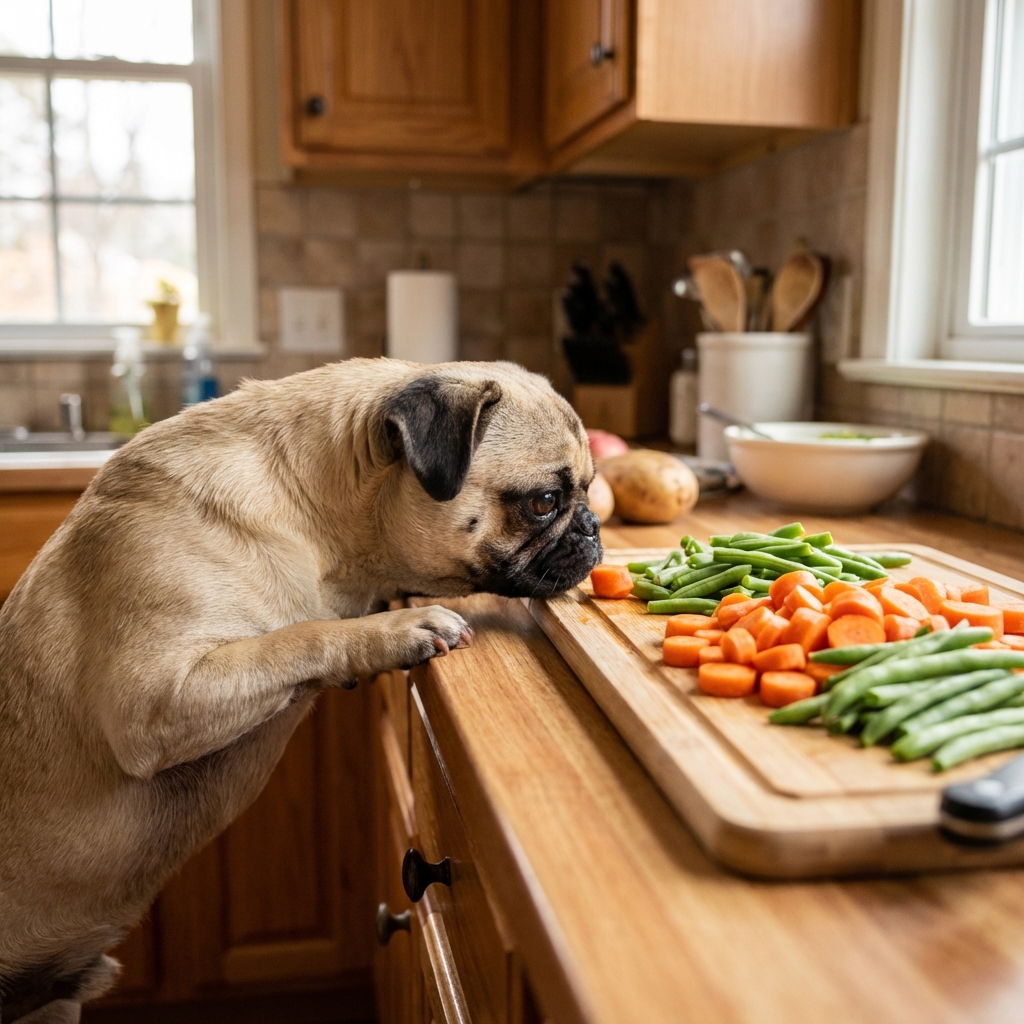
Veggie alternatives
- Green beans (fresh or frozen, plain)
- Carrots (steamed or finely chopped; raw for some dogs is fine in small amounts)
- Broccoli (small amounts, cooked is easier to digest)
- Zucchini (lightly cooked)
- Pumpkin (plain canned pumpkin, not pie filling)
- Sweet potato (cooked; portion control matters because it is calorie-dense)
Choosing a food if you are worried
If you are feeling uneasy, here is a practical, vet-friendly approach that avoids extremes:
Step 1: Check the first 10 ingredients
If you see multiple legumes (peas, lentils, chickpeas) plus pea fractions (pea protein, pea flour), consider discussing a switch with your veterinarian.
Step 2: Favor strong nutrition standards
Look for brands that employ qualified nutrition experts, do quality control, and conduct feeding trials. Many veterinarians also recommend using WSAVA-style questions when evaluating pet food brands. You can ask the company directly about:
- Who formulates the diet and their credentials
- Whether they run AAFCO feeding trials (not just formulation)
- Quality control and ingredient sourcing
If you are feeding homemade long-term, consider working with a board-certified veterinary nutritionist to ensure balance.
Step 3: Transition slowly
Any diet change should be gradual to protect your dog’s GI tract:
- Days 1 to 3: 25% new, 75% old
- Days 4 to 6: 50% new, 50% old
- Days 7 to 9: 75% new, 25% old
- Days 10 to 14: 100% new
If your dog has a sensitive stomach, slow down even more.
Bottom line
Peas can be a healthy, simple veggie for many dogs. The DCM discussion is really a reminder to choose diets that are well formulated, well tested, and not overly dependent on legumes for structure and protein.
If your dog is currently eating a legume-heavy, grain-free food and you are concerned, you are not overreacting. Bring the bag label to your veterinarian, and ask whether your dog should have a heart check or diet adjustment based on breed, history, and current symptoms.
Warm reminder: nutrition should feel empowering, not scary. Small, thoughtful choices add up to a healthier life for your dog.