Skip mystery ingredients and bake simple veggie dog treats at home. Learn dog-safe vegetables, easy formulas, and 3 recipes—pumpkin oat crunch, sweet potat...
Article
•
Designer Mixes
Can Dogs Eat Peas?

Shari Shidate
Designer Mixes contributor
Yes, most dogs can eat peas, and they can be a healthy add-in to meals or treats. As a veterinary assistant here in Frisco, Texas, I like peas because they are simple, widely available, and easy to portion. The key is serving them the right way and knowing when they are not a great choice for your particular dog.
Quick safety note on names: edible peas (like green peas, snow peas, and sugar snap peas) are not the same as Sweet Pea (Lathyrus odoratus), the ornamental flowering plant. Sweet Pea is toxic to dogs, so do not let your dog chew that plant or its seeds.
Are peas safe for dogs?
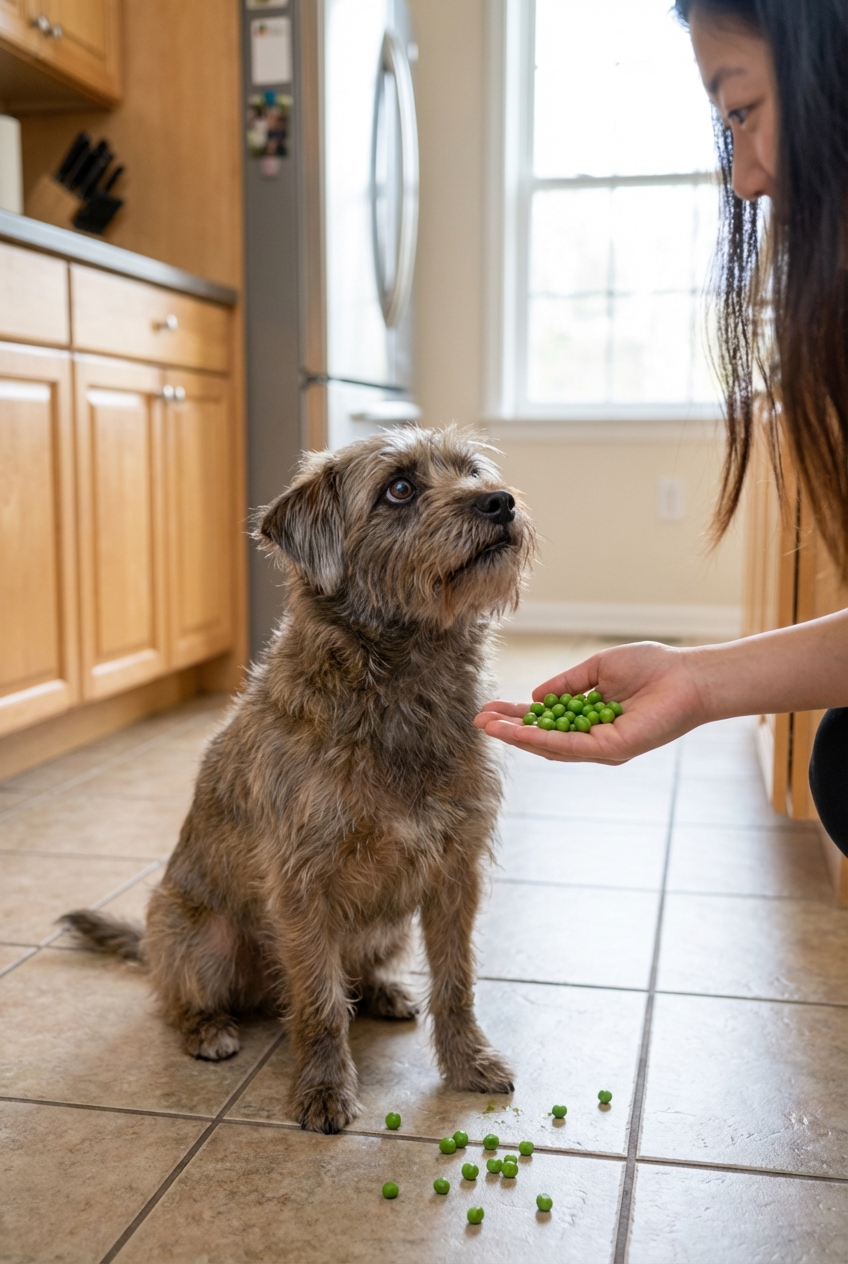
For healthy dogs, plain peas are generally safe in small amounts. Peas are a legume, and like other legumes, they can cause gas in some dogs, especially if you feed too many at once.
The most dog-friendly options are:
- Green peas (fresh or frozen)
- Snow peas (the flat edible pods)
- Sugar snap peas (the thicker edible pods)
- English peas (the kind you shell)
Pod note: With English peas, feed the peas only and discard the pod. English pea pods are tough and fibrous compared to snow and snap pea pods.
Peas should be served plain. No butter, salt, garlic powder, onion, heavy sauces, or seasoning blends.
Benefits of peas for dogs
Peas are not a miracle food, but they are nutrient-dense for their size. When you use them as a topper or occasional snack, they can contribute helpful nutrients without many calories.
1) Fiber for digestion
Peas contain fiber, which may support healthy stool quality and a more balanced gut environment. If your dog tends to have loose stools, fiber can help, but too much at once can also cause gas. Start small.
2) Plant-based protein
Peas provide some protein. They should not replace animal protein for most dogs, but they can complement a balanced diet, especially when you are adding whole foods to kibble or homemade meals.
3) Vitamins and antioxidants
Peas contain vitamins like A, C, and K, plus antioxidants that may help support overall wellness over time.
4) Minerals for normal function
Peas contain minerals such as potassium and magnesium, which play roles in normal muscle and nerve function. Many pea varieties also contain natural compounds like lutein and zeaxanthin that support eye health.
How to feed peas safely
Keep peas as a small add-on, not the main event. For most dogs, a few peas mixed into food or used as training treats is plenty. As a general rule, treats and extras (including peas) should make up less than 10 percent of your dog’s daily calories.
Best forms
- Fresh: rinse well
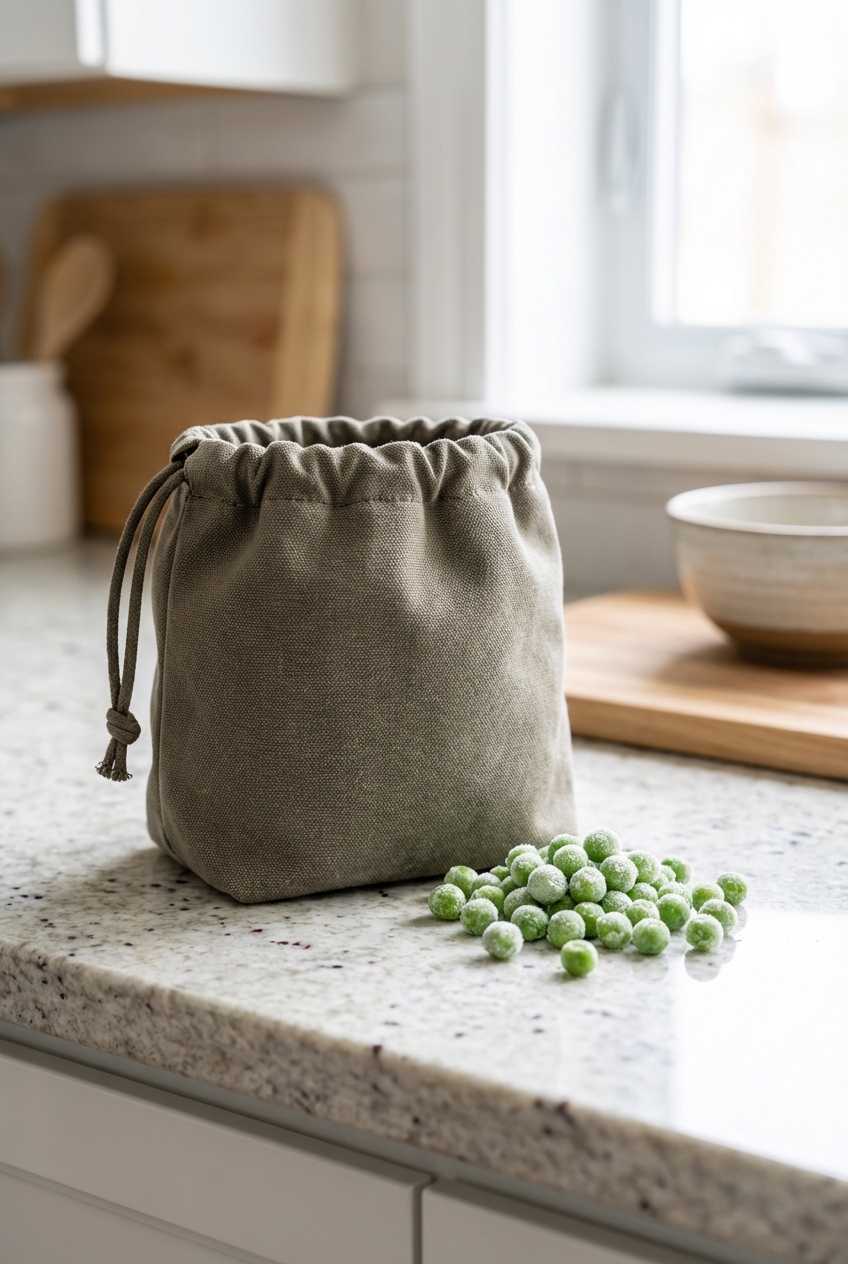
- Frozen: thaw, or offer a few frozen peas as a crunchy treat for dogs that like cold snacks
- Steamed: lightly cooked can be easier on sensitive stomachs
- Mashed: helpful for seniors or dogs that eat too fast
Pod tip: If you feed snow peas or snap peas, rinse the pods and remove any tough strings along the seam.
A simple portion guide
Use this as a starting point, then adjust based on your dog’s size, calorie needs, and stool quality:
- Tiny dogs: 1 to 3 peas
- Small dogs: 4 to 8 peas
- Medium dogs: 1 tablespoon
- Large dogs: 1 to 2 tablespoons
If peas are new for your dog, start with about half of the above and watch stool, gas, and comfort for 24 hours.
Quick serving ideas
- Mix a spoonful of peas into your dog’s regular food for a simple nutrient boost.
- Add peas to a homemade meal that already has a balanced protein source.
- Use peas as low-calorie training treats in place of higher-fat options.
- Skip mixed vegetable medleys unless you are sure they contain no onion, garlic, sauces, or seasonings.
Cautions and when peas may not be a good idea
Even healthy foods can be the wrong fit for some dogs. Here are the main cautions I share with pet parents.
1) Gas and stomach upset
Peas can ferment in the gut and cause gas, especially if your dog eats a lot at once or already has a sensitive stomach. If you notice bloating, frequent flatulence, or looser stool, reduce the amount or skip them.
2) Choking risk
Whole peas are small, but dogs can still inhale food when excited. For tiny dogs, seniors, and fast eaters, consider lightly mashing peas or mixing them into food rather than feeding handfuls.
3) Urate stones and prescription diets
Peas contain naturally occurring compounds called purines. Purines matter most for dogs with a history of urate (uric acid) bladder stones or breeds that are more prone to them. Also, if your dog is on a prescription urinary or kidney diet, do not add peas regularly without asking your veterinarian first, since those diets are designed with specific nutrient targets.
4) Pancreatitis and rich toppings
Peas themselves are not fatty, but peas served with butter, oils, cheese, or creamy sauces can be a problem for dogs prone to pancreatitis. Plain is best.
5) Grain-free, legumes, and DCM
You may have heard concerns about grain-free diets that rely heavily on legumes (including peas) and a possible association with dilated cardiomyopathy (DCM) in some dogs. Researchers have not pinned this down to peas alone, and causality has not been established. The FDA has investigated reports in this area, and the situation remains complex. The practical takeaway is this: peas as an occasional whole-food add-on are very different from peas being a major ingredient in a dog’s daily diet. If your dog eats a grain-free food where peas or pea protein are in the top ingredients, it is worth discussing with your veterinarian, especially if your dog is a breed considered at risk for DCM or has any heart murmur history.
Which pea products to avoid
Not all pea-based foods are created equal. Avoid:
- Canned peas with added salt (too much sodium for many dogs)
- Seasoned peas (onion and garlic seasonings are especially risky)
- Buttered or creamy pea dishes (unnecessary fat and dairy)
- Pea soups that contain onion, heavy spices, or high sodium broths
- Pea snacks made for humans with flavor coatings
When to call your vet
Peas rarely cause serious problems, but call your veterinarian promptly if your dog has:
- Repeated vomiting or diarrhea
- Swollen, tight belly or signs of pain
- Lethargy that is unusual for your dog
- Coughing, gagging, or trouble breathing after eating (possible choking)
- Itching, hives, facial swelling, or sudden ear redness (possible allergic reaction)
If your dog has a history of urate stones, chronic GI issues, food allergies, or is on a prescription urinary or kidney diet, check in with your veterinarian before making peas a frequent “healthy habit.”
The bottom line
Most dogs can enjoy peas safely, and they can be a simple way to add fiber and nutrients to the bowl. Keep them plain, keep portions small, and use them as a supplement to a balanced diet, not a replacement for it. If your dog has urinary concerns, is on a therapeutic diet, or if peas are a major ingredient in your dog’s everyday food, your veterinarian can help you decide what is best for long-term health.