Vet-guided list of dog-safe fruits like apples, blueberries, and watermelon, plus easy serving tips, portion sizes by weight, and fruits to avoid like grapes...
Article
•
Designer Mixes
Can Dogs Eat Oranges?

Shari Shidate
Designer Mixes contributor
Yes, most dogs can eat oranges in small amounts. The real question is not “Are oranges toxic?” but “Will this citrus agree with my dog’s stomach?” As a veterinary assistant, I see a lot of tummy troubles that come down to portion size, sudden diet changes, and individual sensitivity, especially with acidic foods.
Oranges are naturally high in water, vitamin C, and fiber, but they also bring acidity and sugar. In this article, we will walk through what that means for digestion, how to serve oranges safely, and when oranges are a no-go.
Are oranges safe for dogs?
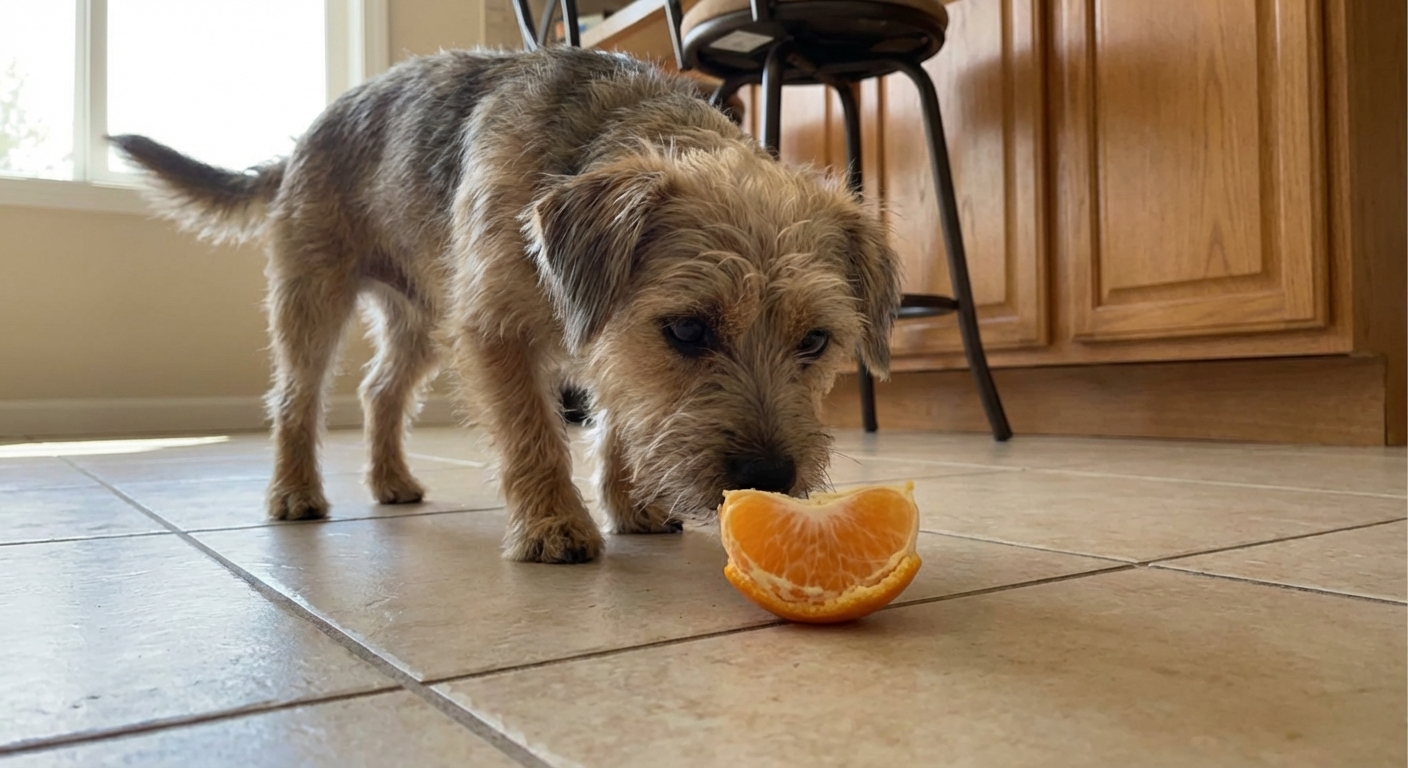
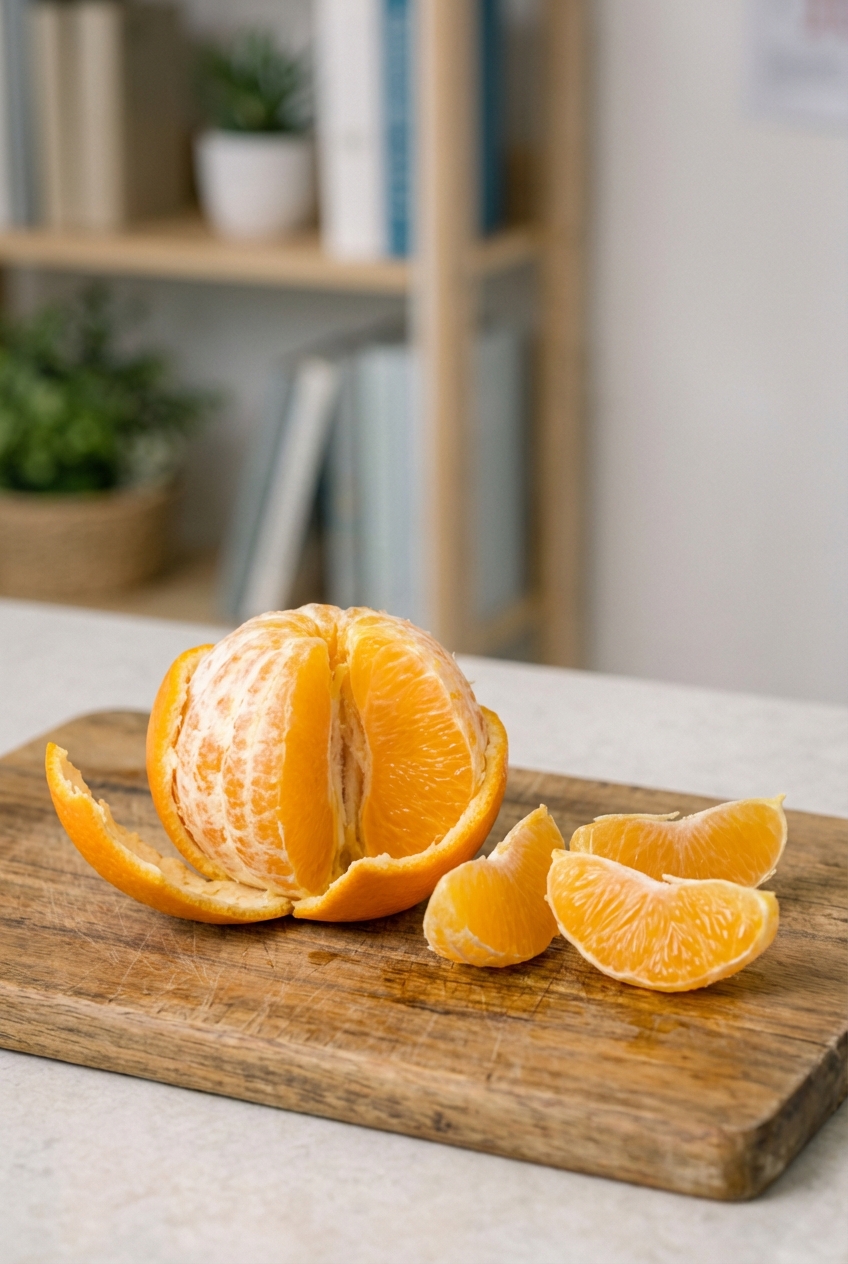
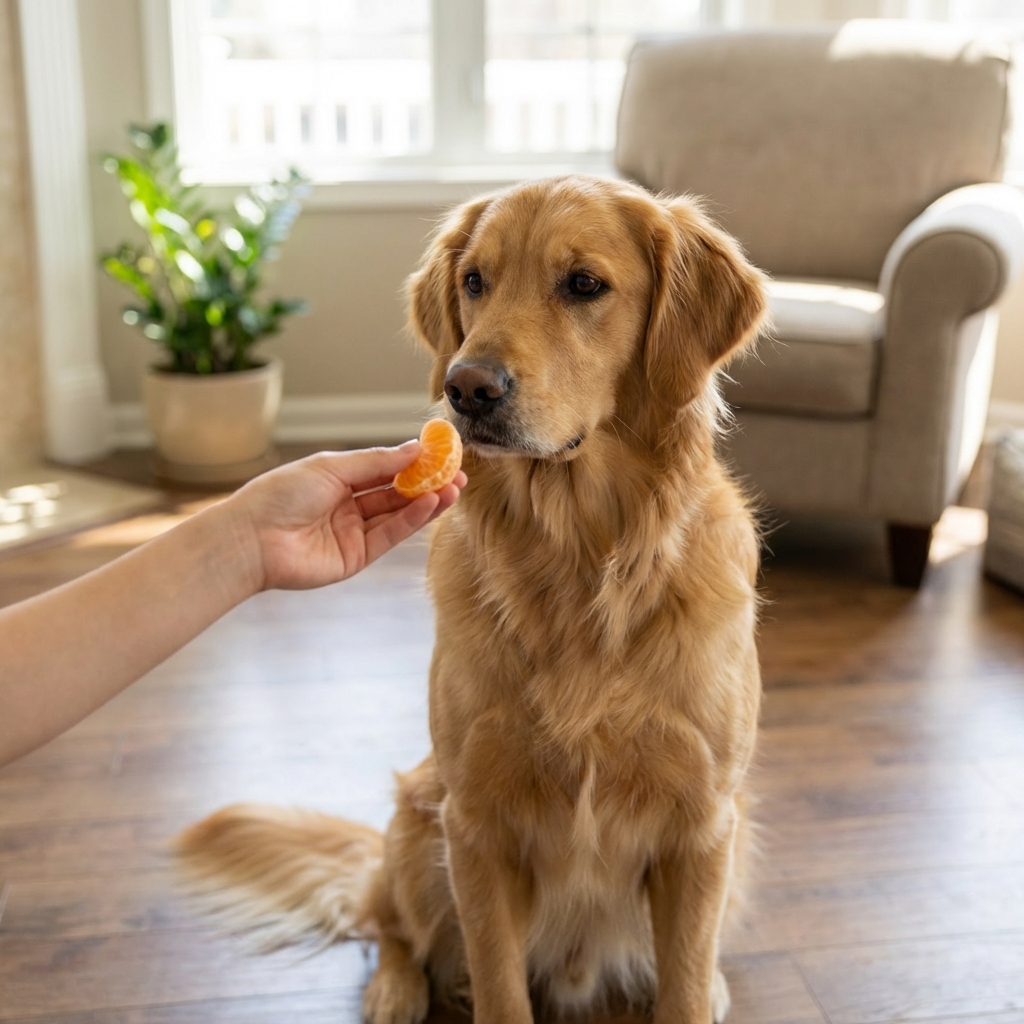
For healthy adult dogs, a few orange segments are generally safe as an occasional treat. Oranges are not considered toxic to dogs, and the flesh of the fruit is usually the part that is best tolerated.
That said, any treat can cause GI upset, and tolerance varies a lot from dog to dog. Some dogs do fine with citrus, and some get loose stools or vomiting after just a bite or two.
What parts can dogs eat?
- Orange flesh: Usually okay in small pieces.
- Orange peel: Best avoided. It is tough to digest, can irritate the GI tract, and in larger amounts may raise obstruction risk.
- Seeds: Remove them. They can be a choking hazard, and citrus seeds contain small amounts of compounds that may irritate the GI tract. Serious toxicity from a couple of seeds is unlikely, but it is still not worth the risk.
- Pith (the white stringy part): Not toxic, but can be bitter and harder on sensitive stomachs.
Acidity and digestion
Oranges are acidic because they contain citric acid. Dogs can tolerate many foods, but sudden treats and acidic items can be irritating for certain pups, especially those with a history of gastrointestinal sensitivity.
Signs it is not agreeing
If oranges do not agree with your dog, you might notice:
- Drooling or lip smacking (nausea)
- Gassiness
- Soft stool or diarrhea
- Vomiting, especially if they ate too much
- Refusing food afterward
Acidic foods may be more likely to cause trouble in dogs who already have reflux, inflammatory bowel disease, frequent “garbage gut,” or who are on a bland diet plan recommended by their veterinarian.
Oranges are also sugary
Oranges contain natural sugars. That matters because sugar can contribute to GI upset and unwanted weight gain if treats start adding up. For dogs with diabetes or dogs who need weight management, oranges are usually not the best treat choice.
Nutrition
Oranges do offer some benefits, but think of them as a “sometimes snack,” not a health supplement.
- Vitamin C: Most dogs make their own vitamin C in the liver, so they do not typically need citrus for that. In certain health situations, vitamin C supplementation is sometimes discussed, but routine supplementation is not usually necessary and evidence is mixed. If you are considering it for a medical reason, it is a vet conversation.
- Fiber: Small amounts can support digestion, but too much can cause loose stool.
- Water content: A hydrating treat, especially in warm weather.
If your goal is gentle, gut-friendly nutrition, many dogs do better with low-acid fruits like blueberries in small amounts.
How much can a dog eat?
Portion size is where most people accidentally get into trouble. Start small and monitor stool quality. That is always my practical rule of thumb.
Portion starting point
- Small dogs (under 20 lb): 1 to 2 small pieces (half a segment to one segment)
- Medium dogs (20 to 50 lb): 1 to 3 segments
- Large dogs (50 lb and up): 2 to 4 segments
Think of this as a starting point, not a target. Offer oranges as an occasional treat, not daily. If you want a concrete guide, once or twice a week is plenty for most dogs. Treats, including fruit, should stay under about 10 percent of your dog’s daily calories.
How to serve oranges
Keep it simple. Dogs do best with plain, fresh fruit, properly prepared.
- Peel the orange completely.
- Remove seeds.
- Separate into segments and cut into bite-size pieces.
- Offer one piece first, then wait 12 to 24 hours to see how your dog responds. You are watching for vomiting, diarrhea, extra gassiness, or itchiness.
- Avoid canned oranges or orange cups in syrup.
- Do not offer orange juice. It is concentrated sugar and acid with none of the chewable fiber benefit.
When to skip oranges
Skip oranges or talk to your veterinarian first if your dog has:
- Diabetes or needs a strict low-sugar treat plan
- Chronic GI issues (reflux, IBD, frequent vomiting or diarrhea)
- Pancreatitis history or is on a therapeutic diet (even low-fat foods can cause setbacks if dietary changes happen too fast)
- Food allergies or sensitivities and you are still figuring out triggers
- Kidney disease or is on a prescription diet plan
- Puppies or seniors with more delicate digestion
Also skip oranges if your dog tends to gulp food. Even though orange segments are soft, fast eaters can choke on larger pieces.
Orange-flavored is different
One more safety note: “orange” should mean plain fruit only. Avoid orange-flavored candies, desserts, and baked goods. Some processed foods can contain xylitol (a serious toxin for dogs). Also keep dogs away from citrus essential oils and many citrus cleaners, which can irritate the mouth and stomach and are not meant to be ingested.
Other citrus fruits
Not all citrus is the same, and reactions can vary.
- Mandarins and clementines: Often similar to oranges. Still acidic and still sugary.
- Tangerines: Same general guidance as oranges.
- Grapefruit: More likely to cause stomach upset due to bitterness and acidity. Potential medication interactions are well-described in people, and since dogs may be on similar drug classes, it is best to avoid grapefruit unless your veterinarian specifically okays it.
- Lemons and limes: Too acidic for most dogs and not worth the risk of GI irritation.
If your dog ate too much
In most cases, a dog who overeats oranges ends up with mild GI upset. Monitor for vomiting, diarrhea, discomfort, or refusal to eat.
Call your vet if you notice:
- Repeated vomiting
- Diarrhea lasting more than 24 hours
- Blood in stool
- Lethargy or signs of pain
- A swollen abdomen or gagging that could suggest choking
If your dog ate a lot of peel, that is especially important to mention because peel is harder to digest and can contribute to an obstruction in some cases.
Bottom line
Most dogs can eat oranges, but the acidity and sugar mean they should stay a small, occasional treat. Peel them, remove seeds, start with a tiny piece, and let your dog’s digestion be your guide.
Action step: If you want to add fruit to your dog’s routine, rotate small portions and keep a simple “treat journal” for a week. Energy, itchiness, and stool quality will tell you more than any label ever could.