A vet assistant’s guide to foods that can poison dogs, including chocolate, grapes/raisins, xylitol, onions/garlic, alcohol, caffeine, and more—plus red ...
Article
•
Designer Mixes
Can Dogs Eat Onions?

Shari Shidate
Designer Mixes contributor
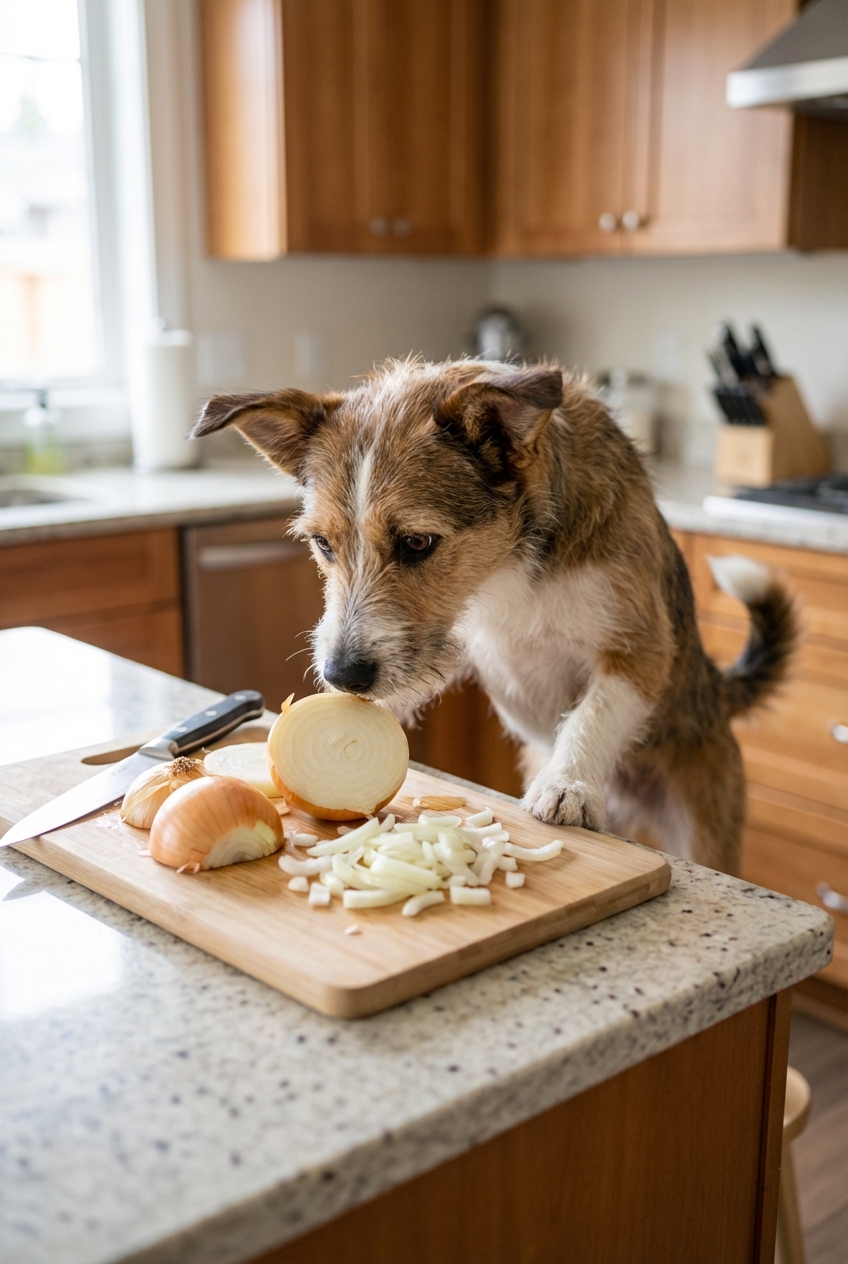
As a veterinary assistant, I wish I could say onions are a harmless kitchen staple for dogs. But the evidence is clear: dogs should not eat onions, and that includes onions that are cooked, dehydrated, powdered, or hidden inside people food.
Onions are part of the Allium family (along with garlic, leeks, chives, and shallots). These plants contain organosulfur compounds that can damage a dog’s red blood cells and lead to hemolytic anemia, which means the body cannot carry oxygen the way it should. The scary part is that onion exposure is often accidental, and symptoms can be delayed.
Quick note: This article is for general education and is not a substitute for veterinary care. If your dog ate onion, call your veterinarian or a pet poison resource for guidance.
Why onions are dangerous
Onions contain oxidizing organosulfur compounds (often discussed in pet safety resources as disulfides and thiosulfate-related compounds). Dogs can be sensitive to these compounds, and in practical terms they can develop clinically significant illness after eating amounts that would not typically cause a problem for people.
When a dog ingests onions, these compounds can cause oxidative damage to red blood cells. Damaged red blood cells can develop changes called Heinz bodies, which you can think of as “damage markers” veterinarians may see on lab tests. The body may then destroy those cells faster than it can replace them. The result can be anemia, weakness, and in more serious cases, collapse.
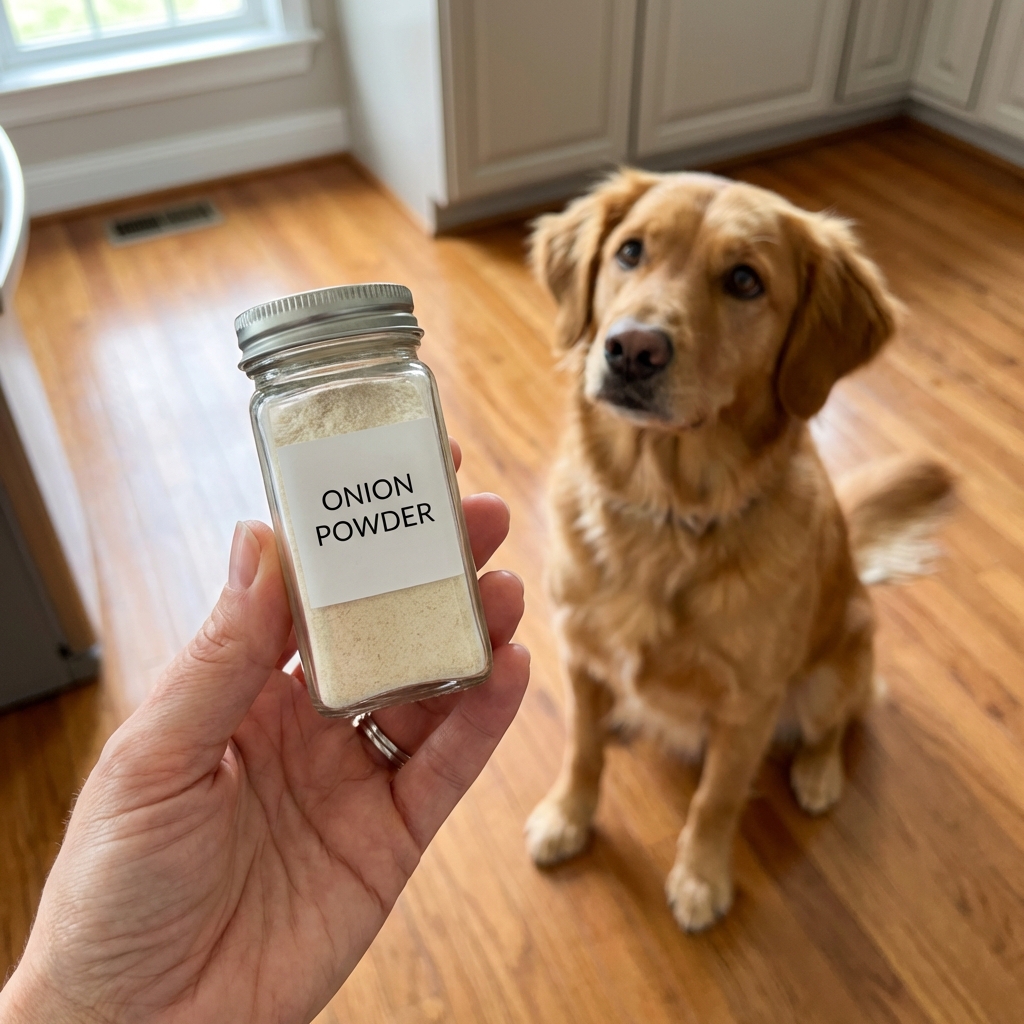
Important: cooking does not make onions safe. The toxic compounds can remain present in cooked onions, and onion powder can be especially risky because it is concentrated.
Hidden onion sources
Most onion exposures I see are not from a dog eating a whole onion. They come from flavorful human foods where onion is mixed in. Watch closely for these common culprits:
- Onion powder in seasoned meats, chips, crackers, or “BBQ” flavored foods
- Soup and broth (including many boxed broths and bouillon cubes)
- Gravy and pan drippings
- Pizza, pasta sauce, and marinara
- Tacos, fajitas, and stir-fries (onions cooked into the dish)
- Meatloaf, meatballs, burgers (onion mixed into the meat)
- Deli foods like potato salad, tuna salad, and dips
- Baby food or “people food” pouches that include onion seasoning
Also keep an eye out for garlic, garlic powder, chives, and leek on ingredient lists. They are in the same plant family and can cause similar red blood cell damage.
How much is toxic?
There is no reliably “safe” amount of onion for dogs. Toxicity depends on the dog’s size, the amount eaten, the form (fresh vs. dehydrated vs. powdered), and whether exposure happens once or repeatedly.
Some veterinary toxicology references associate a significant risk with ingestion around 0.5% to 1% of a dog’s body weight in onions (for example, roughly 1 ounce of onion for a 12 to 13 pound dog). The practical takeaway for most families is this: even modest amounts can be harmful, especially if eaten over multiple days, or if the onion is in a concentrated form like powder.
If you are unsure whether the amount matters, treat it as important and call for advice. It is almost always better to ask early than to wait for symptoms.
Signs of onion toxicity
Symptoms can show up within hours (especially stomach upset), but anemia can develop over 1 to several days after ingestion, depending on the dose and the individual dog. Keep an eye out for:
- Vomiting or diarrhea
- Decreased appetite
- Lethargy, weakness, or acting “off”
- Rapid breathing or panting at rest
- Pale gums
- Increased heart rate
- Dark or reddish urine
- Wobbliness or collapse in severe cases
If you notice pale gums, trouble breathing, extreme weakness, or collapse, that is an emergency.
Multi-pet homes: cats are also very sensitive to Allium plants. If a cat got into onion or garlic, contact your veterinarian promptly.

What to do now
Step one is simple: do not wait and see. Early action can make a big difference.
1) Gather details
- Your dog’s weight
- What was eaten (raw onion, cooked onion, onion powder, soup, etc.)
- Estimated amount
- Time since ingestion
- Any current symptoms
2) Call for help
- Call your veterinarian or an emergency clinic right away
- You can also contact a pet poison hotline (fees may apply):
- ASPCA Animal Poison Control: 888-426-4435
- Pet Poison Helpline: 855-764-7661
3) What the vet may do
Your vet’s plan depends on what was eaten, how much, and how recently. Possible care may include:
- Decontamination (such as inducing vomiting at the clinic, when appropriate)
- Activated charcoal in some cases to help bind toxins
- Bloodwork (often a CBC or PCV/TS) to check red blood cells and look for anemia
- Repeat bloodwork over the next 24 to 72 hours if the exposure was concerning
- Supportive care like IV fluids, oxygen, and in severe cases a transfusion
Please avoid home remedies unless your veterinarian tells you exactly what to do. Some at-home actions can cause additional harm.
Are cooked onions safer?
No. Onion rings, sautéed onions, caramelized onions, and foods cooked with onions are still unsafe. Onion rings are also high in fat, which can add another risk in susceptible dogs: pancreatitis.
Onion powder is one of my biggest concerns because it is easy to miss on an ingredient list and it is concentrated.
Safer flavor options
If you love adding flavor to your dog’s bowl, you have options that do not include onions or garlic:
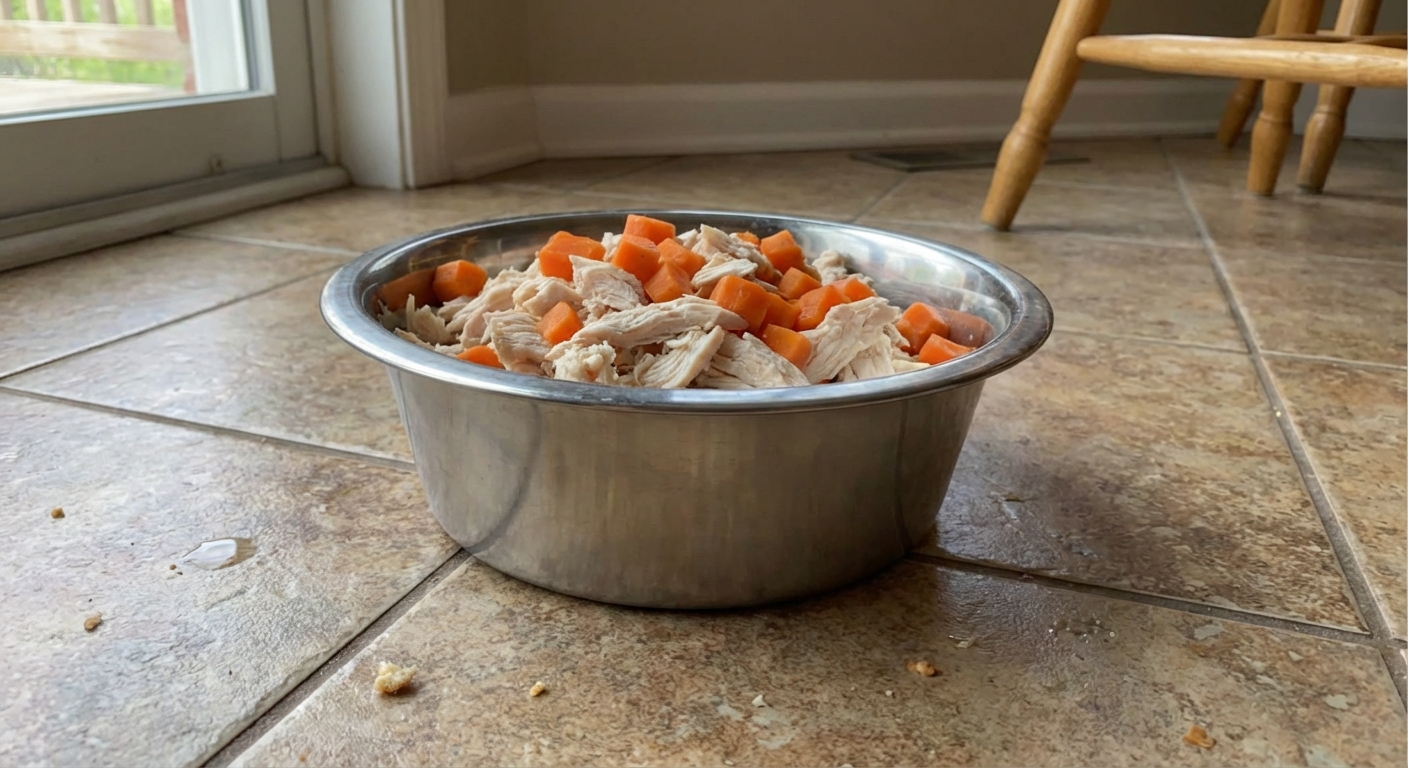
- Plain cooked meat (chicken, turkey, lean beef) with no seasoning
- Plain pumpkin (not pumpkin pie filling)
- Dog-safe broth made from meat (no onions or garlic). If you simmer bones for broth, ask your vet what is appropriate, strain well, and never feed cooked bones.
- Small amounts of cooked veggies like carrots or green beans
- Plain yogurt in small amounts, if your dog tolerates dairy
If your dog has a sensitive stomach or a medical condition, check with your veterinarian before making diet changes.
Prevention tips
- Keep onions, onion scraps, and onion powder out of reach
- Secure trash cans and compost bins
- Be careful with leftovers and slow-cooker meals, since onion is a common base ingredient
- Check labels for “onion,” “onion powder,” “garlic,” and “garlic powder” before sharing human food
Bottom line
Dogs should not eat onions in any form, including cooked onions and onion powder. The danger is real, and it often hides in foods we share without thinking, like soup, gravy, and seasoned meats.
If your dog got into onions, call your veterinarian or a pet poison resource right away. A quick label check for onion and onion powder can help prevent a scary and expensive emergency.