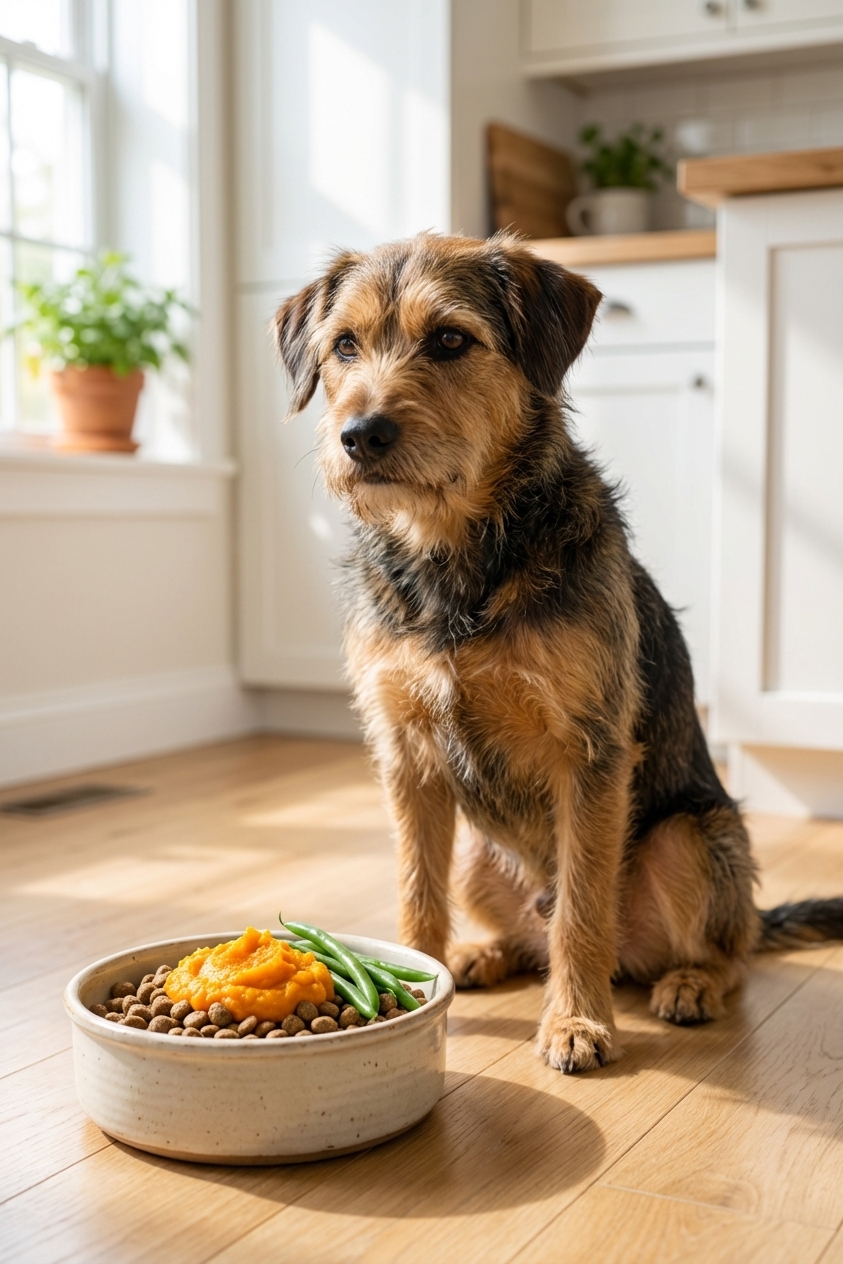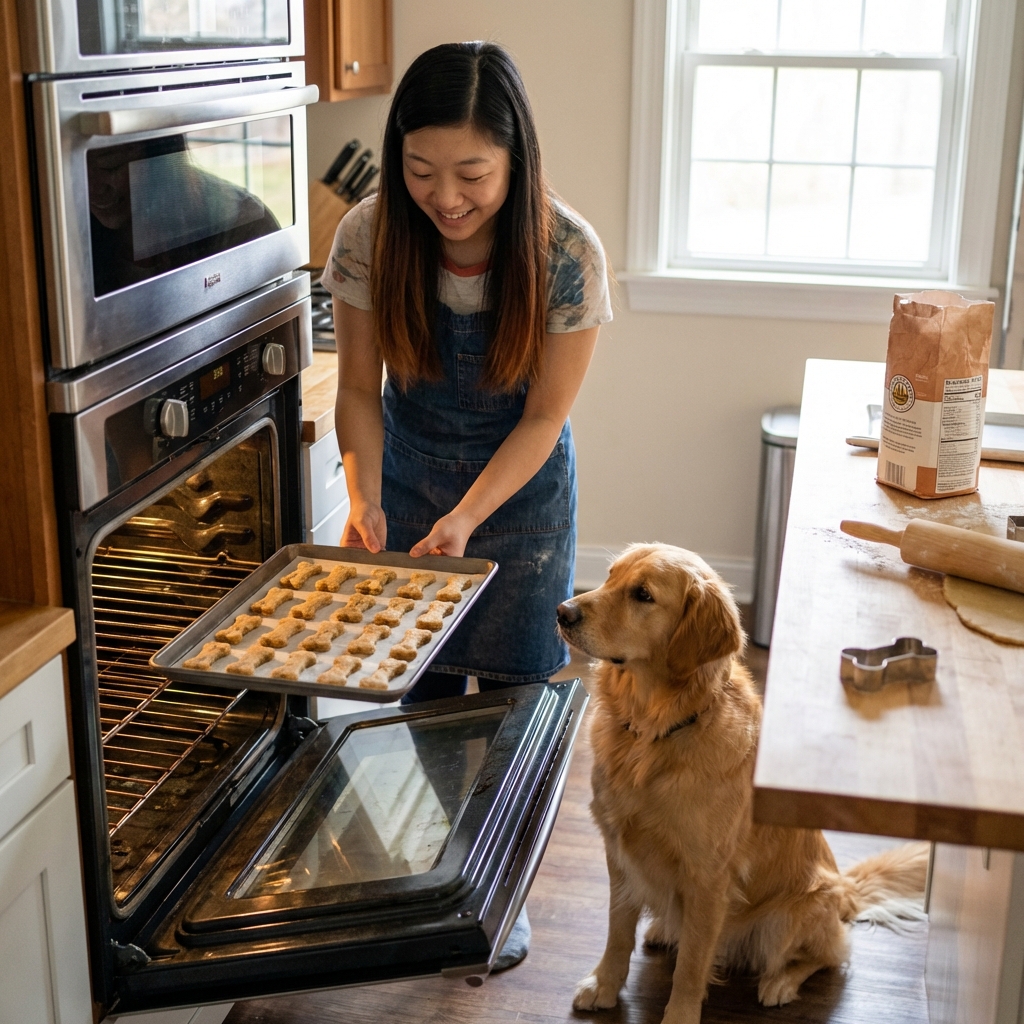
Skip mystery ingredients and bake simple veggie dog treats at home. Learn dog-safe vegetables, easy formulas, and 3 recipes—pumpkin oat crunch, sweet potat...
Article
•
Designer Mixes
Can Dogs Eat Green Beans for Weight Loss?

Shari Shidate
Designer Mixes contributor
If you are looking for a simple, low-calorie treat that still feels “snacky” to your dog, green beans are one of my favorite go-to options as a veterinary assistant. They are crunchy, hydrating, and usually very well tolerated when served plain and unseasoned. The best part is that green beans can support weight loss when they replace higher-calorie treats or toppers, because they add volume and fiber without adding many calories. Green beans by themselves do not cause weight loss. Calorie control does.
Are green beans safe for dogs?
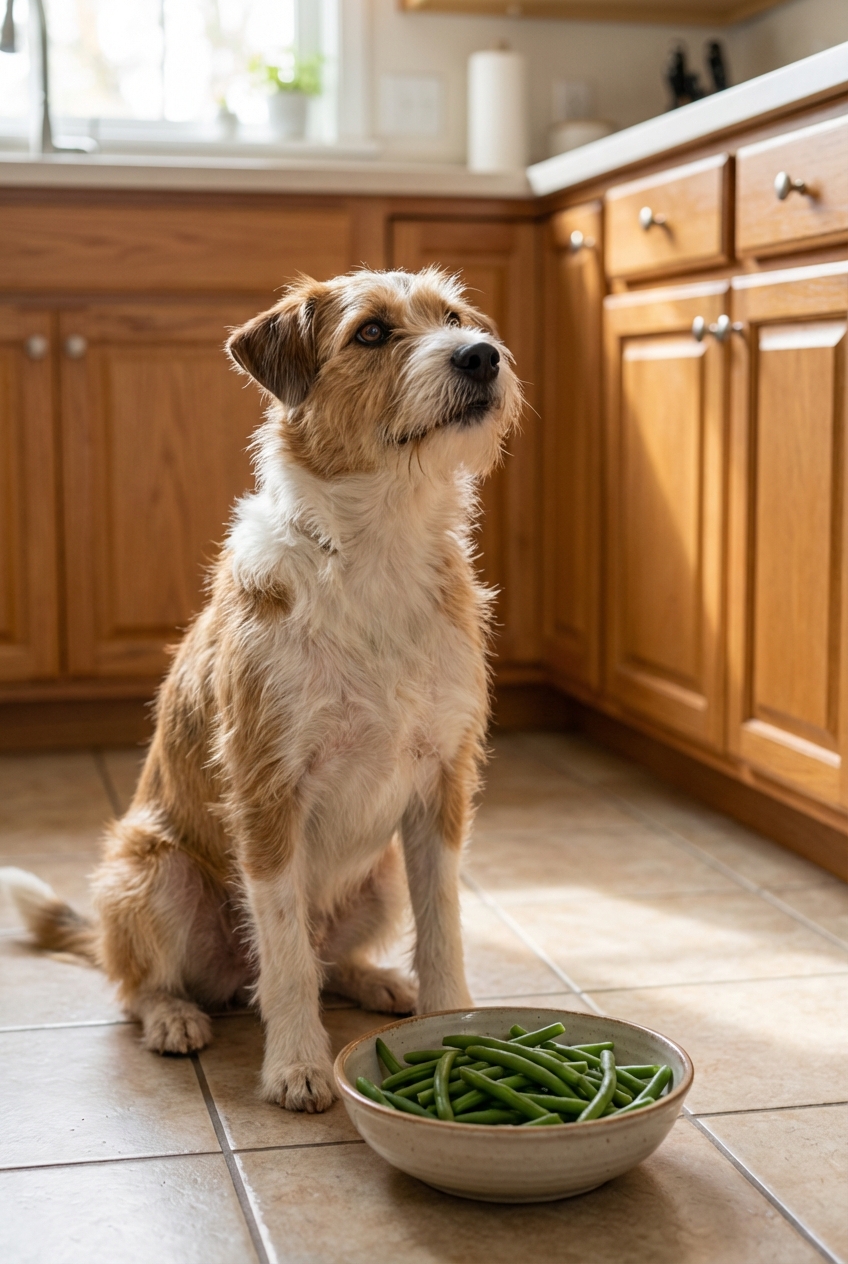
Yes, for most dogs, unseasoned green beans are safe and can be a healthy treat. Green beans are non-toxic to dogs and contain fiber and water, plus small amounts of nutrients (like vitamins C and K and manganese). They are not a complete food, but they can be a smart add-on when your goal is reducing treat calories.
Important: Safety depends on how they are prepared. Unseasoned green beans are very different from green beans cooked with butter, oil, garlic, onions, or salty seasonings. Also watch for onion or garlic powder in seasoning blends, since those can be hidden in “flavored” options.
Why green beans can help with weight loss
Weight loss in dogs mostly comes down to consistently taking in fewer calories than they burn, while still meeting their nutrition needs. Green beans can help because they are:
- Low in calories compared to many commercial treats
- High in water, which may help some dogs feel fuller
- A source of fiber, which may help with satiety and stool quality
For dogs that love to snack, green beans can be used as a “treat swap” to reduce overall calories without making your dog feel like they are missing out.
Best ways to serve them
Good options
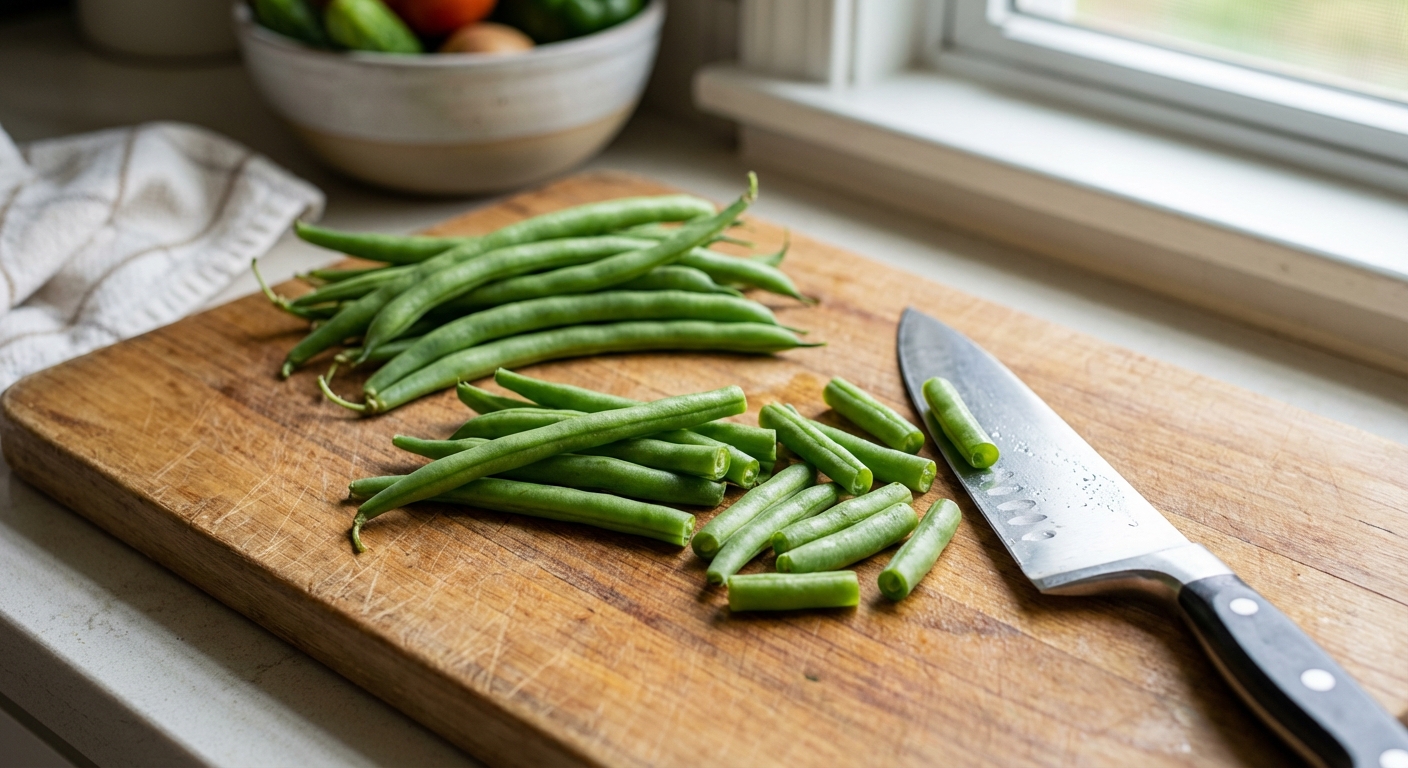
- Fresh: Rinsed, ends trimmed. Many dogs like them raw and crunchy, but some do better with lightly cooked.
- Frozen: Thawed or lightly steamed. Frozen unseasoned green beans are budget-friendly and convenient.
- Canned: Only if they are no-salt-added and rinsed well. Avoid canned green beans with added seasonings or flavoring.
Cooked is often easier on digestion
Some dogs get gassy or have softer stool with raw veggies. Lightly steaming green beans can make them easier to digest while keeping most of the nutritional value.
Avoid these preparations
- Green beans with salt, butter, oils, or sauces
- Recipes with garlic, onion, or their powders (toxic to dogs)
- Casseroles or holiday sides (often high fat and high sodium)
How much can dogs have?
Green beans should be a treat or topper, not the main diet. A helpful guideline is to keep treats under 10% of your dog’s daily calories. The rest should come from a complete and balanced dog food (or a properly formulated homemade diet).
Simple portion guide
Exact amounts depend on your dog’s size, current diet, and calorie goals, but these starting ranges work well for many dogs:
- Small dogs: 1 to 2 tablespoons chopped (or 2 to 6 small pieces)
- Medium dogs: 1/4 to 1/2 cup
- Large dogs: 1/2 to 1 cup
Start small the first time, especially if your dog is not used to vegetables. Too much fiber too fast can cause gas, tummy rumbling, or loose stools. If you notice vomiting or diarrhea, stop and call your vet.
Green beans as a meal swap
You may have heard of the “green bean diet,” where people replace part of a dog’s kibble with green beans for weight loss. This can work in some cases, but it must be done carefully and ideally with veterinary guidance.
Here is the key: if you cut too much food without a plan, your dog may miss essential protein, fatty acids, vitamins, and minerals.
A safer approach
If your vet agrees your dog needs to lose weight, ask about using green beans as a small volume booster while switching to a veterinary-approved weight management diet, or while carefully adjusting portions of a complete and balanced food.
Tip from the clinic: Weight loss is easiest when you measure food, reduce high-calorie treats, and pick one or two low-calorie “default treats” like green beans.
When to be cautious
Green beans are generally gentle, but every dog is different. Talk with your veterinarian first if your dog has a medical condition or is on a diet where nutrition needs are tightly controlled, especially:
- Diabetes (treat choices still matter, and diet changes should be planned)
- Chronic GI issues like colitis, pancreatitis history, or frequent diarrhea
- A prescription diet or conditions where diet changes can disrupt a therapeutic plan
- Food sensitivities or a history of gas and bloating
Also, if your dog is a gulper, supervise snack time and cut green beans into smaller pieces (even lengthwise for tiny dogs) to reduce choking risk.
Easy green bean treat ideas
- Cold crunch: Offer a few thawed frozen green beans as a quick snack.
- Topper trick: Mix a spoonful of chopped steamed green beans into meals to add volume.
- Treat jar swap: Keep unseasoned green beans in the fridge so you reach for them instead of high-calorie biscuits.
If your dog is not into green beans, other low-calorie options that work for many dogs include carrot sticks or cucumber slices (served plain and in safe sizes).
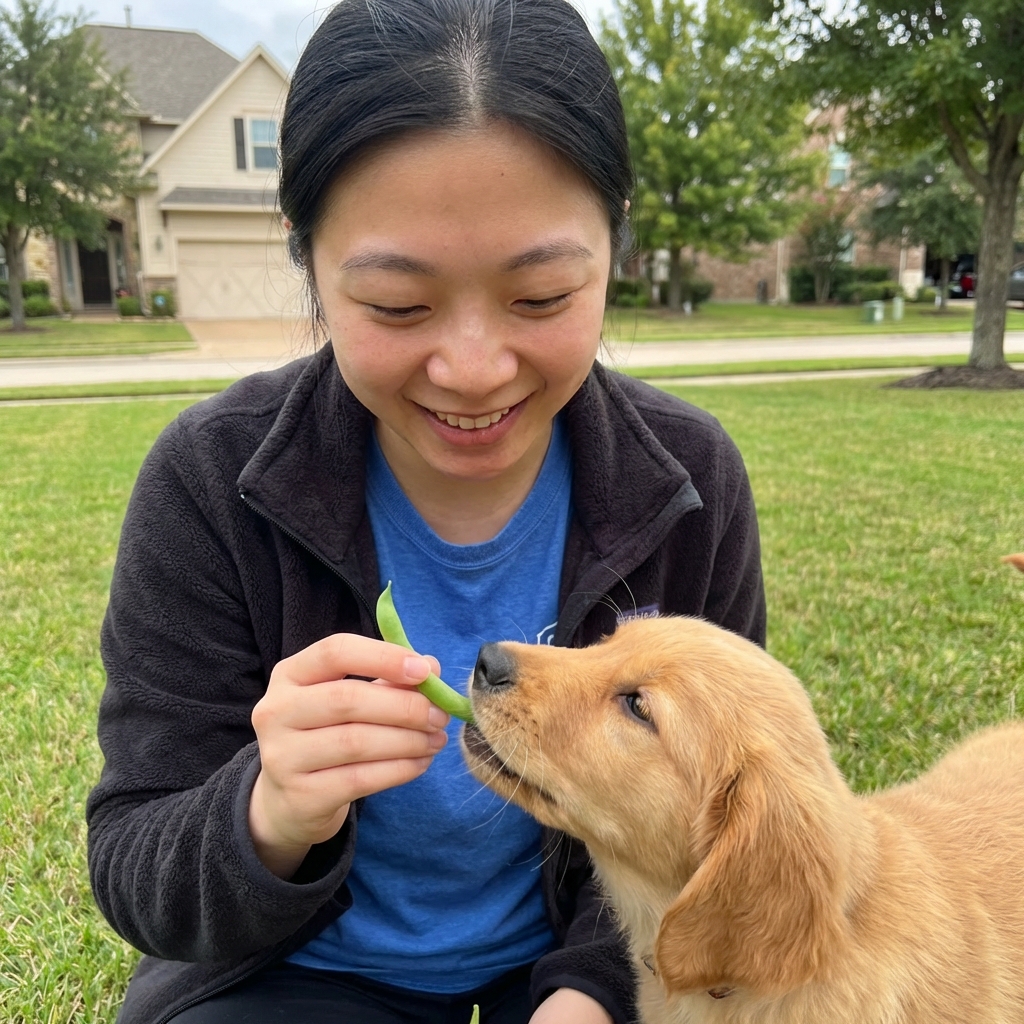
Bottom line: Yes, dogs can eat green beans, and they can be a helpful weight loss treat when served unseasoned and introduced gradually. For weight loss, the win comes from using them to replace higher-calorie treats, plus measured meals, regular weigh-ins, and a plan your vet supports.
Quick safety checklist
- Use unseasoned fresh, frozen, or no-salt-added canned green beans
- Avoid seasonings, garlic, onion (including powders), butter, oils, and casseroles
- Start with small portions and watch stool
- Keep treats under 10% of daily calories
- Supervise fast eaters and cut into smaller pieces as needed
- Check with your vet if your dog has a medical condition or is on a prescription diet